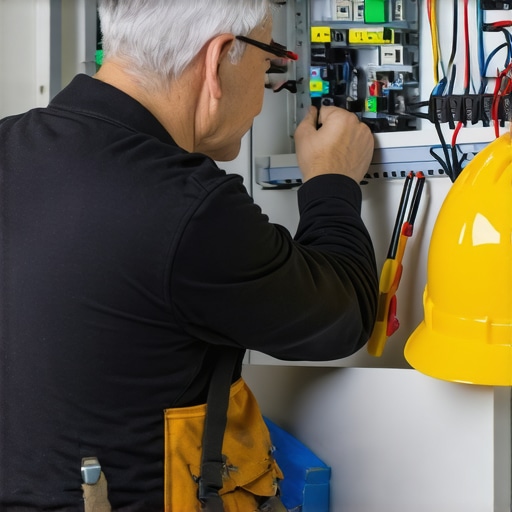
It was a late Saturday evening, and I was eager to relax after a long week. As I reached for the light switch, nothing happened. Zero. Just a dark, stubborn silence. That moment made me realize how something seemingly simple—flicking a switch—could turn into a frustrating mystery. And if you’ve ever experienced a flickering bulb or dead outlet, you know exactly how disruptive and unsettling it can be.
Why Proper Lighting Troubleshooting Matters in Your Home
Lighting isn’t just about brightness; it’s about safety, comfort, and even energy efficiency. Poorly installed or faulty lighting systems can pose serious safety risks, like electrical shocks or fire hazards. Over the years, I’ve learned that many issues stem from overlooked safety protocols or DIY mistakes. Addressing these problems promptly and correctly isn’t just about fixing a bulb—it’s about protecting your loved ones and your property. According to the National Fire Protection Association, electrical failures or malfunctions are responsible for thousands of home fires each year, emphasizing the importance of proper troubleshooting and installation.
Understanding safe and effective troubleshooting is essential. In this post, I’ll share practical tips and insights based on my personal journey and research, guiding you through the critical steps to diagnose and resolve common lighting problems safely. Whether you’re dealing with flickering fixtures, dead outlets, or planning a complete lighting upgrade, knowing where to start can make all the difference. Ready to shed some light on your home’s electrical woes? Let’s dive into the first steps of troubleshooting with confidence.
Start with the Basics of Your Wiring System
Before jumping into complex fixes, get familiar with your home’s wiring layout. Turn off the circuit breaker that controls the affected area, then carefully remove the switch or fixture cover. I once made the mistake of assuming a faulty bulb was the issue—only to discover a loose wire behind the fixture. Remember, always switch off power to avoid shocks. For detailed guidance, check out [lighting installation troubleshooting](https://reliableelectricpro.com/lighting-installation-troubleshooting-expert-tips-for-safer-homes).
Check for Power with a Voltage Tester
Using a non-contact voltage tester helps verify if power is reaching your fixture or outlet. When I tested my flickering living room light, I found it sporadically losing voltage due to a worn-out connector. If there’s no power, the problem might be upstream—like a blown breaker or a disconnected wire. Make sure all relevant switches are turned on, and inspect your breaker panel for tripped switches. This step is crucial before proceeding further.
Inspect the Switch or Fixture Connections
Loose or damaged connections are common culprits. Remove the switch or fixture again and gently tug on the wires—if they come loose, tighten or replace them. In one instance, a connector screw had rusted, causing intermittent flickering. Don’t forget to confirm the wires are properly secured under their terminals. For a safe and professional approach, consider consulting [electrician troubleshooting tips](https://reliableelectricpro.com/troubleshooting-electrician-expert-tips-for-lighting-ev-chargers) to avoid common pitfalls.
Test the Switch Itself
A faulty switch can mimic wiring issues. Swap it out with a known good switch—ensuring the power remains off during replacement. I had a problematic switch that failed to complete the circuit unless manually jiggled; replacing it immediately fixed the issue. Remember, switches are inexpensive but critical components—don’t overlook their role in your troubleshooting process.
Examine the Circuit Breaker and Fuse
A tripped breaker can cut power entirely. Reset the breaker firmly and observe if the light or outlet restores. Sometimes, a breaker trips due to overload or a short circuit elsewhere down the line. If it trips again quickly, you should inspect your wiring for faults. For detailed diagnostic procedures, review [expert lighting installation troubleshooting](https://reliableelectricpro.com/lighting-installations-made-easy-a-step-by-step-electrician-guide).
Identify External Factors Causing Faults
External sources like power surges or faulty appliances can cause electrical issues. Unplug devices connected to the same circuit and see if the problem persists. Also, check for signs of damage, such as scorched wires or burning smells. If in doubt, it’s safer to consult a professional to prevent damage or hazards—visit [contact us](https://reliableelectricpro.com/contact-us) for expert assistance.
Document Your Findings and Plan Repairs Carefully
Keep a detailed log of what you’ve tested and the outcomes. This helps in diagnosing further issues or explaining problems if you call in a professional. When planning repairs, prioritize safety and proper equipment—using insulated tools and adhering to local electrical codes. If you’re planning to upgrade or troubleshoot your EV charger as well, explore [EV charger troubleshooting](https://reliableelectricpro.com/ev-charger-troubleshooting-expert-tips-to-fix-common-issues) for comprehensive tips.
Know When to Call a Professional
If your testing reveals complex wiring issues, persistent breaker trips, or signs of damage, don’t hesitate to seek help. Handling high-voltage components without proper training can be dangerous. Experienced electricians have the tools and expertise to perform repairs safely. For the best results, consider [trusted electricians’ advice for safe troubleshooting](https://reliableelectricpro.com/trusted-electricians-guide-safe-installation-of-ev-chargers-lighting). Remember, safety always comes first when working with electricity.While many homeowners think they understand the basics of lighting installation and troubleshooting, misconceptions still abound that can lead to costly mistakes or safety hazards. A common myth is that simply changing a bulb or resetting a breaker resolves most issues—yet, deeper system errors often lurk beneath the surface, and assuming otherwise can be dangerous. For instance, some believe that all electrical faults are visible or straightforward, but in reality, hidden wiring problems or subtle circuit overloads can cause intermittent issues, and diagnosing these requires technical expertise. **Let’s dig deeper**: relying solely on visual inspection or guesswork increases the risk of overlooked hazards and future failures. In fact, advanced troubleshooting techniques, such as verifying proper wire connections with a multimeter or identifying arc faults, are crucial for ensuring safety and longevity of your electrical system. Misjudging the complexity of EV charger setups, for example, can lead homeowners to install inadequate wiring or bypass critical safety steps—risking both damage and safety. A study published by the National Fire Protection Association highlights that most electrical fires originate from improper installations or flawed troubleshooting practices, emphasizing the importance of professional guidance. Don’t fall into the trap of thinking that DIY fixes are always sufficient; sometimes, hiring a qualified electrician is the best decision to prevent minor issues from escalating. Remember, understanding these nuances not only safeguards your home but also optimizes system performance and lifespan. To avoid common pitfalls, consider consulting expert resources or scheduling a professional inspection—sometimes, a second opinion is the safest move. If you’re planning to upgrade your system or diagnose persistent problems, check out detailed guides like [how electricians tackle troubleshooting for lighting installations](https://reliableelectricpro.com/how-electricians-tackle-troubleshooting-for-lighting-installations), which offer insights into professional best practices. Have you ever fallen into this trap? Let me know in the comments.Maintaining a safe and efficient electrical system in your home requires more than just basic knowledge—it’s about having the right tools and adopting effective methods. Personally, I rely on a few key pieces of equipment that have proven invaluable over the years. A high-quality multimeter is my go-to device for diagnosing voltage levels, continuity, and grounding issues. I prefer a digital multimeter with auto-range capabilities, like the Fluke 117, because it provides precise readings quickly and reduces the chance of user error during troubleshooting.
How do I maintain my electrical setup over time?
Regular inspections are essential. I schedule annual check-ups where I use my multimeter to verify that all outlets, switches, and fixtures are functioning within safe parameters. This proactive approach catches minor issues before they escalate. For loads and circuit testing, I incorporate a clamp meter, such as the Extech 380948, which helps me verify circuit current without disconnecting any wiring—saving time and enhancing safety. Using a thermal camera, like the FLIR C3, allows me to identify hotspots in wiring or outlets that might indicate impending failure. These visual inspections complement electrical testing, providing a comprehensive overview of system health. Looking ahead, the trend toward smart electrical systems will likely make tools like thermographic and digital testers even more integrated with home automation platforms, enabling continuous monitoring and early alerts for problems. If you’re considering a long-term maintenance plan, I recommend investing in these advanced diagnostic tools to keep your system reliable and safe. Remember, proper maintenance not only prolongs the lifespan of your components but also ensures safe operation, especially as your home evolves with new technologies like EV chargers. To learn more about integrating safety and efficiency, consider reviewing expert guides on electrical troubleshooting and maintenance. For example, you can explore detailed insight into best practices by visiting [how electricians tackle troubleshooting for lighting installations](https://reliableelectricpro.com/how-electricians-tackle-troubleshooting-for-lighting-installations). Don’t hesitate to try out a clamp meter during your next system check—it’s a game-changer for quick current measurements without disturbing wiring. Implementing these tools and methods will help you maintain peace of mind, knowing your electrical system is safe and ready to handle future demands.
What I Wish More Electricians Told Me About Troubleshooting
One of the most profound lessons I learned is that not all flickering lights are created equal; sometimes, it’s a sign of a deeper wiring issue rather than just a faulty bulb. That realization saved me from potential electrical fires and expensive repairs. Another insight is the importance of respecting your circuit breaker; resetting it without understanding why it tripped can mask serious problems, leading to worse outcomes down the line. Lastly, I discovered that investing in quality testing tools like a multimeter and thermal camera isn’t just for professionals—these devices made my troubleshooting more accurate and safer, transforming my approach from guesswork to precision.
Tools, Reads, and Experts That Changed My Diagnostic Game
For anyone serious about safe and effective troubleshooting, I recommend starting with a reliable digital multimeter, such as the Fluke 117, which helped me verify voltage levels accurately. The book “Lighting Installations Made Easy” provided step-by-step guides that clarified complex wiring concepts I thought were beyond my reach. Whenever I faced persistent issues, consulting trusted resources like [electrician troubleshooting tips](https://reliableelectricpro.com/electrician-troubleshooting-tips-for-safe-lighting-ev-chargers) gave me confidence and professional insights. And of course, reaching out to seasoned electricians through [contact us](https://reliableelectricpro.com/contact-us) ensured I wasn’t tackling dangerous scenarios alone—combine education, quality tools, and expert advice, and you’re set for success.
Your Next Step Starts Here: Light the Path Forward
Remember, every home electrician’s journey involves troubleshooting and learning. The more you educate yourself and utilize trusted tools, the safer and more efficient your electrical system becomes. Don’t shy away from challenges—embrace the opportunity to make your home better and safer. You’re capable of mastering basic troubleshooting with patience and the right resources, and if in doubt, professional help is just a click away. Keep striving for a safer brighter home, and let these lessons illuminate your path to confident electrical care.
Reading this post really resonated with me because I experienced a similar issue last year. I was fixing some wiring in my basement and thought a simple switch replacement would do the trick when the lights kept flickering. It turned out to be a loose connection behind the switch box, which I only discovered after using a multimeter and inspecting all the wires carefully. This experience taught me not to overlook the basics and always prioritize safety, especially when dealing with electrical components. What I’ve learned is that sometimes the problem isn’t immediately visible, and it’s worthwhile to check the integrity of connections thoroughly. Has anyone else found that their troubleshooting process revealed hidden wiring issues that weren’t obvious at first? I’d love to hear how others approach diagnosing difficult electrical problems without jumping straight to replacing components, which might just mask the real underlying issue.
This post really hits home for me—working with home electricals can be surprisingly intricate. I once experienced a situation where my living room outlet kept tripping the breaker, and initially, I thought it was a simple overload. However, after inspecting the wiring and testing with a multimeter, I discovered a short in the outlet itself caused by a corrosion-worn wire connection. It reminds me how even seemingly small issues like corrosion or loose connections can cause bigger safety hazards if not addressed properly. Since then, I’ve adopted a routine of regular inspections and investing in quality tools, like a thermal camera, to catch potential hotspots early.
I’m curious—how do others balance DIY troubleshooting with knowing when it’s safest to call in a professional? I find that understanding the limits of my skills and equipment helps me avoid risky mistakes. Also, do you have recommendations for beginner-friendly diagnostic tools that can provide more confidence before tackling more complex issues? Overall, safety should always come first, but empowered with the right knowledge, I believe homeowners can handle quite a bit safely.