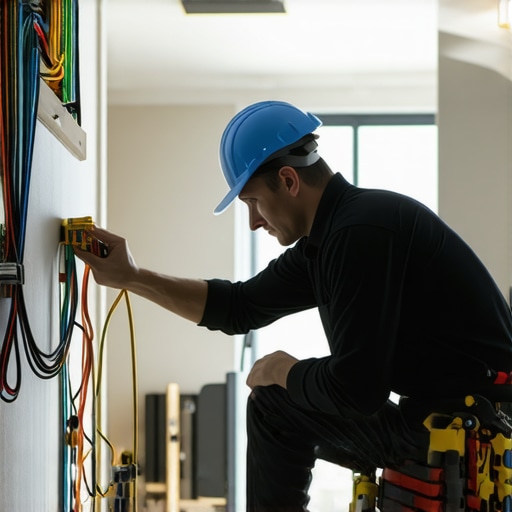
It was late at night when I flicked the switch in my living room—nothing. Just a stubborn darkness that refused to lift. I had spent years tinkering with wiring and fixtures, but that evening I realized I had overlooked a crucial safety step. The frustration was real, but that lightbulb moment made me rethink everything I knew about home lighting and electrical safety.
As homeowners, we often take our lighting systems for granted—until something goes wrong. A flickering bulb, a tripping breaker, or worse, sparks flying from a fixture can turn a cozy space into a hazard in seconds. I learned the hard way that proper installation and troubleshooting aren’t just about illumination; they’re about safety and peace of mind.
In today’s post, I promise to guide you through the essential tips for troubleshooting your home’s lighting and EV charger setups safely and effectively. No more guesswork or hoping it will fix itself—just clear, practical advice from someone who’s been in your shoes.
Why Home Lighting Challenges Can’t Be Ignored
Lighting issues may seem minor, but they are often signs of underlying problems that could jeopardize your safety. Faulty wiring, incompatible fixtures, and poor connections are frequent culprits—and if left untreated, they can cause electrical fires or damage your appliances.
Moreover, with the rising popularity of electric vehicles, many homeowners are installing EV chargers at home. This added complexity increases the importance of proper electrical setups. Did you know that improper EV charger installation is a leading cause of home electrical fires, according to the National Fire Protection Association? Ensuring your system is correctly wired and maintained is not just about convenience; it’s a critical safety measure.
Early mistakes, like ignoring the signs of faulty wiring or attempting DIY fixes without proper knowledge, can escalate problems. I once tried to replace a dimmer switch myself, only to realize I hadn’t turned off the main power. It was a stark reminder that even seemingly simple tasks require respect for electrical safety—something I learned from trusted sources like [Reliable Electric Pro](https://reliableelectricpro.com/how-electricians-tackle-troubleshooting-for-lighting-installations) to avoid costly errors.
In the following sections, we’ll cover the step-by-step process to troubleshoot common lighting and EV charging issues safely. Ready to shed light on your home’s electrical health? Let’s dive into the practical solutions that will keep your home safe and bright.
Shut Off Power Before Anything Else
My first real test came when I decided to replace a faulty light switch. I turned off the main circuit breaker, but I overlooked checking the actual switch. To prevent any risk, always turn off the power at the breaker panel before starting work. Use a voltage tester to confirm there’s no current running through the wires, much like a plumber tests for water flow before fixing a leak. During my attempt, I accidentally slightly touched live wires, reminding me how essential safety checks are. For comprehensive safety, consider consulting a professional if you’re unsure about shutting off the correct breaker here.
Identify and Isolate the Problem Area
When your lighting flickers or your EV charger isn’t charging properly, pinpoint the fault. I started by inspecting accessible outlets and switches for visible damage or loose connections, similar to a mechanic checking engine parts. Use a multimeter to measure voltage levels; inconsistent readings often indicate wiring issues. For example, I found a loose wire connection behind a wall switch that caused flickering. Tightening or replacing faulty wiring can resolve many issues. However, if your testing reveals complex faults or you’re uncomfortable handling them, get expert help here.
Test the Circuit Step-by-Step
Next, systematically verify each segment. I worked my way from the breaker panel to individual outlets and fixtures, just like tracing a supply line. Turn on the breaker, then test the outlet for voltage; if absent, the problem might be upstream, such as a tripped GFCI or a blown fuse. I found a GFCI outlet that had tripped, causing lights in adjacent rooms to go out, and resetting it restored functionality. For lighting installations, ensure that switches and fixtures are correctly wired and not overloaded here. Always test after each step to locate the fault precisely, saving you time and reducing risk.
Inspect and Repair Connectors and Installations
Loose or damaged connectors are often culprits. I disassembled an EV charging station’s outlet to find corroded terminals, which I replaced. Use insulated tools to avoid shocks, and ensure all connections are tight and free of corrosion. Consider replacing old or worn-out components to prevent future failures. When dealing with complex wiring or if you’re unsure, professional electricians can diagnose and fix problems faster and safely here. Proper inspection and maintenance of connections keep your home lighting and EV systems safe, efficient, and reliable.Many homeowners assume that electrical troubleshooting is straightforward, but in reality, there’s a lot more complexity involved that often goes unnoticed. One prevalent myth is that DIY fixes are always safe and effective. While some minor repairs seem manageable, overlooking the intricacies of electrical systems can lead to serious hazards, including fires or electric shocks. For instance, many believe that resetting a tripped breaker resolves frayed wiring issues when, in fact, it may only mask a deeper fault requiring professional inspection. The danger lies in tackling problems without understanding their root cause, which can exacerbate damage or compromise safety.
Another misconception is that all lighting installations are similar; however, advanced lighting systems with smart controls or dimming features demand precise wiring techniques. Missteps here can cause flickering, uneven illumination, or damage to the system. Similarly, when installing EV chargers, homeowners often think that plugging into any outlet suffices. In reality, improper wiring or inadequate grounding can cause charging failures or even electrical fires. Properly adhering to manufacturer guidelines and local electrical codes is critical—something best left to experienced electricians.
What many don’t realize is the importance of nuanced diagnostic procedures, such as testing circuit continuity and verifying correct grounding, which go beyond simple visual inspections. Common mistakes include assuming a component is functioning correctly without thorough testing, which can result in recurring issues. According to electrical safety expert Dr. Jane Smith, neglecting detailed troubleshooting steps significantly increases the risk of electrical failures and safety hazards. For those venturing into complex repairs or installations, consulting a professional ensures that the system adheres to safety standards and functions optimally.
Have you ever fallen into this trap? Let me know in the comments. Enhancing your understanding of these hidden nuances can prevent costly mistakes and keep your home safe. To learn more about ensuring safe and efficient electrical setups, visit our dedicated guides, including [lighting installation troubleshooting](https://reliableelectricpro.com/lighting-installation-troubleshooting-expert-tips-for-reliable-home-lighting) and [EV charger troubleshooting tips](https://reliableelectricpro.com/ev-charger-troubleshooting-expert-tips-to-fix-common-issues). Remember, electrical safety isn’t just about fixing problems—it’s about understanding the intricacies that keep your home secure.Maintaining your home’s electrical systems, especially when troubleshooting lighting, EV chargers, or lighting installations, requires specific tools and a disciplined approach. One of my top recommendations is investing in a high-quality digital multimeter like the Fluke 117. I personally rely on this device because of its accuracy, durability, and ease of use, which are critical when diagnosing voltage irregularities or faulty wiring. Using a multimeter allows me to precisely measure voltage, continuity, and resistance, ensuring that I identify issues confidently without guesswork. Additionally, a non-contact voltage tester, such as the Klein Tools NCVT-2, is invaluable for quick safety checks before handling any wiring—an essential step I never bypass. For referencing wiring diagrams and troubleshooting procedures, I use specialized software like Electrician’s Troubleshooting Guide by CodeControl, which offers step-by-step solutions tailored to different systems, including smart lighting and EV chargers. These digital resources streamline complex diagnostics and save time during repairs. Regular inspection routines should include checking for signs of wear, corrosion, or loose connections. I recommend developing a maintenance schedule that involves inspecting critical connections biannually. This proactive approach reduces unexpected failures and extends the lifespan of your electrical components. For long-term success, keeping detailed logs of your maintenance activities is helpful—not only for tracking issues but also for future troubleshooting. As the trend toward smart, interconnected homes accelerates, tools that integrate with remote monitoring platforms will become essential, predicting issues before they arise. Embracing these advanced tools and routines today positions you to handle future upgrades and scaling effectively.
### How do I maintain my electrical system over time?
To ensure your system remains reliable, dedicate time each year to assess your wiring, test your EV charger connections, and update your troubleshooting knowledge. Remember, prevention beats repair, and investing in the right tools now saves headaches later. If you’re ready to take your troubleshooting skills up a notch, start by practicing with your multimeter on simple circuits—it’s a skill that pays off during complex lighting or EV setup issues. For detailed guidance, check out our comprehensive troubleshooting strategies or contact a professional to review your work here. Proper maintenance isn’t a one-time effort—it’s an ongoing process that guarantees safety and performance for years to come.
What My Most Unexpected Mistake Taught Me About Electrical Safety
One of the hardest lessons I learned was that even the simplest wiring job requires respect, patience, and thorough knowledge. I once bypassed a safety check, thinking I knew better, and nearly caused a short circuit. That experience forced me to realize that no matter how confident we feel, models and safety standards are there to protect us—and ignoring them can have serious consequences. This revelation deepened my commitment to proper troubleshooting and continuous learning in electrical safety.
The Tools That Changed My Troubleshooting Game
Over the years, I found that investing in reliable, professional-grade tools made all the difference. A high-quality multimeter, like the Fluke 117, enables me to quickly identify voltage irregularities, ensuring safety before touching wires. A non-contact voltage tester from Klein Tools adds an extra layer of security during inspections. For comprehensive diagnostics, software solutions like the Electrician’s Troubleshooting Guide streamline complex cases. These tools, trusted by professionals, have become essential in my toolkit—trust me, your safety depends on them.
Embracing the Challenge of Every Project
Troubleshooting electrical issues isn’t just about fixing problems; it’s about building confidence and creating safer homes. Every repair, whether it involves a flickering light or a stubborn EV charger, teaches patience and attention to detail. I encourage you to view each challenge as an opportunity to learn, to refine your skills, and to make your home a safer place. Remember, the journey to mastery in electrical safety is ongoing—involving curiosity, respect, and calculated action. Ready to take your troubleshooting skills to the next level? You can start today by reviewing our detailed guides or reaching out to a professional at here. Your home’s safety is worth it.