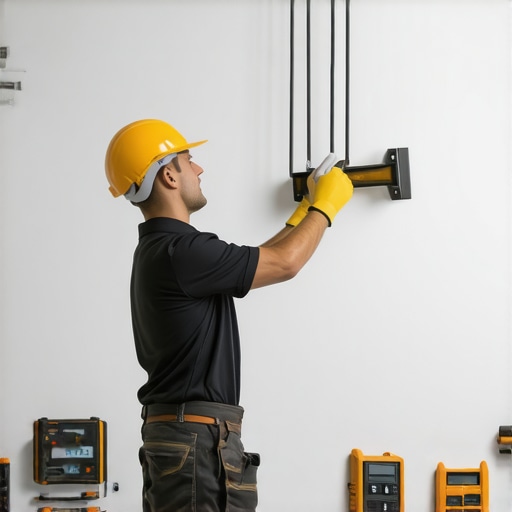
Ever stared at a flickering light or a dead outlet and felt that sinking feeling of helplessness? I’ve been there. I remember thinking, “Why is this happening now, and how do I fix it without causing more chaos?” It’s frustrating, especially when you rely on your home lighting to keep your space bright and welcoming. But here’s the good news: most lighting problems are fixable, and you don’t have to be an electrician to handle the basics. Today, I want to share my experience and guide you through the most common lighting issues, helping you troubleshoot safely and effectively.
Why Proper Lighting Troubleshooting Matters
Lighting isn’t just about visibility; it’s about safety, comfort, and the overall vibe of your home. A single faulty fixture can cause energy waste, increase your electric bill, or even pose safety hazards. Early on, I made the mistake of ignoring small flickers, thinking they’d go away. Turns out, that’s a classic sign of a loose connection or aging wiring. According to electrical safety experts, addressing small issues early can prevent bigger problems down the road, like electrical fires or costly repairs. So, understanding how to troubleshoot your lighting can save you money and keep your home safe. If you’ve faced similar issues, you know how tempting it is to ignore them. But trust me, a little knowledge goes a long way.
Is Lighting Troubleshooting Really Safe for a Homeowner?
This is the big question I hear all the time. It’s natural to worry about safety, especially with electrical systems. Early in my DIY days, I tried to fix a flickering chandelier without turning off the power. Not my brightest moment. I learned the hard way that disconnecting power before working on any fixture is crucial. Electricians emphasize that turning off the circuit breaker is the first step to avoid shocks or short circuits. If you’re unsure or uncomfortable, it’s best to consult a professional. For a comprehensive approach, you can check out trusted guidance like Lighting Installations Made Easy. Remember, safety always comes first. If you’ve faced a tricky lighting problem, don’t hesitate to reach out to experts at Trusted Electricians.
Now that we’ve covered why troubleshooting matters and the safety considerations, let’s dive into the practical steps that will help you diagnose and fix common lighting issues with confidence. Whether it’s a flickering bulb, a dead switch, or a fixture that won’t turn on, I’ll walk you through the process—step by step.
Start with Safety First
Before diving into any troubleshooting, switch off the circuit breaker that powers the affected fixture. I learned this the hard way when I tried to fix a flickering ceiling light without turning off the power — sparks flew, and I narrowly escaped getting shocked. Remember, disconnecting power is your first step to prevent injury and further damage. If you’re unsure how to identify your circuit breaker, consult the manual or contact a professional at Trusted Electricians.
Inspect the Bulb and Fixture
Remove the bulb and examine it for signs of damage or burnout. I once replaced a bulb only to find the socket itself was corroded, causing intermittent contact. Clean any corrosion with a dry cloth or replace the socket if necessary. Check the fixture for loose wires or broken components. Tighten connections with a screwdriver, but handle wires carefully and avoid touching exposed metal parts.
Replace the Bulb if Needed
If the bulb is burnt out, replacing it is simple but crucial. Use a bulb with the correct wattage specified for your fixture. I once used an overly bright LED bulb, which caused flickering; switching to the recommended wattage solved the issue instantly.
Test the Switch
Sometimes, the problem lies with a faulty switch. Turn off the power, remove the switch cover, and inspect for loose wires or corrosion. Tighten any loose connections and replace the switch if it shows signs of damage. When I replaced a switch in my living room, I noticed a loose wire that was causing the light to flicker. Securing it fixed the problem immediately.
Check for Power at the Switch
Use a voltage tester to verify if power reaches the switch. If there’s no power, the issue might be upstream, such as a tripped circuit breaker or a faulty wire connection. For complex wiring issues, don’t hesitate to consult an expert at Lighting Installations Made Easy.
Verify Wiring Connections
Loose or damaged wiring is a common culprit. Carefully remove the fixture or switch cover and follow the wiring. Tighten any loose connections, making sure wires are properly secured under screw terminals. If you notice damaged insulation or frayed wires, replace them or call a professional. I once found a wire with burnt insulation, which I replaced after turning off the power—solving a recurring flicker problem.
Use a Multimeter for Precision
A multimeter can help you verify continuity and voltage. Set it to measure voltage, then carefully test the wires (with the power on) to see if voltage is reaching the fixture or switch. If there’s no voltage, the problem is upstream, and you should contact an electrician for a safe resolution.
Assess the Circuit and Breaker
If none of the above steps reveal the issue, check your circuit breaker. Sometimes, a breaker trips without visible indication. Reset it by flipping it off and on again. If it trips immediately, there’s likely a short or overload. In that case, professional intervention is necessary to diagnose and resolve the underlying problem.
Look for Overloaded Circuits
Overloading can cause breakers to trip frequently. Distribute your electrical load by unplugging some devices or moving them to other circuits. If overloading persists, an electrician can upgrade your circuit capacity or fix wiring issues. You can learn more about troubleshooting and installing lighting with expert guidance.
When in Doubt, Call the Pros
Electrical troubleshooting can be dangerous. If you’re unsure at any point or if the problem persists after your efforts, contact a licensed electrician. They have the tools and expertise to diagnose complex issues safely. For help, visit Reliable Electric Pro.
Many homeowners believe they can fix any lighting issue with a quick search or by following popular online tips. However, this often leads to misconceptions that can cause more harm than good. Let’s dig deeper into what most people get wrong about troubleshooting home lighting and how to avoid these pitfalls.
Why the Popular Advice on Fixing Flickering Lights Can Be Misleading
One common myth is that replacing a bulb will fix all flickering issues. While a burnt-out bulb is a frequent cause, flickering can also stem from loose wiring or faulty switches. Relying solely on bulb replacement without inspecting wiring or switches might temporarily mask the problem but won’t resolve the underlying issue. In fact, ignoring wiring problems can increase the risk of electrical fires. According to the National Fire Protection Association, faulty wiring accounts for a significant percentage of electrical fires in homes. Therefore, always check connections and consider consulting a professional if simple fixes don’t work.
Don’t Overlook the Role of Circuit Breakers and Overloads
Another mistake is assuming that circuit breakers are infrequent troublemakers. Many homeowners don’t realize that frequent breaker trips could indicate overloaded circuits or short circuits, which require immediate attention. Resetting a breaker repeatedly without addressing the root cause can cause further damage or safety hazards. Properly diagnosing overloads involves understanding your home’s electrical load and possibly redistributing appliances or upgrading wiring. For complex situations, hiring an electrician ensures safety and proper resolution. You can find expert tips on troubleshooting and installing lighting with this comprehensive guide.
Advanced Troubleshooting Requires Caution and Skill
Many homeowners don’t realize that some issues, like wiring behind walls, require specialized tools and expertise. Using a multimeter to verify voltage is an advanced step that can prevent unsafe practices. However, attempting to diagnose or fix wiring without proper knowledge can lead to shocks or further damage. For those who want to go beyond basic checks, consider consulting a licensed electrician. They have the tools and experience to handle complex issues safely. If you’re dealing with persistent lighting problems, don’t hesitate to reach out to professionals at Reliable Electric Pro.
Have you ever fallen into this trap? Let me know in the comments. Remember, safety and proper diagnosis are key to effective troubleshooting and long-term home safety.
Keep Your Lighting and EV Chargers Running Smoothly with the Right Tools
Maintaining the functionality of your home lighting and electric vehicle (EV) charging stations isn’t just about replacing bulbs or resetting breakers; it requires the right tools to diagnose issues accurately and perform effective repairs. Over the years, I’ve found that investing in specific equipment makes troubleshooting safer, faster, and more reliable. Today, I want to share my top recommendations for tools that I personally use and trust to keep my electrical systems in top shape.
Multimeter: The Electrical Detective
The cornerstone of any electrician’s toolkit is a quality multimeter. I rely on my Fluke 117 multimeter because it offers precise voltage, current, and resistance readings, which are critical when diagnosing wiring issues or verifying power at outlets and switches. The ability to measure AC/DC voltage safely helps identify whether circuits are delivering consistent power, preventing unnecessary replacements or dangerous situations. For home use, I recommend models with auto-ranging and CAT III safety ratings, ensuring accurate readings while protecting you from electrical shocks. Remember, always test your multimeter on a known live source before troubleshooting to ensure it’s functioning correctly.
Insulated Screwdrivers and Pliers
Working on live wires is risky unless you have the right insulated tools. I swear by my Klein Tools insulated screwdriver set, which has magnetic tips for easy wire connection and insulation rated for up to 1000V. These tools allow me to tighten or loosen connections securely without risking shocks. Pliers with insulated handles are equally essential for gripping, twisting, or cutting wires safely. Investing in high-quality, well-insulated tools minimizes the risk of accidents and ensures a solid grip during repairs.
Voltage Tester: Quick Power Checks
A simple, non-contact voltage tester is invaluable for rapid assessments. I use the Klein NCVT-3 because it’s compact, reliable, and provides instant confirmation of live wires without contact. Before touching any wires or fixtures, I use this tester to verify power presence, greatly reducing the risk of shocks. For more comprehensive testing, especially when troubleshooting complex lighting or EV charger wiring, combining a voltage tester with a multimeter provides a clearer picture of electrical health.
Wire Strippers and Connectors
Proper wire stripping is essential for secure connections. I prefer the Klein Tools wire strippers because they cut and strip wires cleanly without damaging insulation. Using quality connectors like Wago lever-nuts or high-quality screw terminal blocks ensures reliable, long-lasting connections, especially in high-current EV charging circuits or lighting fixtures. These tools and connectors save time and prevent future issues caused by loose or poor connections.
Software and Diagnostic Apps
In the era of smart homes, software tools are becoming increasingly important. I recommend apps like Home Assistant for monitoring and diagnosing smart lighting systems. For EV chargers, specific manufacturer apps provide real-time diagnostics and firmware updates. Staying updated with the latest software helps maintain optimal performance and catch potential issues early before they become costly repairs. As technology evolves, integrating these tools into your maintenance routine will become even more vital.
Future of Maintenance Tools
Looking ahead, I predict that AI-powered diagnostic tools and wireless sensors will revolutionize home electrical maintenance, allowing homeowners to detect issues remotely and receive expert recommendations instantly. Embracing these innovations now will make your systems more reliable and easier to maintain over time.
How do I keep my lighting and EV chargers in top shape over time?
Regular inspection with these tools, combined with proactive cleaning and updates, ensures long-term reliability. Schedule periodic checks, especially after storms or electrical surges, and don’t hesitate to contact professionals at Reliable Electric Pro if issues persist. Remember, the right tools empower you to troubleshoot safely and efficiently, saving money and ensuring safety in your home.
Overcoming lighting issues in your home can feel daunting, but with the right insights and a proactive mindset, you can become your own electrical troubleshooter. I’ve learned firsthand that the most valuable lessons often come from unexpected challenges, such as discovering that flickering lights are more than just a nuisance—they’re a sign of deeper wiring concerns. One of the biggest lessons I learned was the importance of patience and safety; rushing into repairs without turning off the power can lead to dangerous shocks or further damage. It’s also crucial to understand that simple solutions like replacing bulbs or resetting breakers often mask underlying problems that require careful inspection and, sometimes, professional intervention. My experience taught me that regular checks and using the right tools, such as a multimeter or insulated screwdrivers, can save you time and money. Remember, when in doubt, consulting a licensed electrician is the safest bet. They have the expertise to diagnose complex wiring issues that DIY methods might miss. Ultimately, taking control of your home lighting troubleshooting not only enhances safety but also keeps your space inviting and well-lit. Ready to troubleshoot your lighting with confidence? Keep safety at the forefront, and don’t hesitate to reach out for expert help when needed. Your brighter, safer home is within reach!
I really appreciate this detailed troubleshooting guide. In my experience, one of the most overlooked aspects of home lighting is ensuring that the circuit breaker itself isn’t faulty or worn out. I’ve seen cases where frequent trips happen simply because the breaker needs replacement, especially after years of use. It’s always surprising how many minor issues can be resolved with a simple check of the breaker beforehand. Also, using a multimeter has been a game-changer for me—being able to quickly verify if power is reaching the fixture saves both time and risk. I wonder, for those homeowners who aren’t comfortable testing voltage themselves, what precautions or steps would you suggest before calling in a professional? Has anyone had success diagnosing problems with more advanced smart home tools or apps? Thanks again for stressing safety—it’s such a vital point many tend to forget in DIY projects.