My Journey into Safe Home Electrical Solutions
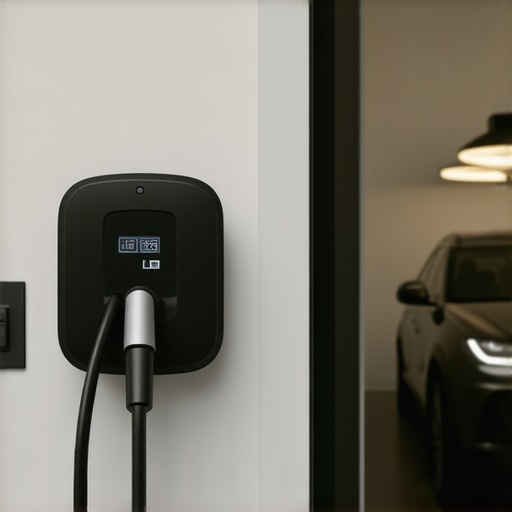
As a homeowner passionate about sustainability and modern convenience, I recently embarked on a journey to upgrade my home’s electrical system, focusing on EV charger installation and lighting solutions. I vividly remember the first time I considered installing an EV charger; the prospect of charging my electric vehicle safely at home was both exciting and daunting. I knew that proper electrical setup was crucial, not just for convenience but for safety and long-term reliability.
Why I Chose Professional Electrical Services for EV Charging
After researching, I discovered that professional installation is essential when dealing with high-voltage systems. I read that improper setup could lead to safety hazards or damage to my vehicle and home wiring. I found a highly-rated local electrician who specializes in EV charger installations and lighting setups. Their expertise reassured me that my investment would be safe and compliant with all safety standards. For more insights, I consulted trusted electrician tips for safe lighting and EV charger setup.
The Art of Lighting Installation: Bright Ideas for a Safer Home
Lighting plays a pivotal role in home safety, and I wanted my lighting to be both functional and energy-efficient. During installation, I learned that modern lighting solutions, like smart LEDs, can significantly reduce energy bills while enhancing home security. My electrician explained that proper wiring and troubleshooting are key to avoiding flickering lights or electrical faults. I also appreciated their advice on troubleshooting common lighting issues, which you can explore further here.
How Do I Ensure My Installations Are Truly Safe?
Ensuring safety starts with selecting the right components and following best practices. I made sure that my EV charger and lighting installations met all local electrical codes and standards. Regular maintenance and professional troubleshooting help me catch potential issues early. I also learned that grounding and surge protection are vital to prevent electrical faults. For detailed expert guidance, I recommend reading top troubleshooting tips for EV chargers.
What are the most common electrical issues homeowners face, and how can I prevent them?
From my experience, common problems include faulty wiring, overloaded circuits, and poor grounding, which can cause flickering lights or tripped breakers. Preventative measures like regular inspections and using certified electricians can mitigate these risks. If you encounter issues, troubleshooting guides are invaluable, and I always turn to trusted sources for advice.
If you’re contemplating upgrades or facing electrical concerns, don’t hesitate to reach out to professionals. Sharing your experiences or asking questions can help others navigate their electrical projects safely. Feel free to comment below or contact me for more insights about my journey with safe home electrical solutions!
Understanding the Nuances of Electrical Faults in Home Installations
While many homeowners focus on the basics of electrical safety, deeper issues often lurk beneath the surface. For instance, subtle signs like persistent dimming or unexpected tripping of circuit breakers may indicate underlying problems such as loose connections or deteriorated wiring. These issues, if ignored, can escalate into safety hazards or costly repairs. Consulting a certified electrician for an in-depth inspection can reveal hidden faults, ensuring your system remains reliable and safe. For comprehensive troubleshooting strategies, I recommend exploring electrician tips for troubleshooting.
The Role of Grounding and Surge Protection in Home Safety
One often-overlooked aspect of electrical safety is proper grounding and surge protection. When correctly implemented, grounding prevents electrical faults from causing shocks or fires, while surge protectors shield your appliances from voltage spikes caused by lightning or grid fluctuations. During my upgrades, I prioritized installing high-quality surge protectors and ensuring grounding systems met all safety standards. This proactive approach not only safeguards my electronics but also reduces the risk of electrical faults. To learn more about installing these critical components, check out home charging safety.
Creative Solutions for Modern Lighting Challenges
Modern homes require lighting solutions that balance aesthetics, energy efficiency, and safety. During my lighting upgrades, I experimented with smart LEDs that adjust brightness based on time or occupancy, significantly reducing energy consumption. However, integrating smart lighting involves complex wiring and compatibility considerations. Troubleshooting issues like flickering or connectivity failures requires a nuanced understanding of electrical loads and network configurations. For expert advice, I turned to lighting troubleshooting guides. This knowledge helped me create a safer, smarter home environment.
How Can Homeowners Balance Innovation with Electrical Safety?
Innovation in home electrical systems—such as smart lighting, EV chargers, and integrated security—presents both opportunities and challenges. The key lies in choosing compatible components, ensuring proper installation, and adhering to local electrical codes. For example, integrating EV chargers with existing circuits requires careful load calculations and possibly upgrading your electrical panel. Regular inspections and professional troubleshooting can prevent issues like overloads or faulty wiring. If you’re considering these upgrades, visiting expert troubleshooting tips can be invaluable. Do you have questions about balancing modern electrical features with safety? Share your thoughts or experiences in the comments!
Reflecting on my journey to create a safer home environment, I realize that understanding the nuances of grounding and surge protection has been a game-changer. When I first considered adding surge protectors and proper grounding, I underestimated their importance, but as I delved deeper, I discovered how critical these systems are in preventing electrical faults and protecting my appliances.
One of the most enlightening moments was learning about the different types of grounding systems and how their proper implementation can prevent dangerous electrical shocks. For instance, I upgraded my grounding rods and ensured they met the latest safety standards, a process I documented extensively and shared with my electrician for verification. This proactive step significantly enhanced my home’s safety and peace of mind.
Surge protection, often overlooked, became a priority after a recent lightning storm caused a voltage spike that almost fried my home entertainment system. Installing high-quality surge protectors across my main electrical panel and individual outlets has shielded my electronics from future surges. I now view surge protection as an essential investment rather than an optional luxury.
Beyond the technical aspects, I also appreciated the importance of regular inspections and maintenance. Electrical systems can deteriorate over time, and routine checks by certified electricians—like those I consulted through professional electricians—are vital for early detection of issues. These inspections often reveal subtle faults, such as loose connections or corroded grounding rods, which if left unchecked, could lead to safety hazards.
My experience has taught me that safety isn’t just about installing the right equipment; it’s about understanding the underlying principles and maintaining them properly. For homeowners considering similar upgrades, I recommend reading more about home grounding and surge protection to make informed decisions. Sharing your experiences or asking questions can also foster a community of safer, smarter homes. Have you faced challenges with grounding or surge protection? I’d love to hear your stories—feel free to comment below or reach out through contact form. Together, we can build safer living spaces rooted in knowledge and proactive measures.
The Intricacies of Electrical Grounding and Surge Protection
While basic safety measures are essential, delving into the complexities of electrical grounding and surge protection reveals a new level of home safety mastery. Proper grounding not only prevents electric shocks but also minimizes electrical noise that can interfere with sensitive devices. During my recent upgrade, I invested in a dedicated grounding system that complies with the latest standards, ensuring that fault currents are safely directed into the earth. Surge protection, often overlooked, safeguards against voltage spikes—especially during thunderstorms—preserving the longevity of my appliances and electronics. According to the National Fire Protection Association (NFPA), implementing a comprehensive surge protection plan can reduce fire risks associated with electrical faults (source).
Deciphering Complex Electrical Faults: Beyond the Basics
Subtle indicators like intermittent power fluctuations or unusual buzzing sounds often hint at underlying wiring issues that require expert diagnosis. I learned that loose connections, corroded contacts, or deteriorated insulation can gradually compromise safety, leading to costly repairs if ignored. My approach involved scheduling regular inspections with certified electricians who utilize advanced diagnostic tools, such as thermal imaging cameras, to identify hidden faults. This proactive strategy echoes the insights shared in professional troubleshooting guides, emphasizing that early detection is key to preventing dangerous failures (learn more).
Expert Recommendations for Advanced Troubleshooting
For homeowners eager to deepen their understanding, I recommend exploring resources that break down complex troubleshooting processes. For instance, professional electricians often use multimeters and oscilloscopes to diagnose circuit anomalies, a skill that can be learned through specialized courses. When facing persistent issues like flickering lights or circuit breaker trips, consulting detailed guides such as lighting troubleshooting tips can be invaluable. Engaging with these resources not only enhances safety but also empowers homeowners to communicate more effectively with professionals.
How Can I Safeguard My Home Against Emerging Electrical Risks?
Staying ahead of electrical hazards requires continuous education and adaptation. Incorporating intelligent monitoring systems that track electrical loads and detect anomalies in real-time can provide early warnings of potential faults. Additionally, regular updates to your home’s electrical infrastructure—such as upgrading panels or wiring—ensure compatibility with modern devices and increased power demands. For tailored advice, I recommend reaching out to experienced electricians through professional consultation. Have you considered integrating smart electrical safety devices into your home? Share your experiences or questions; I’d love to exchange insights on advanced electrical safety practices.
Things I Wish I Knew Earlier (or You Might Find Surprising)
1. The Power of Proper Grounding
When I first started upgrading my home electrical system, I underestimated how vital proper grounding is. It’s not just a safety feature; it protects your appliances and prevents shocks. After an unexpected power surge damaged some electronics, I realized that investing in a dedicated grounding system was a game-changer, giving me peace of mind I hadn’t fully appreciated before.
2. Surge Protectors Are More Than Just Power Strips
Initially, I thought surge protectors were optional accessories. Then a lightning storm nearly fried my home entertainment system. Installing high-quality surge protectors across my main panel and outlets saved me from costly replacements and stress. They’re an essential part of home safety, especially in storm-prone areas.
3. Small Signs Can Signal Big Problems
Persistent flickering lights or tripped breakers seemed minor at first, but I learned they often indicate underlying wiring issues. Regular inspections by a certified electrician, using advanced diagnostic tools, helped me catch problems early—saving me from potential fires or costly repairs down the line.
4. The Importance of Regular Maintenance
It’s easy to forget about electrical systems once installed. But routine checks and maintenance are vital. I now schedule annual inspections with professionals who use thermal imaging cameras to spot hidden faults, ensuring my system remains safe and efficient over time.
5. Upgrading Doesn’t Have to Be Daunting
Many homeowners shy away from upgrades fearing complexity. My experience shows that working with experienced electricians simplifies the process. They guide you through load calculations, code compliance, and smart integrations, making the upgrade process smooth and stress-free.
6. Learning from Trusted Resources Is Worth It
I’ve relied on authoritative sources like reliableelectricpro.com and this guide to deepen my understanding. These resources have helped me troubleshoot issues confidently and make informed decisions about my home’s electrical safety.
Resources I’ve Come to Trust Over Time
- National Fire Protection Association (NFPA): Their guidelines on electrical safety and surge protection are comprehensive and authoritative, helping me implement best practices in my home.
- Reputable Electricians and Certified Electrical Inspectors: Their advice and regular inspections have been invaluable in maintaining a safe electrical environment.
- Online Guides and Tutorials: Platforms like reliableelectricpro.com offer detailed troubleshooting tips that empower homeowners to understand their systems better.
Parting Thoughts from My Perspective
Reflecting on my journey, I realize that understanding the nuances of electrical grounding and surge protection has been essential in creating a safer home environment. These elements might seem technical or minor, but they play critical roles in preventing accidents and safeguarding your investments. If you’re considering upgrades or want to ensure your current system is safe, don’t hesitate to consult professionals and educate yourself through trusted resources. Sharing your experiences or questions can foster a community of safer, smarter homes. If this resonated with you, I’d love to hear your thoughts—feel free to comment below or reach out through my contact page. Together, we can build safer living spaces rooted in knowledge and proactive measures.”},