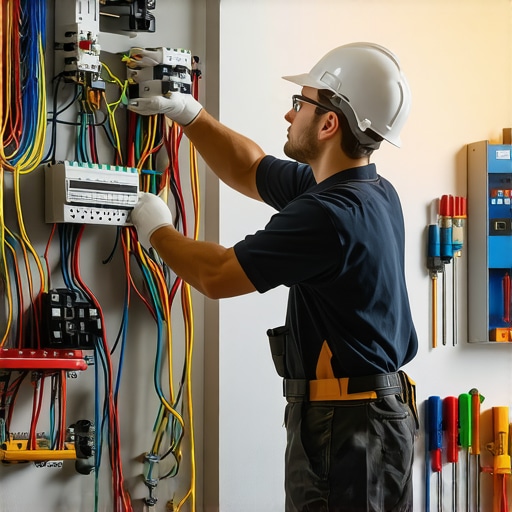
Discovering the Art of Safe Lighting: My Personal Experience
It all started when I decided to upgrade my home lighting system. As someone passionate about electrical safety, I wanted to ensure everything was perfect. Little did I know, this project would turn into a journey of learning and discovery. I faced unexpected challenges, but each hurdle reinforced the importance of proper lighting installation and troubleshooting. Sharing my story, I hope to inspire others to approach their electrical projects with confidence and safety.
Why I Emphasize Expert Lighting Installations
During my first attempt at installing new lighting fixtures, I realized the significance of professional expertise. I found that even minor mistakes could lead to dangerous situations, such as electrical faults or fire hazards. Consulting resources like this electrician guide helped me understand the nuances of safe wiring. Now, I always recommend involving licensed electricians for complex lighting projects, especially when dealing with high-voltage fixtures or smart lighting systems.
The Challenges of Troubleshooting Lighting Issues
One day, I noticed my newly installed lights flickering unexpectedly. It was frustrating, but I remembered that troubleshooting is a crucial part of maintaining safe home lighting. I explored common causes, such as loose connections or faulty switches, and learned to use a multimeter to check voltage levels. For more expert tips, I refer to this troubleshooting guide. These insights empowered me to identify issues quickly and fix them safely, avoiding potential electrical hazards.
How Do I Ensure My Home Lighting is Truly Safe?
Ensuring safety isn’t just about proper installation; it’s about regular checks and maintenance. I make it a habit to inspect my wiring and fixtures periodically. Installing ground-fault circuit interrupters (GFCIs) in key areas like the kitchen and bathroom is another safety measure I adopted. I also educate myself on smart electrical solutions, which can offer enhanced safety features. For comprehensive safety tips, this resource has been invaluable.
What are the most common mistakes homeowners make during lighting troubleshooting?
In my experience, homeowners often overlook simple issues like loose wiring or forgotten switches. Rushing into repairs without proper precautions can be risky. Always turn off the power before inspecting wiring, and if unsure, consult a professional. Sharing your experiences or asking questions can help others avoid common pitfalls—feel free to comment below!
If you’re considering a lighting upgrade or troubleshooting existing problems, remember that safety and expert guidance are key. For further assistance, don’t hesitate to contact a licensed electrician through this contact page. Together, we can create safer, smarter homes.
Unveiling the Nuances of Lighting Troubleshooting for Homeowners
While many homeowners attempt to address lighting issues themselves, understanding the complexities involved is crucial for safety and longevity. Troubleshooting isn’t just about fixing a flickering bulb; it requires a nuanced approach that considers wiring integrity, switch functionality, and electrical load management. As an experienced electrician, I recommend starting with a systematic check of your circuit breaker, ensuring that no tripped switches are causing the problem. Sometimes, what appears to be a minor flicker can be a symptom of underlying issues like loose wiring or faulty dimmers, which need professional attention.
Why Proper Troubleshooting Can Prevent Future Hazards
Incorrect troubleshooting can sometimes exacerbate existing problems, leading to dangerous situations such as electrical fires or shocks. For instance, using the wrong tools or bypassing safety procedures can cause harm or further damage to your home’s electrical system. That’s why I always advocate for a cautious, informed approach. Learning to test voltage levels safely with a multimeter, and understanding the signs of wiring degradation, can save time and prevent hazardous outcomes. For comprehensive guidance, I often refer to trusted industry resources like this troubleshooting guide. It emphasizes that safety and precision are paramount.
How Can Smart Electrical Solutions Simplify Troubleshooting?
Technology has revolutionized home lighting troubleshooting by introducing smart solutions that provide real-time diagnostics. Smart circuit breakers, for example, can alert you to overloads or faults via your smartphone, enabling proactive maintenance. Smart switches with built-in diagnostics can even identify wiring issues before they escalate. These innovations not only streamline troubleshooting but significantly improve safety. If you’re curious about upgrading your home with smart electrical solutions, explore this resource for expert tips on integrating smart systems seamlessly.
What are the most overlooked signs of wiring problems during troubleshooting?
In my experience, subtle clues like warm switches, buzzing sounds, or inconsistent lighting are often ignored or misdiagnosed. These signs can indicate serious wiring issues such as degraded insulation, loose connections, or overloaded circuits. Recognizing these early symptoms can prevent costly repairs and dangerous failures. Always remember, if you notice any oddities, switch off the power and consult a professional electrician. Sharing your observations or questions can help others learn to identify warning signs early—don’t hesitate to comment below! For detailed step-by-step troubleshooting procedures, visit this expert guide.
If you’re considering detailed diagnostics or repairs, ensure you’re equipped with the right knowledge and tools. For expert assistance, contact a licensed electrician through this contact page. Staying proactive and informed is the key to maintaining safe, reliable home lighting systems.
Unraveling the Intricacies of Modern Lighting Systems: My Personal Journey
As I delved deeper into the realm of home electrical systems, I realized that troubleshooting isn’t merely about fixing what’s broken; it’s an ongoing puzzle of understanding how interconnected components behave under various conditions. One memorable experience involved diagnosing a persistent flickering in my smart lighting setup, which seemed simple at first but revealed layers of complexity upon closer inspection. This journey taught me to appreciate the subtle nuances of wiring integrity, compatible dimmers, and load management — aspects often overlooked by homeowners but crucial for safety and performance.
Why Advanced Troubleshooting Requires Both Skill and Intuition
In my professional experience, I’ve found that effective troubleshooting balances technical knowledge with intuitive troubleshooting instincts. For instance, when I noticed that certain switches would intermittently buzz or warm up, I didn’t just replace components blindly. Instead, I methodically tested connections with a multimeter, checked for voltage fluctuations, and scrutinized the wiring harnesses for degradation. This methodical approach often uncovers hidden issues, such as degraded insulation or subtle overloads, which can pose safety hazards if left unaddressed. For detailed techniques, I recommend reviewing this comprehensive troubleshooting guide.
How Can Homeowners Detect Hidden Wiring Problems Before They Escalate?
Detecting hidden wiring issues requires a keen observational eye and a proactive mindset. Early signs include unusual warm switches, faint electrical smells, or inconsistent lighting patterns. I have learned that periodically inspecting accessible wiring, especially in older homes, can prevent major failures. Using tools like non-contact voltage testers and thermal cameras can reveal hotspots or voltage irregularities that aren’t obvious to the naked eye. Sharing your observations with a professional can be invaluable, as experts can interpret these subtle clues more accurately. For a detailed approach, explore this expert resource.
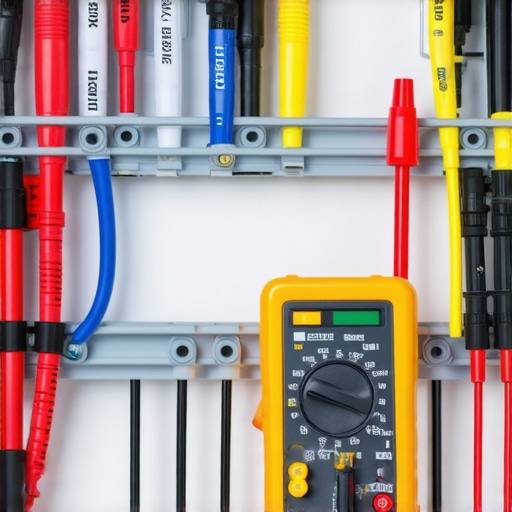
Another aspect I’ve come to appreciate is the role of smart electrical solutions in simplifying complex troubleshooting. Smart circuit breakers and diagnostic switches can offer real-time alerts about overloads or faults, significantly reducing downtime and safety risks. Integrating these systems requires careful planning, but the benefits are substantial. If you’re interested in smart upgrades, check out this guide for insights on seamless integration.
Reflections on the Continuous Learning Curve in Electrical Safety
Every troubleshooting challenge reinforces that electrical safety is a dynamic field, constantly evolving with new technologies and standards. I’ve learned that staying updated with the latest industry insights, such as those provided by reputable sources, is essential for maintaining a safe home environment. For instance, understanding how newer wiring methods or smart systems interact can prevent potential hazards like overloading or faulty connections. This ongoing learning process keeps me engaged and committed to sharing practical safety tips with homeowners and fellow electricians alike.
Have you encountered complex lighting issues in your home? What strategies or tools have you found most effective? I invite you to share your stories or questions below. Together, we can foster a community dedicated to safer, smarter electrical solutions. Remember, when in doubt, consulting a licensed electrician remains the safest step — because good troubleshooting is as much about knowing when to seek expert help as it is about technical skill.
Harnessing the Power of Diagnostic Tools in Modern Home Lighting
Over the years, my journey into electrical safety has increasingly integrated sophisticated diagnostic tools that elevate troubleshooting from guesswork to precise science. Digital multimeters, thermal imaging cameras, and non-contact voltage testers have become indispensable in my toolkit, allowing me to detect hidden wiring faults and overloads with remarkable accuracy. For instance, thermal cameras can reveal hotspots in wiring or switches that are subtly degrading, preventing potential fire hazards before they manifest visibly. Utilizing these tools not only enhances safety but also streamlines the repair process, saving time and reducing the risk of accidental shocks. For a comprehensive understanding of integrating these advanced diagnostics, I recommend reviewing this expert guide.
The Critical Role of Load Management in Lighting Safety
One aspect that often escapes casual homeowners’ notice is load management — the art of balancing electrical demand across circuits. During my extensive projects, I learned that overloading a circuit can cause flickering, tripped breakers, or worse, wiring degradation over time. Implementing dedicated circuits for high-power fixtures and smart load balancing devices can mitigate these risks. Smart electrical panels equipped with real-time monitoring capabilities provide invaluable insights into load distribution, alerting homeowners to potential overloads before they become hazardous. Embracing these advanced solutions has profoundly improved the safety and longevity of my home’s lighting system. For further insights, explore this resource on smart electrical management.
What Are the Hidden Dangers of Improper Wiring in Modern Homes?
Throughout my career, I’ve encountered numerous cases where seemingly minor wiring issues posed significant safety hazards. Subtle signs, such as inconsistent lighting, warm switches, or a persistent burning smell, can indicate degraded insulation or loose connections lurking behind walls. These issues often originate in outdated wiring or improper installation practices, emphasizing the importance of thorough inspections, especially in older homes. Recognizing these early warning signs and engaging qualified electricians for detailed diagnostics can prevent catastrophic failures. For an in-depth understanding, I recommend reading this detailed guide. Don’t hesitate to share your experiences or ask questions—community knowledge is a powerful tool in electrical safety.
How Can I Leverage Smart Home Technology to Detect Electrical Anomalies?
Smart home systems have revolutionized electrical safety by providing real-time alerts and remote diagnostics. Devices such as smart circuit breakers and load sensors can notify homeowners of overloads, surges, or potential faults via smartphone apps, enabling swift intervention. These systems also log historical data, helping identify patterns that might indicate developing issues. Integrating smart technology requires careful planning and compatibility checks, but the safety benefits are substantial. If you’re contemplating smart upgrades, I recommend exploring this expert resource to ensure seamless integration. Embracing these innovations not only simplifies troubleshooting but also empowers proactive maintenance, significantly reducing risks.
Deepening My Understanding of Load Balancing and Safety Standards
My ongoing education in electrical safety has underscored the importance of adhering to evolving standards such as the National Electrical Code (NEC) and local regulations. Modern safety standards emphasize proper load balancing, the use of GFCIs and AFCIs, and the importance of grounding and bonding. Regularly updating my knowledge through industry publications and certification courses ensures that I can implement best practices in every project. This commitment to continuous learning is vital in a field where technology and safety standards evolve rapidly. For those interested in deepening their understanding, I recommend reviewing this resource for comprehensive safety protocols and guidelines. Sharing insights and experiences within professional communities further enriches our collective expertise.
Things I Wish I Knew Earlier (or You Might Find Surprising)
Hidden Signs of Wiring Problems
One thing I learned the hard way is that subtle signs like warm switches or faint electrical smells can indicate serious wiring issues. Recognizing these early can prevent dangerous failures. I wish I had paid more attention to these clues before a small problem turned into a costly repair.
The Power of Smart Diagnostics
Using smart circuit breakers and load sensors has transformed how I troubleshoot lighting issues. These devices provide real-time alerts and detailed diagnostics, making it easier and safer to identify faults without guesswork. It’s a game-changer for proactive electrical safety.
The Importance of Load Management
Balancing electrical loads across circuits isn’t just about avoiding flickering; it’s essential for safety. I’ve seen circuits overload because of poor planning, which can lead to fire hazards. Smart panels that monitor load help me keep everything in check and ensure my home stays safe.
DIY Troubleshooting Pitfalls
Rushing into repairs without turning off power or using improper tools can be risky. I learned that even simple flickering issues sometimes hide complex problems. When in doubt, consulting a professional electrician is the safest route, especially for high-voltage or complex systems.
Advances in Electrical Safety Standards
Staying updated with evolving standards like the NEC has been crucial. Modern safety features like GFCIs and AFCIs, along with proper grounding, have improved my home’s safety. Continuous learning helps me implement best practices and protect my loved ones.
Resources I’ve Come to Trust Over Time
- National Electrical Code (NEC): This standard is my go-to for understanding modern safety requirements and ensuring code compliance in my projects. I recommend it to anyone serious about electrical safety.
- Electrical Safety Foundation International (ESFI): Their guides and safety tips have been invaluable for my ongoing education. It’s a trusted source for best practices and recent industry updates.
- Smart Home Automation Guides: Resources like this guide help me seamlessly integrate smart solutions for better troubleshooting and safety management.
Parting Thoughts from My Perspective
Reflecting on my journey with home lighting and electrical troubleshooting, I realize that safety and knowledge go hand in hand. Proper installation, regular checks, and smart technology are essential for a safe, reliable home. I encourage everyone to stay curious, keep learning, and never hesitate to seek professional help when needed. If this resonated with you, I’d love to hear your thoughts or experiences. Sharing our stories can help build a community dedicated to safer electrical practices. Remember, when it comes to home electrical safety, a little extra caution can make all the difference—so stay informed and stay safe.
Reading about the journey of upgrading home lighting and the importance of professional installation really resonated with me. I had a similar experience when I tried to install new fixtures in my living room, and I underestimated how tricky proper wiring can be, especially for smart lighting systems. I learned the hard way that even a small mistake can lead to flickering or worse, electrical hazards. Since then, I started involving licensed electricians and learned to recognize early warning signs, like warm switches or buzzing sounds, that might indicate wiring issues. It’s fascinating how smart solutions, like load sensors and smart circuit breakers, can simplify troubleshooting and enhance safety. Do others here have experience with integrating smart electrical systems? I’d love to hear what tools or methods have worked well for you in maintaining safe and reliable lighting in your home.
Reading about the personal journey of upgrading home lighting really hit home for me. I recently undertook a similar project in my basement, and I quickly realized how tiny wiring mistakes could escalate into major hazards if not handled carefully. What struck me most was the importance of regular safety checks even after installation—something I now prioritize. I’ve started using smart diagnostic tools, like load sensors and smart breakers, which have made troubleshooting much easier and more precise. It’s amazing how technology can not only streamline maintenance but also significantly boost safety. Has anyone here faced challenges integrating these smart systems into older homes? I’m curious about compatibility issues or unique solutions others have found effective. It seems like staying proactive and educated is the best approach, especially with the rapid evolution of electrical standards and smart home tech.
Your detailed sharing about the journey of upgrading lighting and troubleshooting really struck a chord with me. I’ve also found that regular safety checks, especially in older homes, are crucial since wiring degradation can be subtle but dangerous. I’ve started using thermal cameras and non-contact voltage testers, which have been game-changers for early detection of wiring issues. I agree that smart electrical solutions, like smart breakers and load management systems, can give homeowners better control and peace of mind. In my experience, compatibility can sometimes be a challenge with older wiring, but I’ve learned that consulting with professionals before making upgrades really helps avoid potential pitfalls. For those considering smart home integrations, what have your experiences been with ensuring compatibility and safety? Are there specific brands or systems you trust for reliability? Always good to remember that when in doubt, bringing in a licensed electrician is the safest step—prevention beats repair. Thanks for such an insightful post that encourages proactive safety practices!
Your detailed narrative really resonates with my own experiences in home lighting projects. I’ve found that while DIY solutions can be rewarding, they often come with hidden risks, especially when it involves complex wiring or smart systems. I recently upgraded my kitchen lighting with smart switches, but I ran into some compatibility issues with my older wiring, which took some research and professional advice to resolve. This highlights how important it is to understand your home’s unique wiring infrastructure before making upgrades. I also started using thermal cameras and non-contact voltage testers, tools you mentioned, which have been invaluable for early detection of wiring problems. My question is, how do others verify the compatibility of smart devices with their existing electrical systems? Are there particular brands or standards you trust to ensure safety and reliability? It’s clear that continuous learning and cautious approach are key to maintaining a safe, smart home.