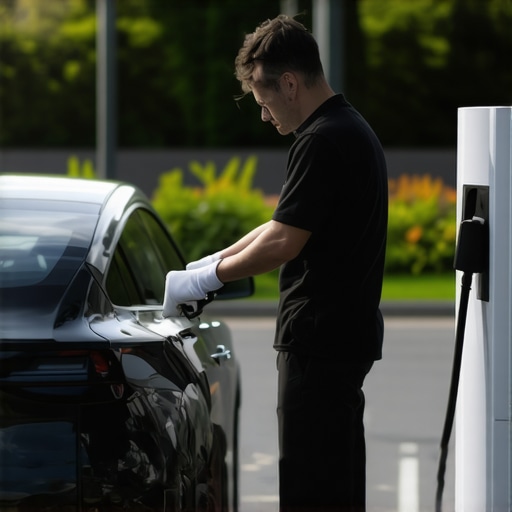
I remember the first time I tried installing my own EV charger. Everything seemed straightforward on paper, but when I flipped the breaker back on, nothing happened. No power, no lights—just a frustrating silence. That moment taught me a harsh lesson about the importance of proper electrical setup and troubleshooting skills. If you’re like I was, facing confusion and uncertainty about your EV charging system, you’re not alone. Many homeowners underestimate the complexity of electrical work and the importance of expert tips to keep everything safe and functional.
Why Your EV Charger Might Not Be Working and How to Fix It
Getting your electric vehicle charged at home should be convenient, but when issues arise, it can feel like you’re stuck in a maze of wires and confusing troubleshooting steps. The good news is, many common problems are easier to fix than you might think—once you know what to look for. I’ll share practical tips based on my experience and professional advice to help you diagnose and resolve issues quickly. From faulty connections to outdated equipment, understanding the root cause can save you time, money, and unnecessary stress.
Question: Is It Really Safe to Tackle EV Charger Troubleshooting on Your Own?
Trust me, I made a mistake early on that almost cost me dearly. I tried to bypass a faulty breaker without turning off the main power supply, thinking it was unnecessary. It’s a common mistake, but one that highlights why safety should always come first. Handling electrical components improperly can be dangerous, and in some cases, illegal if you’re not a licensed electrician. That’s why I always recommend consulting professional resources and knowing your limits. For a safer approach, check out my favorite [electrician tips for troubleshooting and installing EV chargers](https://reliableelectricpro.com/ev-charger-troubleshooting-installation-tips-for-safe-home-charging-2). It’s better to be cautious than sorry.
Whether you’re experiencing intermittent charging, a complete power failure, or just want to ensure your setup is optimal, understanding common issues can make all the difference. In the next sections, I’ll walk you through practical steps to troubleshoot your system effectively. So, have you faced this kind of problem before? If yes, don’t worry—you’re about to learn how to fix it with confidence and safety in mind.
Remember, electrical safety is paramount. If you ever feel unsure, don’t hesitate to reach out to a professional. You can find more expert advice on [ensuring a safe and efficient EV charging station setup at home](https://reliableelectricpro.com/ensuring-safe-and-efficient-ev-charging-station-setup-at-home).
Ensure Power Is Properly Supplied
Start by checking your main electrical panel. I once faced a stubborn EV charger problem when I noticed no power at the outlet. I used a multimeter to test the voltage at the breaker, confirming it was delivering 240V as expected. If your breaker isn’t supplying power, reset it or replace it if faulty. Remember, never bypass a breaker or tamper with the main panel without proper knowledge; safety always comes first. Consult an electrician if you’re unsure. For detailed tips, visit electrician troubleshooting tips.
Inspect Wiring and Connections
Loose or corroded wiring can cause charging failures. I once opened my EV charger enclosure and found a loose terminal screw. Tightening it restored the connection. Use a screwdriver to verify all wiring terminals are secure—especially at the breaker, outlet, and charger. Look for signs of corrosion or damage, which may require replacing components. If you’re uncomfortable working inside electrical devices, hire a professional. Proper connection ensures safety and reliable charging. For more on safe wiring practices, check troubleshooting tips.
Test the Outlet and Circuit
Sometimes, the issue is with the outlet itself. I used a plugin tester to verify my outlet was wired correctly and providing the right voltage. If your outlet is defective or wired incorrectly, replace or rewire it following local electrical codes. Avoid using extension cords or adapters, which can pose hazards. If you’ve confirmed the outlet works but the charger still doesn’t, move to the next step. For detailed outlet testing methods, see electric fault troubleshooting.
Confirm The Charger Compatibility and Settings
Ensure your EV charger is compatible with your vehicle and correctly configured. I once had an issue because I set the charger to a lower amperage, limiting power delivery. Adjust the settings according to the manufacturer’s instructions, often accessible via a mobile app or control panel. Also, verify that your vehicle’s charging port and the charger are compatible. If issues persist, consult the installation manual or contact support. For installation tips, visit installation guidance.
Evaluate Safety and Professional Help
If after these steps, your charger still isn’t working, it might be time to call in a professional. Never attempt complex repairs or rewiring yourself. A licensed electrician can diagnose issues beyond basic troubleshooting, ensuring your setup is safe and compliant. For trusted help, reach out via contact page and get expert assistance. Remember, safety is not optional when dealing with electrical systems.
Many homeowners believe that EV charger issues are straightforward and that following basic troubleshooting steps is all it takes to fix them. However, this common misconception can lead to costly mistakes and overlooked nuances. Let’s dig deeper into what most people get wrong about diagnosing and resolving EV charging problems, so you can avoid pitfalls and approach repairs with confidence.
Why the Myth That All Chargers Are Created Equal Is Dangerous
One of the most widespread misconceptions is that all EV chargers are universally compatible and equally simple to troubleshoot. In reality, chargers vary significantly in design, wiring requirements, and firmware. A charger designed for one vehicle model may have different wiring or communication protocols than another. Assuming a one-size-fits-all solution can cause unnecessary delays or safety hazards. For optimal performance, always verify compatibility and consult the manufacturer’s manual or expert resources like troubleshooting tips tailored to your specific model.
Be Wary of the Overconfidence in DIY Repairs
Many enthusiasts jump into DIY repairs believing that they can handle electrical troubleshooting without professional help. While minor checks like tightening loose connections are safe, bypassing safety protocols or replacing components without proper testing can be dangerous. A common trap is misdiagnosing a faulty circuit breaker or wiring issue, which could lead to electrical fires or damage. Remember, advanced issues such as internal component failures often require specialized testing equipment and expertise. If in doubt, reach out through professional assistance.
What Advanced Issues Might Be Behind Your Charging Woes?
Beyond the typical loose wiring or tripped breaker, there are nuanced problems that often go unnoticed. For example, firmware incompatibility or communication errors between your vehicle and the charger can cause intermittent failures. Additionally, hidden corrosion within wiring connectors or subtle voltage drops might not be detectable with basic tests. These advanced issues are traps for the unwary, leading to repeated failures if not properly diagnosed. For a comprehensive approach, consider consulting detailed guides like lighting installation troubleshooting that share insights on complex electrical diagnostics.
Have you ever fallen into this trap? Let me know in the comments. Remember, understanding these hidden nuances can save you time, money, and ensure your safety. Always prioritize safety and consult experts when dealing with complex electrical systems. If you’d like to improve your troubleshooting skills further, check out top maintenance tips for EV chargers to keep everything running smoothly.
Invest in Quality Testing Equipment
When it comes to maintaining your EV charging setup, having reliable tools is crucial. I personally rely on a high-quality multimeter like the Fluke 87V, which provides precise voltage and continuity readings. This helps me quickly identify wiring issues or faulty outlets without guesswork. Additionally, a circuit tester, such as the Klein Tools ET600, is invaluable for confirming proper wiring and grounding, preventing potential hazards.
Use Dedicated Software for Diagnostics
Modern EV chargers often come with companion apps that provide real-time diagnostics and firmware updates. I recommend regularly checking these apps to monitor your charger’s health, update firmware, and troubleshoot minor issues remotely. This proactive approach extends the lifespan of your equipment and minimizes unexpected failures. Manufacturers like ChargePoint and Tesla offer robust diagnostic tools—make sure to familiarize yourself with your specific model’s software features.
Implement Routine Visual Inspections
Beyond technical tools, simple visual checks go a long way. I schedule monthly inspections of the wiring, connectors, and enclosure for signs of corrosion, loose connections, or wear. Early detection of these problems prevents costly repairs down the line and ensures safety. Remember, cleanliness and organization around your charging station reduce risks and improve reliability.
Schedule Professional Maintenance
While DIY checks are helpful, I highly recommend periodic professional inspections. Certified electricians can perform detailed testing, including insulation resistance measurements and load testing, which are beyond the scope of standard tools. They can also verify compliance with local electrical codes, ensuring your setup remains safe and efficient. Establishing a maintenance schedule with an electrician can significantly improve long-term performance.
Looking Ahead: Embracing Smart Monitoring
The future of EV charger maintenance is moving toward smart solutions. IoT-enabled devices can continuously monitor performance and alert you to issues before they become serious. I predict that integrating sensors with home automation systems will become standard, reducing manual checks and optimizing charging efficiency. Staying ahead with these innovations will keep your system reliable for years to come.
How do I maintain my EV charger over time?
Consistent maintenance involves routine visual inspections, using quality diagnostic tools, staying updated with software releases, and scheduling professional check-ups. Combining these approaches ensures longevity and safety, saving you money and stress in the long run. For more detailed maintenance strategies, visit top EV charger maintenance tips.
Don’t forget, a well-maintained system is your best defense against unexpected failures. Try setting a monthly inspection routine and use your multimeter to verify wiring integrity — a small investment of time that pays off in peace of mind.
The Hardest Lesson I Learned About EV Charger Troubleshooting
One of my biggest lightbulb moments came when I realized that rushing into repairs without proper safety measures can lead to dangerous situations. I once tried to reset a breaker without turning off the main power, and nearly shocked myself. This taught me the importance of always prioritizing safety, consulting professional resources, and understanding my limits before tackling electrical issues.
3 Myths About EV Charger Maintenance That Held Me Back
I used to believe that if my charger wasn’t working perfectly, replacing it completely was the only solution. Over time, I learned that many problems stem from simple wiring issues or outdated firmware, which can often be fixed with proper diagnostics and updates. Knowing this saved me time and money, and prevented unnecessary replacements.
What Experts Won’t Tell You About DIY Troubleshooting
Many of us underestimate the complexity of electrical systems. I discovered that even seemingly minor tasks, like tightening loose wiring, require proper tools and techniques. Without the right knowledge, you risk creating hazards or causing further damage. Always remember, when in doubt, professional help is your safest choice.
My Essential Toolkit for EV Charger Troubleshooting
Having a high-quality multimeter like the Fluke 87V and a reliable circuit tester has transformed my maintenance routine. These tools help me quickly identify voltage issues and wiring problems, giving me confidence in my repairs. Investing in good diagnostic equipment is essential for safe and effective troubleshooting.
Where to Go from Here
If you’re serious about maintaining your EV charger, consider reading trusted guides on top maintenance tips and always stay updated with manufacturer software releases. Developing a routine of regular inspections and professional check-ups will ensure your system remains safe, reliable, and efficient for years to come.
Your Turn to Try
What’s the biggest electrical challenge you’ve faced with your EV charger, and how did you overcome it? Share your experiences below and let’s learn from each other’s mistakes and successes. Remember, a little knowledge and caution go a long way in keeping your home safe and your EV ready to roll!
Reading through this detailed post really hit home for me. I remember my first attempt at installing an EV charger, and I faced the same frustrating silence when I flipped the breaker. What many don’t realize is how critical proper wiring and safety checks are — I had a loose terminal that caused intermittent issues, which I only discovered after using a multimeter. It’s clear that having good diagnostic tools and understanding your electrical panel can save a lot of headaches. I’ve also learned that even small things like voltage drops or corrosion can cause significant problems. Have others noticed how firmware updates on smart chargers can also resolve compatibility issues? I’ve found that regular software checks combined with physical inspections keep my system running smoothly. Would love to hear how others approach maintaining their chargers long-term—any tips for DIY safety upgrades or identifying hidden problems?
This post really resonates with me because I’ve learned firsthand how important proper wiring and safety checks are when installing or troubleshooting an EV charger. Once, I encountered a similar issue where my charger refused to power up, and it turned out to be a loose connection inside the outlet. Using a multimeter to test voltage at the circuit was a game changer—it saved me a lot of time and money by catching the problem early. I also agree that firmware updates can make a huge difference in resolving compatibility issues, especially with smart chargers that rely heavily on software communication. I’ve found that keeping the charger’s firmware up to date and performing regular physical inspections helps maintain reliability. For anyone new to DIY troubleshooting, I’d emphasize the importance of using quality tools and never bypass safety procedures. Have others experienced subtle signs of wiring corrosion or voltage drops that weren’t initially obvious but caused issues over time? It’s those small details that can prevent major headaches later on.
Your story really illustrates how critical proper troubleshooting can be, especially for DIYers. I remember a similar situation where I overlooked a simple loose connection that prevented my charger from working, leading to hours of frustration. The key takeaway for me was to always double-check wiring and connections first, using a quality multimeter. I’ve also found that keeping the firmware updated is vital to avoid unexpected glitches, particularly with newer smart chargers. One thing I’ve learned over time is that subtle signs like slight corrosion or inconsistent voltage readings can be early indicators of bigger issues down the line. Has anyone else experimented with advanced diagnostic tools or specific brand apps to monitor their chargers continuously? I believe integrating smart monitoring and routine inspections can really prolong the lifespan of your setup. What are your favorite tools or methods for regular maintenance that help prevent bigger failures? Looking forward to hearing everyone’s tips on keeping our EV charging systems in top shape.