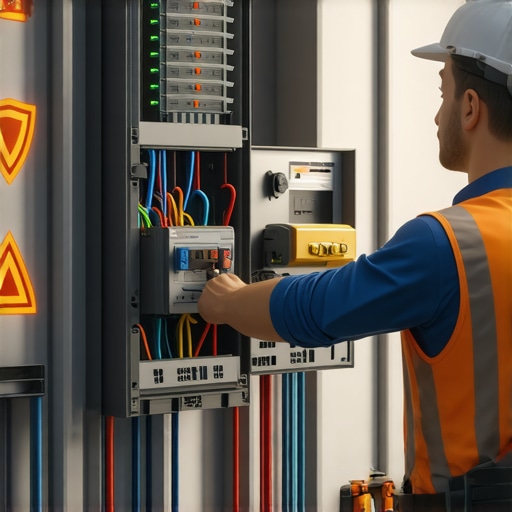
Ever had that moment when you flip a switch and… nothing. No lights, no flicker, just a frustrating blackout right when you need illumination most? I’ve been there, fumbling around in the dark, feeling the frustration build as I wondered if I’d somehow caused the problem myself. It’s a common scenario that many homeowners face, and it’s enough to make you question whether tackling electrical issues yourself is worth the risk.
Why Troubleshooting Your Home’s Lighting Matters More Than Ever
Lighting isn’t just about brightness; it’s about safety, efficiency, and peace of mind. When your lights flicker or go out unexpectedly, it could be a sign of a deeper electrical problem. Ignoring these warning signs can lead to dangerous situations, from electrical fires to damaged appliances. I learned this the hard way early in my DIY days when I tried to fix a flickering fixture without proper knowledge. That mistake cost me more than just time—it was a wake-up call to respect electrical safety.
Today, I want to share some practical troubleshooting tips that can save you from potential hazards. Whether it’s a faulty switch, a dead circuit, or an outdated wiring system, understanding the basics can make a huge difference. And if you’re ever unsure, don’t hesitate to contact a professional. ReliableElectricPro offers expert guidance and safe solutions, which you can explore at their contact page.
Is DIY Electrical Fixing Worth the Risk?
This is the question I wrestled with initially. My early mistake was assuming that flickering lights were a simple fix. Turns out, what seemed like a minor issue could be a sign of a serious fault. According to electrical safety experts, attempting repairs without proper training can lead to shock or fire hazards. So, what’s the best approach? Knowing when to troubleshoot and when to call in a pro is key.
In the sections ahead, I’ll walk you through essential safety tips and troubleshooting steps to identify common lighting problems. From inspecting your switches to understanding circuit breakers, you’ll learn how to handle minor issues safely and effectively. Remember, safety always comes first. For more complex issues, professional electricians are just a click away at this resource. Let’s get started so you can keep your home safe, bright, and worry-free!
Check Your Circuit Breaker First
My first real success in troubleshooting came when I flipped the main circuit breaker and watched the lights flicker back on. Locate your breaker panel, usually in the basement or utility closet, and look for a switch that has tripped—often in the off position or a different color. Reset it by flipping it fully off, then back on. If it trips again immediately, that’s a sign of a deeper wiring issue. Remember, always turn off the main power before inspecting wiring to avoid shocks.
Inspect Switches and Light Fixtures Carefully
Once power is restored, test individual switches. I once had a dimmer switch causing flickering because of loose wiring. To check, turn off the switch and remove the faceplate with a screwdriver. Tighten the wire connections—make sure they’re snug but not stripped. Replace the faceplate and turn the power back on. If flickering persists, replace the switch entirely or consider professional help. Expert lighting troubleshooting can guide you through complex repairs.
Test the Bulb and Fixture
Sometimes the issue isn’t wiring but the bulb itself. Swap out the bulb with a new one to see if the problem persists. If the fixture flickers or doesn’t turn on, inspect the socket for corrosion or damage. Clean or replace if necessary. I once replaced a socket that had corroded contacts, which instantly solved a flickering problem. Keep spare bulbs and sockets on hand for quick fixes.
Examine Your Circuit Wiring for Faults
Wiring issues can be subtle. Turn off power and use a multimeter to test for voltage at the fixture. If you notice inconsistent readings, suspect damaged or loose wiring. Look for frayed or burnt wires in accessible junction boxes. If you find damaged wiring, do not attempt to repair it yourself unless you are qualified. Instead, consult a professional or visit Reliable Electric Pro for expert assistance.
Identify Overloaded Circuits
If multiple devices are plugged into the same circuit, it may overload, causing lights to flicker or go out. Reduce load by unplugging some devices and see if the problem resolves. Consider installing dedicated circuits for heavy appliances or EV chargers. Proper load management prevents overheating and hazards. For detailed guidance, check out EV charger troubleshooting tips.
Ensure Proper Grounding and Connections
Loose or improper grounding can cause flickering and safety hazards. Look for loose terminal screws on switches, outlets, and fixtures. Tighten them carefully. If you’re unsure about grounding, don’t take chances—call a licensed electrician. Proper grounding is crucial for safety and efficiency. Learn more about safe setups at home EV charging safety.
When to Call a Professional
If troubleshooting doesn’t resolve the issue or if you notice burning smells, sparks, or persistent tripping, stop immediately. These are signs of serious faults. Contact a licensed electrician like Reliable Electric Pro for expert diagnosis and repair. Remember, electrical safety is non-negotiable—never compromise for a quick fix.
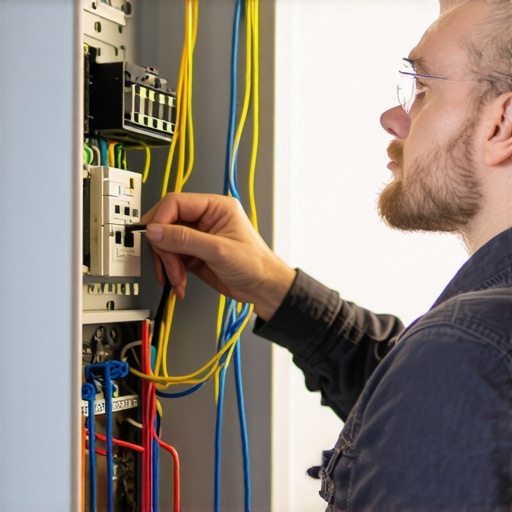
Many homeowners believe that troubleshooting electrical issues, especially lighting problems, is straightforward and safe as long as they follow basic guides. However, this misconception can lead to serious mistakes that compromise safety and system integrity. In my experience, one of the most overlooked nuances is the false sense of security that comes from relying solely on visual cues, like flickering or dimming lights, without understanding the underlying electrical architecture.
For example, a widespread myth is that flickering lights are always caused by loose bulbs or switches. While these are common culprits, persistent flickering can also indicate wiring faults, overloaded circuits, or faulty grounding—issues that require more sophisticated diagnosis. Jumping to replace a switch or bulb without checking the circuit wiring can leave hidden problems unresolved, potentially causing electrical fires or damage to appliances. This is why understanding the nuances of wiring and circuit design is crucial for anyone serious about electrical troubleshooting. For a detailed breakdown of how electricians approach these issues, consider exploring how electricians troubleshoot lighting problems.
Why Do Overlooking Grounding Cause More Than Just Flickering?
One advanced mistake I often see is neglecting proper grounding during repairs. Many assume that only visible issues like sparking or shocks require immediate attention, but improper grounding can silently cause flickering, surges, and even long-term damage to your electrical system. Grounding ensures that excess current has a safe path to earth, preventing dangerous voltage fluctuations. According to the National Fire Protection Association (NFPA), improper grounding is a leading cause of electrical fires in residential settings. Therefore, even if your lights flicker intermittently, it’s prudent to verify grounding connections or consult professionals to prevent future hazards. For guidance on ensuring safe grounding practices, I recommend visiting how to set up a safe electrical system at home.
Another common misconception is that circuit breakers are infallible. Many think that once a breaker trips, resetting it will always fix the problem. But repeated trips often point to underlying issues like damaged wiring, short circuits, or overloaded panels. Ignoring these signs and simply resetting breakers can lead to catastrophic failures or fires. Skilled electricians use specialized tools to analyze breaker trips, identifying root causes before resetting. If you want to learn more about how experienced professionals troubleshoot these faults, check out electric faults troubleshooting tips.
Finally, advanced troubleshooting involves understanding that not all flickering or outages are internal. External factors like grid fluctuations or power surges can affect your home’s lighting. Installing surge protectors or uninterruptible power supplies (UPS) can be a proactive solution. These devices safeguard your wiring and appliances from voltage spikes, reducing the risk of damage. For more insights into protecting your home’s electrical system, visit expert tips for reliable electrical setups.
Have you ever fallen into this trap of oversimplifying electrical troubleshooting? Let me know in the comments. Remember, when in doubt, consulting a licensed electrician is always the safest choice to ensure your home remains secure and fully functional.
Keep Your Home Running Smoothly with the Right Tools
Maintaining a safe and efficient electrical system in your home isn’t just a one-time effort; it requires the right tools and a consistent approach. Over the years, I’ve refined my toolkit to include equipment that not only helps me troubleshoot effectively but also ensures long-term reliability. One of my go-to pieces of equipment is a high-quality multimeter. I use a Fluke 117 because of its accuracy and durability—it’s essential for measuring voltage, current, and resistance without guesswork. This multimeter has saved me countless hours diagnosing wiring issues, especially when checking for proper grounding or voltage consistency.
Another vital tool is a non-contact voltage tester. I prefer the Klein Tools NCVT-3 because it allows me to quickly verify if a circuit is live without risking a shock. It’s particularly useful when working on switches and outlets, providing instant reassurance before I start any work. Safety is paramount, and having a reliable tester helps prevent accidents.
For inspecting wiring and connections, I rely on a set of insulated screwdrivers and wire strippers. I personally favor Klein’s insulated screwdrivers—they’re designed to prevent accidental shocks when loosening or tightening terminal screws. Wire strippers from Klein or Knipex are my favorites because they make clean cuts and strip wires without damaging the conductors, which is crucial for maintaining system integrity over time.
When it comes to long-term maintenance, I recommend keeping a digital inspection camera. This tiny device allows you to peek into junction boxes or behind walls where visual inspection is difficult. I use the Depstech endoscope because its flexible cable and high-resolution camera make it easy to spot damage, corrosion, or loose connections that could cause flickering or outages.
In addition to hardware, software tools like circuit mapping apps can be game-changers. I use a smartphone app that helps me document wiring layouts, which is invaluable when troubleshooting complex circuits or planning upgrades. These tools help keep track of wiring changes and ensure everything remains compliant with safety standards.
How do I maintain my electrical system over time?
Regular inspections are key. Schedule a professional check-up at least once every couple of years, especially if your system is older. During inspections, ask your electrician to test grounding, verify circuit loads, and inspect for signs of wear or corrosion. Using these tools consistently helps identify potential issues early, preventing costly repairs or dangerous faults down the line.
Looking ahead, I predict that smart diagnostic tools will become more integrated into home electrical maintenance. Devices capable of wireless connectivity could monitor your system in real-time, alerting you to issues before they escalate. As technology advances, staying equipped with the latest tools will ensure your home’s electrical health remains robust and reliable.
If you’re serious about keeping your electrical system in top shape, I highly recommend trying out a digital inspection camera or updating your multimeter to a model with true RMS capabilities. These investments make a tangible difference in diagnosing and preventing issues. For professional guidance or complex repairs, don’t hesitate to contact a licensed electrician at Reliable Electric Pro.
The Hardest Lesson I Learned About Electrical Troubleshooting
One of the most impactful lessons I learned was that not every flickering light is a simple fix. Sometimes, it’s a sign of deeper wiring issues or grounding problems that aren’t immediately visible. Jumping straight to replacing switches or bulbs without proper diagnosis can mask bigger hazards, risking fire or shock. This taught me to always approach electrical issues with respect and caution, recognizing that safety and thoroughness are key.
My Eye-Opening Experience with Overloaded Circuits
I once ignored the signs of an overloaded circuit, thinking that unplugging a few devices would resolve the flickering. Instead, I learned that multiple heavy appliances sharing a circuit can cause intermittent outages and damage over time. Distributing the load and consulting a professional electrician helped me prevent future issues and kept my home safer. It’s a reminder that understanding your home’s electrical capacity is vital for long-term reliability.
The Quiet Danger of Poor Grounding
Initially, I underestimated how improper grounding could silently cause flickering and surges. It’s not always sparks or shocks; sometimes, the danger is invisible. Proper grounding ensures safety and prevents long-term damage, yet many homeowners overlook it. Investing in a professional inspection or learning how grounding works can make all the difference in maintaining a safe electrical environment.
Where I Found My Best Resources for Troubleshooting
My go-to tools include a high-quality multimeter like the Fluke 117, trusted for its accuracy in diagnosing voltage issues. I also rely on Klein Tools’ non-contact voltage testers for quick safety checks, and a digital inspection camera helps me peek into junction boxes safely. These tools, combined with trusted guides like expert troubleshooting tips, empower me to handle most issues confidently while knowing when to call in the pros.
Take Action and Keep Your Home Safe
Every electrical problem is an opportunity to learn and improve your home’s safety. With the right knowledge, tools, and cautious approach, you can troubleshoot effectively and prevent serious hazards. Remember, safety always comes first—don’t hesitate to seek professional help when needed. Your home’s electrical health is worth the effort, ensuring brighter, safer days ahead.
This post really resonated with me, especially the part about grounding and its silent risks. I’ve encountered situations where flickering lights turned out to be grounding issues that I initially overlooked. It’s a reminder that electrical troubleshooting isn’t just about the visible symptoms but understanding the underlying wiring and safety systems. Personally, I’ve found that regular inspections with a reliable multimeter have prevented bigger problems down the line.
One thing I’ve struggled with is identifying when a circuit is truly overloaded versus experiencing a temporary glitch. Has anyone found effective ways to distinguish between the two without extensive testing? I’d love to hear tips or personal experiences on managing circuit loads more proactively. This kind of knowledge can really make a difference in avoiding emergency repairs and ensuring home safety.