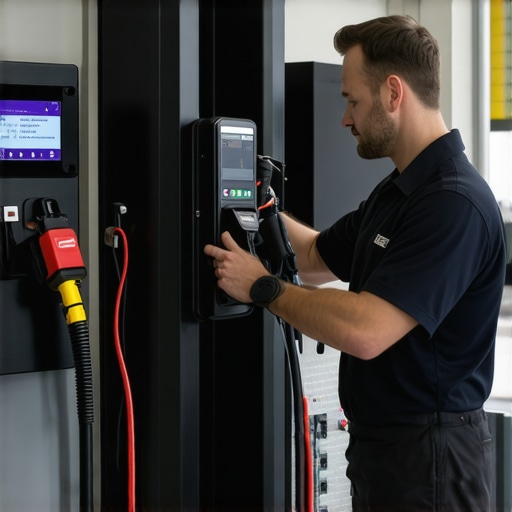
My Journey into EV Charger Troubleshooting: A Personal Perspective
Recently, I faced a frustrating issue with my electric vehicle charger. It suddenly stopped working, and I felt a surge of worry—was it a wiring problem or something more complex? My experience taught me that understanding basic troubleshooting tips can save a lot of time and ensure safety. As someone passionate about electrical safety and efficiency, I want to share some of my insights to help others navigate similar challenges.
Why Proper Installation Matters: My First Lesson
When I first decided to install an EV charger at home, I underestimated the importance of professional setup. A safe, code-compliant installation is key to preventing hazards. I learned that consulting with licensed electricians ensures your setup adheres to local electrical codes. For comprehensive guidance, I recommend reviewing resources like this expert article on safe EV station setup.
Common Troubleshooting Tips for EV Chargers: What I’ve Discovered
One of the first things I check when an EV charger malfunctions is the power source. Ensuring the circuit breaker hasn’t tripped is crucial. I also inspect the charging cable and connectors for damage. Sometimes, a simple reset or reinstall can fix minor issues. For more detailed troubleshooting steps, I suggest exploring this troubleshooting guide.
How Do I Know When to Call an Electrician?
What are the signs that indicate a complex electrical fault requiring professional intervention?
If your charger continues to malfunction after basic checks—like resetting the breaker or replacing the cable—it’s time to consult a professional. Signs include persistent tripping of breakers, burning smells, or visible damage to wiring. An expert electrician can diagnose and resolve issues more safely and efficiently, preventing potential hazards. Remember, electrical work can be dangerous if not handled properly, so when in doubt, seek professional help.
If you’re unsure about your setup or troubleshooting steps, don’t hesitate to contact a qualified electrician. I’ve found that a quick professional inspection not only solves the problem but also provides peace of mind.
Sharing Experiences and Further Resources
Have you faced issues with your EV charger? Share your experiences in the comments—I’d love to hear what worked for you! Additionally, staying informed about the latest safety standards and installation tips can make a huge difference. For ongoing updates, I recommend checking out this comprehensive guide.
Electrical safety and efficient troubleshooting are ongoing learning processes. Trust me, investing time in understanding your system can save money and prevent accidents. Remember, always prioritize safety and professional advice when dealing with electrical installations.
Diagnosing Complex Electrical Faults in Your EV Charger: An Expert’s Perspective
When basic troubleshooting fails to resolve EV charger issues, it’s time to consider more nuanced electrical diagnostics. Persistent breaker trips, unexplained power surges, or inconsistent charging speeds are often symptoms of underlying wiring problems or faulty components. In such cases, employing advanced diagnostic tools like clamp meters, circuit analyzers, or thermal imaging cameras can reveal hidden faults—such as loose connections, insulation breakdown, or overloaded circuits. These issues, if left unaddressed, can lead to safety hazards or damage to your vehicle’s charging system.
For a thorough approach, consulting a licensed electrician with experience in EV infrastructure is essential. They can perform detailed inspections, including testing the integrity of wiring, verifying grounding, and ensuring compliance with local electrical codes. Proper diagnostic procedures not only identify root causes but also prevent future complications, saving homeowners money and ensuring safety. To deepen your understanding, explore this expert troubleshooting guide.
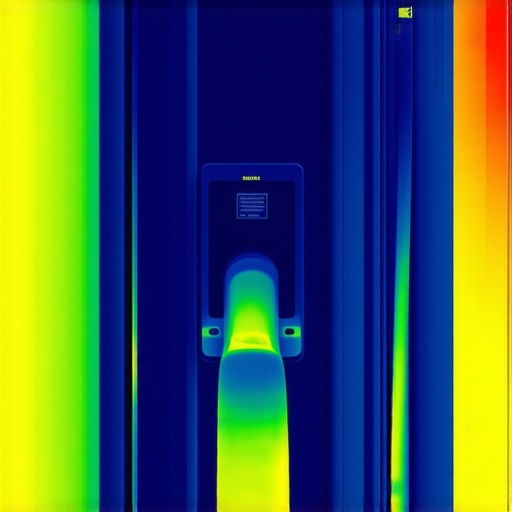
What are the key indicators that an electrical fault exceeds simple fixes and requires expert intervention?
Indicators include persistent breaker tripping despite resets, signs of electrical overheating such as discoloration or melting insulation, and consistent communication errors between the charger and vehicle. If you notice burning smells or visible damage, it’s critical to call in a professional. An electrician can perform comprehensive testing, including insulation resistance measurements and load analysis, to pinpoint complex faults. Recognizing these signs early can prevent costly repairs and mitigate safety risks. Remember, attempting to fix serious electrical faults without proper training can be dangerous; always prioritize safety and professional assistance.
For safe and reliable EV charging, regular maintenance and inspections are vital. Consider scheduling periodic professional check-ups, especially if your charger experiences frequent issues. For expert advice on maintenance routines, visit this resource and keep your system in top shape.
How Can I Prevent Future Troubles with My EV Charging Station?
Prevention starts with proper installation, which includes choosing the right circuit breaker, ensuring adequate wiring, and installing surge protection. Regular inspections can catch wear and tear before it becomes a problem. Additionally, keeping the charging area free from moisture, debris, or physical damage helps maintain safety and efficiency. Upgrading to smart chargers that provide diagnostic feedback can also alert you to potential issues early. For detailed guidance on installation and ongoing maintenance, I recommend reviewing this comprehensive guide.
Unraveling the Mysteries of Persistent Electrical Faults: A Personal Reflection
Over the years, my journey with EV chargers has been filled with moments of learning, especially when faced with faults that defy simple fixes. One particularly challenging instance involved an intermittent charging issue that seemed to appear randomly, despite all basic troubleshooting steps. This experience made me realize that some problems are rooted deep within the wiring or component integrity, requiring a more nuanced diagnostic approach. It’s akin to detective work—each symptom pointing to different potential culprits, demanding patience and a keen eye for detail.
Advanced Diagnostic Techniques: A Personal Exploration
To tackle such complex faults, I began exploring advanced diagnostic tools, like thermal imaging cameras, which can reveal hidden hotspots indicating overloaded or loose connections. Using a clamp meter to measure current flow at various points helped me identify discrepancies that pointed to insulation breakdown or faulty contacts. I found that documenting these readings over time provided insight into patterns—crucial for diagnosing issues that aren’t constant. Such methods, while requiring some technical familiarity, are invaluable for homeowners who wish to go beyond basic checks and truly understand their systems.
What Deepens the Complexity? The Subtle Signs of Hidden Faults
How can subtle signs like minor discoloration or slight odor indicate deeper electrical issues?
In my experience, minor discoloration of wiring insulation or a faint burning smell often precede more serious failures. These signs might seem insignificant at first but can be early warnings of insulation degradation or thermal stress. Recognizing these cues early can prevent catastrophic failures or safety hazards. For instance, I had a situation where a slight discoloration near a junction box was overlooked, until it culminated in a breaker trip during a storm. Consulting with an expert electrician at this stage can make all the difference—sometimes, a simple wiring upgrade or reinforcement is all that’s needed to restore safety and functionality. For those interested in the nuances of diagnosing such subtle issues, I recommend reviewing this comprehensive troubleshooting guide.
Preemptive Measures: My Approach to Future-Proofing
Preventing future electrical faults isn’t just about reacting to problems; it’s about proactive maintenance and thoughtful system design. I now prioritize regular inspections, especially after severe weather events or if I notice any irregularities in charging performance. Upgrading to smart chargers that monitor their own health status has been a game-changer—offering early alerts before issues become severe. Additionally, I’ve learned the importance of ensuring proper grounding and surge protection, which safeguard against transient voltage spikes that can damage sensitive components. For those looking to enhance their setup, I suggest reviewing this guide on safe and efficient EV station setup. Keeping a maintenance log can also help track recurring issues and plan timely interventions.
Engaging with the Community: Sharing Insights and Learning
One of the most valuable aspects of my journey has been engaging with other EV owners and electricians. Sharing experiences, whether it’s a mysterious fault or a successful fix, enriches everyone’s understanding. I encourage you to comment below with your own troubleshooting stories—sometimes, a fresh perspective can uncover overlooked clues. Additionally, staying informed through authoritative resources helps me stay ahead of potential issues. If you’re interested, exploring this expert tips page can provide further insights into tackling complex problems.
Final Reflection: Embracing Continuous Learning in Electrical Safety
My experience has reinforced that electrical troubleshooting is an ongoing learning process. Each fault, especially the complex ones, pushes me to deepen my understanding and refine my skills. The investment of time and curiosity pays off—not just in saving money or avoiding hazards, but in gaining confidence and peace of mind. Remember, when in doubt, consulting a licensed electrician is always the safest choice. After all, electrical systems are intricate, and safety should never be compromised. If you’re eager to learn more or need professional assistance, don’t hesitate to reach out to a qualified electrician. Your safety and peace of mind are worth it.
Decoding Deep Electrical Faults in EV Chargers: A Personal Expert’s Insight
Venturing beyond basic troubleshooting, I’ve encountered scenarios where persistent faults demand a meticulous, layered diagnostic approach. These issues often manifest subtly—occasional charging interruptions, fluctuating power levels, or thermal anomalies that elude initial assessments. My experience underscores the importance of employing sophisticated tools and analytical techniques to uncover underlying problems that could compromise safety and performance.
Advanced Techniques for Pinpointing Hidden Faults
One of my most valuable discoveries was integrating thermal imaging technology into my diagnostic arsenal. This approach reveals hotspots indicating loose connections, overloaded circuits, or insulation breakdown—problems invisible to the naked eye. Additionally, using clamp meters to measure current at various points allowed me to detect irregularities such as unbalanced loads or unexpected current drops, which often point to wiring degradation or faulty components. This expert troubleshooting guide emphasizes the importance of combining multiple diagnostic methods for comprehensive analysis.
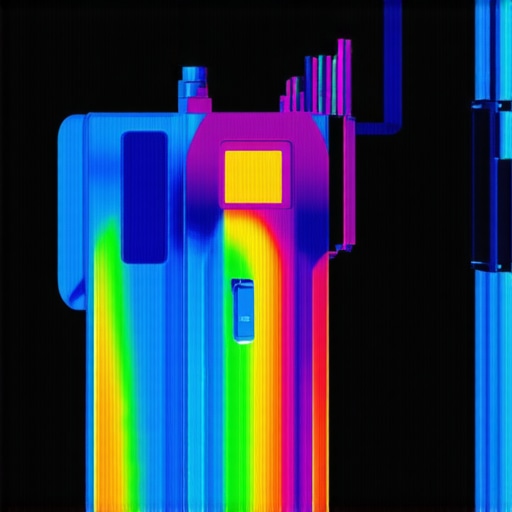
How can subtle signs like minor discoloration or slight odors indicate deeper electrical issues?
In my journey, I’ve learned that seemingly insignificant signs—such as slight discoloration on wiring insulation or a faint burning smell—are often precursors to serious faults. These cues suggest insulation degradation or thermal stress, which, if left unaddressed, can lead to catastrophic failures or safety hazards. Recognizing these early indicators and consulting qualified electricians can prevent costly repairs and ensure ongoing safety. For detailed insights, I recommend reviewing this comprehensive troubleshooting resource.
Strategies for Preemptive Maintenance and Fault Prevention
Prevention starts with systematic inspections and proactive upgrades. I’ve adopted the practice of scheduling periodic professional evaluations, especially after severe weather events or if irregularities occur during charging. Installing smart chargers equipped with diagnostic feedback provides early warnings of potential issues, enabling timely interventions. Additionally, ensuring proper grounding, surge protection, and adherence to best practices in wiring and component selection significantly reduces the risk of faults. For detailed maintenance routines, I recommend exploring this authoritative guide.
Engaging with the Electrical Community for Deeper Insights
Sharing experiences with fellow EV enthusiasts and professional electricians has enriched my understanding. Whether discussing mysterious intermittent faults or successful repair strategies, collective knowledge accelerates problem-solving. I invite you to share your troubleshooting stories in the comments or explore expert advice through this dedicated resource. Engaging with the community fosters continuous learning and keeps your system resilient against future challenges.
Things I Wish I Knew Earlier (or You Might Find Surprising)
1. Not All Problems Are Equal
Early on, I thought a simple reset would fix most issues. Turns out, some faults hide deep within the wiring or faulty components, requiring a more detailed diagnostic approach. It’s a reminder that electrical problems can be complex, and patience is key.
2. Subtle Signs Signal Bigger Issues
Minor discoloration or a faint burning smell often precede serious faults. Recognizing these early warnings can save you from costly repairs or safety hazards, especially if caught before a complete failure occurs.
3. The Power of Advanced Tools
Using thermal imaging cameras and clamp meters transformed my troubleshooting. These tools revealed hotspots and current discrepancies that simple checks missed, making complex faults much easier to diagnose.
4. Regular Maintenance Pays Off
Scheduled inspections and upgrades, like installing surge protectors and smart chargers, help prevent many issues. Staying proactive rather than reactive keeps your charging station reliable and safe.
5. Community Knowledge Is Invaluable
Sharing experiences with other EV owners and electricians provided insights I couldn’t find in manuals. Engaging with the community accelerates learning and helps troubleshoot tricky problems effectively.
Resources I’ve Come to Trust Over Time
- Reliable Electric Pro Blog: A treasure trove of practical tips and detailed guides that helped me understand the nuances of electrical troubleshooting. I highly recommend it for both beginners and seasoned DIYers.
- National Electrical Code (NEC): The official safety standards document that ensures your setup adheres to legal and safety requirements. Always a trusted resource for electricians and homeowners alike.
- Electrical Safety Foundation International (ESFI): Offers essential safety guidelines and updates on electrical hazards. It’s a go-to for keeping safety at the forefront of any electrical work.
Parting Thoughts from My Perspective
My journey into troubleshooting EV chargers has been an eye-opening experience that underscored the importance of safety, patience, and continuous learning. Understanding the subtle signs of deeper electrical issues and leveraging advanced diagnostic tools can make all the difference. If you’re dealing with similar challenges, remember that professional help is invaluable when problems go beyond basic fixes. Stay curious, stay safe, and don’t hesitate to reach out to qualified electricians when needed. If this resonated with you, I’d love to hear your thoughts or stories—share them in the comments or contact me through this link.
Reading through this personal journey really resonated with me because I’ve encountered similar issues with my own EV charger. I learned early on that regular inspections, especially with thermal imaging tools, can reveal hidden hotspots that often lead to bigger problems if left unchecked. I especially agree with the importance of professional diagnostics when simple resets and checks don’t resolve the issue. In my experience, understanding the subtle signs like slight discoloration or odd odors can be critical in catching wiring faults early, which makes preventive maintenance so vital. Have others here found that upgrading to smart chargers with diagnostic feedback significantly reduces unexpected faults? I’d love to hear how everyone manages ongoing maintenance to keep their systems running smoothly and safely over time.
This post really hits close to home for me, especially the part about diagnosing complex faults. I had a similar experience where intermittent charging issues turned out to be loose wiring connections behind the wall. Using thermal imaging was a game changer—being able to visually spot hotspots that weren’t obvious otherwise helped me avoid more costly repairs later. It’s amazing how subtle signs like a faint burning smell or slight discoloration can be early warnings of underlying problems. I’m curious—does anyone recommend specific brands of smart chargers that provide reliable diagnostic feedback? I’ve been considering an upgrade myself, but want to ensure it’s worth the investment. Also, I wonder how often others perform routine inspections—do you all schedule it annually or only when issues arise? Would love to hear other tips on maintaining safe and efficient EV charging setups.
Your personal journey really highlights the importance of proactive maintenance and professional diagnostics, especially as EV technology becomes more advanced. I’ve experienced similar issues where simple resets didn’t solve the problem, and thermal imaging revealed hidden hotspots that pointed to loose wiring or overloaded circuits. It’s fascinating how subtle signs like a faint smell or discoloration can be early warnings of deeper issues. I’ve been thinking of upgrading to a smart charger myself, one that offers diagnostic feedback and alerts for potential problems. Does anyone have recommendations on reliable brands or models that are user-friendly yet effective for home use? Additionally, how often do others schedule inspections—annually or only when encountering issues? I believe investing in these steps and good diagnostic tools can really save time and prevent safety hazards in the long run.
Reading this detailed personal account really underscores how important a proactive approach to EV charger maintenance can be. I’ve experienced similar issues where simple resets didn’t quite fix the problem, and employing thermal imaging actually helped me uncover loose connections that were hidden behind the wall. It’s remarkable how subtle signs like a faint burning odor or slight discoloration can signal deeper wiring issues before they become safety hazards. I’ve been contemplating upgrading to a smart charger that provides diagnostic feedback; has anyone found these to be worth the extra cost? Also, in your experience, how frequently should routine inspections be scheduled to catch issues early without overdoing it? I think good diagnostics and regular check-ups can significantly extend the lifespan of my charging station while keeping safety as a priority. Thanks for sharing your insights—this makes me more confident about handling potential problems proactively.