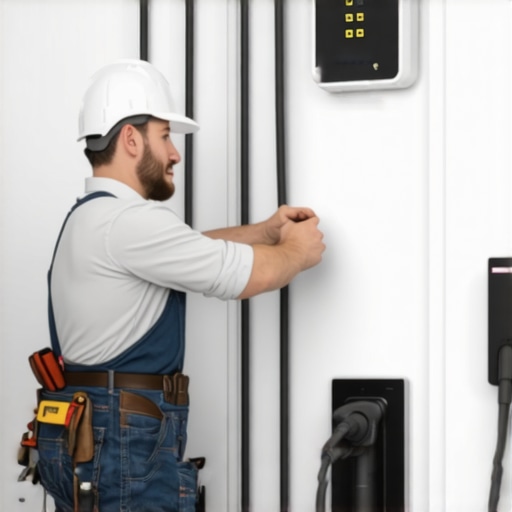
Ever had that moment when you flipped the switch and nothing happened? Or worse, sparks flew as you tried to install your new EV charger? I’ve been there, and I know firsthand how easy it is to overlook critical safety steps. It’s a sinking feeling, realizing that a small mistake could lead to serious electrical hazards. That’s why I want to share the top electrician tips that will keep your home safe and your EV charging smooth sailing in 2025.
Why Investing in Proper Electrical Setup Matters More Than Ever
With the rapid adoption of electric vehicles and smarter lighting solutions, our homes are becoming more electrically complex. According to the National Fire Protection Association, electrical failures are responsible for nearly 50,000 home fires annually, many of which are caused by improper installation or outdated wiring. That’s a staggering number, and it underscores why DIY fixes or rushing through installations can be dangerous. When I first started upgrading my home lighting and EV charger setup, I made a mistake early on—trying to save a few bucks by skipping professional advice. It nearly cost me a lot more in repairs and safety risks. That’s why I now recommend following expert tips and trusted guides to get it right the first time.
Is It Really Worth the Effort to Follow These Tips?
Absolutely. Proper installation isn’t just about avoiding shocks or fires; it’s about peace of mind. Ensuring your lighting and EV charger are set up correctly guarantees efficient operation and extends the lifespan of your equipment. Plus, a well-installed system can help you save on energy bills and avoid costly repairs down the line. If you’re wondering whether these tips are worth the hassle, I urge you to consider the potential dangers of ignoring safety protocols. For example, I once ignored a minor flickering light, which turned out to be a sign of loose wiring—a mistake that could have led to a fire. You can learn more about troubleshooting lighting issues from experienced electricians at this comprehensive troubleshooting guide.
If you’re ready to avoid costly mistakes and ensure your home’s electrical safety, stick around. I’ll walk you through practical, expert-approved tips that make safe lighting and EV charger setup straightforward and stress-free. Whether you’re a DIY enthusiast or planning to hire a professional, these insights will help you make informed decisions and keep your home safe in 2025.
Plan Your Wiring Carefully to Prevent Hazards
Think of your home’s electrical wiring as the backbone of a building; if it’s weak or improperly installed, everything else is at risk. During my first attempt at installing a new lighting fixture, I rushed through wiring connections without verifying the circuit’s capacity. This led to flickering and a minor short. To avoid this, always check your home’s electrical load capacity before adding new fixtures. Use a circuit tester to ensure power is off before starting, and follow the wiring diagrams meticulously, like a recipe. If you’re unsure, consult a professional or review this step-by-step guide for precise wiring techniques.
Use the Right Components for Safety and Efficiency
Selecting the correct circuit breakers, outlets, and wiring gauge is crucial. I once tried to save money by using thinner wire for my outdoor lighting, which caused overheating and tripped the breaker during a storm. Always match your components to the manufacturer’s specifications; for example, use a 10-gauge wire for high-power appliances like EV chargers. Installing a dedicated circuit for your EV station prevents overloads and potential fires. For detailed component selection, refer to this comprehensive guide.
Secure Your Connections with Proper Fastening
Loose connections are a common cause of electrical fires. I learned this the hard way when a loose terminal caused my garage outlet to spark. Always tighten all screws and terminals firmly, as if you’re securing a seatbelt—tight enough to prevent movement but not so tight as to damage the wire. Use a screwdriver with a magnetic tip for better grip and precision. After completing the wiring, double-check each connection before turning the power back on. For troubleshooting common connection issues, check this troubleshooting resource.
Test Your Setup Before Finalizing
Before permanently mounting fixtures or charging stations, test the system thoroughly. I once installed a new outdoor light but didn’t test it during a rainstorm, only to find it malfunctioned. Use a multimeter to verify voltage levels and ensure proper grounding. Turn on the circuit and observe the operation; look for flickering, buzzing, or abnormal heat. If issues arise, troubleshoot immediately using expert electrician tips. This step saves time and prevents future safety hazards.
Label and Document Your Electrical Circuits
Clear labeling of your circuits and components makes future troubleshooting easier. I once spent hours trying to find a tripped breaker because my panel was unmarked. Use a permanent marker or labels to identify each circuit’s purpose clearly. Keep a diagram of your electrical system in a safe place for quick reference. Proper documentation helps avoid accidental overloads and ensures safety during maintenance or upgrades. For best practices, see this expert advice.
By following these concrete steps—careful wiring, component selection, secure connections, thorough testing, and clear documentation—you’ll greatly reduce the risk of electrical hazards. Whether you’re a DIY enthusiast or hiring a professional, these tips form the core of safe and reliable lighting and EV charger installations in 2025.
While many homeowners believe they understand the basics of electrical safety, there are several misconceptions that can lead to dangerous mistakes. One widespread myth is that upgrading your wiring or installing new outlets is a simple task that anyone can handle. In reality, even seemingly straightforward procedures require a nuanced understanding of electrical codes and proper techniques. For example, using the wrong gauge wire or neglecting proper grounding can significantly increase fire risk. It’s crucial to recognize that expert guidance, such as consulting trusted resources like this electrician’s guide, can prevent costly errors.
Another common misconception is that all circuit breakers are interchangeable. Many assume that replacing a breaker with a higher amperage one will improve safety, but this is dangerous. Oversizing breakers can fail to trip during overloads, risking overheating and fires. Always match breaker ratings to manufacturer specifications and consider dedicated circuits for high-power appliances like EV chargers. This attention to detail is often overlooked but is vital for maintaining safety and efficiency. For a deeper dive into component selection, check this comprehensive guide.
How can advanced electrical troubleshooting prevent hazards?
Many homeowners underestimate the importance of thorough troubleshooting before finalizing any installation. Poor connections, overlooked wiring faults, or inadequate grounding can all cause fires or electrocution risks. Modern troubleshooting techniques involve using multimeters to verify voltage and continuity, ensuring each connection is secure and correctly wired. Electricians who follow detailed procedures, as outlined in this expert troubleshooting guide, can identify hidden issues that might not be visible to the untrained eye. Failing to perform these checks can turn a safe installation into a hazard, especially as electrical loads increase with new devices.
Furthermore, many people overlook the importance of understanding the subtle differences in wiring methods and materials. For example, using outdoor-rated wiring in indoor applications or vice versa can lead to deterioration and safety issues over time. Recognizing these nuances is crucial for maintaining long-term safety and performance. Remember, a well-executed installation is more than just connecting wires; it’s about understanding the complex interplay of components, codes, and environmental factors. If you want to ensure your setup is both safe and efficient, explore this expert electrician advice for advanced tips.
Have you ever fallen into this trap? Let me know in the comments. Staying informed about these hidden nuances can save you from costly mistakes and safety hazards down the line.
Maintaining your home’s electrical system is an ongoing process that ensures safety, efficiency, and longevity. Over the years, I’ve refined my toolkit and adopted specific methods that help me keep everything running smoothly. If you’re serious about keeping your lighting and EV charging stations in top shape, investing in the right tools and learning effective maintenance routines makes all the difference.
My Go-To Multimeter for Precise Troubleshooting
One of the most indispensable tools I rely on is a high-quality digital multimeter, like the Fluke 117. This device provides accurate voltage, current, and resistance readings, which are essential for diagnosing wiring issues or verifying proper grounding. I personally prefer the Fluke because of its durability and ease of use, especially when testing complex circuits or troubleshooting EV chargers. Regularly checking connections with a multimeter helps catch potential problems early, preventing costly repairs or safety hazards.
Using Thermal Imaging for Preventive Maintenance
Thermal cameras, such as the FLIR TG165-X, have become game-changers in electrical maintenance. They allow me to detect hotspots in wiring or outlets that could indicate loose connections or overloaded circuits—long before they cause failures or fires. Incorporating thermal imaging into my routine inspections has helped me identify issues that aren’t visible to the naked eye, saving time and increasing safety. As electrical loads increase with new smart devices, this proactive approach becomes even more critical.
Software Solutions for System Monitoring
Beyond physical tools, I recommend utilizing networked monitoring systems like Sense or Neurio. These smart devices track your home’s electrical consumption in real-time, alerting you to unusual spikes that might suggest wiring issues or equipment malfunctions. I’ve found that integrating such software helps me stay ahead of potential problems, especially with the growing complexity of home automation and EV charging setups. Future trends point toward more integrated, AI-driven monitoring systems that can diagnose and even suggest solutions automatically.
How do I maintain my electrical systems over time?
Consistent maintenance involves periodic visual inspections, testing connections with a multimeter, and cleaning outlets and switches to prevent dust and corrosion. I also schedule professional inspections annually to ensure everything complies with evolving safety standards. Staying vigilant about these routines ensures your system remains reliable and safe, even as your home evolves with new technology. Remember, the key to long-term safety is proactive care rather than reactive fixes. I encourage you to experiment with thermal imaging to spot hidden issues early and consider investing in smart monitoring tools for comprehensive oversight.
By equipping yourself with the right tools and adopting a disciplined maintenance routine, you can significantly extend the lifespan of your electrical infrastructure. As technology advances, so will the tools that help us maintain our homes more effectively. Stay ahead of the curve by trying out innovative solutions like thermal imaging and smart system monitoring. Your future self will thank you for the extra effort. For more detailed insights into troubleshooting and maintaining your electrical systems, check out this expert guide.
Mastering electrical safety in your home isn’t just about following rules; it’s about embracing a mindset that prioritizes safety, efficiency, and longevity. Over the years, I’ve learned that a few key lessons can save you from costly mistakes and dangerous oversights. Here are some of the most impactful insights I’ve gathered from my journey into home electrical upgrades.
The Hardest Lesson I Learned About Electrical Safety
One of my biggest mistakes was rushing into installing a new outdoor outlet without verifying the circuit’s capacity. It caused flickering and a minor short, which could have been disastrous. The lesson? Never underestimate the importance of proper load calculations and following wiring diagrams meticulously. It’s tempting to think that simple tasks are straightforward, but overlooking detail can lead to serious hazards.
Myths About DIY Electrical Work That Could Cost You
Many believe that replacing a breaker or installing a new light fixture is a straightforward task anyone can handle. I used to think so too, until I realized that mismatched components or incorrect grounding can ignite fires or cause electrocution. Trusting expert resources like this electrician’s guide can help you avoid these pitfalls and ensure your safety.
What I Wish I Knew About Troubleshooting Before Starting
Before troubleshooting any electrical problem, I wish I understood the importance of using a multimeter to verify voltage and continuity. Overlooking this step can mask underlying issues like loose connections or faulty wiring. Modern troubleshooting techniques involve a systematic approach, as described in this expert troubleshooting guide.
Learning these lessons has transformed my approach to home electrical work. By prioritizing proper planning, component selection, secure connections, and thorough testing, you can safeguard your home and your loved ones. Remember, electrical safety isn’t a one-time effort but an ongoing commitment to vigilance and learning.
This article hits home for me because I recently faced a tricky situation when installing a new outdoor light. I didn’t initially check whether my breaker was rated for the additional load, and I overshot the circuit capacity. Fortunately, I caught it early, but it was a good reminder of how important careful load calculations are. I also agree on the significance of use the right components; using thicker wire for outdoor connections saved me from overheating during a storm last year. Has anyone found thermal imaging to be a game-changer in your own maintenance routines? I’ve been considering investing in a good thermal camera since I’ve read how it can spot hotspots before they become serious hazards. Proper testing and labeling have also made troubleshooting much easier for me, especially during emergencies. What’s your go-to tool or routine for long-term electrical safety? I think continuous learning and vigilance are the best ways to keep our homes safe amid growing electrical demands.
This post makes a great point about the importance of proper planning and component selection for electrical safety at home, especially with the increasing complexity of modern wiring for EV chargers and smart lighting. I remember when I upgraded my garage outlet and was tempted to cut corners by reusing old wiring. Fortunately, I double-checked the gauge, verified the breaker capacity, and installed a dedicated circuit for my EV charger. It’s so reassuring to know that these preventive steps can significantly reduce fire risks and ensure efficiency.
One aspect I’d add is the significance of periodic inspections even after installation. Things like thermal imaging can detect hotspots that might not be visible during regular checks, especially as devices age. Have any of you used thermal cameras regularly, and how effective have you found them?
Lastly, I think documenting and labeling circuits is often overlooked but can save a lot of headache during troubleshooting or upgrades. Proper documentation helps to understand the electrical system better and prevent accidental overloads. What’s your routine for maintaining electrical safety over the years? Would love to hear how others keep their systems safe and reliable in the long run.