It was late at night when I first experienced the dreaded flicker of my living room lights—an unsettling flickering that refused to go away. My heart sank—could it be my wiring? A faulty switch? That moment made me realize how mysterious and frustrating electrical issues can be. And honestly, I felt the same way so many homeowners do: overwhelmed and unsure where to start.
But over the years, I’ve learned a thing or two about troubleshooting electrical problems—either for my own home or for friends’ houses. Today, I want to share those insights with you. We’ll walk through common issues, how to identify them, and easy solutions that even a beginner can try before calling in a professional. Trust me, tackling electrical glitches isn’t as intimidating as it looks—and you’ll feel empowered when you crack the code.
Why Ignoring Electrical Troubles Could Cost You More Than You Think
Electrical issues can seem minor—just a flickering light or a switch that sticks. But if left unchecked, they might lead to serious safety hazards, like fires or electrocution. The National Fire Protection Association reports that electrical failures or malfunctions account for approximately 69,000 house fires annually in the U.S., resulting in loss of life and property. That’s a stark reminder: safety is no joke.
Early troubleshooting can save you big headaches and money, too. Spotting and fixing issues early on reduces the risk of expensive repairs or replacements down the line. Plus, it keeps your home safe for your loved ones. So, if you’ve ever faced a mysterious power outage, a light that won’t turn on, or circuits that trip unexpectedly, stick around. We’re about to make sense of the chaos.
Have you recently dealt with electrical problems that just wouldn’t go away? If so, you’re in the right place. We’ll cover the essentials, like how to identify common faults and when to call in a professional. For more detailed insights, I recommend checking out [how electricians approach troubleshooting lighting installations](https://reliableelectricpro.com/how-electricians-tackle-troubleshooting-for-lighting-installations). Now, let’s get into the nitty-gritty of diagnosing those tricky issues that keep you awake at night.
Start with Power Basics
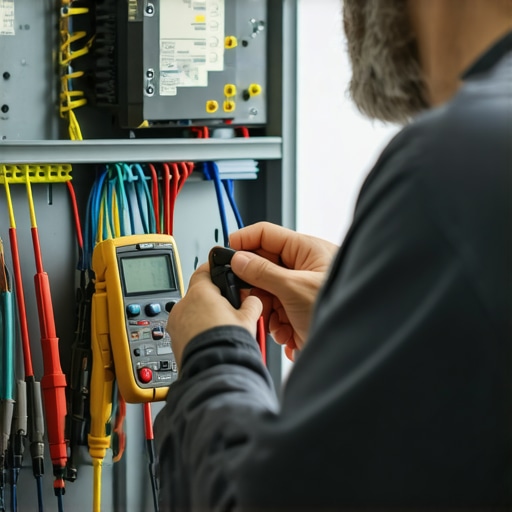
Before diving into complex fixes, verify the obvious. Check if the circuit breaker has tripped by inspecting the panel—reset it if necessary. Use a multimeter to ensure outlets are powered. Remember, this initial step is like testing the water temperature before swimming; it saves time and prevents unnecessary risks.
Identify the Fault Path
Locate the problem source by testing outlets, switches, or fixtures connected to the affected circuit. For example, if a light flickers, replace the bulb first to eliminate it as a cause. If the issue persists, turn off the circuit and visually inspect wiring connections for loose or damaged wires—think of wiring like plumbing; leaks or breaks cause the problems.
Test and Isolate Wiring
Use a continuity tester or multimeter to verify if wires are conducting properly. If a circuit trips repeatedly, disconnect loads and test components individually. In my experience, isolating sections often reveals a faulty switch or damaged wire. Always turn off power before testing—safety is paramount.
Check Connection Points Carefully
Connections can degrade over time; tighten loose screws on switches, outlets, and fixtures. For loose connections, gently tighten and replace covers. This step is like tightening screws on a bicycle; secure connections prevent many issues. If corrosion or burn marks are present, consider replacing affected components.
Inspect for Hidden Damage
Look for signs of overheating, melting, or discoloration in outlets, switches, and wiring. Sometimes, damage isn’t visible, but persistent issues hint at deeper faults. If found, replace the entire switch or outlet, or consult a professional for extensive wiring repairs.
Test the Fix and Observe
After making repairs, restore power and test the affected devices. Observe their operation over time to ensure stability. A quick test isn’t enough; monitor for an hour or more to catch intermittent problems. This step was crucial for me when I fixed a flickering light—initial fix looked good, but the flickering returned overnight, indicating I needed a deeper wiring check.
When to Call the Professionals
If troubleshooting reveals complex wiring issues, repeated trips of the circuit breaker, or if you’re uncomfortable with electrical work, it’s safer to consult a qualified electrician. For example, if your troubleshooting points to a wiring problem behind walls, professionals have the tools and expertise to fix it safely. More details on when to seek expert help can be found on this guide.
By following these structured steps, you can effectively diagnose and often fix common electrical problems, saving time and money while ensuring your home’s safety. Remember, safety first—never work on live wiring without proper precautions, and when in doubt, call a professional.
Why Believing in Quick Fixes Can Lead to Costly Mistakes
Many homeowners operate under the misconception that electrical problems, whether related to EV chargers or lighting installations, can be swiftly resolved with a simple toggle or a quick replacement. This myth overlooks the intricate nature of residential wiring systems, which often harbor underlying issues not visible to the untrained eye. For instance, a faulty circuit breaker may seem like the culprit, but the real problem could be corroded wiring deep behind walls. Rushing into superficial fixes can mask deeper faults, leading to recurring issues or dangerous situations. An expert approach involves detailed diagnostics, as outlined in this troubleshooting guide, ensuring long-term safety and functionality.
Common Pitfall: Overestimating the Simplicity of Troubleshooting
It’s tempting to believe that electrical troubleshooting, especially for lighting and EV chargers, is straightforward—turn off the switch, replace a part, and turn it back on. However, this oversimplification can result in overlooked hazards such as hidden damaged wiring or improper grounding. For example, a homeowner might replace a flickering light bulb, assuming the problem is the bulb itself, but the root cause may be loose wiring connections inside the switch box. Recognizing the nuances here is crucial; detailed inspections and testing are necessary, as advised in this expert safety tips article. Safety isn’t just about fixing the problem—it’s about understanding the full picture.
What Do Experts Really Know About Ground Faults? (And Why You Should Care)
One sophisticated aspect many overlook is the importance of proper grounding, especially when installing high-power devices like EV chargers. A misdiagnosed ground fault can cause persistent tripping, electrical shocks, or even fire hazards. Contrary to popular belief, just having a grounding wire isn’t enough; it must be correctly connected and conform to codes, which is why relying solely on visual checks isn’t sufficient. Advanced testing with proper equipment, as discussed in expert troubleshooting tips for EV chargers, is crucial for safety and device longevity. I’ve seen situations where improper grounding overlooked by DIYers causes recurring problems that only a professional inspector can identify and resolve.
Have You Fallen Into These Troubleshooting Traps?
Challenging common myths and understanding the hidden nuances of electrical work can save you from costly mistakes. Remember, electrical safety and reliability aren’t about quick fixes—they require careful diagnosis and expert knowledge. If you’re ever unsure, consulting a qualified electrician is the safest move, especially for complex setups like EV chargers or advanced lighting systems. For comprehensive guidance, check out this trusted electrician guide. Don’t hesitate—your home’s safety depends on it. Have you ever fallen into this trap? Let me know in the comments.
Investing in Reliable Tools for Longevity
To maintain your electrical systems effectively, having the right tools is crucial. I swear by a high-quality multimeter like the Fluke 117, which offers precise voltage and continuity readings essential for troubleshooting EV chargers and lighting fixtures. Its non-contact voltage detection helps me identify live wires without risking shock, a feature I rely on daily. A digital clamp meter is invaluable for measuring current flow safely without disconnecting wires, especially when ensuring your EV charger draws the correct power. For more in-depth diagnostics, invest in an infrared thermographic camera; it reveals hotspots indicating overloaded circuits or deteriorated wiring—a tip I learned from expert electrician guides.
Software and Apps That Make Maintenance Easier
Modern technology can streamline electrical maintenance. I use electrical design software like SKETCHUP with specific electrical plugins to model my wiring and identify potential issues before they become real problems. For quick troubleshooting, apps like Electrical Calc allow me to verify wire sizes and circuit loads based on local codes, saving time and ensuring safety. These tools are particularly useful when planning upgrades or scaling your setup, such as installing additional lighting or EV chargers, aligning with the future trend of smart, integrated electrical systems.
Developing a Routine for Long-Term Performance
Consistent maintenance prevents unexpected failures. I recommend scheduling monthly visual inspections—checking for discoloration, loose connections, or corrosion—and testing outlets and switches with your multimeter. Every six months, perform a load test on your EV charger following guidelines from this expert resource. Keeping a detailed log of your inspections helps track wear and plan replacements proactively. Over time, these practices extend the lifespan of your systems and assure optimal performance.
How do I keep my electrical system in top shape over time?
In addition to regular inspections, upgrading your wiring with modern, durable cables—like THHN wire—can minimize issues caused by aging or_damage. Implementing surge protection devices safeguards sensitive equipment and prolongs their lifespan. I also recommend investing in smart circuit breakers that monitor usage patterns and notify you of irregularities, a feature I’ve found invaluable for preventing overloads, especially with high-demand devices like EV chargers. Future developments point toward fully integrated smart panels that centralize control and diagnostics, making maintenance more intuitive and less invasive.
To stay ahead, consider consulting comprehensive guides like the one available here, which detail long-term maintenance strategies. Remember, the key to keeping your electrical systems reliable is proactive care combined with the right tools. So, challenge yourself to perform a full load check on your EV charger this weekend and see how your system responds—taking this step now can prevent costly repairs later.
Over the years, I’ve encountered countless electrical issues that seemed straightforward but turned out to harbor deeper, more complex problems. One of the most eye-opening lessons was realizing how often quick fixes mask underlying threats, leading to recurring issues or safety hazards. For example, rushing to replace a flickering light bulb without inspecting wiring can overlook a deteriorating connection, which might cause a fire down the line. It’s vital to remember that the real magic happens when we look beyond the surface, digging into the root causes rather than just patching symptoms.
Another insight I gained is the importance of grounding—something many homeowners underestimate. Proper grounding isn’t just a box to check; it’s a safety shield against shocks and fires. Yet, many DIY repairs neglect this aspect, risking serious hazards. Only with a keen eye and the right tools can you verify if your grounding is truly effective, a knowledge area explored more deeply in this expert guide. Understanding these hidden intricacies can save your home from disaster.
Lastly, I’ve learned that patience and comprehensive testing are your best allies. It’s tempting to assume that flipping a circuit breaker or swapping a component completes the job. But real safety and durability come from detailed diagnostics and methodical inspections, like tightening loose connections or checking for hidden damage. These steps may take more time but can prevent costly repairs and ensure long-term reliability. Embracing this meticulous approach has transformed my troubleshooting from guesswork into a science I trust.
Reading this post really resonated with me, especially the part about not rushing into quick fixes. I once dealt with a flickering light that kept returning despite replacing the bulb, which initially made me think it was just a faulty bulb. However, after testing the wiring connections and inspecting the switch, I discovered loose wiring that was causing the problem. It made me realize how important thorough diagnostics are. I’ve also learned the hard way that neglecting proper grounding can lead to recurring trips and potential hazards—something many DIYers tend to overlook. My question is: how often do you recommend homeowners actually test their grounding systems to ensure safety, especially if they’re not encountering obvious problems? Is there a simple way to check grounding effectiveness without professional tools? Would love to hear others’ experiences or tips on maintaining safe electrical grounding in everyday homes. Overall, this article is a great reminder that patience and proper testing are key to long-term safety.
This post hits home for me because I’ve learned firsthand how deep electrical issues can get if you don’t look beyond the surface. Once, I tried a quick fix on a flickering outside light, just replacing the bulb and flipping the switch back on. It seemed simple at first, but the problem kept coming back, and I started noticing signs of overheating around the fixture. That’s when I decided to do a thorough inspection, checking wiring connections and the switch itself. Turns out, a loose wire inside the switch was causing all the trouble, and tightening it fixed the issue permanently. It’s a reminder that patience and detailed testing can save a lot of hassle in the long run. I’m curious—how often do others recommend homeowners check their wiring or connections? Are there simple, safe methods to do basic inspections without professional tools, especially in older homes? I’d love to hear different tips or experiences on keeping electrical systems safe and reliable over time.