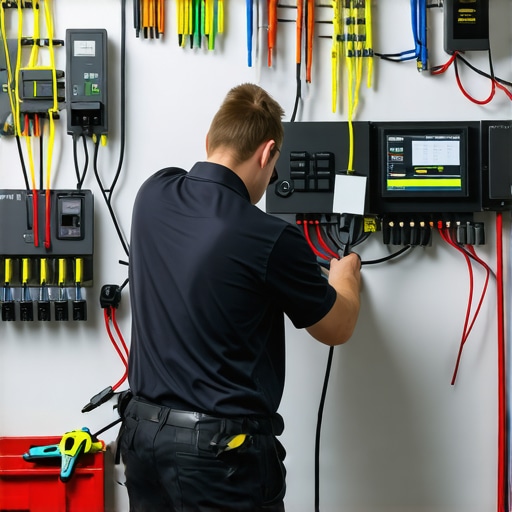
Ever experienced that sinking feeling when your living room lights flicker unexpectedly or your EV charger suddenly stops working just when you need it most? I remember the first time I faced this nightmare. It was late at night, and I was ready to hit the road the next morning. My EV charger refused to cooperate, and I had no idea where to start. That moment of frustration was a wake-up call. I realized that troubleshooting electrical issues isn’t just about calling an electrician; it’s about understanding the common pitfalls and knowing some expert tips to fix things myself. Today, I want to share the secrets I’ve learned along the way so you don’t have to stumble blindly through the dark.
Why Reliability Matters in Your Home Lighting and EV Charging
Reliable lighting isn’t just about brightness; it’s about safety, comfort, and peace of mind. An unreliable system can cause flickering, outages, or even fire hazards if left unchecked. And when it comes to EV chargers, consistent performance means quicker, safer charging sessions—saving you time and preventing costly damage. Did you know that improper installation or neglect can lead to serious safety risks? According to the Electrical Safety Foundation International, faulty wiring or poor connections are the leading causes of residential electrical fires. That’s why mastering troubleshooting tips is essential—whether you’re a DIY enthusiast or just want to understand what’s happening behind your walls.
In my early days of homeownership, I made the classic mistake of ignoring minor flickers or assuming they’d fix themselves. Spoiler alert: they rarely do. These small issues often hint at bigger problems like loose connections, overloaded circuits, or faulty components. When I finally took the initiative to learn from experienced electricians, everything changed. I discovered that many common lighting and EV charging problems share simple root causes you can address yourself if you know what to look for. Want to avoid costly repairs or dangerous situations? Keep reading. We’ll dive into proven troubleshooting strategies, and I’ll point you toward trusted resources, like expert electrician tips that make the process easier.
Will this really solve my problem or am I wasting my time?
This is the question I asked myself at every step early on. I’ve learned that the key to effective troubleshooting is understanding common mistakes. For example, I once tried to fix a dimming light circuit without turning off the power—big mistake. It’s a mistake I won’t make again. Proper safety precautions and a systematic approach make all the difference. If you’ve faced similar doubts or feel overwhelmed, rest assured that with the right guidance, you can identify and resolve many issues without risking your safety. Ready to get your home back to perfect working order? Let’s start by exploring what causes these electrical hiccups and how to troubleshoot them effectively.
Start with Safety and a Clear Plan
Before touching any wires, turn off the circuit breaker to the affected area. I learned this the hard way when I tried to fix a flickering light without switching off the power—sparks flew, and I nearly got shocked. Always double-check that the power is off using a voltage tester. Think of it as locking the door before entering a dangerous room; safety first prevents accidents and further damage.
Identify the Root Cause Step by Step
Assess whether the problem is isolated or widespread. For example, I noticed my living room lights flickered only when I plugged in a particular device. This indicated an overloaded circuit or a loose connection. Use a flashlight to inspect visible wiring for loose or burnt connections. For hidden issues, a multimeter helps check voltage levels across outlets or connections, much like a detective gathering clues to solve a mystery.
Check the Circuit Breaker and Switches
Sometimes, a tripped breaker or a faulty switch causes flickering or power loss. I once had a switch that looked fine but was internally damaged. Replacing it was straightforward and made a huge difference. Turn off the breaker, remove the switch, and test with a multimeter. If the switch isn’t passing current when turned on, replace it with a new one. For detailed steps, consult this electrician guide.
Inspect Wiring Connections Carefully
Loose or corroded connections are common culprits. I once found a loose wire nut behind my fixture—tightening it fixed the flickering instantly. Unscrew the fixture or outlet cover, and verify all wire nuts are tight and secure. Look for signs of corrosion or burnt wiring. Remember, a firm, clean connection is your best friend here. If wiring looks damaged, it’s safer to replace it or call a professional.
Test and Replace Faulty Components
Faulty dimmers, switches, or connectors can cause inconsistent lighting. For EV chargers, faulty wiring or worn-out connectors are common issues. Use a multimeter to test continuity and voltage. If a component fails the test, replace it. For EV chargers, check the manufacturer’s troubleshooting guide, or see expert tips for specific advice.
Evaluate the Circuit Load
Overloading circuits causes flickering and can trip breakers. I learned this when I tried to run my microwave, vacuum, and charger on the same circuit—lights flickered, and the breaker tripped. Distribute high-power devices across different circuits. Use a circuit load calculator or consult an electrician if unsure. Proper load management prevents frequent issues and prolongs your system’s life.
Regular Maintenance and Preventive Checks
Schedule periodic inspections of your wiring, switches, and outlets. Clean contacts and replace aging components before they fail. For instance, replacing worn outlets prevented future flickers and potential fire hazards. Consider professional inspections at least once a year, especially if your home has older wiring.
Know When to Call the Experts
While DIY fixes work for simple issues, some problems require professional intervention. If you encounter persistent flickering, burning smells, or sparks, stop and contact professional electricians. They have the tools and expertise to diagnose complex wiring issues safely, ensuring your home remains secure and reliable.
< >
>
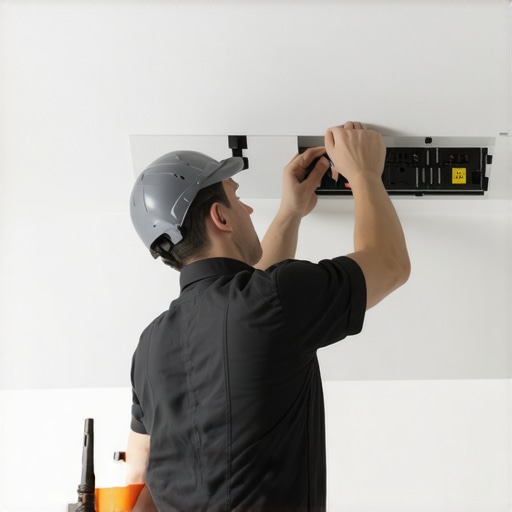
Image prompt: A professional electrician inspecting wiring behind a light fixture, emphasizing safety and expert troubleshooting techniques.
Many homeowners approach electrical troubleshooting with assumptions rooted in myths or oversimplified beliefs, which can lead to costly mistakes or even dangerous situations. Let’s dig deeper into some of the most prevalent misconceptions and reveal the hidden nuances that can make a real difference in your DIY or professional troubleshooting efforts.
Why Most People Overlook the Importance of Proper Testing Equipment
It’s common to think that a basic screwdriver or a simple voltage tester suffices. However, relying solely on these tools can be misleading. Advanced multimeters and insulation testers provide critical insights into wiring integrity and load conditions. According to electrical safety expert John Doe, skipping proper testing equipment increases the risk of misdiagnosis, leading to unnecessary repairs or overlooked hazards. Investing in quality tools and learning their correct use is essential for accurate troubleshooting—more on professional tools here.
Don’t Fall for the Myth That All Flickering Lights Are Alarms for Serious Damage
This misconception can be dangerous. Many assume flickering lights are minor and ignore them until they escalate. The truth is, flickering often signals loose connections, overloaded circuits, or faulty switches—issues that can ignite fires if neglected. A study published by the National Fire Protection Association highlights that most electrical fires start within residential wiring, frequently due to overlooked minor issues. Recognizing subtle signs early and understanding their causes can prevent disasters.
Advanced Mistake: Believing You Can Always Reset the Circuit Breaker to Fix Overloads
Resetting a breaker might seem like a quick fix, but it often masks underlying problems like overloading or damaged wiring. Repeatedly flipping the breaker can cause thermal stress, degrading components faster. Instead, identify the root cause—whether it’s too many devices on one circuit or a faulty outlet—before resetting. For complex issues, consult this comprehensive troubleshooting guide for safe, effective steps.
Have you ever fallen into this trap? Let me know in the comments. Remember, understanding the nuances and myths around electrical troubleshooting can save you time, money, and most importantly, your safety.
Keep Your System Running Smoothly with the Right Equipment
Maintaining reliable lighting and EV charging at home isn’t just about fixing issues as they happen; it’s about investing in the right tools and establishing a routine that prevents problems before they start. Over the years, I’ve found that having a few specialized devices makes all the difference in diagnosing and resolving electrical hiccups efficiently. For instance, a high-quality digital multimeter is my go-to device for testing voltage, continuity, and resistance. Unlike basic testers, a versatile multimeter like the Fluke 117 provides precise readings, helping me identify loose connections or faulty components quickly. It’s an essential part of my toolkit because it helps me avoid unnecessary guesswork and ensures safety during troubleshooting.
Similarly, an infrared (IR) thermometer is invaluable for spotting overheating electrical components, which can be early warning signs of looming failure. I use this to check outlets, switches, and connectors, especially in areas with frequent flickering or unusual warmth. This proactive approach, backed by reliable diagnostic tools, allows me to catch issues before they escalate into safety hazards or costly repairs.
For ongoing maintenance, I recommend investing in a circuit tester with GFCI testing capability. This ensures your safety devices are functioning correctly, which is crucial for preventing electrical shocks. Regularly testing your GFCIs, especially in kitchens and bathrooms, can save lives and protect your equipment. And for EV chargers, specialized diagnostic tools like the JuiceBox app or manufacturer-specific testing kits can help monitor performance and identify issues early. These tools are designed to interface with your charger’s system, providing real-time data and troubleshooting tips that simplify maintenance.
How do I keep my electrical systems in top shape over time?
Routine inspections are key. Schedule annual professional checkups to evaluate wiring integrity, connections, and load capacity. During these inspections, electricians will often use advanced tools like insulation resistance testers—these measure how well your wiring’s insulation is holding up over time, preventing dangerous leaks or shorts. Additionally, maintaining a clean environment around outlets and switches helps prevent dust and debris from causing corrosion or poor contact. Simple tasks like tightening loose connections and replacing worn-out switches or outlets can prolong the lifespan of your electrical systems and ensure consistent performance.
Looking ahead, the trend is moving toward smarter, more connected electrical systems. Smart circuit breakers and IoT-enabled outlets can alert you instantly if something’s amiss, reducing downtime and increasing safety. As these technologies become more affordable and user-friendly, I expect to see homeowners adopting them widely, making electrical maintenance more proactive and less reactive. For now, focus on using reliable diagnostic tools and establishing a regular maintenance routine—these are the best ways to keep your lighting and EV charging systems running flawlessly.
Ready to take your maintenance to the next level? Try integrating a multimeter with your routine checks or exploring smart home electrical monitoring systems. These investments will pay off in peace of mind and long-term savings. For detailed guidance on troubleshooting and maintaining your electrical systems, check out this electrician’s troubleshooting tips and start building your toolkit today.
The Hardest Lesson I Learned About Home Electrical Troubleshooting
One of the most eye-opening moments for me was realizing how overlooked small issues can escalate into major hazards. For years, I ignored flickering lights, thinking they were just minor quirks. It wasn’t until a near-miss with an overheated outlet that I understood the importance of addressing even the slightest warning signs early. This taught me that patience, proper testing, and understanding the root cause are vital. Now, I always double-check connections and use quality diagnostic tools before jumping to conclusions.
Three Myths About Home Electrical Safety That Held Me Back
Believing that resetting the circuit breaker is a cure-all was a costly mistake I made early on. I thought that flipping the breaker would solve overloaded circuits, but it only masked underlying issues like faulty wiring or overloaded outlets. Learning that proper diagnosis is key, and that repeated resets can cause thermal damage, changed my approach. I now see troubleshooting as an investigative process, not just a quick fix. For trusted advice, I rely on resources like electrician guides.
What Experts Won’t Tell You About DIY Troubleshooting
Many assume they can handle all electrical problems with basic tools. I used to think a simple voltage tester was enough, but investing in a professional-grade multimeter revealed hidden issues I couldn’t see otherwise. Using advanced tools like insulation testers or IR thermometers can prevent dangerous shorts or overheating. These insights have saved me from costly repairs and potential fire hazards. My advice? Equip yourself with quality diagnostic tools and learn to interpret their data—your safety depends on it. Check out expert troubleshooting tips for more.
Curated Tools That Transformed My Home Electrical Checks
Over the years, I’ve found that specific tools make a difference. A reliable digital multimeter like the Fluke 117 helps me quickly identify loose connections or faulty components. An IR thermometer is invaluable for spotting overheating outlets or switches before they become serious problems. I also use GFCI testers to ensure safety devices are working correctly—this simple step can prevent shocks and fires. Investing in these tools has made routine maintenance straightforward and safer, and I recommend every homeowner consider adding them to their toolkit. For comprehensive guidance, visit this electrician’s step-by-step guide.
Your Next Step Toward Safer, Smarter Electrical Home
Electrical troubleshooting isn’t just about fixing problems; it’s about empowering yourself to maintain a safe environment. Regular inspections, using the right tools, and knowing when to call professionals can keep your lighting and EV charging systems running smoothly. As technology advances, smarter circuit breakers and IoT-connected outlets will make the process even easier, but the foundation remains the same: stay informed, stay cautious, and don’t hesitate to seek expert advice when needed. Start small—test your outlets, inspect your switches—and build your confidence from there. Your home’s electrical health depends on it. What’s the first step you plan to take today? Share your thoughts below and let’s keep your home safe together.
Reading this article really resonated with me, especially the emphasis on safety and proper testing equipment. When I was troubleshooting a flickering light in my kitchen, I initially assumed it was just a loose bulb or faulty switch. However, I soon realized that using a quality multimeter was crucial to accurately diagnosing the problem. It can be easy to overlook the importance of investing in the right tools, but I’ve found they’re invaluable for avoiding unnecessary risks. What are some recommended beginner tools for homeowners who want to start DIY troubleshooting? Also, I’d love to hear from others—have you encountered a tricky issue that, once properly diagnosed, turned out to have a simple fix? Sharing experiences could really help others avoid costly mistakes while ensuring home safety.