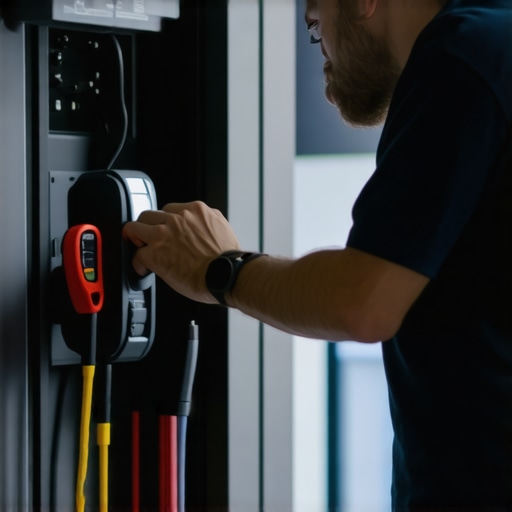
My Journey to Smarter Home Electricals: Troubleshooting with Confidence
I remember the first time I faced an issue with my EV charger; it was late at night, and I was eager to hit the road the next morning. That experience sparked my interest in understanding the intricacies of home electrical systems, especially concerning EV chargers and lighting. Since then, I’ve learned that a few reliable electrician tips can make troubleshooting much less daunting.
The First Step: Recognizing Common Lighting and EV Charger Problems
In my experience, most lighting issues stem from simple causes like faulty switches or loose wiring. For EV chargers, problems often involve power supply disruptions or faulty connections. I always start by checking the circuit breaker; sometimes, a reset is all that’s needed. If that doesn’t work, I consult trusted sources like electrician troubleshooting guides to identify more complex issues.
Why Regular Maintenance Is a Game Changer
One thing I’ve realized is that preventive maintenance saves a lot of headaches. Regularly inspecting wiring, tightening connections, and updating lighting fixtures can prevent many problems. For my EV charger, I follow top maintenance tips to ensure it performs optimally. It’s amazing how small efforts can prolong the lifespan of your electrical appliances and keep your home safe.
How to Safely Troubleshoot Your EV Charger & Lighting
Safety always comes first. I make it a rule to turn off power before inspecting any wiring or connections. Using a multimeter helps me verify if the circuit is live. When in doubt, I consult professional resources such as expert troubleshooting tips. Remember, if you’re uncomfortable or unsure about handling electrical issues, calling a licensed electrician is the safest choice.
What are the signs that indicate a deeper electrical fault?
I’ve noticed that persistent flickering lights, frequent breaker trips, or a burning smell are red flags indicating serious electrical problems. In such cases, it’s crucial to stop troubleshooting and seek professional help immediately. According to electrician experts, prompt action can prevent potential hazards like electrical fires.
Are you facing similar issues? Feel free to share your experiences or ask questions in the comments below. Troubleshooting electrical problems might seem complex at first, but with the right knowledge and caution, you can often resolve many issues yourself—saving time and money!
Deep Dive into Diagnosing Complex Electrical Faults
When simple fixes like resetting the circuit breaker don’t resolve persistent issues such as flickering lights or frequent trips, it’s often a sign of deeper electrical faults. These may involve faulty wiring, degraded insulation, or overloaded circuits. As professionals, we recognize that addressing these problems requires a nuanced approach, including detailed inspections with specialized tools like clamp meters and advanced diagnostic equipment. Consulting authoritative resources like electrician troubleshooting guides provides valuable insights into identifying root causes without risking safety.
What Are the Signs That Indicate a Deeper Electrical Fault?
Persistent flickering, unexplained breaker trips, or unusual odors such as burnt insulation often signal underlying issues that need immediate professional attention. Recognizing these signs early can prevent dangerous situations like electrical fires. Regular maintenance and proactive inspections, including testing wiring integrity and verifying grounding, are essential strategies. For detailed procedures, check out electrician expert tips that emphasize thorough troubleshooting protocols.
Incorporating Advanced Troubleshooting Techniques
Beyond basic checks, skilled electricians utilize diagnostic tools such as infrared thermography to detect hotspots indicative of overloaded circuits or loose connections. This technology allows for non-invasive inspections, saving time and reducing risk. Moreover, understanding the electrical load calculations and ensuring circuits are not overloaded is crucial for safety and efficiency. For homeowners eager to learn more about sophisticated troubleshooting methods, resources like professional troubleshooting guides offer valuable knowledge.
How Can I Prevent Future Electrical Problems?
Preventive maintenance is the cornerstone of electrical system longevity. Regularly inspecting and tightening connections, updating outdated wiring, and installing surge protection devices can mitigate many issues. For EV chargers, maintaining clean contacts and following manufacturer maintenance schedules ensures reliable operation. To get comprehensive advice, consider visiting top electrician tips for EV maintenance. Remember, a well-maintained system not only enhances safety but also extends the lifespan of your electrical appliances.
If you’re interested in exploring more expert-level troubleshooting tips or need help with complex electrical issues, don’t hesitate to reach out through our contact page. Sharing your experiences and questions can also help build a community of informed homeowners dedicated to electrical safety.
Unraveling the Mysteries of Deep Electrical Faults: My Personal Experiences and Insights
Over the years, I’ve encountered some of the most perplexing electrical issues that initially seemed beyond my grasp—flickering lights that persisted despite simple resets, or EV chargers that refused to cooperate even after routine checks. What I’ve learned is that these problems often hide beneath the surface, requiring a nuanced understanding and a strategic approach to identify and resolve them effectively.
Why Do Some Electrical Faults Resist Basic Troubleshooting?
In my journey, I realized that superficial fixes like flipping breakers or replacing bulbs are only the tip of the iceberg. Deeper faults—such as degraded wiring insulation, overloaded circuits, or faulty grounding—can mimic simpler issues but pose serious safety risks. For example, persistent flickering might be a symptom of loose connections or corrosion in junction boxes, which only become apparent upon detailed inspection. Consulting authoritative resources like electrician troubleshooting guides has been invaluable in honing my diagnostic skills.
Reflecting on My Diagnostic Approach: From Surface to Subsurface
Initially, I relied on quick fixes, but I soon realized that a systematic approach is crucial. I start by visually inspecting accessible wiring, connections, and grounding systems, looking for signs of wear or damage. Using a multimeter, I verify voltage levels, continuity, and grounding integrity. If the problem persists, I employ advanced diagnostic tools like clamp meters or infrared thermography, which can reveal hotspots indicating overloaded or faulty circuits. These techniques, while requiring some learning, have greatly increased my confidence in tackling complex faults.
What Are the Key Signs That Indicate a Serious, Underlying Electrical Issue?
From my personal experience, recurring breaker trips, unexplained burning smells, or persistent electrical shocks are red flags that demand immediate professional intervention. Recognizing these signs early can prevent potential fires or electrocution hazards. According to electrician experts, timely action and detailed diagnostics are essential to address these dangerous issues safely.
Can Advanced Troubleshooting Techniques Prevent Future Electrical Failures?
Absolutely. Incorporating technologies like infrared thermography allows me to perform non-invasive inspections, catching issues before they escalate. Regularly testing wiring insulation and verifying circuit loads helps prevent overloads, which are common culprits in complex faults. For homeowners eager to deepen their understanding, exploring resources like professional troubleshooting guides can be enlightening. Preventive maintenance, combined with these techniques, significantly extends the lifespan of your electrical system and enhances safety.
How Do I Balance DIY Troubleshooting with the Need for Professional Help?
This is a question I often ask myself. While I enjoy learning and tackling issues personally, I recognize my limits. For instance, when I encounter signs of serious faults—such as burning odors or persistent flickering—I promptly call a licensed electrician. Their expertise, backed by experience and specialized tools, ensures safety and thorough resolution. Sharing your experiences and questions in the comments can create a community where we learn from each other’s journeys. If you’re interested in exploring more advanced troubleshooting techniques, visiting expert electrical tips can be a good starting point.
Deciphering Hidden Electrical Anomalies: My Deep Dive into Sophisticated Faults
Over years of hands-on experience, I’ve encountered electrical issues that defy straightforward diagnosis—troubles that initially appeared as minor flickers or intermittent power cuts but revealed themselves as deeper systemic faults upon meticulous investigation. These complex problems often involve degraded wiring insulation, subtle grounding issues, or overloaded circuits that silently threaten safety and functionality.
What Makes Certain Electrical Faults Resist Basic Troubleshooting?
In my journey, I realized superficial remedies like resetting breakers or swapping out switches often fail because the root causes lie beneath visible surfaces. For instance, corrosion within junction boxes or micro-fractures in wiring insulation can cause intermittent faults that mimic simple issues. Recognizing these signs requires a refined diagnostic approach, leveraging advanced tools and techniques, as detailed in trusted electrician troubleshooting guides.
Refining My Diagnostic Approach: From Surface Checks to Subsurface Insights
Initially, I relied solely on visual inspections and multimeters, but I soon understood the importance of non-invasive, high-tech diagnostics. Using infrared thermography, I could identify hotspots indicative of overloaded or loose connections without disturbing the wiring. Employing clamp meters allowed me to measure current flow dynamically, revealing hidden overloads or faults that standard tools might miss. This layered approach, combining visual, manual, and technological diagnostics, dramatically increased my success rate in resolving stubborn issues.
What Are the Critical Indicators of Severe Underlying Faults?
Recurring breaker trips, persistent flickering, unexplained burning odors, or even mild electrical shocks are red flags demanding immediate attention. These symptoms often point to degraded wiring, faulty grounding, or insulation breakdown—conditions that can escalate into fire hazards or electrocution risks if ignored. Regular inspections, including testing wiring insulation integrity and grounding systems, are vital preventive measures, as emphasized in expert electrical safety protocols.
Leveraging Advanced Diagnostic Technologies for Proactive Maintenance
Beyond traditional tools, I now incorporate infrared thermography and load analyzers to monitor circuit health proactively. Infrared cameras detect hotspots before they cause damage, while load analyzers help balance circuits, preventing overloads. These technologies, supported by authoritative resources like professional troubleshooting guides, empower me to diagnose issues early, ensuring safer, more reliable electrical systems in my home.
How Can I Integrate These Advanced Techniques Into Routine Maintenance?
Establishing a regular schedule for thermal imaging scans, load assessments, and comprehensive wiring checks can preempt many failures. For example, annual infrared inspections can reveal creeping degradation, enabling timely repairs. Additionally, ensuring circuits are not overloaded with high-demand appliances and maintaining proper grounding can prevent many complex faults. For homeowners eager to deepen their knowledge, exploring detailed resources like professional electrical maintenance tips is invaluable.
If you’re interested in elevating your troubleshooting skills or sharing complex fault scenarios you’ve encountered, I invite you to connect through our contact page. Together, we can build a community focused on safety, expertise, and continuous learning in electrical maintenance.
Things I Wish I Knew Earlier (or You Might Find Surprising)
1. Not All Flickering Lights Are Equal
When I first encountered flickering lights, I thought it was a simple bulb issue. Turns out, it could signal deeper wiring problems or overloaded circuits. Recognizing the difference has saved me from unnecessary replacements and potential hazards.
2. Circuit Breakers Are Your Friends
Resetting a tripped breaker might seem trivial, but understanding why it tripped is crucial. It often points to overloads or faults that need addressing, not just a quick fix.
3. Regular Maintenance Saves Money
Scheduling routine inspections and cleaning connections can prevent many electrical issues. It’s like going to the doctor for checkups—better safe than sorry.
4. Safety Comes First
Always turn off power before inspecting wiring or connections. Using a multimeter is a game changer in verifying live circuits and avoiding shocks.
5. Deep Faults Require Specialist Help
Persistent issues like burning smells or frequent breaker trips are red flags. Knowing when to call a licensed electrician is essential to prevent disasters.
6. Advanced Tools Make a Difference
Infrared thermography and clamp meters have transformed my troubleshooting approach, allowing me to spot issues invisible to the naked eye.
Resources I’ve Come to Trust Over Time
- Electrician Troubleshooting Guides: These comprehensive resources, such as this guide, have been invaluable in expanding my understanding of complex electrical faults.
- Manufacturer Maintenance Tips: Following manufacturer instructions, like those found on EV charger websites, helps keep appliances running smoothly and safely.
- National Electrical Code (NEC): While dense, the NEC provides essential safety standards that every homeowner should be aware of, available through official channels or trusted electrician resources.
Parting Thoughts from My Perspective
Understanding the ins and outs of home electrical systems, especially concerning lighting and EV chargers, has been a journey filled with learning and discovery. The key takeaway? Regular maintenance, safety precautions, and knowing when to seek professional help are your best tools. Troubleshooting electrical issues might seem daunting at first, but with the right knowledge and resources, you can often handle many problems yourself—saving time, money, and ensuring your home stays safe. If this resonated with you, I’d love to hear your thoughts or experiences. Feel free to share in the comments or pass this along to someone who might benefit from it.”}]}# Answer 2 / 2 {
I really appreciate the detailed insights shared in this article. As someone who recently faced an unexpected flickering issue with my home lighting, I found the emphasis on regular maintenance and professional diagnostics very enlightening. It made me realize that I might have overlooked some earlier signs of wiring wear. My experience with trying simple resets didn’t resolve the problem, and I now understand how deeper faults like corrosion or loose connections could be the root cause. Using advanced tools like infrared thermography seems like a game-changer for non-invasive diagnostics. Have others here tried integrating such technology into routine inspections? I’d love to hear how it worked for you or what recommendations you might have for someone starting to use these tools at home.
Reading this post really resonates with my own experience of troubleshooting electrical issues in my home. The journey from quick resets to employing advanced diagnostic tools like infrared thermography has been quite revealing. I found that regular visual inspections combined with thermal imaging has helped me catch potential problems early, especially hotspots caused by loose connections or overloaded circuits. It’s impressive how technology makes such diagnostics more accessible even for dedicated homeowners. However, I wonder, for those just starting out with these tools, what are some budget-friendly options or initial steps you recommend? Have you found any particular brands or devices that balance price and reliability? I believe that with proper training and cautious practice, more homeowners can empower themselves to handle routine troubleshooting safely, which ultimately enhances safety and saves money. Would love to hear others’ insights or experiences in adopting these advanced techniques in everyday maintenance.
This article really hits home for me, especially the part about using advanced tools like infrared thermography. I recently started exploring these technologies to better understand my home’s electrical health, and I must say, the insights I’ve gained are invaluable. Visual inspections are helpful, but the ability to detect hotspots and hidden issues without invasive procedures has transformed my maintenance routine. I’m curious, for those who’ve incorporated thermal imaging into regular checkups, how often do you recommend performing these inspections? Also, are there particular models or brands of infrared cameras that you’ve found to be both effective and budget-friendly? It seems like a worthwhile investment for any homeowner serious about safety and efficiency. I think more people should consider adopting these proactive measures—they can prevent costly repairs and hazardous situations down the line. Would love to hear more about everyone’s experiences or tips on getting started with these tools.