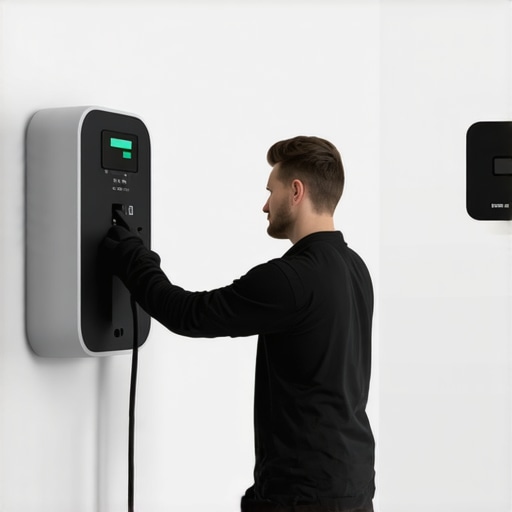
Ever had that sinking feeling when you realize you’ve just wired your brand-new EV charger without properly considering safety? I remember my first attempt—tinkering in the dark, convinced I knew better. The moment I flipped the switch and sparks flew, I knew I’d made a mistake. It was a harsh lesson that safety isn’t just a recommendation; it’s a necessity. Since then, I’ve made it my mission to master the art of safe electrical installations, especially for EV chargers and lighting, because nothing is more frustrating than dealing with avoidable hazards or costly repairs.
Why Safe EV and Lighting Installations Matter Now More Than Ever
With the rapid rise of electric vehicles and smart lighting systems, more homeowners are taking on DIY projects or hiring less experienced electricians. But cutting corners on safety can lead to serious consequences—electric shocks, fires, or equipment failure. Did you know that according to the Electrical Safety Foundation International, faulty wiring causes over 50,000 home fires annually? That’s a number no one should ignore. Ensuring your installations are both safe and efficient isn’t just about compliance; it’s about protecting your loved ones and your investment. If you’ve faced the dilemma of whether to DIY or hire a professional, you’re not alone. But the key is knowing how to do it right, the first time.
Is Cutting Corners Worth the Risk?
I used to think I could save a few bucks by skipping safety checks. Early on, I made the mistake of assuming that a quick fix would do. Turns out, that quick fix often leads to longer, more expensive trouble. Today, I want to share how following trusted electrician’s guidelines can save you from future headaches. From proper grounding to circuit protection, these are the essentials I wish I knew back then. If you’re wondering whether safety is worth the extra effort, I can tell you—absolutely. Proper installation procedures are backed by experts and supported by real-world incidents that highlight the importance of doing it right. Want to ensure your setup is foolproof? Check out our detailed guide on safe and efficient EV charging station setup.
Plan Your Electrical Path Carefully
When I installed my first EV charger, I learned the importance of mapping out the entire electrical route before starting. Trace your circuit from the main panel to the desired location, ensuring you have enough capacity and proper wiring. Use a voltage tester to verify existing circuits and avoid accidental overloads. This step is like drawing a detailed map before a road trip—prevention saves time and stress.
Choose the Right Circuit Breaker
Select a circuit breaker rated for your EV charger or lighting system. For example, a Level 2 charger often requires a dedicated 40-50A breaker. I once used a 30A breaker for a high-capacity charger, which tripped repeatedly. Proper breaker selection prevents overloads and potential fires. Consult the manufacturer’s specifications and local electrical codes for guidance.
Ensure Proper Grounding and Bonding
Grounding is your safety net. I once skipped verifying my grounding system, and when a fault occurred, I received a mild shock. Always connect grounding wires to the main grounding system and check continuity with a multimeter. Proper grounding reduces the risk of electric shocks and equipment damage. For detailed grounding procedures, see this lighting safety guide.
Use Suitable Wiring and Connectors
Wire gauge matters. I used thin wire for a long run, which caused voltage drops and sluggish charging. Follow NEC guidelines for wire gauge based on amperage and distance. Use UL-listed connectors and avoid splicing wires inappropriately. Proper wiring ensures safety and optimal performance.
Implement Circuit Protection Measures
Install GFCI outlets for outdoor lighting and EV chargers—these trip instantly if a ground fault occurs. I learned this the hard way when a minor water splash caused a trip, preventing potential shocks. Also, consider AFCI breakers to prevent arc faults. These measures are essential for protecting your home and loved ones.
Test Before Finalizing
Before plugging in your EV charger or lighting, double-check all connections with a multimeter, verifying voltage, continuity, and grounding. I once rushed and missed a loose connection, which caused intermittent outages. Testing ensures everything is safe and compliant.
Document and Follow Local Codes
Always document your wiring diagram and adhere to local electrical codes. I consulted a licensed electrician for my installation, which gave me peace of mind and protection against future issues. If in doubt, contact a professional through our contact page. Following standards isn’t just about legality; it’s about safety and reliability.
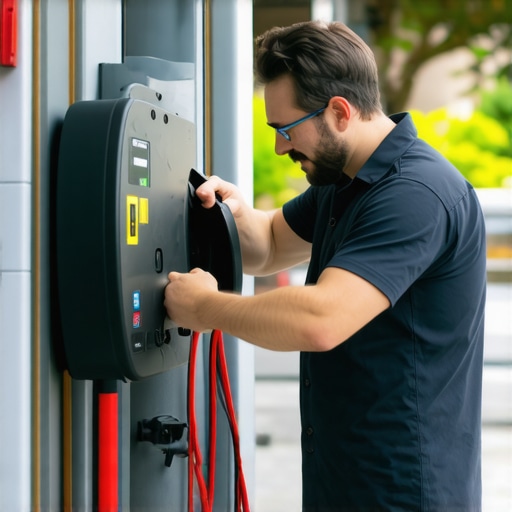
Many homeowners and even aspiring electricians fall into common traps when tackling electrical projects for EV chargers and lighting. While the basics are well-understood, let’s dig deeper into the nuances that often go unnoticed but can make or break the safety and efficiency of your installation.
Why Most People Overlook the Importance of Voltage Drop
A frequent misconception is that using the correct wire gauge suffices, but neglecting voltage drop over long runs can lead to slow charging or dim lights. Voltage drop occurs when the wire’s resistance causes a reduction in voltage reaching the device, which can compromise performance and longevity. According to the lighting safety guide, it’s crucial to calculate voltage drop and select appropriate wire sizes, especially for runs exceeding 50 feet.
Myth: Grounding Is Just a Formality
Many DIY enthusiasts think that grounding is secondary to proper wiring. In reality, improper grounding can lead to electric shocks or equipment damage—even if your wiring looks perfect on the surface. Ensuring continuous, low-resistance grounding paths and verifying with a multimeter is essential. Remember, grounding isn’t just a code requirement; it’s your primary safety mechanism.
Advanced Mistake: Ignoring the Impact of Harmonics and Power Quality
For those installing high-capacity EV chargers or sophisticated lighting systems, understanding power quality becomes vital. Harmonics—distortions in the electrical waveform—can cause overheating, reduce efficiency, and damage sensitive electronics. A study by the IEEE Power & Energy magazine highlights how harmonics can be mitigated through proper circuit design and the use of filters. Overlooking this can lead to costly repairs and unreliable operation.
Have you ever fallen into this trap? Let me know in the comments!
Keeping your electrical system in top shape is vital for safety, efficiency, and long-term performance, especially when managing components like EV chargers and lighting. Over the years, I’ve tested and refined a set of tools and methods that make maintenance straightforward and reliable, ensuring your setup remains safe and operational for years to come.
Invest in a Quality Multimeter
A reliable digital multimeter is the cornerstone of any electrical maintenance toolkit. I personally prefer the Fluke 117 because of its accuracy, durability, and ease of use. It allows me to quickly verify voltages, test continuity, and confirm grounding without guesswork. Regularly testing your circuits with a multimeter helps catch issues like voltage drops or loose connections before they escalate into costly repairs. For a comprehensive guide on how to use a multimeter effectively, check out this troubleshooting resource.
Utilize Thermal Imaging Cameras for Hidden Problems
One game-changing tool I’ve recently incorporated is a thermal imaging camera, such as the FLIR One. This device helps me identify hotspots indicating overloaded circuits, faulty wiring, or excessive resistance. Detecting these issues early prevents potential fires and equipment failures. Although initially an investment, I consider it essential for ongoing maintenance and safety inspections, especially in complex lighting setups or high-capacity EV stations.
Establish a Routine Inspection Schedule
Consistency is key. I recommend performing visual inspections every six months, looking for signs of wear, corrosion, or loose connections. During these checks, use your multimeter to verify voltage levels and grounding continuity. Document your findings to track changes over time. This habit not only prolongs system life but also instills confidence that your electrical environment is safe. To streamline your inspections, consider setting reminders using apps like Evernote or specialized home maintenance software.
Stay Updated with Software and Code Changes
While tools are vital, keeping up with evolving electrical codes and standards ensures your maintenance practices remain compliant. I subscribe to updates from the NEC (National Electrical Code) and regularly review industry blogs. For example, recent changes emphasize the importance of AFCI breakers, which I now routinely install to prevent arc faults. Staying informed helps me advise clients better and maintain installations that are both safe and future-proof.
Predicting Future Trends: Smart Monitoring
Looking ahead, I believe smart electrical monitoring systems will become standard. Devices that provide real-time alerts for voltage irregularities, overheating, or faults via smartphone apps will revolutionize maintenance routines. Imagine receiving an instant notification if your EV charger or lighting circuit develops a problem—preventing damage before it happens. Embracing these technologies now positions you ahead of the curve and enhances your system’s reliability.
How do I maintain my electrical system over time?
One effective way is to integrate regular inspections with smart monitoring tools, ensuring issues are caught early. Combine this with quality testing equipment like a multimeter and thermal camera, and you’ll have a comprehensive approach to long-term safety and performance. For detailed advice on troubleshooting and maintaining your setup, visit our guide on EV charging safety. Don’t forget—staying proactive today saves you from costly repairs tomorrow. Why not try scheduling your next inspection with a thermal camera for that extra layer of peace of mind?
The Hardest Lesson I Learned About Electrical Safety for EV and Lighting Projects
One of my most valuable lessons was realizing that rushing through safety checks can cost much more than taking the time upfront. I once skipped verifying grounding connections, thinking it was a minor step. When a fault occurred, I faced costly repairs and a frightening shock. That experience taught me that meticulous safety practices aren’t optional—they’re essential for peace of mind.
Three Common Myths About Electrical Safety That Can Hold You Back
I used to believe that using the correct wire gauge and circuit breaker was enough. But neglecting aspects like voltage drop and power quality can undermine safety and performance. Busting these myths has helped me avoid hazards and optimize my system’s longevity, especially for high-capacity EV chargers and smart lighting.
What Experts Won’t Tell You About Long-Term EV and Lighting Safety
Many overlook the importance of regular inspections and advanced tools like thermal cameras. I’ve learned that early detection of hotspots and loose connections prevents fires and costly failures. Investing in these safety measures and staying updated with code changes is what truly keeps my systems reliable and safe over the years.
Curated Tools That Make a Difference in Electrical Safety
My essential toolkit includes a high-quality multimeter like the Fluke 117 for accurate testing, a thermal imaging camera such as the FLIR One for spotting hidden issues, and smart monitoring systems for real-time alerts. These tools have transformed my approach from reactive to proactive, ensuring ongoing safety and performance.
Your Turn to Take Charge of Electrical Safety
Remember, mastering the art of safe EV charger and lighting installation isn’t just about following rules—it’s about protecting your loved ones and your investment. Stay curious, keep learning, and don’t hesitate to seek professional help when needed. How will you implement these safety lessons in your next project? Share your plans below and let’s grow safer together.
This post hits so many crucial points, especially regarding the importance of proper grounding and circuit protection. I recently had an experience where I installed a GFCI outlet outdoors for a new landscape lighting system without adequately verifying the grounding connection. Luckily, I caught it during a routine check with my multimeter, but that close call reminded me how essential these safety steps are. I’ve also started using thermal cameras to catch hotspots early, which has been a game-changer in preventing potential fires. One thing I’ve noticed is how voltage drop can go unnoticed but seriously impact performance—especially with longer wire runs. Do others here have tips for calculating voltage drop more accurately or tools that make it easier? It’s eye-opening to see how small details, like wire gauge and quality connectors, can make a huge difference in long-term safety and efficiency.
Reading this post really underscores how critical proper planning and safety checks are when installing EV chargers and lighting systems. I recall a project where I overlooked the importance of voltage drop calculations, especially over long cable runs. The slow charging speeds and dim lighting I experienced afterward could have been avoided with better wire sizing and a more detailed planning phase. Since then, I’ve started using online voltage drop calculators, which make it easier to determine the right wire gauge beforehand. Has anyone found any particular tools or apps that simplify this process further? It’s incredible how such a small oversight can lead to inefficiencies and potential hazards. Also, I appreciate the emphasis on routine inspections—very much a proactive approach to home electrical safety. How do others here integrate these regular checks into their maintenance routines without it feeling overwhelming? I believe investing in good tools now pays off in safety and peace of mind down the line.