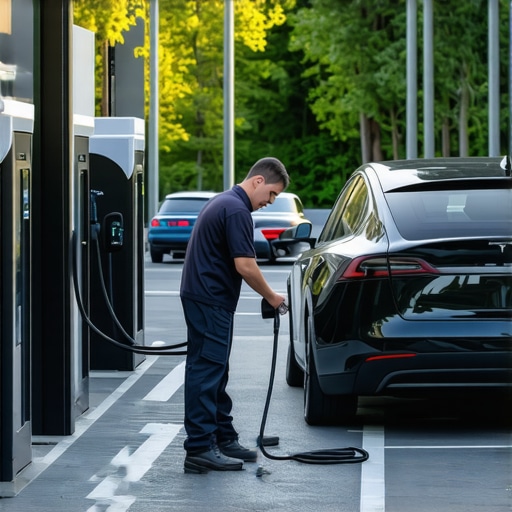
My Journey to Smooth EV Charging: A Personal Tale
Ever since I decided to switch to an electric vehicle, I knew that having a reliable home charging setup was crucial. I remember the first time I faced an unexpected issue with my EV charger—frustrating but also a learning experience. That moment ignited my curiosity about troubleshooting and proper installation, which I now consider essential skills for any EV owner.
Why Proper Installation Matters for Your EV Charger
From my experience, a well-installed EV charger not only ensures safety but also prolongs its lifespan. I learned that choosing the right location and following manufacturer guidelines can prevent many common problems. For instance, I discovered that proper grounding and circuit protection are vital, which you can find detailed in professional resources like the electrician’s installation guide.
Key Troubleshooting Tips I Swear By
Over the years, I’ve encountered various issues—charger not powering up, slow charging, or error messages. Here are some personal tips:
- Always check the circuit breaker—sometimes, a simple reset fixes the problem.
- Inspect the charging cable and connectors for any damage or dirt.
- Ensure your home Wi-Fi connection is stable if your charger has smart features.
For more detailed troubleshooting, I recommend visiting expert troubleshooting tips.
What Are the Latest Trends in EV Charger Tech for 2025?
I’ve been keeping an eye on innovations, and it’s exciting! Features like faster charging, smarter energy management, and enhanced safety protocols are becoming standard. According to industry experts, these advancements are making EV charging more efficient and user-friendly. For example, integrating your charger with smart home systems can optimize energy use and reduce costs.
How Can I Ensure My EV Charger Is Safe and Efficient?
This question has been a personal focus for me. I ensure safety by hiring certified electricians for installation and regularly inspecting my setup. I also follow safety tips from authoritative sources like electrician safety advice. Proper grounding, surge protection, and adherence to local electrical codes are non-negotiables in my book.
If you’re new to EV charging or troubleshooting, I highly recommend exploring further tips on home installation guides.
Would you like to share your EV charging stories or tips? Feel free to leave a comment below—I’m always eager to learn from fellow EV enthusiasts!
Understanding the Nuances of EV Charger Safety for Long-Term Reliability
As an experienced electrician and EV enthusiast, I can attest that safety is the cornerstone of a reliable charging setup. Beyond basic grounding and circuit protection, there are nuanced considerations such as the importance of proper cable management and environmental factors. For instance, exposure to moisture or extreme temperatures can degrade charger components over time. To mitigate these risks, professional installations should include weatherproof enclosures and corrosion-resistant materials, aligning with standards outlined in expert lighting and electrical safety tips.
Practical Strategies for Maintaining Peak Charging Efficiency
Maximizing efficiency isn’t just about the hardware; it involves smart practices. Regular inspection of cables for wear and ensuring your home’s electrical system can handle the load are crucial steps. For example, upgrading your home’s circuit breaker to a dedicated EV outlet can prevent overloads and ensure consistent power delivery. Smart energy management systems that integrate with your EV charger can also optimize charging times, utilizing off-peak hours for cost savings. To explore these advanced solutions, check out lighting installation guides that delve into safe and efficient electrical setups.
What Are the Hidden Complexities in EV Charger Troubleshooting?
Many homeowners overlook the subtle issues that can cause charging disruptions. For example, a minor wiring fault or a loose connection can trigger error codes, yet these problems often mimic more severe electrical faults. As a seasoned electrician, I recommend systematic troubleshooting: start with inspecting the circuit breaker, then examine the cable connections, and finally, verify the software updates if your charger has smart features. When problems persist, consulting authoritative technical resources like expert troubleshooting tips can save time and prevent safety hazards.
How Can I Future-Proof My EV Charging Setup for 2025 and Beyond?
This question is vital for long-term satisfaction. Future-proofing involves selecting chargers with upgradeable firmware, compatibility with emerging smart home devices, and modular designs that allow component upgrades without complete replacement. Additionally, considering renewable energy integration—such as solar panels—can further enhance sustainability. Keeping abreast of industry innovations through trusted sources ensures your setup remains ahead of the curve. For a comprehensive approach, I recommend reviewing the latest trends in EV charging technology.
If you found these insights valuable, I encourage you to share your own experiences or ask questions in the comments below. For more in-depth guidance, explore our detailed articles on home EV station setup or troubleshooting common issues.
Mastering the Art of Long-Term EV Charger Care: Personal Lessons and Advanced Insights
Over the years, my journey with electric vehicle chargers has evolved from basic troubleshooting to understanding the subtle nuances that influence long-term reliability. One thing I’ve learned is that maintaining your charger isn’t just about fixing issues as they arise; it’s a proactive dance that involves understanding environmental impacts, component aging, and smart upgrades.
How Do Environmental Factors Subtly Impact EV Charger Longevity?
Having installed chargers in various climates, I’ve observed that exposure to moisture, temperature fluctuations, and dust can accelerate wear and corrosion. For instance, even a well-sealed outdoor charger may experience micro-cracks over time, allowing moisture ingress that compromises internal electronics. To mitigate this, I always recommend professional installations that include weatherproof enclosures and corrosion-resistant materials, aligning with the standards outlined in expert lighting and electrical safety tips. Regular inspections for signs of corrosion or moisture buildup can prevent costly failures down the line.
What Are the Subtle Signs That My EV Charger Is Aging Unnoticed?
In my experience, many homeowners overlook early signs of aging—like slight increases in charging time, irregular error messages, or minor physical degradation of cables. These symptoms often point to internal component fatigue or connection issues that, if addressed early, can extend the charger’s lifespan significantly. For example, inspecting and replacing worn cables or tightening loose connections prevents small faults from escalating. For detailed guidance, I recommend reviewing top maintenance tips that keep your setup in peak condition.
How Can I Future-Proof My EV Charging System Against Evolving Tech?
This has been a personal passion of mine: ensuring my setup is adaptable to future innovations. Choosing chargers with firmware that can be upgraded remotely, or that support modular hardware components, makes a lot of sense. Moreover, integrating renewable energy sources like solar panels not only reduces costs but also aligns with sustainable practices. Industry trends suggest that smart energy management systems—capable of dynamic load balancing and off-peak charging—will become standard. To stay ahead, I follow reputable sources like industry updates on EV tech, which inform my upgrade strategies.
What Are the Key Considerations When Upgrading or Replacing My EV Charger?
Upgrading isn’t simply about choosing the latest model; it involves assessing your current electrical capacity, compatibility with your vehicle, and future needs. For example, installing a charger with higher amperage might require an electrical system upgrade to support faster charging speeds safely. When in doubt, consulting a certified electrician ensures that your upgrade adheres to safety standards and maximizes performance. For comprehensive guidance, explore home installation guides that walk you through the process step by step.
Sharing your own experiences or questions about charger longevity and upgrades can be incredibly helpful. Feel free to leave a comment below, and let’s learn from each other’s journeys toward safer, more reliable EV charging solutions!
Deciphering the Impact of Environmental Stressors on EV Charger Durability
Over years of hands-on experience, I’ve observed that subtle environmental factors can significantly influence the longevity of your EV charging infrastructure. Moisture infiltration, temperature swings, and airborne pollutants can accelerate corrosion and electronic fatigue, especially in outdoor installations. For instance, micro-cracks in weatherproof enclosures often go unnoticed but serve as entry points for moisture, leading to internal damage over time. To combat this, I advocate for professional-grade weatherproof enclosures that meet the latest standards, such as those outlined in expert safety guidelines. Regular inspections, including moisture scans and corrosion checks, are critical preventive measures that can save costly repairs and ensure consistent performance.
Unseen Signs of Aging in Your EV Charger: Beyond the Obvious
In my practice, I’ve identified that early indicators of wear often manifest subtly—slightly increased charging durations, sporadic error messages, or degraded cable flexibility. These symptoms frequently signal internal component wear or connection degradation. For example, a loose terminal can cause intermittent faults, which, if ignored, may escalate into complete failure. Addressing these issues promptly involves routine inspections and component replacements, guided by detailed maintenance checklists available at top maintenance tips. Staying vigilant about such signs is vital in extending your charger’s operational lifespan and maintaining peak efficiency.
Future-Proofing Your EV Charging System: Embracing Innovation and Flexibility
Looking ahead, I emphasize selecting chargers with firmware upgrade capabilities and modular hardware, ensuring compatibility with upcoming smart home integrations. This approach aligns with the broader industry trend towards adaptable, sustainable systems—consider integrating renewable energy sources like solar panels, which can offset energy costs and promote environmental responsibility. Staying informed via reputable sources such as industry updates on EV tech enables strategic planning for future upgrades. By prioritizing flexible, upgradeable setups, you safeguard your investment and adapt seamlessly to technological advancements.
What Are the Most Critical Considerations When Upgrading or Replacing an Existing EV Charger to Maximize Longevity and Performance?
This is a question I frequently encounter from homeowners eager to optimize their systems. Upgrading should involve a thorough assessment of your current electrical capacity, compatibility with your EV model, and potential future needs. For instance, installing a high-amperage charger may necessitate electrical system enhancements, such as panel upgrades, to ensure safety and performance. Consulting a certified electrician guarantees adherence to safety standards and correct implementation. To facilitate this process, I recommend reviewing comprehensive guides like home installation guides. Engaging professionals and leveraging detailed planning ensures your system remains resilient and efficient over the long term.
If you’re interested in sharing your experiences or seeking tailored advice, I invite you to connect through our contact page. Engaging with a community of informed EV owners can provide invaluable insights and support your journey toward a robust, future-ready charging setup.
Things I Wish I Knew Earlier (or You Might Find Surprising)
Environmental Factors Can Be Subtle Saboteurs
Over the years, I’ve realized that environmental stressors like moisture, temperature fluctuations, and dust can quietly undermine your EV charger’s longevity. Installing weatherproof enclosures and performing regular inspections have been game changers in maintaining optimal performance. It’s something I wish I had prioritized from the start.
Early Signs of Wear Are Often Overlooked
Slight increases in charging time or minor error messages can be easy to dismiss, but they often hint at internal degradation. Paying close attention to these signs and addressing them promptly has helped me extend my charger’s lifespan significantly.
Proper Grounding and Circuit Protection Are Non-Negotiable
From personal experience, ensuring correct grounding and circuit protection is vital for safety and durability. Skipping these steps can lead to costly issues down the line, so I always recommend consulting professional resources and certified electricians.
Smart Upgrades Can Future-Proof Your Setup
Choosing chargers with firmware upgrade capabilities and modular components allows your system to adapt to emerging technology. This proactive approach has saved me from frequent replacements and keeps my setup aligned with the latest standards.
Resources I’ve Come to Trust Over Time
- ReliableElectricPro Blog: Their comprehensive guides on troubleshooting and installation have been invaluable. I recommend exploring their articles to deepen your understanding.
- Industry Standards from the National Electrical Code (NEC): Knowing the NEC guidelines has helped me ensure my setup meets safety and performance benchmarks. It’s a trustworthy resource for any electrical project.
- Manufacturer’s Manuals and Support: Always refer to your charger’s official documentation. It’s the most accurate source for specific troubleshooting and maintenance tips.
- Certified Electrician Advice: My go-to for complex issues. Their expertise ensures safety and reliability in every upgrade or repair.
Parting Thoughts from My Perspective
Maintaining a reliable EV charging setup is an ongoing journey that combines proactive care, environmental awareness, and smart upgrades. My experience has taught me that paying attention to subtle signs and adhering to safety standards can make all the difference in ensuring long-term performance. If this resonates with you, I’d love to hear your thoughts or experiences. Share it with someone who might find it helpful, and feel free to drop your own tips in the comments. Together, we can make EV charging safer and more efficient for everyone.
Reading about your journey with EV chargers truly resonated with me. I recently installed my charger outdoors and was concerned about environmental factors impacting its longevity. Your insights on weatherproof enclosures and routine inspections encouraged me to take proactive steps. I’ve also noticed that subtle signs like slight increases in charging time often go unnoticed, but being vigilant can help catch issues early. I’m curious, have you experimented with smart energy management systems? Do they really make a noticeable difference in cost savings and efficiency? I’d love to hear more about your experiences with these technologies and any tips for optimizing long-term performance. Your emphasis on safety and future-proofing struck a chord, especially as I plan to upgrade my setup next year to support faster charging. Thanks for sharing such detailed and practical advice; it’s inspiring to see how ongoing maintenance and smart choices can extend the lifespan of EV equipment.