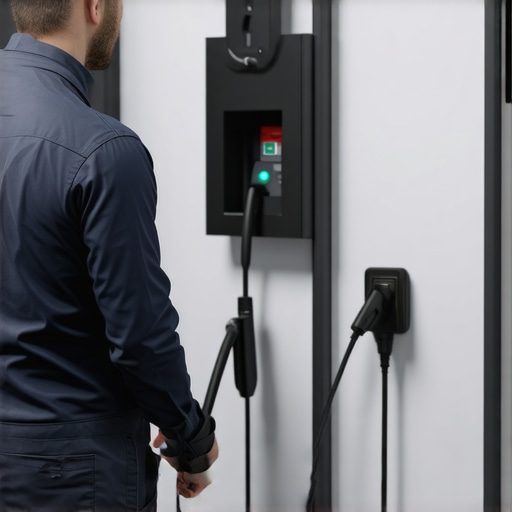
Getting Started: How My EV Charging Adventure Began
I’ll never forget the day I decided to install an electric vehicle (EV) charger at home. Like many homeowners, I was eager to embrace sustainable living and save on those pesky public charging station fees. However, I quickly realized that the journey of setting up and troubleshooting an EV charger is filled with surprises and learning curves. In this article, I want to share my personal experience, insights, and practical tips to help fellow homeowners navigate this electrifying journey.
The First Step: Choosing the Right EV Charger for My Home
My first challenge was selecting a compatible charger. After researching online and consulting with certified electricians, I understood that my home’s electrical capacity and wiring needed careful assessment. I learned that installing a Level 2 charger could significantly reduce charging times, but it required a dedicated circuit. This was confirmed by authoritative sources like the U.S. Department of Energy, which emphasizes proper electrical planning for safe and efficient EV charging.
DIY or Professional Installation? The Dilemma
Initially, I thought about doing it myself, but my experience with electrical work is limited. I decided to hire a licensed electrician, and I’m glad I did. Professional installation ensures safety and compliance with local codes. My electrician performed a thorough assessment and handled all wiring, grounding, and safety measures, making the entire process smooth. For others considering DIY, I recommend reviewing detailed guides like the EV Charger Troubleshooting & Installation Guide.
Facing Unexpected Troubles: When Things Don’t Go as Planned
One day, my charger refused to turn on. Frustrating, indeed! I followed troubleshooting steps I found in trusted resources such as the EV Charger Troubleshooting Tips. Turns out, a loose connection was the culprit. This experience reinforced the importance of regular maintenance and being familiar with troubleshooting techniques. For me, having a basic understanding of electrical faults made a real difference.
What’s the most common EV charger issue homeowners face, and how can I prevent it?
From my experience, the most common issue is a power supply or connection problem. To prevent this, I recommend scheduling annual inspections with qualified electricians, especially if you notice erratic charging or error messages. Proper installation and regular checks can save you time and money in the long run.
If you’re contemplating installing an EV charger, I encourage you to explore comprehensive guides like the Ultimate Guide to EV Charger Troubleshooting & Safe Installation. And if you ever encounter issues, don’t hesitate to seek professional advice. Reliable electricians are always ready to help ensure your home charging station operates safely and efficiently.
Feel free to share your own experiences or ask questions in the comments below. Together, we can make EV charging at home a seamless and enjoyable experience!
Delving Deeper: How to Optimize Your EV Charging System for Longevity
As an electrician with extensive experience, I often encounter homeowners who overlook the importance of proper maintenance beyond initial installation. Regular inspections and proactive troubleshooting can extend the lifespan of your EV charger and prevent costly repairs. Did you know that dust accumulation, loose wiring, or corrosion can impair charger performance? Scheduling routine check-ups, especially before winter or during rainy seasons, can help identify issues early. For instance, inspecting grounding connections and ensuring ventilation for indoor units can prevent overheating and electrical faults, which are common causes of charger failure.
Understanding the Nuances of Electrical Compatibility and Upgrades
Sometimes, homeowners face unexpected issues due to electrical system limitations. An outdated panel or insufficient circuit capacity can cause frequent tripping or error messages. Upgrading your electrical panel or installing dedicated circuits for EV charging can significantly improve reliability. Consulting with a seasoned electrician ensures your home wiring meets current standards and can handle future upgrades, like higher-capacity chargers or additional electrical appliances. For example, a recent project involved upgrading a 100-amp service to 200 amps to support multiple EV chargers, which not only resolved ongoing issues but also increased overall home safety. To learn more about electrical upgrades, visit Lighting Installations Made Easy.
Creative Solutions for Troubleshooting Advanced EV Charger Problems
Beyond basic connection issues, some chargers exhibit strange behaviors such as intermittent charging or firmware errors. These problems often require a systematic approach: checking the Wi-Fi connection, updating firmware, and verifying compatibility with your vehicle. Using diagnostic tools and following manufacturer guidelines can help pinpoint the root cause. When standard troubleshooting fails, professional electricians can perform advanced diagnostics, including inspecting the power quality and conducting load testing. For more detailed troubleshooting techniques, consider reading EV Charger Troubleshooting & Safe Installation.
What’s the most overlooked aspect when maintaining an EV charging station at home, and how can I address it?
One often overlooked aspect is the importance of proper circuit protection and regular testing of safety devices like GFCIs and circuit breakers. Ensuring these components are functioning correctly can prevent electrical hazards and ensure continuous operation. Regularly inspecting these safety devices and replacing them if they show signs of wear or malfunction is a simple yet effective way to maintain safety and performance. Additionally, keeping detailed maintenance logs can help track issues over time, making diagnostics more efficient. Want to dive deeper into maintaining your EV charging infrastructure? Check out Top EV Charger Maintenance Tips for expert advice.
If you’re considering expanding your electrical system or need tailored troubleshooting, don’t hesitate to reach out through our contact page. Sharing your experiences or asking questions can also help fellow EV owners navigate similar challenges. Remember, a well-maintained charging station not only ensures safety but also enhances your EV ownership experience.
Unveiling Hidden Challenges: Why Even Sophisticated EV Charging Systems Need Vigilant Maintenance
Over the years, my experience as an electrician has shown me that homeowners often overlook the silent wear and tear that can compromise their EV charging stations. Beyond the obvious issues like loose connections or faulty wiring, subtle factors such as environmental influences and system upgrades can quietly undermine performance. For instance, dust accumulation in indoor units or corrosion on grounding points can lead to intermittent faults that are difficult to diagnose without a trained eye. Regular, proactive inspections—much like a health check-up—are essential to ensure longevity and safety. I recommend scheduling semi-annual reviews, especially if your system is exposed to harsh weather or if you’ve recently upgraded your electrical panel. These check-ups can reveal early signs of deterioration, preventing costly repairs down the line.
Deciphering Complex Electrical Compatibility: How to Future-Proof Your EV Charging Infrastructure
One of the most nuanced challenges I’ve encountered involves ensuring your home’s electrical system can support evolving EV technology. Outdated panels or insufficient circuit capacity can cause frustrating power trips or slow charging. Upgrading your electrical infrastructure isn’t just about handling current demands but also about preparing for future needs—like higher-capacity chargers or additional electrical appliances. For example, I recently oversaw a project where upgrading from a 100-amp to a 200-amp service not only resolved ongoing issues but also enhanced overall home safety. This process involves meticulous planning, considering load calculations, and adhering to local codes. Consulting a seasoned electrician familiar with the latest standards ensures your system stays resilient and adaptable. For detailed insights, explore lighting installation best practices.
Addressing Advanced Troubleshooting: How to Tackle Firmware and Network Glitches in Modern Chargers
In my work, I often see sophisticated EV chargers exhibiting strange behaviors—firmware errors, inconsistent charging, or Wi-Fi connectivity issues. These problems require a systematic diagnostic approach. First, I check the firmware version and verify compatibility with the vehicle, referencing manufacturer guidelines. Firmware updates can fix bugs and improve stability, but they must be executed carefully, ideally by professionals. Additionally, network-related issues can disrupt smart charging features, so I recommend ensuring your Wi-Fi signal is strong and secure. Using diagnostic tools and load testing can reveal underlying electrical issues affecting performance. When standard troubleshooting doesn’t suffice, advanced diagnostics—like inspecting power quality and conducting load analysis—are invaluable. For comprehensive techniques, I refer owners to this expert troubleshooting guide.
What overlooked aspect can compromise your EV charger’s safety and efficiency, and how should you address it?
One critical yet often neglected element is the maintenance of safety devices like GFCIs and circuit breakers. Ensuring these components are functioning correctly is vital for electrical safety and uninterrupted operation. Regular testing—using test buttons on GFCIs—and timely replacement if faults are detected can prevent electrical hazards. Additionally, maintaining detailed logs of inspections and repairs helps track system health over time, making diagnostics more precise. From my perspective, prioritizing these safety checks is a simple yet powerful way to extend your charger’s lifespan and keep your home safe. To deepen your understanding, explore top maintenance tips for optimal performance.
If you’re considering expanding your electrical capacity or need personalized troubleshooting, don’t hesitate to reach out via our contact page. Sharing your experiences or questions can foster a community of informed EV enthusiasts. Remember, a well-maintained charging station is the backbone of a reliable EV ownership journey—trust your instincts, stay vigilant, and keep learning!
Deciphering Complex Electrical Compatibility: How to Future-Proof Your EV Charging Infrastructure
Ensuring your home’s electrical system can adapt to the rapidly evolving landscape of electric vehicle technology is a nuanced challenge that requires foresight and expertise. Outdated panels and limited circuit capacity often lead to persistent power tripping, especially as newer, higher-capacity chargers become more prevalent. To future-proof your setup, it’s essential to engage in meticulous load calculations and adhere to the latest electrical standards, often necessitating a comprehensive upgrade to a 200-amp service or higher. During such upgrades, my approach involves detailed planning—considering existing electrical loads, potential future appliances, and the integration of smart grid-compatible components—to create a resilient infrastructure capable of accommodating current and emerging EV charging demands. Consulting authoritative resources like the National Electrical Code (NEC) provides invaluable guidance in ensuring compliance and safety. For those interested in expanding their electrical capacity intelligently, I recommend exploring detailed upgrade strategies outlined in lighting installation best practices that can be adapted for EV infrastructure enhancement.
Addressing Advanced Troubleshooting: How to Tackle Firmware and Network Glitches in Modern Chargers
Modern EV chargers are increasingly sophisticated, often incorporating firmware that allows for remote diagnostics and updates. However, this complexity can introduce unique challenges—firmware errors, intermittent charging, or connectivity issues—that demand a systematic, expert approach. My first step involves verifying the firmware version against manufacturer specifications, ensuring compatibility with the vehicle model and network infrastructure. Firmware updates, while beneficial, require careful execution—preferably performed by qualified electricians—since improper updates can exacerbate issues. Additionally, network stability plays a pivotal role; I routinely assess Wi-Fi signal strength and security protocols, as weak or compromised connections can impair smart charging functionalities. When troubleshooting persists beyond basic steps, I employ diagnostic tools like load testers and power quality analyzers to identify electrical anomalies, such as harmonic distortion or voltage sags, which can silently impair performance. For comprehensive guidance, I often recommend owners review this expert troubleshooting guide—a resource that encapsulates best practices for diagnosing and resolving complex issues.
What overlooked aspect can compromise your EV charger’s safety and efficiency, and how should you address it?
One critical yet often neglected element is the ongoing maintenance of safety devices like GFCIs and circuit breakers. These components serve as the first line of defense against electrical faults, yet their performance can degrade over time due to environmental factors or mechanical wear. Regular testing—using built-in test buttons on GFCIs—and prompt replacement of faulty units are vital steps in maintaining a safe charging environment. Moreover, keeping detailed maintenance logs facilitates early detection of recurring issues, enabling targeted interventions before failures occur. In my experience, proactive safety checks are not merely compliance measures but essential practices that sustain operational integrity and protect your home. For deeper insights, I recommend reviewing top maintenance tips that highlight essential safety protocols and maintenance routines.
If you’re contemplating expanding your electrical infrastructure or seeking tailored troubleshooting strategies, I invite you to reach out through our contact page. Sharing your experiences and questions not only benefits your own system’s longevity but also enriches our community’s collective knowledge, empowering everyone to optimize their EV charging solutions for safety, efficiency, and future readiness.
Things I Wish I Knew Earlier (or You Might Find Surprising)
The Hidden Cost of Poor Wiring
One thing I underestimated when installing my home EV charger was the importance of proper wiring. Initially, I thought a simple setup would suffice, but I learned the hard way that outdated or faulty wiring can cause frequent issues and safety hazards. Regular inspections and upgrading wiring when needed saved me headaches in the long run.
Overlooking Circuit Capacity
Many homeowners forget to check if their electrical panel can handle the additional load. I once experienced tripping circuits because my panel was maxed out. Upgrading to a 200-amp service made a huge difference, ensuring smooth charging without interruptions.
The Power of Regular Maintenance
Routine checks on safety devices like GFCIs and circuit breakers are often neglected. I now make it a habit to test these components monthly. It’s a small effort that significantly enhances safety and performance.
Firmware and Network Glitches Are Common
Modern chargers are sophisticated, and firmware errors or Wi-Fi issues can be frustrating. Keeping firmware updated and ensuring a strong network connection has been key to reliable charging in my experience.
Don’t Underestimate Environmental Factors
Indoor or outdoor placement impacts longevity. Dust, moisture, and corrosion can silently degrade your system. Regular cleaning and proper placement are simple yet effective measures I recommend.
Resources I’ve Come to Trust Over Time
- U.S. Department of Energy: Their guidelines on electrical safety and EV infrastructure are thorough and trustworthy. I refer to their resources often for compliance tips.
- National Electrical Code (NEC): Essential for understanding local standards and best practices for electrical upgrades and safety.
- ReliableElectricPro Blog: Their detailed guides on troubleshooting and maintenance have been invaluable for my DIY efforts and professional advice.
Parting Thoughts from My Perspective
Installing and maintaining a home EV charging station might seem daunting at first, but with proper planning and regular upkeep, it becomes a seamless part of your EV ownership. The key takeaway for me has been the importance of proactive maintenance, understanding your electrical system, and not hesitating to seek expert help when needed. If you’re considering this journey, remember that every small step towards proper setup and maintenance can save you time, money, and stress down the line. I hope my insights inspire you to approach your EV charging setup with confidence and curiosity. If this resonated with you, I’d love to hear your thoughts. Feel free to share your experiences or ask questions in the comments. Together, we can make EV charging at home safer, more efficient, and more enjoyable for everyone!
Reading through this personal account really emphasizes the importance of proper electrical assessment before installing an EV charger at home. I recently had a similar experience where my electrician found outdated wiring that could have caused major issues down the line. It’s clear that investing in professional evaluation and upgrades—not just the initial installation—can save a lot of headaches later. One thing I’ve learned from my experience is the value of documenting all maintenance activities and troubleshooting steps; it really helps when issues arise unexpectedly. For anyone still debating between DIY and professional setup, I’d recommend leaning towards expert help, especially when it comes to electrical safety and code compliance. Have others faced unexpected electrical system limitations that needed significant upgrades? Curious about how they managed the process within their existing infrastructure.
This post really hits home when it comes to the importance of thorough electrical evaluation before installing an EV charger. I had a similar experience with my home where outdated wiring almost caused a safety issue, and I’m glad I caught it early thanks to a professional assessment. What I found interesting is how essential regular maintenance and inspections are even after installation — little things like loose connections can cause unexpected trouble later on. It made me wonder, how often do others here schedule these check-ups, especially in older homes? Also, upgrading the electrical panel was a game-changer for me, as it improved both safety and charging speed. For anyone contemplating home EV chargers, I’d ask: what do you think is the most overlooked aspect during installation? Are there any common mistakes that you think could be easily avoided with better planning? It’s exciting to see so many resources available, but proactive maintenance seems like the best way to ensure long-term reliability.
Reading this detailed account really highlights the importance of initial electrical assessments and ongoing maintenance for home EV chargers. My experience aligns with the idea that regular inspections can catch potential issues early—like loose wiring or corrosion—that might otherwise cause unexpected failures. I recently upgraded my electrical panel to support my new charger, and it’s made a huge difference in maintaining consistent charging speeds and safety. One challenge I faced was ensuring the placement of the charger was protected from environmental factors, especially where there was high humidity. Have others dealt with specific environmental challenges, and what solutions worked best for safeguarding their systems? Also, I’m curious about how often others schedule routine maintenance checks, especially in older homes with aging wiring. Proactive care seems to be the key to long-term reliability, but finding the right maintenance schedule can be tricky. Would love to hear strategies from fellow homeowners on balancing regular inspections without adding too much cost or inconvenience.
Reading this post really resonated with me, especially the part about the importance of regular maintenance and troubleshooting beyond initial installation. When I installed my EV charger last year, I didn’t realize how environmental factors like dust and humidity could silently affect system performance over time. Now, I make it a point to schedule bi-annual inspections with a qualified electrician, focusing on grounding, connections, and safety device functionality. One challenge I faced was figuring out how to shield my outdoor charger from weather elements without frequent cleaning or corrosion issues. I ended up installing a protective enclosure that allows air flow but keeps moisture out, which has significantly improved reliability. Considering the evolving technology, how do others keep their systems future-proof, especially as higher-capacity chargers become more common? Are there specific upgrades or systems that have worked well in older homes with limited electrical capacity? Would love to hear those real-world solutions from fellow homeowners.
This post really captures the essence of starting an EV charging home setup with careful planning and ongoing maintenance. I recall when I first installed my charger, I underestimated how much the environment could impact performance—especially in outdoor setups exposed to humidity and dirt. Regular inspections and ensuring proper grounding have made a big difference in the longevity of my system. It’s interesting you mention upgrading the electrical panel; I recently did that in my older home, and it improved everything significantly. One question I have for other homeowners is, what’s the most effective way you’ve found to protect outdoor charging stations from weather damage without frequent cleaning? Also, do you think future electrical upgrades will become more straightforward with emerging smart grid technologies? I’d love to hear how others are future-proofing their infrastructure amidst evolving EV technology. Overall, proactive maintenance and planning seem to be the keys for reliable and safe home charging, and it’s great to see so many resources helping us along the way.