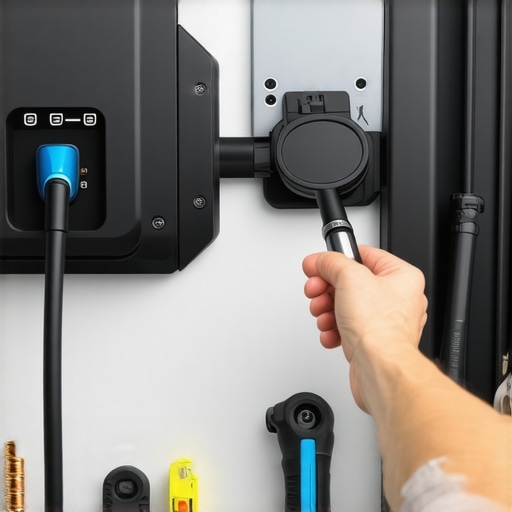
Discovering the World of EV Charging: My First Encounter
I vividly remember the day I decided to install my own electric vehicle (EV) charger at home. It was a mix of excitement and a bit of nervousness—like stepping into uncharted territory. As someone passionate about sustainable living, I knew that having a reliable, safe home charging station was crucial for my EV journey. However, the path was not without its challenges, especially when troubleshooting issues that popped up unexpectedly.
Understanding the Basics: Why Home EV Charger Troubleshooting Matters
From my experience, understanding common problems with EV chargers can save you a lot of time and frustration. For example, I once faced an issue where my charger wouldn’t start charging. After some research and a bit of trial and error, I realized it could be due to wiring issues or circuit breaker problems. Learning to diagnose these problems was essential, and I found that consulting detailed guides, like the expert troubleshooting tips, made a significant difference.
Installing Your EV Charger: A Step-by-Step Personal Reflection
When I installed my EV charger, I followed a precise process that included assessing my home’s electrical system, ensuring proper grounding, and selecting the right location. Safety was my top priority, so I consulted a professional electrician to double-check my work. For detailed guidance, I referred to resources like the installation troubleshooting guide. This helped me avoid common pitfalls and ensured my setup was both safe and efficient.
What If My Charger Still Won’t Work? Exploring Troubleshooting Questions
How Can I Tell if My EV Charger Is Faulty or If the Problem Lies Elsewhere?
This is a question I often pondered during my troubleshooting journey. The answer lies in systematically testing components—checking circuit breakers, inspecting wiring connections, and verifying that the vehicle’s charging port is functioning correctly. Sometimes, the issue is as simple as a loose connection or a tripped breaker, which I learned from the troubleshooting lighting installations guide.
If you’re facing persistent issues, I recommend consulting a licensed electrician. They can perform a comprehensive diagnosis and ensure your system adheres to safety standards, like those outlined on the privacy policy page.
Feeling empowered with troubleshooting skills transformed my EV ownership experience. I encourage you to share your own stories or ask questions—after all, learning from each other’s experiences helps us all navigate the world of home EV charging more confidently.
Decoding the Complexities of EV Charger Diagnostics: An Expert’s Perspective
While initial troubleshooting can seem straightforward, many homeowners overlook the nuanced factors that can cause persistent charging issues. For instance, subtle wiring faults or outdated circuit breakers may evade casual inspection but cause significant disruptions. As an experienced electrician, I emphasize the importance of understanding the electrical system’s intricacies, which can be explored in detail through authoritative resources like expert troubleshooting tips. Recognizing the signs of underlying electrical faults — such as intermittent charging or abnormal breaker tripping — can save time and prevent damage.
Advanced Troubleshooting Techniques: Going Beyond the Basics
When standard checks don’t resolve the issue, it’s time to delve deeper. Using a multimeter to test voltage levels at the outlet, inspecting wiring connections for corrosion or loose contacts, and ensuring the EV charger’s firmware is up-to-date are critical steps. Moreover, understanding the importance of proper grounding and surge protection can prevent future problems. For comprehensive guidance, consider consulting resources like lighting troubleshooting guides which, although focused on lighting, share core diagnostic principles applicable to EV chargers. Implementing these advanced techniques can enhance reliability and safety of your charging setup.
How Can You Systematically Isolate and Identify Faults in Your EV Charging System?
This question is vital for homeowners eager to develop a DIY troubleshooting skill set. Start by isolating each component — from the power source to the vehicle connection — and test systematically. For example, verify that the circuit breaker is functioning correctly and not tripping under load. Check wiring connections for signs of wear or corrosion, and test the outlet voltage to confirm it meets the required specifications. If issues persist, consulting a licensed electrician ensures thorough diagnostics and adherence to safety standards. For detailed troubleshooting steps, see expert troubleshooting tips. Additionally, regular maintenance, including inspecting the charger and electrical components, can prevent many common problems before they arise.
To deepen your knowledge on electrical safety and troubleshooting, I recommend exploring EV charger maintenance tips. Sharing your troubleshooting experiences in the comments or with fellow EV owners can also provide valuable insights and foster community learning. If you’re interested in expanding your understanding further, consider reading about smart home integrations that optimize EV charging and lighting solutions, which can be found at smart home electrician guides. Keep exploring and troubleshooting — your EV ownership journey benefits immensely from an informed and proactive approach.
Unraveling the Hidden Layers of EV Charging Challenges
As I delved deeper into troubleshooting my EV charger, I realized that many issues stem from subtle electrical nuances that aren’t immediately apparent to the untrained eye. For instance, intermittent charging can often be traced back to micro-fractures in wiring insulation or minor corrosion at connection points—problems that require a meticulous eye and sometimes advanced tools like a clamp meter or thermal camera to detect. These intricate details remind me that troubleshooting is as much an art as it is a science, demanding patience and a willingness to explore beyond surface symptoms.
How Do Advanced Diagnostics Elevate Your Troubleshooting Skills?
Advanced diagnostics, such as testing voltage stability under different load conditions or verifying the integrity of ground connections, can make a significant difference. For example, I learned that ensuring the EV charger’s firmware is current can preempt compatibility issues and bugs that cause charging disruptions. Resources like expert troubleshooting tips provide invaluable insights into these techniques. Employing such methods has not only enhanced my troubleshooting efficiency but also deepened my appreciation for the complexity of electrical systems involved in EV charging.
What Personal Challenges Did I Face When Diagnosing Persistent Problems?
One of the most challenging situations I encountered was when the charger would trip the circuit breaker unexpectedly. Initially, I suspected a faulty charger, but after consulting a licensed electrician and conducting systematic tests, I discovered that an outdated breaker was unable to handle the load fluctuations during charging cycles. This experience taught me the importance of examining the entire electrical infrastructure—not just the charger itself. It also underscored the value of leveraging professional expertise when faced with persistent or complex issues. To ensure safety and compliance, I recommend consulting professionals through resources like contacting expert electricians.
Reflections on Continuous Learning and Sharing Knowledge
Every troubleshooting session has been a learning opportunity, pushing me to acquire new skills and understand the electrical system more comprehensively. Sharing these experiences with fellow EV owners and online communities has been immensely rewarding. For those eager to expand their knowledge, exploring topics like smart home integrations can open new avenues for optimizing both EV charging and lighting solutions. Remember, troubleshooting is a journey—each problem solved adds to your confidence and technical prowess.
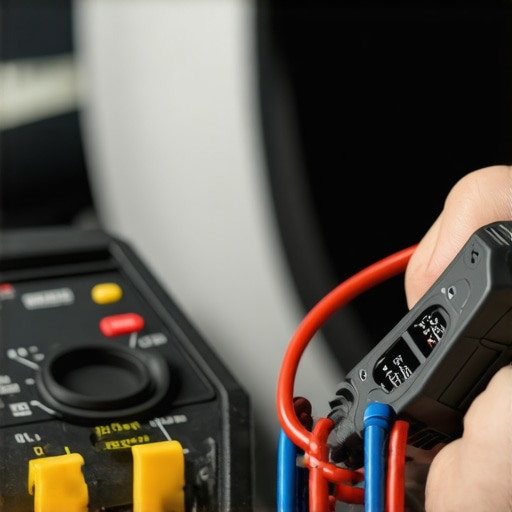
Considering my journey, I encourage you to embrace a proactive approach to troubleshooting. Whether you’re dealing with a simple wiring oversight or a more complex electrical fault, every step taken with patience and curiosity brings you closer to mastering your EV charging setup. Feel free to share your experiences or ask questions below—learning from each other’s stories enriches our collective understanding and makes the process more approachable.
Unraveling Micro-Faults: The Subtle Art of Diagnosing Hidden Electrical Issues
As I delved deeper into my troubleshooting journey, I realized that some persistent EV charging problems stem from micro-faults—tiny, often overlooked issues like micro-fractures in wiring insulation or minor corrosion at connection points. These nuances require a meticulous eye and sometimes advanced diagnostic tools such as thermal cameras or clamp meters. Recognizing these subtle signs has transformed my approach from simple checks to a comprehensive analysis, emphasizing the importance of patience and precision in electrical diagnostics.
Harnessing the Power of Advanced Diagnostic Tools
Employing tools like a multimeter to monitor voltage stability under various load conditions or utilizing a thermal imaging camera to identify hotspots can reveal hidden faults. For instance, thermal imaging can detect heat anomalies at connection points, indicating poor contact or corrosion that might cause intermittent charging. Ensuring your EV charger firmware is up-to-date, as recommended by experts, can preempt compatibility issues and bugs, further safeguarding your system’s reliability. These advanced techniques elevate troubleshooting from reactive fixes to proactive maintenance, aligning with best practices outlined in resources like expert troubleshooting tips.
Addressing Personal Challenges: When Persistent Faults Defy Simple Solutions
One of my most challenging experiences involved troubleshooting an EV charger that kept tripping the circuit breaker unexpectedly. Initial suspicions pointed toward a faulty charger, but further investigation revealed an outdated breaker unable to handle the fluctuating load. This situation underscored the necessity of examining the entire electrical infrastructure, including the breaker panel, wiring conditions, and grounding. Consulting a licensed electrician and considering the guidance at professional support proved invaluable, preventing potential hazards and ensuring compliance with safety standards.
Deepening Knowledge Through Continuous Learning and Community Engagement
Every troubleshooting experience has enriched my understanding of electrical systems. Sharing these insights within online communities fosters collective growth, encourages best practices, and often leads to innovative solutions. For those eager to expand their expertise, exploring topics like smart home integrations can unlock new avenues for optimizing both EV charging and lighting systems. Remember, mastery in electrical troubleshooting is an ongoing journey, where each challenge addressed enhances your confidence and technical acumen.
Integrating Smart Diagnostics: The Future of Home EV System Maintenance
Looking ahead, smart diagnostic systems are revolutionizing how homeowners approach electrical troubleshooting. These systems can continuously monitor critical parameters—such as voltage fluctuations, connection integrity, and device performance—and alert homeowners to potential issues before they escalate. Integrating IoT-enabled sensors with your EV charging station fosters a proactive maintenance environment, reducing downtime and enhancing safety. For detailed guidance on smart home integrations, visit smart home electrician guides. Embracing these innovations can transform your troubleshooting experience from reactive to predictive, ensuring your system remains reliable and efficient.
Final Reflections: Cultivating a Proactive Troubleshooting Mindset
Advanced diagnostics demand a mindset of curiosity, patience, and continuous learning. By employing sophisticated tools, addressing personal challenges with professional support, and embracing emerging smart technologies, you elevate your ability to maintain a resilient EV charging system. I encourage you to share your experiences and insights—each story enriches our collective knowledge and equips us to tackle even the most elusive electrical issues with confidence. Dive deeper into this fascinating field, explore reliable resources, and keep pushing the boundaries of your expertise.
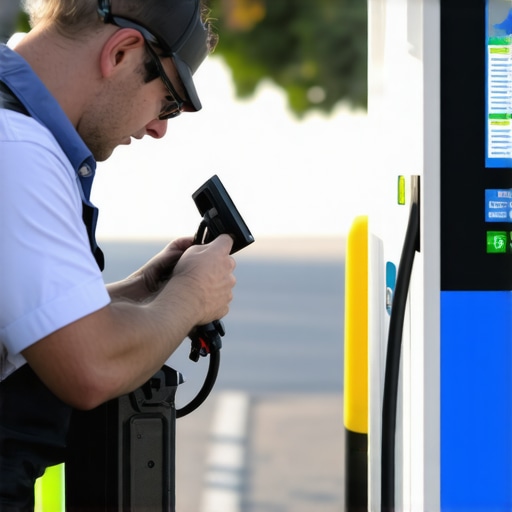
Things I Wish I Knew Earlier (or You Might Find Surprising)
The Hidden Role of Circuit Breakers
One thing I didn’t realize at first was how crucial the condition of my circuit breaker was. I used to think that if everything looked fine, it was working perfectly, but I learned that outdated or faulty breakers can cause intermittent charging issues. Replacing an old breaker with a modern, load-capable one made a huge difference in my troubleshooting journey.
Micro-Faults Are Often the Culprits
Initially, I believed that only obvious wiring faults could cause problems, but subtle issues like micro-fractures in insulation or tiny corrosion spots often caused intermittent failures. Detecting these required a more meticulous approach and sometimes advanced tools, which taught me patience and attention to detail.
The Power of Firmware Updates
Updating my EV charger’s firmware seemed trivial but proved to be surprisingly effective. Sometimes, glitches or bugs in outdated firmware could cause charging disruptions, and a simple update resolved the issues. It’s a reminder that equipment maintenance extends beyond physical components.
Smart Diagnostics Are Game-Changers
Using smart home systems that monitor electrical parameters has been a revelation. These tools can alert you to potential faults before they escalate, saving time and preventing hazards. I recommend exploring integrations like IoT sensors to keep your system in check.
Professional Help is Sometimes Necessary
While DIY troubleshooting is rewarding, I learned that persistent or complex issues often require the expertise of a licensed electrician. Knowing when to call in a pro can prevent damage and ensure safety, especially when dealing with high loads or complex wiring.
Regular Maintenance Is Key
Beyond troubleshooting, routine inspections and maintenance have kept my EV charger running smoothly. Simple tasks like inspecting connections, cleaning contacts, and testing outlets regularly can prevent many problems before they start.
Resources I’ve Come to Trust Over Time
Reliable Electric Pro’s Troubleshooting Guides
This website offers comprehensive, expert-backed troubleshooting tips that helped me diagnose and fix issues efficiently. I recommend bookmarking it for ongoing reference.
National Electrical Code (NEC)
Understanding the NEC has been invaluable for ensuring my installations meet safety standards. It’s a foundational resource for any homeowner working with electrical systems.
Manufacturer’s Firmware and Support Pages
Staying updated with my EV charger’s manufacturer’s resources has helped me troubleshoot firmware bugs and compatibility issues effectively.
Online Forums and EV Owner Communities
Engaging with other EV owners has provided practical tips and shared experiences that complement technical guides beautifully.
Parting Thoughts from My Perspective
Looking back, troubleshooting my EV charger has been an enlightening journey that combined technical learning with patience and curiosity. The most valuable lesson is that a proactive approach—regular maintenance, staying informed on updates, and knowing when to seek professional help—can save a lot of frustration. If this resonates with you, I’d love to hear your own experiences or insights. Sharing our stories not only helps us learn but also builds a community of confident EV owners committed to safe and efficient charging. Keep exploring, keep troubleshooting, and enjoy your electric vehicle journey to the fullest!
Reading about the journey of installing and troubleshooting an EV charger really resonated with me, especially the part about micro-faults like tiny corrosion spots or insulation cracks. I once faced a similar issue where my charger kept disconnecting randomly, and it turned out to be a very subtle wiring corrosion that I hadn’t initially noticed. Using thermal imaging and a multimeter in my troubleshooting process made a huge difference in pinpointing the problem. I also appreciate the emphasis on the importance of regular maintenance and firmware updates, which often get overlooked. Have others found that keeping firmware current prevents many common issues altogether? I wonder if integrating smart diagnostics tools could take troubleshooting to the next level and catch these small faults early?
Reading through this detailed guide really reminds me of my own experience installing my EV charger at home. I initially underestimated how complex wiring faults can be, especially micro-fractures in insulation that aren’t visible to the naked eye. Using tools like thermal cameras and multimeters really changed the game for me, helping to uncover issues that might have gone unnoticed otherwise. I found that keeping firmware updated not only helps fix bugs but also improves overall compatibility with newer EV models and charging standards. One challenge I faced was determining when a wiring issue was beyond DIY troubleshooting and needed a professional eye, which can sometimes be hard to judge. Do others here have tips or criteria for deciding when to call in the pros, especially for subtle electrical faults? I think continuous education on electrical safety and regular system checks can make a huge difference in maintaining a reliable and safe charging setup.
This post truly resonates with my own experiences in setting up and maintaining an EV charging station at home. I remember initially feeling overwhelmed by the technical details, especially when dealing with wiring and circuit breaker issues that weren’t obvious at first glance. What really helped was investing in good diagnostic tools like a multimeter and thermal camera, as mentioned here, to identify micro-faults such as corrosion and insulation cracks. It’s surprising how small issues can cause such persistent problems, and I’ve found that regular firmware updates combined with proactive inspections significantly enhance reliability. Lately, I’ve been exploring smart diagnostics—integrating IoT sensors that monitor voltage and connection integrity continuously. Has anyone here found that these smart systems offer tangible benefits in catching issues early or simplifying troubleshooting? I’d love to hear about your experiences or tips for making DIY diagnostics more effective. I believe that combining traditional tools with smart tech could be the key to ensuring safer, more reliable home charging systems.