
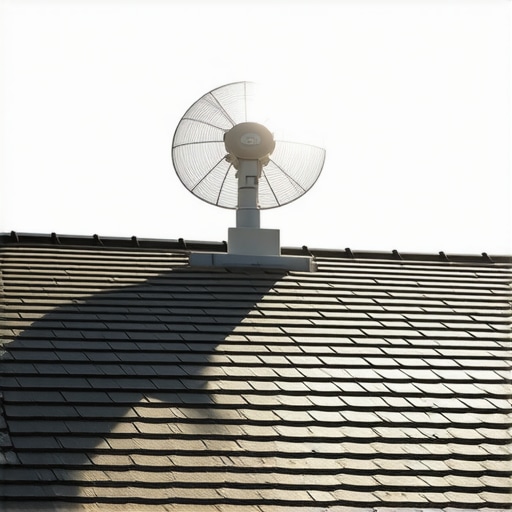
The Kill Zone: Why Your Attic is a Time Bomb for Efficiency
I’ve spent the better part of four decades dragging my bones through the suffocating heat of unfinished attics, and if there is one thing I’ve learned, it’s that heat is the ultimate predator of electrical integrity. When the mercury hits ninety outside, your attic is a 150-degree pizza oven. That heat doesn’t just sit there; it’s a physical force pressing down on your ceilings, cooking your HVAC ducts, and—most importantly to a forensic inspector like me—deteriorating the PVC insulation on your wiring. People think an attic fan is just a simple weekend DIY project. They are dead wrong. It is an inductive load installed in the most hostile environment in your home. My old journeyman used to smack my hand with a pair of dikes if he saw me stripping a wire with a pocket knife. ‘You nick that copper, you create a hot spot,’ he’d scream over the sound of a hammer drill. ‘In a hot attic, that nick becomes a fuse.’ He wasn’t being a jerk; he was teaching me the physics of failure. A single nicked conductor in a 140-degree environment is a house fire waiting for a reason to happen. When we talk about attic fan installation, we aren’t just talking about moving air; we are talking about thermal dynamics and circuit derating.
The Physics of Resistance: Why Your Current Wiring Might Fail
Electricity isn’t a fluid; it’s the movement of electrons, and heat is the friction that slows them down. In the trade, we look at the National Electrical Code (NEC) ampacity adjustment tables. When the ambient temperature rises, the amount of current a wire can safely carry drops. This is called derating. If you’ve got a 14-gauge Romex line running through a blistering attic, its ability to dissipate heat is severely compromised. Adding a motor—an inductive load that draws a massive ‘inrush’ of current every time it kicks on—to an existing, heat-stressed bedroom circuit is a recipe for a Wiggy-popping nightmare.
“Attic fans must be installed with a dedicated circuit if the motor load exceeds 50% of the branch circuit capacity to prevent nuisance tripping and voltage drop.” – NEC Article 430
This is why I always insist on a dedicated home run from the main panel for any power attic ventilator. We don’t just tap into the nearest junction box. That’s what handymen do right before the arc-fault breaker starts tripping and they can’t figure out why. If you’re seeing flickering lights when the fan kicks on, you’ve already lost the battle against voltage drop. You need an electrician who understands that we aren’t just mounting a plastic shroud; we are engineering a cooling solution that doesn’t burn the house down from the inside out.
The Forensic Breakdown: The Mechanics of Attic Fan Failure
I’ve been called out to plenty of ‘autopsies’ on failed attic fans. Usually, the homeowner smells ozone or ‘fishy’ plastic—that’s the smell of a phenolic resin or PVC insulation reaching its glass transition temperature. I pull out my tick tracer and find a dead circuit, only to discover a melted wire nut in a junction box buried under six inches of blown-in fiberglass. The failure point is almost always the same: poor termination and heat-induced expansion. Aluminum and copper have different coefficients of expansion. Even if you have copper wiring, the steel terminals on a cheap big-box store fan will expand and contract at different rates than the conductor. Over a few summers, the connection loosens. This creates series arcing. It doesn’t draw enough current to trip a standard thermal breaker, but it generates enough heat to ignite the dust and debris around the fan. This is why we use vibration analysis services on industrial motors, and while we don’t bring a seismograph to your attic, we do ensure the fan is balanced and torqued to spec. If that fan vibrates, it’s not just noisy; it’s physically backing the screws out of your electrical terminals. If you’re worried about your current system, getting free electrical estimates for a safety audit is the first step toward peace of mind.
Modern Protection: Beyond the Fan
Installing an attic fan is a great way to lower cooling costs, but it’s only one piece of the infrastructure. In today’s homes, we are dealing with sensitive electronics that can’t handle the ‘noise’ created by large motors. Every time that attic fan motor cycles off, it can send a flyback voltage spike into the rest of the house. I’ve seen office lighting upgrades destroyed and smart fridges fried because of inductive kickback. This is why I won’t install a fan without discussing whole house surge protection. You’re essentially putting a giant magnet with spinning blades in your roof; you need to protect the rest of your gear from the electrical debris it creates. Furthermore, in areas with high lightning activity or even just static buildup from high-velocity air, ensuring your equipotential grid—your grounding system—is up to snuff is non-negotiable. I’ve seen ‘widow maker’ scenarios where an ungrounded fan motor shorted to the housing, turning the entire aluminum soffit of the house into a live conductor.
“Proper grounding and bonding of all metallic components in a ventilation system are critical to prevent electric shock and reduce fire risk from static discharge.” – NFPA 70 Safety Standards
The Installation Process: The Master Electrician’s Way
When we perform a rough-in for an attic fan, we aren’t just cutting a hole in your roof. We start with a load calculation. Can your service handle the additional amperage? If you’re still running on an old 100-amp split-bus panel, we might be looking at a heavy-up before we add more mechanical loads. Then comes the permit pulling services. I know, everyone hates the building department, but those inspectors are there to ensure I didn’t have a bad day and forget to tighten a lug. We then run the 12/2 or 14/2 Romex, securing it away from the peak of the roof where the heat is most intense. We use monkey shit (duct seal) to plug the conduits and prevent moisture from the humid attic from migrating into the cooler electrical boxes. We also look at the exterior. Are we adding fence line lighting or PA system installation at the same time? Integrating these into the project during the trim-out phase saves you money and ensures the entire exterior electrical envelope is weather-tight. If you’re planning for the future, like a home backup generator install, we need to ensure the attic fan is part of the ‘critical loads’ or ‘non-essential’ shed list so it doesn’t bog down the generator when the power goes out. For those looking to integrate modern tech, checking our guide on lighting installations made easy can show you how we manage complex wiring runs in these tight spaces.
The Verdict: Don’t Let a Handyman Touch Your Roof
Electricity is not a hobby. It is a disciplined application of physics. When you hire a professional, you aren’t paying for the fan; you’re paying for the 35 years of knowing exactly where a wire is going to fail five years from now. We ensure that your attic fan installation lowers your costs without increasing your risk. From ensuring your vibration analysis of the mount is solid to verifying that your whole house surge protection is active, we treat your home like the complex machine it is. Don’t wake up to the smell of ozone and the sound of crackling timber. Do it right, torque it to spec, and sleep in a cool, safe house. If you are already experiencing issues with your high-draw appliances or charging systems, you might find our insights on ev charger troubleshooting helpful, as many of the same thermal expansion principles apply to high-amperage attic fans. Always remember: if it’s electrical, and it’s in the attic, it’s not just a convenience—it’s a commitment to safety. “,”image”:{“imagePrompt”:”A professional master electrician in a hot attic, wearing protective gear, using a multimeter to test a newly installed attic fan motor. The background shows clean, dedicated Romex wiring and a properly sealed electrical junction box amidst fiberglass insulation.”,”imageTitle”:”Professional Attic Fan Electrical Inspection”,”imageAlt”:”Master electrician testing attic fan wiring for safety and code compliance”},”categoryId”:0,”postTime”:””}