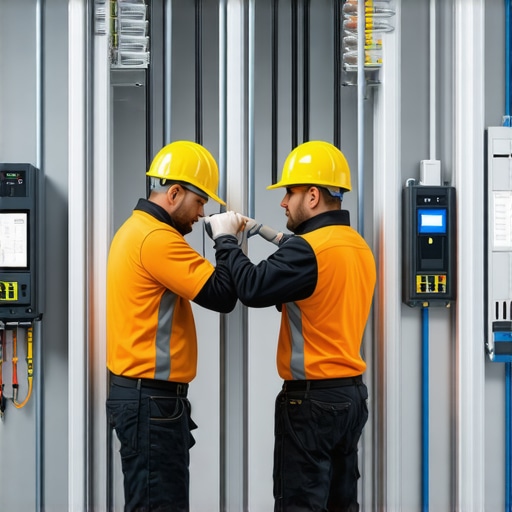
Ever had that moment where you flip a switch, expecting a bright, welcoming glow, only to be met with darkness or flickering lights? I’ve been there more times than I can count, and let me tell you, it’s frustrating—and sometimes downright dangerous. One time, I tried to fix a flickering ceiling light myself, only to realize I’d turned off the wrong breaker. That mistake nearly caused a short circuit! The truth is, lighting issues are more than just an annoyance; they can pose safety risks if not handled properly.
Why Proper Lighting Troubleshooting Matters More Than Ever
In today’s homes, lighting isn’t just about illumination; it’s about safety, energy efficiency, and even smart home integration. A small wiring fault or loose connection can cause electrical fires or damage your fixtures. According to the Electrical Safety Foundation International, faulty wiring is a leading cause of home electrical fires, emphasizing the need for correct troubleshooting and repair techniques. Whether you’re dealing with flickering lights, dead outlets, or complex smart lighting systems, knowing how to troubleshoot safely can save you a lot of trouble—and money.
Have You Faced This Problem Before?
If you’ve ever spent hours trying to track down why your lights keep flickering or why your new LED bulbs keep burning out, you’re not alone. Many homeowners jump into repairs without understanding the common pitfalls, which can lead to more damage or even injury. Early on, I made the mistake of ignoring loose wiring connections, which caused a small fire in my attic. That was a wake-up call—proper troubleshooting isn’t just a good idea; it’s essential. For reliable guidance, check out lighting troubleshooting tips from trusted electricians.
Today, I’ll walk you through the key steps that electricians use to identify and fix lighting problems safely and efficiently. From inspecting your wiring to understanding when to call in the pros, these tips will help you approach your lighting issues with confidence. Ready to make your home safer and brighter? Let’s dive into the practical solutions that can prevent hazards and restore your perfect lighting environment.
Start with a Visual Inspection
Begin by turning off the power to the lighting fixture at the circuit breaker. Remove the fixture or access panel carefully, using a voltage tester to ensure there’s no live current. Check for loose wires, corrosion, or damaged components. I once found a loose wire connection in my living room ceiling light that caused flickering. Securing it immediately resolved the issue and prevented future problems.
Test the Bulb and Fixture
Replace the bulb with a new one or test the existing bulb in a different socket. If it works elsewhere, the problem isn’t the bulb. Also, inspect the fixture for cracks or corrosion. I once replaced a flickering LED bulb only to discover the fixture socket was corroded, which I then cleaned with a wire brush.
Check the Switch Functionality
Switch off the breaker, then remove the switch cover plate. Use a multimeter to test the switch terminals for continuity when flipped on and off. If the switch doesn’t show proper continuity, replace it. I replaced a faulty switch myself, which instantly fixed the flickering problem. For detailed switch troubleshooting, visit lighting troubleshooting tips from trusted electricians.
Inspect Wiring Connections
Ensure all wiring connections are tight and correctly attached. Look for loose wires or signs of burning or melting insulation. If you find any damaged wiring, replace it immediately. I once discovered a loose wire in my attic that was causing intermittent lighting issues; securing it restored proper function and safety.
Test Circuit Components
Use a multimeter to check for proper voltage at various points, including the switch, fixture, and circuit breaker. If voltage is absent or inconsistent, the problem might be upstream. In my case, I traced the issue back to a faulty breaker that I replaced after confirming it wasn’t delivering consistent power.
Identify and Fix or Replace Faulty Parts
If a component is defective, replace it with the correct part. Always turn off power before replacing fixtures, switches, or wiring. I once replaced a damaged ballast in my fluorescent fixture, which fixed the flickering and extended the fixture’s lifespan. For complex issues, consulting a professional electrician is recommended. Explore expert lighting troubleshooting advice to ensure safety and effectiveness.
Test After Repairs and Restore Power
Once repairs are complete, restore power at the breaker and test the lighting. Check for flickering, dimming, or any abnormal behavior. If problems persist, revisit previous steps or contact a professional. Remember, safety first—if you’re unsure at any point, don’t hesitate to reach out through contact us.
Keep a Troubleshooting Log
Document what you’ve checked and repaired. This helps identify patterns or recurring issues and provides useful information if professional help is needed later. I kept a simple log during my troubleshooting, which saved time when I needed additional advice from an electrician.
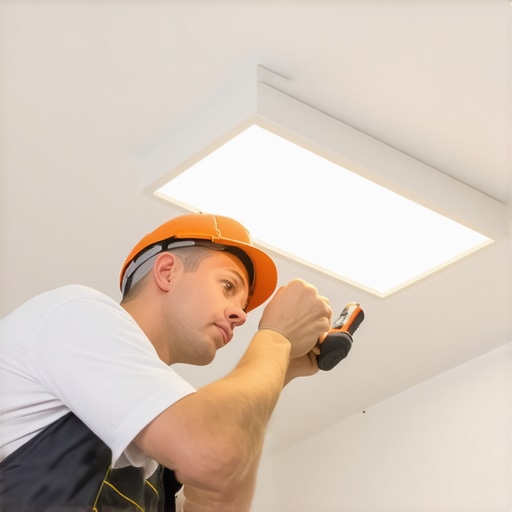
Many homeowners and even some electricians fall prey to misconceptions that can lead to costly mistakes when dealing with EV chargers, lighting installations, or troubleshooting electrical issues. Let’s dig deeper into some of the most misunderstood aspects and reveal the nuances that can make all the difference in ensuring safety and reliability.
Why the Simplistic Troubleshooting Approach Can Backfire
It’s a common belief that replacing a faulty component, like a switch or bulb, will fix all issues. While this is sometimes true, it often masks underlying problems such as wiring faults or circuit overloads. Relying solely on component replacement without a thorough inspection can lead to recurring failures or safety hazards. For example, replacing a flickering LED bulb without inspecting the fixture socket or wiring connections might only be a temporary fix. Electricians use detailed troubleshooting steps, including testing voltage at various points, to identify root causes effectively. For advanced tips, check out lighting troubleshooting tips from trusted electricians.
Beware of the Trap: Overlooking Proper Grounding
A common trap in lighting and EV charger setups is neglecting proper grounding. Grounding isn’t just a safety feature; it’s essential for correct operation and protection against electrical faults. Many assume that if the device powers on, grounding is adequate. However, improper grounding can cause flickering, electrical noise, or worse, electric shocks. Myths aside, ensuring proper grounding involves checking continuity between the ground wire and the grounding system, which most DIYers overlook. Experienced electricians verify grounding as part of every troubleshooting process, helping prevent dangerous scenarios. For grounding specifics, visit safe lighting installation practices.
How Can Advanced Troubleshooting Save You Time and Money?
Advanced troubleshooting techniques involve testing for voltage drops, inspecting circuit breakers for proper operation, and verifying insulation integrity. These steps are often skipped by those unfamiliar with electrical systems, leading to wasted effort and potential hazards. For instance, a faulty breaker may intermittently cut power, mimicking other issues like loose wiring or bad switches. Using a multimeter to test voltage at different points helps electricians pinpoint such problems accurately. According to a study by the Electrical Safety Foundation International, proactive troubleshooting reduces the risk of electrical fires and equipment damage. To learn more, review electrician tips for troubleshooting EV chargers.
Have you ever fallen into this trap? Let me know in the comments. Remember, when in doubt, consult a professional—safety and long-term reliability are worth the investment.
Keeping your electrical systems, whether it’s EV chargers, lighting fixtures, or troubleshooting setups, in top shape requires more than just initial installation skills. It demands the right tools, a consistent maintenance routine, and an understanding of how to troubleshoot effectively over time. From professional-grade testing equipment to software solutions, I’ll share the tools I rely on and strategies to keep your electrical projects running smoothly for years to come.
Why Invest in Quality Testing Equipment
Having the right testing tools is crucial for diagnosing issues accurately and efficiently. I personally use a Fluke 117 Multimeter because of its durability, true RMS measurement, and ease of use. It allows me to quickly verify voltage, current, and resistance, reducing guesswork. For instance, when troubleshooting an EV charger, I check the voltage at the outlet and the charger’s terminals to ensure proper power flow. A reliable multimeter saves time and prevents unnecessary replacement of parts.
Embrace Smart Tools for Long-Term Reliability
Smart electrical testers, like the Klein Tools ET600 Advanced Circuit Tester, have become game-changers. They can detect live wires, measure voltage levels, and even alert you to wiring faults through visual indicators. I find these especially helpful when working in complex lighting systems or smart home setups where multiple circuits interact. Using such tools helps catch issues before they escalate, extending the lifespan of your installations.
Keep Software and Documentation Handy
Beyond physical tools, I recommend maintaining a digital troubleshooting log using apps like Evernote or OneNote. Document every repair, part replaced, and observation. This habit helps identify recurring issues and plan preventive maintenance. For example, if a particular circuit frequently experiences flickering, reviewing your logs might reveal loose connections or overloaded circuits, prompting a more permanent fix rather than repeated temporary solutions.
Establish Routine Maintenance Checks
Set a schedule to inspect your electrical systems periodically. Visual inspections should include checking for loose wires, corrosion, and signs of overheating. I do a quick review of all accessible panels every six months, using my multimeter to verify voltage stability. Regular maintenance significantly reduces unexpected failures and safety hazards, making your system more reliable and efficient.
Where Do You Go From Here?
As electrical systems evolve, so do the tools and techniques to maintain them. Trends point toward increased automation and remote diagnostics, which will make maintenance even more proactive. To future-proof your setup, consider integrating smart monitoring devices that alert you to issues before they become serious. For detailed guidance on maintaining your EV charger and lighting systems, check out top EV charger maintenance tips or explore lighting troubleshooting advice from trusted electricians.
Finally, I recommend trying the advanced circuit tester I mentioned earlier for your next project. It’s a small investment that can save you hours of troubleshooting and ensure your systems work flawlessly over the long haul. Remember, consistent maintenance and the right tools are your best allies in keeping your electrical installations safe and reliable.
The Hardest Lesson I Learned About Lighting and EV Troubleshooting
One of the most valuable lessons I’ve discovered is that quick fixes often hide deeper issues. Replacing a bulb or switch might seem like the solution, but without thorough inspection, the problem can reappear or even cause safety hazards. I once replaced a flickering LED in my garage, only to realize later that the wiring behind the fixture was loose. That taught me to always dig deeper and test every connection before calling it fixed.
Why Proper Grounding Can Save Your Home
Many DIY enthusiasts overlook grounding, assuming power is enough. But improper grounding can lead to flickering, electrical noise, or shocks. It’s a small step that makes a big difference. Ensuring proper grounding through continuity tests prevents dangerous scenarios, especially when troubleshooting complex lighting or EV charger setups. Trust me, verifying this early on avoids surprises later.
Advanced Troubleshooting Will Save Time and Money
Using tools like a multimeter to check voltage drops and circuit integrity can seem daunting but pays off. I once traced an intermittent EV charger issue back to a faulty breaker that wasn’t delivering consistent power. Regular testing and early detection keep your systems running smoothly and reduce costly repairs down the line.
Curated Tools That Changed My Approach
My first pick is the Fluke 117 Multimeter. It’s reliable, durable, and essential for accurate diagnostics. For smart troubleshooting, the Klein Tools ET600 circuit tester offers visual alerts for wiring faults, saving me time in complex setups. I also keep digital logs of repairs using apps like Evernote, which helps me identify recurring issues and plan maintenance effectively. Lastly, routine inspections, like checking for loose wires or corrosion every six months, keep my home safe and efficient.
Action Ahead: Make Your Home Safer Today
Troubleshooting lighting and EV chargers isn’t just about fixing problems; it’s about creating a safer, smarter environment. Investing in quality tools and following detailed procedures can prevent hazards and extend the lifespan of your electrical systems. Every step you take towards better diagnostics and maintenance adds up—so don’t wait to get started. If you’re unsure, remember you can always reach out to trusted electricians for expert help. Your home’s safety and your peace of mind are worth it.