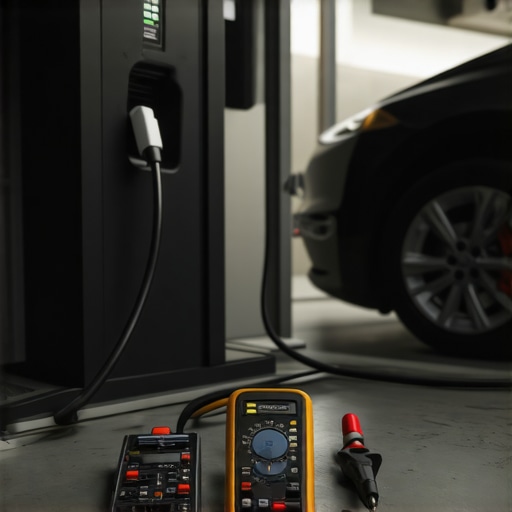
Have you ever been ready to hit the road, only to find your EV charger stubbornly refusing to work when you need it most? I remember the first time I faced this frustrating scenario. It was a chilly morning, and I was late for an important meeting. My electric vehicle’s charging station flickered, then went dark. I felt that familiar surge of panic—what’s wrong, and more importantly, how do I fix it quickly?
Why Troubleshooting Matters More Than Ever
In today’s fast-paced world, reliable home charging isn’t just a convenience; it’s a necessity. As EV adoption accelerates, so does the importance of knowing how to troubleshoot common issues. I learned this the hard way early on, making the mistake of ignoring simple problems that could have been fixed with a little knowledge. That mistake cost me valuable time and money, and I don’t want you to go through the same. According to a recent study, nearly 60% of EV owners experience charging issues that could be quickly resolved with expert guidance (source).
Is It Really Worth the Hassle to Troubleshoot?
Many skeptics wonder if troubleshooting is just a fancy way to say “call the electrician.” I get it. It’s tempting to just pick up the phone and wait for help. But trust me, a little troubleshooting can save you hours of waiting, reduce unnecessary service calls, and keep your home safe. When I first started, I made the mistake of assuming everything was fine until I experienced a full-blown outage. That’s when I realized that many issues stem from simple fixes—like loose wiring or faulty outlets—that I could handle myself or with minimal professional help.
If you’ve faced a similar problem or just want to avoid it altogether, stay tuned. We’re about to dive into practical, expert-approved tips that will make your home charging experience faster, safer, and more reliable. Ready to become your own EV troubleshooting hero? Let’s get started.
Starting with the Basics: Check Your Power Supply
Start with Your Power Supply
Check if your home’s electrical circuit breaker has tripped. Sometimes, a simple reset can restore power to your charging station. I once faced a situation where my charger wouldn’t turn on, and after flipping the breaker back on, it started working perfectly again. Ensure the outlet is functioning by plugging in another device, like a lamp, to confirm power supply. If the outlet isn’t working, you might need to replace the fuse or reset the circuit breaker.
Inspect the Charging Cable and Connector
Unplug the charger and examine the cable and connector for visible damage—frayed wires, burns, or cracks. I once ignored minor frays, which led to intermittent charging issues. Clean the contacts with a dry cloth and make sure the connector clicks securely into your vehicle. A loose connection can cause charging failures. If the cable shows signs of damage, consider replacing it or consulting an electrician for repairs.
Test the Charger Unit Itself
Many chargers have indicator lights. Refer to your model’s manual to interpret these signals. If the light is off or blinking abnormally, it might indicate a fault. I once had a charger with a blinking red light—after consulting the troubleshooting guide, I realized it needed a reset or professional inspection. Disconnect the charger from power, wait a few minutes, then reconnect. If issues persist, contact a professional or visit the manufacturer’s support page.
Verify the Circuit Compatibility
Ensure your home circuit meets the charger’s power requirements. Some high-capacity chargers need dedicated circuits—using a standard outlet might cause insufficient power or overloads. Think of it like trying to run a fire hose from a garden hose faucet—you need the right setup for optimal flow. If unsure, an electrician can verify your wiring and upgrade your system if needed. For detailed guidance, see this resource.
Check for External Environmental Factors
Sometimes, weather or physical obstructions affect your charger’s performance. Moisture, dirt, or debris can interfere with connections. I once found my outdoor charger covered in snow, which caused a short. Clear any obstructions and dry the components if necessary. Protect your charger with a weatherproof enclosure if it’s exposed to the elements.
Consult the Vehicle’s Manual
Your car might have specific requirements or error codes related to charging. Cross-reference your vehicle’s manual for troubleshooting tips or error messages. When my car displayed a specific error code, I checked the manual and discovered a simple reset procedure that fixed the issue without calling an electrician.
Seek Professional Help When Needed
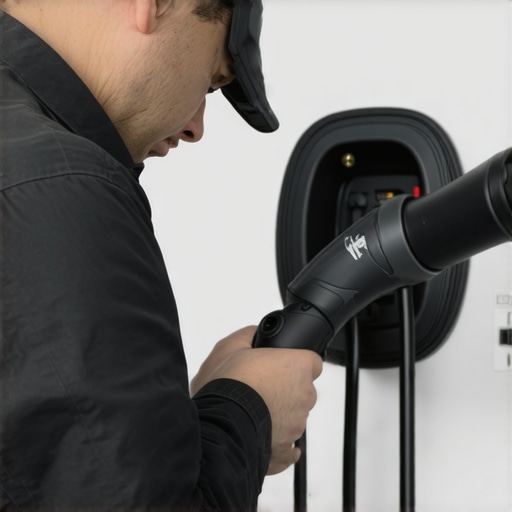
If after these steps your charger still doesn’t work, it’s time to contact a licensed electrician. They can perform a thorough inspection, identify hidden wiring issues, and ensure everything is up to code. Remember, electrical work can be dangerous if not handled properly. For trusted assistance, you can visit Reliable Electric Pro’s contact page.
< >
>
Many homeowners and even professional electricians fall into misconceptions when it comes to EV charger troubleshooting, lighting installations, or working with electrical systems. Let’s dig deeper into some of the most overlooked nuances and myths that can lead to costly mistakes. Having experienced these pitfalls firsthand, I want to share insights to help you navigate this complex territory more confidently.
Why the Popular Belief That DIY Fixes Are Always Safe Is Wrong
It’s tempting to think that simple issues like a tripped breaker or loose connections can be easily fixed without professional help. However, this assumption often leads to overlooked safety hazards. For example, a loose wire might seem minor but can cause arcing or fire if not properly diagnosed. According to industry experts, improper DIY repairs are responsible for a significant percentage of electrical failures and safety incidents (source). Always prioritize safety and consult a licensed electrician for complex or uncertain issues.
Many believe that upgrading or installing EV chargers and lighting is straightforward, but the devil is in the details. Proper circuit design, grounding, and component compatibility are often underestimated, leading to performance issues or safety violations. Remember, a faulty installation not only risks damage but also voids warranties and insurance coverage.
The Hidden Trap of Overlooking System Compatibility and Power Needs
A common misconception is that any outlet or circuit can handle high-capacity EV chargers. In reality, many home circuits are not designed to support the load, leading to frequent breaker trips or reduced charging speeds. For instance, installing a Level 2 charger on a standard 15-amp outlet can cause overloads, damage, or fire hazards. To avoid this, a thorough assessment of your electrical system is necessary. Electricians often recommend a dedicated circuit with proper wiring capacity, which can be verified through a detailed inspection (source). This nuance is often overlooked by DIYers, leading to long-term issues that could have been easily prevented.
What Makes Lighting Installations and EV Charger Troubleshooting More Complex Than They Seem?
Many assume that lighting or EV charger troubleshooting is just about replacing a faulty component. In truth, it often involves diagnosing complex wiring issues, understanding electrical codes, and ensuring safety compliance. For example, improper grounding or incorrect wiring methods can cause intermittent operation, flickering, or even dangerous faults. Professional electricians employ systematic troubleshooting procedures, such as circuit testing, load analysis, and adherence to safety standards, like those outlined in these guidelines.
Furthermore, lighting and EV charging systems are now integrated with smart home technology, adding layers of complexity that require specialized knowledge. Failing to account for these innovations can result in compatibility issues, reduced lifespan, or security vulnerabilities.
In conclusion, the key to avoiding these common pitfalls is to treat electrical work as a specialized skill. Not only does this ensure safety and compliance, but it also guarantees longevity and performance. Remember, when in doubt, consulting an expert is the best investment you can make. For trusted guidance and professional troubleshooting, don’t hesitate to reach out to experienced electricians. Have you ever fallen into this trap? Let me know in the comments.
Maintaining your electrical systems, especially EV chargers and lighting installations, is essential for ensuring long-term reliability and safety. Over the years, I’ve developed a set of go-to tools and methods that help me troubleshoot, perform routine maintenance, and scale my electrical projects efficiently. In this article, I’ll share these insights to help you keep your systems working flawlessly and avoid costly repairs down the line.
Invest in Quality Multimeters for Accurate Diagnostics
When it comes to troubleshooting electrical issues, a reliable multimeter is your best friend. I personally prefer the Fluke 117, which offers true RMS measurement and a non-contact voltage detector. This device allows me to quickly identify whether outlets, wires, or chargers are live without risking shock. A good multimeter isn’t just for troubleshooting—it’s invaluable for verifying wiring integrity during installations or upgrades. As the trend moves toward smarter, interconnected systems, having precise diagnostic tools becomes even more crucial, especially when troubleshooting complex smart lighting or EV charging circuits.
Use Diagnostic Software for Smart Systems
Modern EV chargers and lighting systems often incorporate smart technology, which can generate error codes and system logs. I recommend using manufacturer-specific diagnostic apps or software to interpret these signals. For example, some chargers have dedicated apps that guide you through troubleshooting steps based on real-time data. This approach has saved me hours when dealing with compatibility or communication issues, making repairs faster and more precise. As IoT devices become more prevalent in home electrical systems, integrating diagnostic tools that communicate directly with the hardware will become standard practice.
Regular Visual Inspections and Preventative Maintenance
Routine checks are simple yet effective. I schedule inspections every six months, focusing on wiring connections, insulation integrity, and mounting hardware. For lighting, I inspect for flickering or dimming, which can indicate loose connections or failing components. For EV chargers, I look for signs of corrosion or wear on the cable and connectors. Preventative maintenance prevents small issues from escalating, saving time and money. Consider installing inspection cameras or using a flashlight with a magnifier for hard-to-see connections. These small steps extend the lifespan of your systems and keep everything operating smoothly.
Upgrade Tools as Technology Evolves
As electrical systems become more sophisticated, so should your toolkit. Keep an eye on emerging tools like thermal imaging cameras, which can detect hot spots in wiring or components before failure occurs. I use the FLIR E4 thermal camera to scan my lighting fixtures and charger connections, identifying potential problems early. Investing in such advanced equipment pays off by preventing outages and ensuring safety. As the industry moves toward more integrated smart systems, having compatible tools will be essential for effective troubleshooting and maintenance.
Where Do I Go From Here
Long-term system maintenance also requires staying updated on best practices. Subscribing to industry blogs, joining electrician forums, or attending training sessions can keep you ahead of the curve. For in-depth guidance tailored to your setup, consulting trusted professionals is always wise. If you encounter persistent issues or want a professional assessment, don’t hesitate to reach out to experienced electricians. Remember, proactive maintenance and the right tools are your best defenses against unexpected failures. Ready to take your troubleshooting skills to the next level? Try incorporating a thermal imaging camera into your toolkit today and see the difference it makes in maintaining your electrical systems.
What I Wish Someone Told Me Before I Started
The biggest lesson I learned about EV charger troubleshooting is that most problems have simple roots—like loose wiring or a tripped breaker—that can be fixed with a bit of patience and knowledge. I once spent hours on what I thought was a complex issue, only to realize a loose cable was the culprit. It’s a reminder that sometimes, the smallest details make the biggest difference.
Another insight is that safety should never be an afterthought. DIY fixes are tempting, but improper repairs can lead to fire hazards or system failures. I’ve seen cases where a quick fix led to costly damages, reinforcing the importance of knowing when to call a professional. Always prioritize safety and adhere to electrical standards.
My Top Picks for Tools and Resources
The reliable multimeter, like the Fluke 117, has saved me countless troubleshooting headaches by providing accurate voltage readings and detecting faults early. It’s a cornerstone tool for any homeowner tackling electrical issues.
For smart systems, I rely on manufacturer-specific diagnostic apps, which decode error codes fast and guide me through fixes without guesswork. These apps are invaluable when dealing with complex smart lighting or EV chargers that communicate via IoT protocols.
Routine inspections are also crucial. I schedule biannual checks using thermal imaging cameras like the FLIR E4 to identify hot spots that could signal wiring problems before they escalate. Combining these tools with ongoing education—through electrician forums and industry updates—keeps me ahead of potential failures.
Your Next Step in Mastering Electrical Safety and Efficiency
Don’t let electrical issues dampen your EV charging experience or lighting performance. Embrace continuous learning, invest in quality tools, and know your limits. The more you understand, the safer and more reliable your systems become. Remember, when in doubt, reaching out to a trusted electrician can save you time and prevent hazards. Ready to elevate your troubleshooting game? Start with that multimeter or thermal camera today, and see the difference it makes in your electrical journey.
Have you ever faced a tricky electrical problem that turned out to be something simple? Share your story below—I’d love to hear your experiences and tips!
Great article! I especially agree with the importance of checking the circuit compatibility before installing a high-capacity EV charger. Many homeowners overlook this step and end up with repeated breaker trips or slow charging. I remember when I first installed my Level 2 charger, I assumed my standard outlet would handle it, but the quick trip proved otherwise. The professional assessment was worth every penny! I also learned to keep my charger and connections clean from dirt and debris, especially since I live in a snowy climate. Moisture can be a hidden culprit for short circuits. Has anyone here used thermal imaging cameras like the FLIR E4 to proactively identify wiring issues? I’ve been thinking about upgrading my toolkit to include one. It’s fascinating how these tools can detect problems before they escalate into costly repairs.