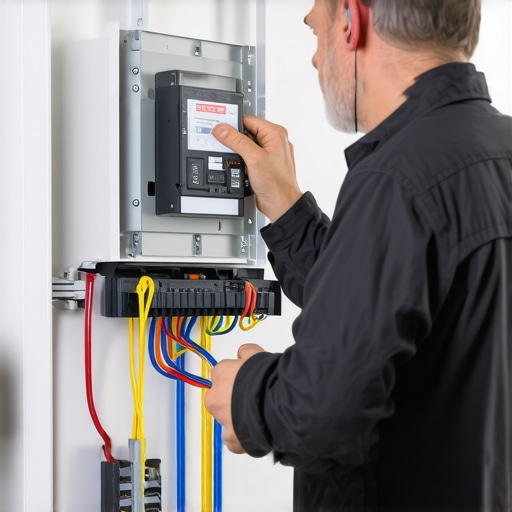
My First Encounter with Lighting Troubles: A Wake-Up Call
It all started when I noticed flickering lights in my living room one evening. As someone who loves DIY projects, I initially thought it was a simple bulb issue. However, after replacing bulbs multiple times without success, I realized I needed professional advice. This experience sparked my interest in understanding how electricians troubleshoot lighting problems and ensure reliable electrical systems at home.
Decoding Common Lighting Issues: What I Learned from the Experts
During my research, I discovered that many lighting problems stem from faulty wiring, outdated fixtures, or electrical faults. According to expert electricians, proper troubleshooting involves checking circuit breakers, inspecting wiring connections, and testing switches and fixtures. This knowledge helped me identify potential issues in my own home and appreciate the importance of professional troubleshooting for safety and reliability.
Why Reliable Lighting Matters More Than Just Brightness
Reliable lighting isn’t just about brightness; it’s about safety and energy efficiency. Poor wiring or faulty switches can lead to fire hazards or increased energy consumption. I learned that regular troubleshooting and maintenance are key to preventing such risks. For instance, ensuring that my switches and fixtures meet safety standards helped me avoid potential hazards, aligning with recommendations from trusted sources like home safety experts.
Getting to the Bottom of EV Charger Troubleshooting
As an EV owner, I faced my own set of challenges with my home charger. Initially, I struggled with intermittent charging issues, which were frustrating. I found that many problems could be resolved by troubleshooting the charger itself, checking the wiring, and verifying power supply. My experience echoes the advice from professional troubleshooting tips. This not only saved me money but also gave me peace of mind knowing my charger was safe and reliable.
How do I know if my home electrical system is truly safe and efficient?
I realized that understanding the basics of electrical troubleshooting and recognizing signs of faults can make a huge difference. Regular inspections, professional assessments, and keeping up with maintenance routines ensure that my lighting and EV chargers operate optimally. The importance of professional guidance cannot be overstated, as highlighted by industry standards and safety regulations.
If you’re like me, eager to improve your home’s electrical reliability, I invite you to share your experiences or ask questions in the comments below. Whether it’s fixing flickering lights or ensuring your EV charger works flawlessly, staying informed and proactive is the best approach.
For comprehensive guidance, I recommend visiting trusted resources like this detailed electrician guide. Remember, when in doubt, consulting a licensed electrician is always the safest choice to keep your home lighting and EV charging systems reliable and secure.
Unraveling the Complexities of Electrical Faults: What You Might Be Overlooking
While many homeowners focus on visible problems like flickering lights or charging disruptions, the root causes often lie deeper within the electrical system. Faulty wiring, loose connections, or outdated components can silently compromise safety and efficiency. According to expert electricians, systematic troubleshooting involves comprehensive circuit analysis, testing voltage levels, and inspecting connections for corrosion or wear. Recognizing subtle signs, such as persistent tripping or unexpected power fluctuations, can prevent costly repairs and potential hazards.
How Can Advanced Diagnostic Tools Enhance Your Troubleshooting Skills?
Modern electricians leverage sophisticated diagnostic tools like clamp meters, circuit analyzers, and thermal cameras to pinpoint issues swiftly. These devices can detect hidden faults, such as overloaded circuits or insulation breaches, which might escape traditional visual inspections. Integrating these tools into regular maintenance routines ensures your electrical system remains reliable and safe. For example, conducting thermal scans during lighting troubleshooting can reveal overheating connectors or faulty switches before they result in failures or fire risks. For detailed guidance on effective troubleshooting techniques, visit this resource.
What Practical Steps Can You Take to Maintain a Safe and Efficient Home Electrical System?
Regular inspections, prompt repairs, and upgrading outdated components are essential strategies. Ensuring your wiring complies with current safety standards reduces the risk of electrical faults. Additionally, scheduling periodic professional evaluations helps identify potential issues early, saving money and enhancing safety. For instance, verifying that your home’s lighting fixtures and switches are correctly rated and installed minimizes fire hazards. When troubleshooting EV chargers, inspecting the wiring and verifying proper grounding can resolve many common charging issues. To keep your system in top shape, explore expert maintenance tips.
Are there hidden risks homeowners often overlook in their electrical systems?
Absolutely. Many homeowners underestimate the dangers posed by outdated wiring, overloaded circuits, or improper grounding. These issues can lead to electrical fires or equipment damage if not addressed promptly. For example, loose connections inside switches or outlets may cause arcing, increasing fire risk. Additionally, using incompatible or damaged chargers can compromise safety and efficiency. Recognizing early warning signs and consulting with licensed electricians ensures your electrical system remains safe and compliant with industry standards. For more on identifying hazards, check out this comprehensive guide.
If you’re eager to deepen your understanding or share your troubleshooting experiences, I encourage you to leave a comment below. Sharing insights helps build a community of informed homeowners committed to electrical safety and efficiency.
For further expertise, I recommend exploring this detailed article on EV charging safety. Remember, when in doubt, consulting a licensed electrician is the safest route to maintaining a reliable and secure electrical system in your home.
Uncovering the Hidden Layers of Electrical Faults: Beyond the Surface
One of the most fascinating aspects of troubleshooting electrical issues is recognizing that many problems are symptoms of deeper systemic flaws. During my experiences, I’ve learned that seemingly minor issues like flickering lights or sporadic charging disruptions often mask underlying wiring problems, corrosion, or outdated components. These hidden faults can silently undermine the safety and efficiency of your entire electrical system.
For example, I once encountered persistent circuit tripping that resisted standard fixes. It turned out that loose connections within the breaker panel, combined with hidden corrosion, were causing intermittent faults. This experience underscored the importance of comprehensive inspections. According to expert electricians, employing systematic circuit analysis and testing voltage levels helps uncover these hidden issues before they escalate into dangerous hazards or costly repairs.
Harnessing Advanced Diagnostic Tools to Elevate Your Troubleshooting Skills
Modern electricians have access to a suite of sophisticated diagnostic devices that significantly enhance troubleshooting accuracy. I’ve personally benefited from using thermal cameras to detect hotspots in switches or wiring connections and clamp meters to measure current flows precisely. These tools reveal problems invisible to the naked eye, such as overloaded circuits or insulation breaches, which could lead to failures or fires if left unaddressed.
Integrating these devices into routine checks can prevent disasters and prolong the lifespan of your electrical system. For instance, conducting thermal scans during lighting inspections can expose overheating components, enabling preemptive repairs. For detailed guidance on leveraging these tools effectively, visit this resource.
What Precise Steps Can You Take to Safeguard Your Home’s Electrical System?
Achieving a safe and efficient electrical environment requires a proactive approach. Regular inspections by licensed electricians, prompt repairs of identified issues, and upgrading outdated wiring are critical. I’ve learned that verifying compliance with current safety standards reduces risks significantly. For example, ensuring proper grounding and using correctly rated fixtures and switches minimizes fire hazards.
Additionally, routine maintenance routines—such as checking for loose connections and ensuring proper circuit load management—are vital. When troubleshooting EV chargers, inspecting wiring connections and grounding can resolve many charging issues efficiently. To stay ahead, explore expert maintenance tips that help maintain system integrity.
Are there latent risks in your electrical system you might be overlooking?
Definitely. Many homeowners underestimate dangers posed by outdated wiring, improper grounding, or overloaded circuits. These issues can quietly compromise safety, increasing the risk of fires or equipment damage. For instance, loose connections inside outlets or switches can cause arcing, which may ignite nearby materials. Recognizing early signs like persistent flickering, unusual odors, or frequent breaker trips is crucial.
Consulting with licensed electricians ensures your system remains compliant with safety standards and helps identify potential hazards before they become emergencies. For further insights, check out this comprehensive guide.
If you’re passionate about elevating your electrical knowledge or eager to share your troubleshooting stories, I invite you to leave a comment below. Sharing experiences fosters a community committed to safety and continuous improvement.
For more expert guidance, explore this detailed article on EV charging safety. Remember, when in doubt, always consult a licensed electrician to ensure your home’s electrical system remains reliable and secure.
Unlocking the Secrets of Deep-System Diagnostics: What Are the Hidden Faults That Can Sabotage Your Electrical System?
Every seasoned electrician knows that the devil is often in the details. Beyond the obvious flickering lights or erratic EV charger behavior, there lurks a complex web of systemic issues that can compromise your entire electrical infrastructure. From hidden corrosion within conduit joints to subtle phase imbalances, these faults require a nuanced understanding and advanced diagnostic skills. A recent study by the National Fire Protection Association emphasizes that many electrical fires originate from undetected internal faults, highlighting the importance of thorough inspections. During my own journey, I’ve uncovered that employing tools like high-resolution thermal imaging and sophisticated circuit analyzers reveals these concealed flaws, enabling preemptive repairs before catastrophe strikes. Recognizing the signs—such as unexplained voltage drops or persistent breaker trips—can save you from costly repairs and safety hazards. If you’re eager to elevate your troubleshooting acumen, sharing your experiences or questions below can foster a community of vigilant homeowners.
How Can Cutting-Edge Diagnostic Technologies Revolutionize Your Troubleshooting Approach?
Modern electrical diagnostics have transcended traditional methods, empowering homeowners and professionals alike. Devices like clamp meters with data logging capabilities, infrared thermal cameras, and smart circuit analyzers provide real-time insights into your system’s health. I’ve personally integrated thermal imaging into my routine checks, which uncovers hotspots caused by loose connections or overloaded conductors—issues invisible to the naked eye. For example, during a recent lighting upgrade, thermal scans revealed a faulty switch that was overheating, preventing potential fire hazards. According to expert electricians, leveraging these tools not only accelerates diagnostics but also enhances accuracy, reducing downtime and ensuring safety. If you’re serious about mastering electrical troubleshooting, adopting these technologies is a game changer. Do you have experience with advanced diagnostic tools? Share your insights or questions to deepen our collective expertise.
What Are the Most Effective Strategies for Ensuring Long-Term Electrical System Reliability?
Achieving durability and safety requires a strategic, proactive approach. Regularly scheduled inspections by licensed electricians, combined with meticulous maintenance routines, form the backbone of a resilient system. I’ve found that maintaining detailed records of repairs and upgrades helps identify recurring issues, enabling targeted interventions. Upgrading outdated wiring and components per the latest safety standards—such as those outlined in the comprehensive electrician guidelines—can prevent failures before they happen. Additionally, implementing surge protection and ensuring proper grounding are critical steps to mitigate risks from power surges or lightning strikes. For EV chargers, verifying proper insulation and connector integrity regularly can prevent unexpected disruptions. If you’re committed to long-term system health, exploring advanced maintenance strategies is essential. Have you encountered hidden risks in your electrical system? Let’s discuss how to identify and mitigate them together, fostering safer and more reliable homes.
Things I Wish I Knew Earlier (or You Might Find Surprising)
Hidden Dangers in Outdated Wiring
One thing I discovered the hard way is that old wiring can be a silent threat. I once ignored flickering lights, thinking it was just a bulb issue, only to find out that outdated wiring was causing potential fire hazards. Regular inspections can reveal these hidden dangers before they become emergencies.
The Power of Advanced Diagnostic Tools
Using modern tools like thermal cameras and circuit analyzers transformed my troubleshooting approach. These devices uncover issues like hotspots or overloaded circuits that are invisible to the naked eye, saving time and preventing future problems.
Subtle Signs of Electrical Faults
Sometimes, the smallest clues—like a slight burning smell or a circuit tripping unexpectedly—are signals of deeper issues. Paying attention to these signs and acting promptly is key to maintaining a safe home environment.
The Importance of Professional Maintenance
While DIY fixes are tempting, regular professional check-ups ensure your electrical system complies with safety standards. This proactive approach keeps your home safe and reduces costly repairs down the line.
Myths That Could Cost You
Many homeowners believe that flickering lights are harmless or that only big issues need professional attention. Debunking these myths helped me realize that early intervention is crucial for safety and efficiency.
Resources I’ve Come to Trust Over Time
- NFPA (National Fire Protection Association): Their guidelines and research on electrical safety are invaluable for understanding risks and best practices.
- Electrical Safety Foundation International (ESFI): Offers practical tips and educational resources that helped me grasp complex concepts easily.
- Electrician’s Guide on reliableelectricpro.com: A comprehensive resource that walks through troubleshooting steps and safety tips for homeowners.
Parting Thoughts from My Perspective
Electrical troubleshooting might seem daunting at first, but with the right knowledge and tools, it becomes a manageable task that significantly improves your home’s safety and reliability. Investing in regular inspections and understanding the subtle signs of faults can save you from headaches and hazards down the road. If this resonated with you, I’d love to hear your thoughts or experiences. Sharing our stories can help build a community of informed homeowners dedicated to safety and smart maintenance. Feel free to explore more at this guide and take proactive steps today to keep your electrical system in top shape.
Reading your post really resonated with me, especially since I recently had to deal with flickering lights in my basement. I initially thought it was a simple bulb issue, but after replacing several bulbs without any improvement, I decided it was time to call in a professional. Turns out, loose wiring connections behind the switch panel were to blame. This experience made me realize how important regular troubleshooting and inspections are for home safety.
I’m curious, has anyone used thermal imaging tools like infrared cameras during routine maintenance? I’ve heard they’re great for detecting hotspots caused by poor connections or overloaded circuits before they become serious hazards. Also, what’s your approach for scheduling preventive checks without overdoing it financially? I believe this proactive mindset is key for ensuring reliable lighting and EV charging systems. Would love to hear insights from others who’ve taken similar steps to keep their electrical systems in top shape.
Your post really hits home for me, especially since I had a similar experience with flickering lights last year. I used to think it was just a failing bulb or switch, but after some research, I learned how crucial proper wiring and regular inspections are. I’ve since invested in thermal imaging technology, which has been a game changer. It allows me to spot hotspots and potential issues before they escalate, saving time and money. Do you think routinely using such diagnostic tools can help catch problems early, or is there a point where it becomes an unnecessary expense for most homeowners? I’m always curious how others balance proactive maintenance with budget considerations. Also, I’d love to hear more about how you schedule your inspections without going overboard financially, as finding the right timing can sometimes be tricky. Thanks for sharing your insights and inspiring me to stay vigilant about electrical safety and maintenance!