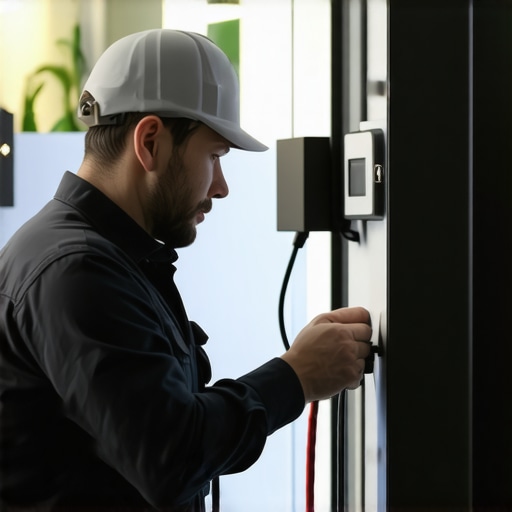
Discovering the Hidden World of EV Charger and Lighting Troubleshooting
It all started when I decided to upgrade my home’s electrical system to support my new electric vehicle. As an enthusiast eager to harness the benefits of clean energy, I quickly realized that reliable EV charger installation and troubleshooting are crucial for safety and performance. My journey into electrician tips began with a simple desire: to ensure my charging station and lighting work flawlessly without risking electrical hazards.
My First Encounter with EV Charging Woes
One evening, my EV charger suddenly refused to power up. It was frustrating, but I remembered reading that common issues often stem from faulty wiring or compatibility problems. I consulted trusted sources like expert troubleshooting guides and checked my connections. The key, I found, is to follow a systematic approach—something seasoned electricians swear by. It’s about patience, thorough inspection, and understanding your equipment.
Lighting Troubles? Here’s How I Learned to Fix It
Lighting faults can be equally perplexing. I used to think flickering bulbs were just a minor annoyance, but I learned that they could signal wiring issues or electrical faults. My go-to resource became electrician troubleshooting tips. I discovered that proper lighting installation and troubleshooting ensure not only aesthetics but also safety. Investing in quality fixtures and following professional tips from trusted electricians made a noticeable difference.
What Makes a Reliable Troubleshooting Strategy?
Over time, I developed a personal checklist, inspired by seasoned electrician advice, to troubleshoot both EV chargers and lighting. It includes inspecting connections, verifying power supply, and testing circuit breakers. The process might seem daunting, but the confidence it builds is invaluable. For more detailed steps, I recommend exploring guides like lighting troubleshooting experts.
Why Should I Trust Professional Tips Over DIY Guesswork?
While DIY fixes can be tempting, I learned that electricians bring experience and safety knowledge that amateurs often lack. For instance, proper grounding and adherence to electrical codes prevent accidents. When in doubt, consulting authoritative sources or hiring certified professionals is the safest bet. Remember, a small mistake can have serious consequences, as highlighted in professional electrician tips.
If you’re navigating the complexities of EV charger or lighting troubleshooting, I encourage you to share your experiences below or explore more expert advice. Ensuring your home’s electrical safety isn’t just about fixing problems—it’s about peace of mind.
Unraveling the Mysteries of EV Charging and Lighting Glitches
As an electrician with years of hands-on experience, I often encounter homeowners frustrated by persistent issues with their EV chargers or lighting systems. These problems can range from minor flickers to complete outages, but understanding the underlying causes is essential for effective troubleshooting. For instance, a recurring issue I see is inconsistent charging speeds, often linked to wiring faults or power supply inconsistencies. To master these challenges, consulting authoritative guides like expert troubleshooting tips becomes invaluable, as they offer systematic approaches rooted in electrical safety and best practices.
Delving Deeper: What Are the Root Causes of Persistent Electrical Glitches?
Persistent faults in EV chargers and lighting are rarely coincidental. They often stem from subtle issues such as loose connections, outdated wiring, or inadequate grounding. For example, a common culprit in lighting flickers is a loose terminal connection in the circuit breaker panel, which can lead to voltage fluctuations. Similarly, EV charging problems might be caused by incompatible wiring or insufficient circuit capacity. Addressing these requires a nuanced understanding of electrical load management and adherence to safety standards. Professionals recommend leveraging comprehensive inspection techniques—like circuit testing and load analysis—to diagnose complex issues accurately. For more insights, explore top maintenance tips that enhance performance longevity.
Creative Question from an Expert’s Perspective: How Can I Anticipate and Prevent Future Electrical Failures?
Proactively preventing electrical failures involves regular maintenance, vigilant inspections, and upgrading aging components before they fail. An electric expert might ask: “Are the wiring and electrical components rated for current usage, and have I integrated smart monitoring systems to detect early signs of trouble?” Implementing smart electrical panels and sensors can alert homeowners to voltage irregularities or circuit overloads well before they cause system outages. Moreover, routine inspections following a checklist inspired by troubleshooting guides ensure ongoing safety and efficiency. These practices are vital for safeguarding your investment and maintaining a safe, reliable electrical environment.
How Do Professional Troubleshooting Techniques Elevate Home Safety and Reliability?
Professional electricians employ meticulous troubleshooting techniques—such as verifying circuit integrity, ensuring proper grounding, and testing voltage stability—that go far beyond basic DIY fixes. Their expertise ensures that electrical systems comply with local codes and safety standards, significantly reducing the risk of hazards. For example, proper grounding not only prevents electric shocks but also stabilizes voltage fluctuations, which are a common cause of flickering lights and charging issues. To deepen your understanding, I recommend reviewing lighting troubleshooting tips from seasoned professionals. These insights help homeowners grasp the importance of thorough diagnostics and the value of professional intervention.
If you’ve faced recurring electrical troubles or simply want to optimize your home’s electrical system, I invite you to share your experiences below. For those eager to learn more, exploring comprehensive guides on EV charger troubleshooting and lighting safety can be a game-changer in preventing future issues and ensuring peace of mind.
Deepening My Understanding: Navigating Complex Electrical Faults
Over the years, I’ve come to realize that troubleshooting isn’t just about fixing what’s broken—it’s about understanding the intricate dance of electrical signals, loads, and safety protocols that keep our homes running smoothly. One lesson I learned early on was that seemingly minor issues, like a flickering light or inconsistent charging speed, often mask underlying problems that require a nuanced approach. For instance, when I encountered persistent voltage fluctuations during EV charging, I delved into load analysis and circuit testing, which are detailed in resources like electrician troubleshooting guides. These tools help me connect the dots and prevent future failures before they escalate.
Refining My Approach: The Role of Grounding and Circuit Integrity
One of the most fundamental yet overlooked aspects of electrical safety and reliability is proper grounding. In my experience, inadequate grounding can lead to a host of problems, from electrical shocks to equipment damage. I often ask myself: “Are all circuits properly grounded, and are connections tight and corrosion-free?” Revisiting professional grounding techniques has been eye-opening. Ensuring circuit integrity through systematic testing—using multimeters and circuit analyzers—has helped me catch issues that could compromise safety or performance. These steps are especially critical when dealing with high-capacity EV chargers, which demand robust and reliable wiring setups.
How Can I Proactively Prevent Electrical Failures in the Future?
Prevention is always better than cure. Drawing from my experience, I advocate for regular maintenance routines, such as inspecting wiring connections, testing circuit breakers, and updating aging components. Smart monitoring systems, like voltage sensors and load management devices, can provide early warnings of potential faults, saving time and money. I often reflect on the importance of integrating these systems, which are discussed in smart home electrical tips. These proactive measures ensure that both my EV charging station and lighting system operate at peak efficiency, reducing unexpected outages and hazards.
What is the Value of Professional Expertise in Complex Troubleshooting?
While DIY approaches empower homeowners, I firmly believe that complex issues—especially those involving high voltage or sensitive electronics—benefit immensely from professional intervention. Electricians bring a wealth of experience, safety knowledge, and adherence to codes that are vital for long-term reliability. For example, proper wiring standards and grounding practices, as emphasized in expert lighting troubleshooting tips, can be overlooked by amateurs but are crucial for safety. When in doubt, consulting experienced electricians or referencing comprehensive guides helps ensure that solutions are both effective and compliant.
If you’ve faced similar challenges or have insights to share, I invite you to comment below and join the conversation. Exploring further resources, such as advanced troubleshooting tips, can deepen your understanding and prepare you for future electrical maintenance tasks. Remember, a well-maintained electrical system is the foundation of a safe, efficient, and smart home.
Leveraging Diagnostic Tools for Predictive Maintenance in Home Electrical Systems
As my journey into electrical troubleshooting deepened, I realized that integrating advanced diagnostic tools significantly enhances our ability to predict and prevent failures. Devices such as clamp meters, thermal cameras, and smart load analyzers allow me to identify hidden issues like hot spots, fluctuating currents, or subtle wiring degradations before they manifest as faults. For instance, thermal imaging can reveal overheating connections in circuit breakers or wiring joints, which are precursors to potential failures. Utilizing these tools in conjunction with systematic testing not only saves time but also elevates safety standards, aligning with best practices documented in top maintenance tips. This proactive approach transforms troubleshooting from reactive repairs to predictive maintenance, ensuring long-term system reliability.
The Critical Role of Surge Protection and System Redundancy
In my professional experience, implementing surge protection devices (SPDs) and establishing redundancies are essential strategies to safeguard sensitive equipment like EV chargers and lighting fixtures. Transient voltage spikes—caused by lightning strikes or switching surges—can irreparably damage electronics if unmitigated. Installing high-quality SPDs at strategic points, such as the main panel and sub-circuits, creates a robust defense mechanism. Moreover, designing systems with redundancy—such as dual wiring paths or backup circuits—ensures continued operation during faults or maintenance. These measures exemplify the high-level expertise required for resilient electrical systems, as highlighted in professional electrician insights. Embracing these advanced techniques significantly enhances safety, performance, and peace of mind for homeowners.
What Are the Emerging Technologies That Can Revolutionize Home Electrical Troubleshooting?
Emerging innovations like AI-powered diagnostic platforms and IoT-enabled monitoring systems are beginning to revolutionize how electricians and homeowners approach troubleshooting. AI algorithms can analyze vast amounts of data from system sensors to predict failures with remarkable accuracy, often alerting users before symptoms become severe. IoT devices, such as smart circuit breakers and load sensors, continuously monitor electrical parameters, providing real-time insights accessible through mobile applications. According to recent studies in smart home electrical solutions, integrating these technologies not only simplifies complex diagnostics but also offers unprecedented control and safety. Embracing such advancements positions homeowners and professionals at the forefront of electrical reliability and innovation.
If you’re eager to explore these sophisticated troubleshooting strategies or share your experiences with emerging technologies, I invite you to engage with me in the comments. Delving into these advanced insights can empower you to elevate your home’s electrical resilience and safety—turning challenges into opportunities for smarter living.
Things I Wish I Knew Earlier (or You Might Find Surprising)
1. The Hidden Power of Proper Grounding
Early in my troubleshooting journey, I underestimated how critical grounding is. I once ignored a loose ground connection that caused flickering lights, leading me to learn firsthand that proper grounding not only enhances safety but also stabilizes your entire electrical system. Now, I always double-check grounding as a first step.
2. Small Issues Can Signal Big Problems
Flickering lights or slow charging might seem minor, but they often indicate underlying wiring issues or overloads. Recognizing the signs early can prevent costly repairs down the line. Paying attention to these details has saved me from bigger headaches.
3. The Value of Systematic Testing
Rushing to fix problems without a methodical approach can lead to missed diagnoses. I’ve learned to use a checklist—inspect connections, verify power supply, test circuit breakers—which makes troubleshooting more efficient and less stressful.
4. The Role of Advanced Diagnostic Tools
Investing in tools like thermal cameras and load analyzers has transformed my ability to detect hidden faults. These devices reveal issues invisible to the naked eye, allowing for proactive maintenance and peace of mind.
5. The Importance of Professional Guidance
While DIY is rewarding, complex problems benefit from expert advice. Trustworthy sources and licensed electricians provide insights that keep my home safe and compliant with electrical standards. When in doubt, I reach out to professionals.
Resources I’ve Come to Trust Over Time
- Reliable Electric Pro: Their comprehensive troubleshooting guides and expert tips have been my go-to resource for both EV charger and lighting issues. I highly recommend exploring their troubleshooting tips to deepen your understanding.
- National Electrical Code (NEC): Staying updated with NEC standards ensures my DIY fixes are safe and compliant. It’s a vital resource for understanding the rules that govern residential wiring.
- Electrical Safety Foundation International (ESFI): Their safety tips and educational materials have helped me prioritize safety in every project.
Parting Thoughts from My Perspective
Electrical troubleshooting is as much about understanding your home’s unique needs as it is about following expert advice. Over the years, I’ve realized that patience, systematic testing, and trustworthy resources are key to maintaining a safe and reliable electrical system. Whether it’s fixing a flickering light or ensuring your EV charger runs smoothly, investing in knowledge and professional guidance pays off. If this resonated with you, I’d love to hear your thoughts—feel free to share your experiences or ask questions. Remember, a well-maintained electrical system is the foundation of a safe and comfortable home, so never hesitate to seek expert help when needed.
Reading through this post really resonated with my own experience of upgrading my home’s electrical system for my EV and lighting. I’ve found that meticulous checking of connections and grounding made a huge difference in avoiding issues like flickering lights or slow charging. One thing I’ve started doing is installing smart panels that monitor load and voltage in real-time. It’s helped me preemptively catch anomalies before they turn into costly problems. I’m curious, has anyone responded to voltage fluctuations by adding such smart monitoring systems and seen noticeable improvements? I think integrating these kinds of tech solutions could be a game changer for proactive troubleshooting and long-term reliability. Also, I’d love to hear how others manage regular maintenance to stay ahead of potential faults—any tips or tools that have worked well for you?
This post really hits home for me, especially the part about systematic inspections and the importance of grounding. I’ve had my fair share of flickering lights and slow EV charging issues, which I initially thought were minor glitches but later proved to be signs of wiring problems. What I’ve found incredibly useful is implementing a routine checklist based on professional guidance, like verifying connections with a multimeter and inspecting circuit breakers regularly. It’s amazing how small, consistent checks can prevent major faults down the line. Recently, I started exploring smart monitoring systems similar to those mentioned; I installed sensors that track voltage and current in real-time. Since doing that, I’ve been able to catch irregularities early and address them before they caused downtime or damage. I’m curious, has anyone here integrated smart load monitors or IoT-based systems? How effective have you found them in maintaining system reliability? It seems these innovations could really revolutionize how we approach home electrical troubleshooting, making it more proactive rather than reactive.
I really relate to the emphasis on systematic troubleshooting and the importance of grounding that this post highlights. From my own experience upgrading my electrical setup for EV charging, I’ve found that keeping a detailed checklist and verifying connections with a multimeter has saved me from unexpected outages and safety issues. What I’ve learned over time is that proactive maintenance, like inspecting connection points and updating older wiring before problems arise, makes a huge difference. Recently, I incorporated a smart monitoring system with voltage sensors and load analyzers, which has been fantastic for catching fluctuations early. It’s fascinating how technology like IoT can transform traditional troubleshooting into a preventive approach, ultimately saving time and preventing hazards. How do others here balance routine inspections with day-to-day home management? Are there particular tools or schedules that you’ve found especially effective for maintaining electrical reliability? I’d love to hear different strategies or experiences to enhance our collective understanding.
This post really underscores the importance of a systematic approach to home electrical troubleshooting, especially with something as critical as EV chargers and lighting systems. From my experience, investing in quality diagnostic tools like multimeters and load analyzers makes a substantial difference. Not only do they help identify issues like loose connections or voltage fluctuations early, but they also build confidence in handling potential faults. I’ve recently started using thermal cameras to spot overheating wiring or breaker connections, which isn’t something I saw many DIY guides mention, but it’s been invaluable. I also wonder, how many homeowners are starting to adopt smart monitoring systems? I’ve heard they can provide real-time alerts, which seems like a real game changer. Has anyone here experimented with IoT-based solutions like smart panels or load sensors? How integrated are these into daily maintenance routines? I’d be interested to hear how others balance routine inspections with technology to maintain electrical safety and reliability.