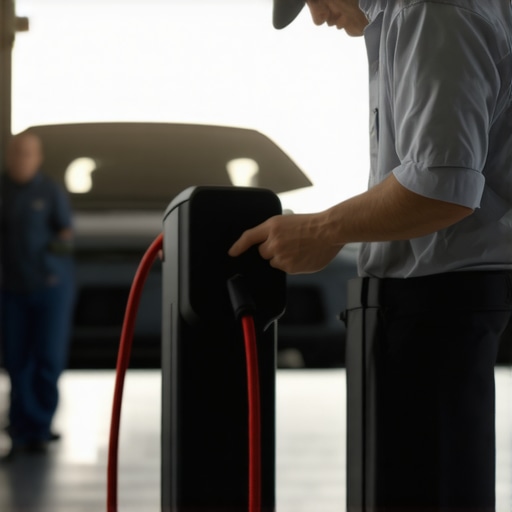
I remember the sinking feeling when I plugged in my EV, only to find that my charger refused to work just when I needed a quick top-up. It was late, I was tired, and I didn’t have a clue where to start troubleshooting. That moment made me realize how critical reliable home charging is—it’s not just about convenience, it’s about ensuring my vehicle stays ready when I need it most. If you’ve ever faced a similar dead-end, you know how frustrating it can be. But here’s the good news: most common issues have straightforward fixes, and with a bit of know-how, you can get your charger back up and running fast.
Why Fixing Your EV Charger Matters More Than Ever
As electric vehicles become the norm rather than the exception, having a dependable home charging setup isn’t just a luxury—it’s a necessity. A malfunctioning charger can throw off your entire schedule, leave you stranded, or worse, cause damage to your vehicle’s battery. According to a recent study, nearly 60% of EV owners experience some form of charging issue during their ownership, which can range from minor glitches to complete failures. That’s a lot of time, money, and frustration that could be avoided with a little troubleshooting knowledge. Plus, properly maintaining your charger extends its lifespan and keeps your home safe—trust me, a small issue left unchecked can turn into a costly repair or safety hazard. So, today, I promise to share proven tips that will help you identify, diagnose, and fix common problems quickly, saving you time and stress.
Is It Really Worth the Effort to Troubleshoot Yourself?
Early in my EV journey, I made the mistake of calling an electrician for every tiny issue. It seemed easiest at the time, but I soon realized that many problems I could have fixed myself with just a few simple steps. The key is knowing what to look for and when to call in the pros. For instance, inconsistencies in power supply or loose connections are often easy to spot and fix. You don’t need to be an electrician to handle basic troubleshooting, and doing so can save you a lot of money. If you’re curious whether DIY fixes are worth it, I recommend checking out [expert tips for quick troubleshooting](https://reliableelectricpro.com/ev-charger-troubleshooting-quick-tips-for-faster-home-charging) which cover the most common issues seen in home chargers. And remember, safety always comes first—if you’re uncomfortable or unsure, don’t hesitate to contact a professional. Ready to dive into the practical steps? Let’s get your charger back on track so you can enjoy reliable, fast charging every time.
Check the Power Source and Circuit Breaker
Start with the basics: ensure your home’s main power supply is active. I once faced a dead charger after a storm knocked out power temporarily. I checked the circuit breaker and found it had tripped. Resetting it restored power to the charger outlet. To do this, locate your main breaker panel, identify the breaker for your charging station, and flip it off then on again. If it trips repeatedly, it indicates an overload or wiring issue that needs professional attention. For more details, visit quick troubleshooting tips for faster home charging.
Inspect the Physical Connections and Cables
Loose or damaged cables are common culprits. I remember unplugging and replugging my charger to reseat the connection, which fixed a minor flickering issue. Make sure all connectors are snug and free of dirt or corrosion. Look for frayed wires or cracks in the cable insulation. Use a multimeter if available to test continuity. If you find damaged cables, replacing them can prevent safety hazards. For detailed inspection techniques, see electrician troubleshooting tips.
Test the Charger Unit Itself
Sometimes, the problem lies within the charger unit. I once had a charger display an error code that I looked up, revealing a faulty internal relay. If your charger has a display panel, note any error messages. Try resetting the charger by unplugging it for a few minutes. Check if the unit has a reset button or follow the manufacturer’s instructions for a soft reset. If issues persist, consider consulting the manufacturer’s troubleshooting guide or contacting their support. For expert advice, explore expert troubleshooting tips.
Verify the Electrical Wiring and Outlet
Improper wiring or a faulty outlet can prevent charging. I once hired a trusted electrician who checked my outlet wiring and found loose connections. Turn off the power at the breaker before inspecting the outlet. Remove the faceplate and look for loose or burnt wires. Tighten connections or replace the outlet if necessary. Use a voltage tester to confirm power flow. If you’re unsure, professional inspection is safest. For professional guidance, see lighting installation troubleshooting.
Evaluate the Charging Station Setup and Compatibility
Ensure your charger is compatible with your vehicle and installed correctly. I once upgraded my EV and had to reconfigure my charger’s settings. Review your installation instructions and calibration settings. Confirm that your vehicle and charger communicate properly. Sometimes, firmware updates are needed for optimal performance. For comprehensive setup tips, visit safe setup practices.
When to Call a Professional
While DIY troubleshooting can resolve many issues, some problems require expert intervention—especially if you encounter persistent tripping, wiring faults, or safety concerns. I learned the hard way that attempting to fix electrical issues beyond my expertise can cause hazards. If you’re uncomfortable or unsure at any point, contact a licensed electrician. They have specialized tools and knowledge to diagnose complex problems safely. For trusted professionals, visit contact us.
Many homeowners and even some electricians fall into traps when addressing EV charger issues or lighting installations because of misconceptions that seem logical but are actually misleading. Let’s dig deeper into what most people get wrong and uncover the hidden nuances that can save you time, money, and safety risks.
Why the Simplistic Approach Sometimes Fails
One of the biggest misconceptions is assuming that if your EV charger isn’t working, it’s always a wiring or power supply issue. While these are common culprits, many overlook the importance of firmware, communication protocols, or even environmental factors like humidity and temperature that can affect modern chargers. For example, some chargers require updates or resets that aren’t immediately obvious without consulting the manufacturer’s guide. Relying solely on visual inspection or basic troubleshooting can lead you to replace perfectly fine components, wasting resources and causing unnecessary delays.
Beware of the Overconfidence Trap
There’s a temptation to think you can handle every electrical issue because of DIY tutorials online. However, this can backfire if you underestimate the complexity of the wiring or ignore safety standards. A common mistake is attempting to fix wiring problems without shutting off the main power, which can lead to dangerous electric shocks. Also, overconfidence can cause you to misdiagnose issues, like replacing a cable that’s actually fine, while the real problem lies in a faulty circuit breaker or a malfunctioning internal component. Always verify your assumptions and consult professional guidance if in doubt. For reliable insights, check out expert troubleshooting tips.
Lighting Installations Require More Than Just Wiring
Many people think installing new lighting is as simple as connecting wires to an outlet. But the hidden nuance is understanding how load calculations, dimmer compatibility, and even local codes affect safety and performance. For instance, installing a dimmer switch with incompatible LED bulbs can cause flickering or damage. Moreover, improper grounding or circuit overloads are common pitfalls that can lead to electrical fires or costly repairs down the line. Professional electricians spend time evaluating these factors, ensuring your lighting is not only functional but also safe and compliant with regulations. Learn more about these details in lighting installation best practices.
What Advanced Electricians Know About Troubleshooting
For experienced electricians, troubleshooting is less about guessing and more about systematic elimination. They understand that many issues stem from subtle wiring faults, insulation breakdowns, or even software bugs in smart home systems. For example, a recurring trip in your circuit breaker might indicate a hidden short or an overload caused by a faulty device or improper wiring, not just a tripped breaker. Advanced troubleshooting involves using specialized tools like clamp meters, circuit analyzers, and even thermal imaging to detect problems invisible to the naked eye. This level of expertise minimizes downtime and prevents future failures. If you want to master these skills, consider reviewing electrician troubleshooting techniques.
Have you ever fallen into this trap? Let me know in the comments. Remember, understanding these hidden nuances is crucial for reliable and safe electrical systems in your home.
Invest in Quality Diagnostic Tools
To keep your EV charger functioning smoothly, I rely heavily on a high-quality clamp meter like the Fluke 376 FC. It’s my go-to for quick, non-intrusive current measurements, especially when diagnosing uneven power draw or tripped circuits. The built-in Bluetooth allows me to log data on my smartphone, making it easier to spot inconsistent readings over time. Additionally, a reliable multimeter, such as the Klein Tools MM6000, helps me verify voltage and continuity without risking safety, which is crucial when working with high-current systems.
Use Firmware and Software Updates Strategically
Modern EV chargers often have firmware that can be updated to fix bugs or improve compatibility. I always check the manufacturer’s app or website for updates before troubleshooting. For example, some chargers require firmware updates to resolve communication issues with newer vehicle models. I’ve found that keeping the software current can prevent many problems from arising and extend the lifespan of the charger. To streamline this process, I use a dedicated Wi-Fi connection to upload updates directly to the charger, making maintenance less of a chore.
Implement Routine Inspection and Testing
Regular visual inspections are vital. I schedule quarterly checks where I unplug the charger, examine the cable and connectors for signs of wear or corrosion, and ensure grounding is intact. I also run a quick test with my multimeter on the outlet and the charger’s internal components. This habit helps me catch minor issues—like loose wiring or frayed cables—before they escalate into costly repairs. For comprehensive maintenance routines, I follow guidelines outlined in top EV charger maintenance tips.
Document Your Troubleshooting and Maintenance
Keeping a detailed log of issues, repairs, and upgrades has saved me countless hours. I use a simple spreadsheet to track dates, symptoms, actions taken, and results. This record helps identify patterns, such as recurring tripped breakers or failing cables, and provides a clear history for any professional I call in. Over time, this documentation becomes a valuable resource—especially as your system grows or if you plan to scale your setup. For advice on effective record-keeping, see expert troubleshooting tips.
Future Trends in Maintenance and Tools
Looking ahead, I believe AI-powered diagnostic apps and smart sensors embedded in chargers will revolutionize maintenance. These tools will automatically detect issues and notify homeowners via smartphone alerts, reducing downtime significantly. Already, some high-end chargers include self-diagnostic features that can identify wiring faults or firmware discrepancies. As technology advances, I predict a shift towards fully automated maintenance routines, making troubleshooting faster and safer. To stay ahead, I recommend integrating smart tools today, like sensors that monitor temperature and current flow, which can alert you to potential problems before they happen.
How do I maintain my EV charger over time?
Consistent maintenance starts with scheduled inspections, firmware updates, and keeping my tools handy. I also ensure my electrical panel is free of dust and moisture, which can affect overall system performance. Remember, safety first—always shut off power before inspecting or working on your charger. For detailed guidance on long-term maintenance, visit top EV charger maintenance tips. Don’t hesitate to try advanced diagnostics like using a clamp meter for quick current checks—these small steps can prevent major issues down the line. Keep your setup reliable, and enjoy hassle-free charging for years to come!
What I Wish I Knew Before Diving Into Troubleshooting
One of the hardest lessons I learned was that not every issue is a wiring nightmare. Sometimes, the culprit is a simple firmware glitch or environmental factor like humidity. Recognizing these less obvious causes saved me time and money. Also, I underestimated the importance of quality diagnostic tools; a good multimeter or clamp meter isn’t just for electricians—it’s a game changer for any EV owner serious about maintenance. Lastly, I realized that patience and a cautious approach trump rushing into repairs. Safety should always be your top priority, especially when working with high-voltage systems.
Tools and Resources That Changed My Approach
My essential toolkit includes a Fluke 376 FC clamp meter for quick current checks, which I trust for its accuracy and ease of use. The Klein Tools MM6000 multimeter is my go-to for verifying voltage and continuity safely. For learning, I recommend the comprehensive guide on EV charger maintenance—it helped me understand routine checks that prevent bigger problems. Also, staying updated with firmware via the manufacturer’s app has kept my charger running smoothly, avoiding many common issues.
Let Your Experience Inspire Action
Troubleshooting your EV charger might seem daunting at first, but with patience and the right knowledge, it becomes a rewarding part of home ownership. Every fix you master boosts your confidence and keeps your vehicle ready when you need it most. Remember, safety and proper tools are your best friends on this journey. Don’t wait for a breakdown—start a routine of regular inspections and stay informed about the latest tech updates. Your reliable home charging setup is within reach, and the peace of mind it offers is priceless.