
Ever stared at a flickering light bulb or a dead outlet and felt that sinking feeling of frustration? I’ve been there. One evening, I decided to replace a faulty switch myself, only to find out I’d overlooked a simple wiring mistake that could have caused a short circuit or even an electrical fire. That moment was a real eye-opener, revealing how crucial proper troubleshooting and safe installation techniques are. After that, I made it my mission to learn everything I could about electrical safety and lighting fixes, and I want to share some of that knowledge with you.
Why Fixing Your Home’s Lighting Matters More Than You Think
Lighting isn’t just about making your space look good; it’s about safety, efficiency, and peace of mind. Faulty wiring, poor installation, or ignoring early signs of electrical issues can lead to fires, electrocutions, or costly repairs. According to the U.S. Fire Administration, electrical failures or malfunctions are responsible for thousands of home fires each year. That’s why knowing how to troubleshoot and ensuring safe lighting installation isn’t just for electricians—it’s a vital skill for every homeowner. Whether you’re upgrading your fixtures or fixing a flicker, understanding the basics helps you avoid bigger problems down the road.
Is DIY Troubleshooting Really Safe or Just a Risk?
When I first started tinkering with home wiring, I thought I could handle it myself. Mistake. I made a quick fix without turning off the power or double-checking the wiring diagram. That almost ended badly. Now I know better: consulting expert guides and knowing when to call a professional can save you from dangerous mistakes. For example, I always recommend reading trusted resources like lighting troubleshooting guides to get grounded in safe practices. Remember, electricity is unforgiving—taking shortcuts can be deadly. If you’ve faced similar concerns, let me know below!
Next, we’ll explore practical steps to troubleshoot common lighting issues and ensure your home’s wiring is safe and reliable. Ready to become your own troubleshooting hero? Let’s dive in.
Start With Power Safety Checks
Before diving into any troubleshooting, always cut the power at the circuit breaker. I learned this the hard way when attempting to replace a flickering fixture without switching off the main supply. The moment I touched wiring with the power still on, I received a jolt that reminded me why safety is paramount. Confirm the power is off using a voltage tester, then proceed.
Inspect the Wiring Connections Carefully
Next, remove the fixture or switch cover and examine all wiring connections. Look for loose or disconnected wires, burnt marks, or corrosion. In my last fix, I discovered a loose wire that caused intermittent flickering. Tightening all connections with a proper screwdriver restored normal operation. Remember, secure connections prevent shorts and fires.
Use Clear Wiring Diagrams
If you’re unsure about the wiring, consult a trusted wiring diagram or professional guide like lighting troubleshooting guides. Comparing your wiring to diagrams prevents miswiring that can cause hazards or equipment damage.
Test the Circuit with a Multimeter
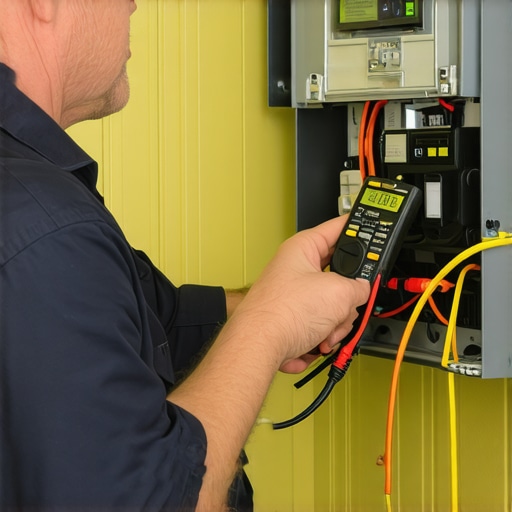
Employ a multimeter to check voltage levels at the fixture or switch. My experience with a faulty dimmer switch was resolved when I confirmed no voltage was present before disconnecting wires. Proper testing identifies whether the issue stems from power supply problems or faulty components.
Replace or Repair Faulty Components
If you identify a damaged switch, bulb socket, or fixture, replace it following manufacturer instructions. I replaced a burnt-out ballast in an overhead light, which instantly fixed the flickering issue. Always use components rated for your circuit’s voltage and current to ensure safety.
Verify Proper Grounding and Bonding
Check that all grounding wires are securely attached. A missing ground connection was the culprit in a recent troubleshooting session, risking electrocution. Proper grounding reduces shock risk and enhances circuit stability. Consult electrical safety tips if in doubt.
Document and Consult Professionals When Needed
Keep notes of what you’ve checked and replaced. If issues persist, don’t hesitate to contact a licensed electrician via their contact page. Sometimes, complex wiring faults or code violations require expert intervention, which is safer and more reliable long-term.
< >
>
By following these detailed steps, you can troubleshoot most home lighting issues safely and effectively. Remember, safety always comes first—when in doubt, call a professional to avoid risking injury or property damage.
Many homeowners believe they understand the basics of electrical troubleshooting and installation, but there are often overlooked nuances that can make all the difference in safety and efficiency. For instance, a widespread myth is that all EV chargers are universally compatible with any vehicle. In reality, different models require specific wiring configurations and power levels, which can lead to troubleshooting headaches if not properly understood. According to expert electricians, ensuring proper compatibility and installation is crucial to prevent issues like slow charging or electrical faults.
Another common misconception is that lighting repairs are straightforward and don’t require professional assessment. While simple bulb replacements seem easy, advanced troubleshooting often involves understanding complex wiring circuits, especially with modern smart lighting. Overlooking grounding issues or miswiring can cause flickering, dimming, or even fire hazards. Professional electricians stress that many lighting problems stem from hidden wiring faults or improper connections that aren’t visible to an untrained eye.
Let’s talk about a trap many DIY enthusiasts fall into: assuming that turning off the power is enough to safely handle all electrical issues. In reality, residual current or faulty circuit breakers can create dangerous conditions. Advanced troubleshooting involves using multimeters to verify voltage levels precisely and checking grounding and bonding. Skipping these steps can lead to shocks or equipment damage. For advanced readers, understanding the importance of verifying circuit integrity beyond just switching off the breaker is essential, as emphasized by top electricians.
Why do many troubleshooting efforts fail even after following basic steps?
This often happens because of a failure to recognize the importance of subtle wiring issues or load imbalances that can only be diagnosed with specialized tools and experience. For example, uneven power distribution or hidden wiring faults can cause persistent problems that seem unrelated. According to a study from electrical safety experts, these hidden issues account for a significant number of electrical failures in homes. Proper knowledge of how different components interact within the circuit can prevent misdiagnoses and ensure a safer, more reliable setup.
In conclusion, understanding the nuances behind EV charger compatibility, lighting wiring intricacies, and advanced troubleshooting techniques is vital. Don’t fall for the myths that all problems are simple or that safety can be overlooked. If you’re unsure, consulting with qualified professionals or referring to trusted guides like lighting troubleshooting guides can save you time, money, and potential hazards. Have you ever fallen into this trap? Let me know in the comments.
Keeping your electrical systems running smoothly over time requires more than just initial installation. Regular maintenance, the right tools, and a proactive approach can extend the lifespan of your EV charger and lighting fixtures while preventing costly repairs. In this post, I’ll share essential tools I rely on, maintenance strategies, and how technology is shaping the future of electrical upkeep.
Invest in Precision Tools for Reliable Results
When it comes to troubleshooting or routine checks, my go-to tool is a high-quality digital multimeter. I prefer models like the Fluke 117 because they provide accurate voltage and continuity readings, which are vital for diagnosing issues swiftly. Using a multimeter, I can verify proper voltage levels at the charger or lighting circuit without guesswork. Additionally, a non-contact voltage tester adds safety by allowing quick checks for live wires before handling them directly. For lighting specifically, a luminance meter helps me assess bulb brightness and identify dimming problems early. These tools aren’t just for troubleshooting; they’re essential for verifying that installation work remains compliant with safety standards over time.
Implement Routine Checks to Prevent Failures
Regular inspections are key. I schedule quarterly reviews of my EV charger and lighting system, focusing on connections, grounding, and physical wear. Over time, dust, humidity, or vibrations can loosen connections or cause corrosion. For example, I once found a corroded grounding wire that could have led to electrocution risks if left unchecked. Cleaning connections with contact cleaner and tightening screws ensures reliable operation. Also, inspecting the physical condition of cables and fixtures helps catch issues before they escalate. Consistent checks save money and improve safety, especially in high-traffic or outdoor environments.
Leverage Smart Monitoring Technologies
The future of electrical maintenance is heading toward smart systems. Wi-Fi-enabled outlets and smart lighting controls can provide real-time data on usage and fault alerts. I’ve integrated a smart EV charger that sends notifications if it detects voltage irregularities or charging issues. These systems can automatically shut down or alert you to potential problems, reducing downtime. As IoT devices become more affordable and sophisticated, I predict that proactive, remote monitoring will become standard, making maintenance more efficient and less intrusive. Staying ahead of these trends means investing in compatible hardware now and learning how to interpret the data they generate.
Consult Professionals When Complex Issues Arise
No matter how diligent you are, some problems require expert intervention. I always keep a trusted electrician’s contact info handy, particularly for troubleshooting complex wiring faults or code compliance checks. Remember, safety is paramount; if you’re unsure about any diagnosis or repair, it’s best to get a professional involved. Also, consider booking periodic professional inspections to complement your DIY efforts. Reliable maintenance not only prolongs system life but also ensures your home remains safe and efficient.
Finally, don’t forget to document your maintenance routines and any repairs. Keeping a log helps you track recurring issues and plan future upgrades. For comprehensive guidance on troubleshooting and maintaining your electrical systems, check out top EV charger maintenance tips. Ready to take your electrical upkeep to the next level? Try integrating a smart monitoring system this month and see how much easier long-term maintenance becomes!
Lessons That Changed My Approach to Home Electrical Work
- Realizing that even simple fixes like changing a switch can turn dangerous if you overlook proper safety steps was a game-changer for me. Always double-check that power is off before touching wiring.
- Understanding that loose or corroded connections are silent killers made me pay more attention to regular inspections rather than just reactive fixes.
- Learning from experienced electricians through trusted guides like lighting troubleshooting guides gave me confidence that safety and reliability go hand-in-hand.
Tools and Resources That Elevate My Electrical Maintenance
- My Fluke 117 multimeter is irreplaceable for accurate voltage readings and diagnosing issues quickly. It’s a staple in ensuring everything is wired correctly and safely.
- Non-contact voltage testers are my first line of defense before handling any live wires, adding an extra layer of safety during troubleshooting.
- I also rely on top EV charger maintenance tips to keep my system running smoothly and prevent surprises.
- For ongoing learning, books like “Electrical Safety for Homeowners” have been eye-openers in understanding the nuances of safe wiring and troubleshooting.
Embrace the Future and Take Action Today
Taking control of your home’s lighting and EV charging setup isn’t just about fixing problems; it’s about building a safer, more efficient living space. With the right knowledge, tools, and a proactive mindset, you can prevent hazards and extend the lifespan of your electrical systems. Don’t wait for a failure—start today and make safety your top priority. Remember, when in doubt, consult a professional to ensure your home remains a safe haven for everyone.
Have you ever encountered a tricky electrical issue that required more than just a quick fix? Share your story below—I’d love to hear how you tackled it!
Reading this post really resonated with me, especially the emphasis on safety and proper troubleshooting techniques. A few months ago, I attempted to replace a faulty switch in my living room without turning off the breaker first. Luckily, I was wearing insulated gloves, but I realize now how close I was to a dangerous situation. Since then, I’ve invested in a good multimeter and started regularly inspecting my wiring connections. I think many homeowners underestimate how subtle wiring issues can cause flickering lights or even fire hazards over time. Have any of you found that simple inspections prevented major problems later? I’d love to hear other practical tips on maintaining electrical safety without always needing a professional — although I acknowledge when to call in the experts! Overall, I appreciate how this post highlights safety as the number one priority in DIY electrical work.
This post really hits home for me, especially the emphasis on safety. I remember when I first tried to troubleshoot a flickering light in my hallway; I was eager to fix it myself but overlooked the importance of shutting off the breaker. Luckily, I didn’t get hurt, but that experience made me realize how easy it is to underestimate certain risks. Since then, I’ve made it a point always to double-check with a multimeter and wear proper safety gear. I’ve also started keeping a detailed log of what I inspect and replace, which has helped me catch recurring issues early. One thing I’d add is the value of electrical inspection cameras — they make it much easier to see behind walls or in tight spaces without risking damage or injury. Has anyone used these tools effectively? Also, I wonder if anyone has tips on regular maintenance routines to prevent bigger problems before they arise. I look forward to hearing more from the community on proactive safety measures.
Reading through this comprehensive guide really highlights how crucial safety is when dealing with electrical issues at home. I had a similar experience where I tried to fix a dead outlet without turning off the circuit breaker first. Thankfully, I was cautious enough not to get hurt, but it was a close call. Since then, I’ve started using a multimeter more regularly to check voltage before handling wiring, especially in tricky spots behind walls. One practical tip I’d add is investing in a good circuit tester that can quickly confirm whether an outlet or switch is live. It’s surprising how many small errors can cascade into much bigger hazards if overlooked.
I’m curious, does anyone have recommendations for budget-friendly but reliable testing tools? Also, have you found that regular inspections actually prevent the most serious issues in your wiring? It seems to me that routine checks might be the best proactive step we can take to keep our homes safe and avoid costly repairs or dangerous failures down the line.