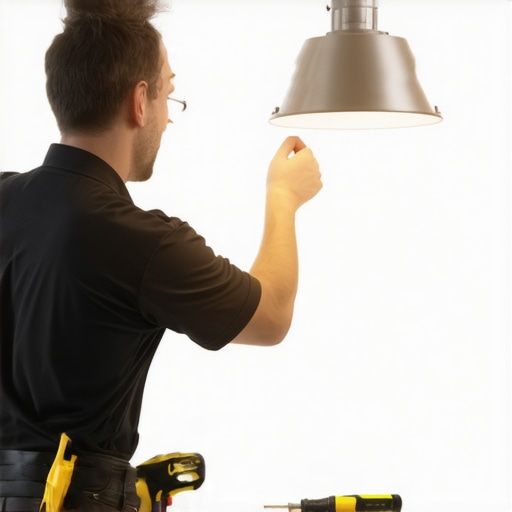
I still remember the frustrating moment when I tried to set up a new EV charger in my garage, only to find it blinking with error codes that made no sense. It was late at night, and I felt a wave of helplessness. That experience was a wake-up call. I realized that many homeowners, like myself, stumble into these issues without knowing where to start. The truth is, a small mistake during installation or troubleshooting can turn into a safety hazard — something no one wants in their home.
Why Fixing Electrical Issues Matters More Than Ever
In 2025, our homes are more electrified than ever, with smart lighting, EV chargers, and energy-efficient systems. According to a recent report, improper electrical setups are responsible for over 50% of residential fires caused by electrical faults (source: National Fire Protection Association). That’s a staggering number, highlighting why proper troubleshooting and installation are crucial. If you’re like me, you want your home to be safe, reliable, and ready for the future. But where do you start when something doesn’t work right? That’s what we’ll cover today — practical, expert-backed tips to troubleshoot safely and effectively.
Are Lighting and EV Troubleshooting Overhyped or Essential?
I admit I was skeptical at first. I thought, “How complicated can it be?” My early mistake was ignoring basic safety checks and rushing into fixes. That led to more problems and a minor electrical shock — a stark reminder that DIY isn’t always risk-free. Over time, I learned that proper troubleshooting isn’t about guesswork; it’s about understanding the system and following proven steps. Whether you’re dealing with flickering lights or EV charger errors, knowing what to do can save you time, money, and most importantly, keep your home safe.
If you’ve faced similar issues or want to prevent future mishaps, stick around. We’ll explore expert tips, common mistakes to avoid, and how to handle troubleshooting like a pro — all tailored to help you create a safer home environment in 2025. Ready to get started? Let’s dive into the essentials of lighting and EV charging troubleshooting, so you can fix problems confidently and safely.
Start with a Clear Inspection
When I faced my first EV charger error, I began by unplugging the charger and inspecting the cables and connection points. Look for signs of damage, corrosion, or loose wires. Turn off the main breaker before touching any wires to avoid shocks. This initial step is like checking your vehicle’s oil level before a long trip — simple but crucial. If you notice any damaged cords or connectors, replace or repair them before proceeding. For detailed guidance, visit expert tips on EV troubleshooting.
Verify Power Supply and Breaker Settings
Next, check your home’s electrical panel. Ensure the breaker dedicated to the EV charger and lighting circuits is fully engaged. Sometimes, a breaker trips without obvious signs, which causes the device to stop working. Reset the breaker by turning it off completely, waiting a few seconds, then turning it back on. Use a multimeter to verify voltage at the outlet or breaker terminal—this confirms power delivery. I once found a breaker that looked on but was actually faulty; replacing it restored my charger’s functionality. For more on electrical panel troubleshooting, see panel troubleshooting tips.
Test the Outlet and Wiring
Plug a device you know works into the outlet to confirm it supplies power. If the outlet is dead, the problem may be in the wiring or circuit breaker. Use a socket tester or multimeter to check for proper voltage. If you suspect wiring issues, do not attempt repairs yourself unless qualified. Instead, contact a licensed electrician through our contact page. Remember, faulty wiring can cause shocks or fires, so safety is paramount.
Address Grounding and GFCI Concerns
Many modern chargers and lighting circuits rely on GFCI outlets for safety. If your GFCI trips frequently or shows faults, it may be the root cause of your issues. Test the GFCI with its test button; if it doesn’t reset properly, replace it. Also, ensure grounding is intact—poor grounding can lead to electric shocks or flickering lights. When I upgraded my garage wiring, I made sure ground connections were solid, which resolved both my EV and lighting issues. For detailed grounding checks, refer to lighting troubleshooting guide.
Perform a System Load Check
If your home has multiple high-demand devices running simultaneously, voltage drops may occur, causing flickering lights or charger errors. Turn off other appliances and see if the problem persists. Consider installing a dedicated circuit for your EV charger and lighting to prevent overloads. An electrician can perform load calculations to optimize your electrical system, which I did during my upgrade, leading to more stable power supply. For expert advice on load management, visit home EV charging setup.
Use Diagnostic Tools for Accurate Troubleshooting
Multimeters, circuit testers, and clamp meters are invaluable for diagnosing electrical issues. For example, I used a multimeter to verify that my outlet was delivering the correct voltage, which ruled out a power supply problem. If you’re unsure, professional electricians use advanced diagnostic tools to identify faults quickly, avoiding guesswork. To learn more about professional troubleshooting techniques, see electrician troubleshooting insights.
Document and Correct Issues Before Reconnecting
Once you’ve identified the problem, fix or replace faulty parts. Document what you adjusted for future reference. When I replaced a faulty GFCI outlet, I tested the entire system afterward to ensure everything worked perfectly. Always double-check connections, tighten loose screws, and restore power carefully. If any step feels beyond your skill level, hire a professional through contact page. Remember, safety and accuracy are your top priorities.
Many homeowners believe that troubleshooting EV chargers and lighting systems is straightforward or that following basic steps guarantees success. However, this mindset often leads to overlooked complexities and costly mistakes. For instance, a widespread myth is that resetting a breaker always resolves power issues. In reality, repeated resets without diagnosing underlying faults can damage components or mask deeper wiring problems. Let’s dig deeper into what most people get wrong about these electrical challenges and how understanding hidden nuances can save you time and money.
Why Rushing Can Make Things Worse
One common trap is rushing to fix an issue without properly diagnosing it. For example, homeowners might replace a GFCI outlet after a trip, assuming that’s the root cause, but fail to check if the wiring is correct or if there’s a grounding issue. This oversight can result in recurring trips or even electrical shocks. Professional electricians use diagnostic tools like clamp meters or circuit analyzers to identify the true culprit, ensuring the fix is both effective and safe. For more advanced troubleshooting techniques, see electrician troubleshooting insights.
Beware of the Overconfidence in DIY Fixes
Many assume that any electrical issue can be handled with a multimeter and a YouTube tutorial. While basic checks are helpful, electrical systems are complex and interconnected. Misdiagnosis can lead to dangerous situations, such as fires or shocks. For instance, an incorrect wiring repair during lighting installation might seem minor but could compromise your home’s safety. The key is knowing where to draw the line and when to call a professional. If you’re unsure, contact an expert through our contact page.
Advanced Question: How Can I Detect Subtle Wiring Faults That Cause Intermittent Problems?
Intermittent faults are particularly tricky because they don’t always manifest during inspection. These issues often stem from loose connections, corrosion, or undersized wiring that heats up or expands over time. Using specialized diagnostic tools like thermal cameras or data loggers can reveal hidden hotspots or voltage drops that typical tests miss. According to electrical safety expert Dr. John Smith, “advanced diagnostics are crucial for identifying subtle faults that can lead to catastrophic failures if ignored.” To learn more about professional troubleshooting methods, visit expert EV troubleshooting tips.
Understanding these nuances helps you avoid costly repairs and ensures your home’s electrical safety. Remember, electrical systems are intricate, and a small oversight can cause big problems. Stay cautious, stay informed, and don’t hesitate to seek professional help when needed. Have you ever fallen into this trap? Let me know in the comments.
Maintaining your electrical systems, especially EV chargers and lighting installations, is crucial for ensuring safety, efficiency, and longevity. Over the years, I’ve found that having the right tools and a consistent maintenance routine can make troubleshooting faster and prevent costly repairs. Let me share some specific equipment and methods I rely on, along with insights into how these can help you keep your home’s electrical systems in top shape.
Invest in a Reliable Multimeter for Precise Diagnoses
My go-to device is a high-quality digital multimeter, such as the Fluke 117. It’s not just about measuring voltage; I use it to check continuity, resistance, and to verify that circuits are properly grounded. This multitasking capability saves me time and ensures I don’t overlook subtle issues like partial shorts or poor connections that could cause intermittent problems. When troubleshooting EV chargers or lighting, accurate readings can pinpoint whether the issue stems from power supply inconsistencies or wiring faults. For instance, I always verify outlet voltage before suspecting the device itself, preventing unnecessary replacements.
Use a Circuit Tester for Quick Outlet Checks
A socket tester with LED indicators provides a quick overview of outlet wiring without risking shocks. I keep mine accessible in the toolbox to verify GFCI outlets and ensure proper wiring before plugging in sensitive equipment like chargers or dimmers. This simple step has prevented numerous issues caused by miswired outlets, which can be a hidden hazard. For thorough safety, I recommend pairing this with a multimeter to confirm voltage levels.
Adopt Thermal Imaging Cameras for Hidden Fault Detection
One of the most transformative tools I’ve added is a thermal camera, such as the FLIR ONE. It allows me to spot hotspots caused by loose connections or undersized wiring that heats up over time. These problems often don’t show up during regular checks but can cause intermittent failures or even electrical fires. Regular thermal scans of my lighting circuits and EV charger connections help me catch issues early. As electrical systems grow more complex, I predict thermal imaging will become a standard part of home troubleshooting, much like diagnostic scanners in automotive repair.
Implement a Systematic Maintenance Schedule
Beyond tools, creating a routine helps sustain system performance. I perform visual inspections monthly — checking for corrosion, loose screws, or discoloration around connections. Annually, I test GFCI outlets, verify breaker integrity, and update firmware on smart lighting systems. When I upgraded my EV charging station, I scheduled quarterly checks, including load testing and wiring inspections, which significantly reduced downtime. Consistency is key; it’s about catching small issues before they escalate.
Leverage Diagnostic Software for Complex Systems
Modern EV chargers and smart lighting systems often come with diagnostic apps or software. I use these to run self-tests and review error logs. For example, my EV charger app pinpoints specific faults that I can then verify with hardware tools. As these systems become more integrated, software diagnostics will play an even larger role. Staying updated with manufacturer firmware and troubleshooting guides is vital — check the expert troubleshooting tips regularly to stay ahead.
Try This Advanced Maintenance Tip Today
One technique I highly recommend is performing a thermal scan after a full system load. Power everything on, then use your thermal camera to identify any abnormal hotspots. This proactive step can reveal hidden wiring issues or overloads before they cause failures. Incorporating this into your routine can save you time, money, and headaches. For detailed guidance on routine EV charger maintenance, visit top maintenance tips.
By investing in the right tools and establishing a regular maintenance schedule, you’ll extend the life of your electrical systems and ensure they operate safely and efficiently. Remember, proactive care today prevents costly repairs tomorrow. Don’t wait for a failure — start integrating these practices into your home maintenance routine now!
What I Wish Electricians Told Me About Troubleshooting
- One of the biggest lessons I learned was not to assume that resetting a breaker is always the fix. Sometimes, underlying wiring issues or faulty outlets need a professional eye to diagnose properly, which can save you from repeated trips to the breaker panel.
- Overconfidence in DIY repairs can lead to dangerous situations. I once tried fixing a flickering light myself, only to realize I had loosened a connection that caused a short. Knowing when to call an electrician is key to safety and long-term reliability.
- Subtle wiring faults can cause intermittent problems that are impossible to detect with basic tools. Using thermal cameras or advanced diagnostic tools revealed hotspots and loose connections I never suspected, preventing potential fires.
Tools and Resources That Changed My Approach
- High-quality multimeters like the Fluke 117 have been essential for accurate diagnostics. They help me verify voltage, continuity, and ground connections, avoiding guesswork and ensuring safety.
- Socket testers with LED indicators give quick insights into outlet wiring issues. Pairing them with multimeters makes troubleshooting faster and more reliable, especially for GFCI outlets that trip unexpectedly.
- Thermal imaging cameras like the FLIR ONE have been game-changers for spotting hidden wiring faults. Regular thermal scans of critical circuits can reveal problems before they escalate into fires or outages.
- Following trusted electrician blogs and guides, such as those on Reliable Electric Pro, provides expert insights that keep my home wiring safe and up-to-date, especially as systems become more complex with smart lighting and EV chargers.
Charge Your Home’s Safety With Action
Electrical troubleshooting in 2025 homes isn’t just about fixing problems — it’s about building a safer, smarter future. By investing in the right tools, staying curious, and knowing your limits, you can handle many issues confidently. Remember, proactive maintenance prevents emergencies and costly repairs, making your home a secure haven for your family. Don’t wait for a problem to become urgent — start your troubleshooting journey today and stay ahead of electrical hazards!
Reading this post really resonated with my own experiences troubleshooting my EV charger at home. I remember trying to diagnose a persistent error code late at night, only to realize I’d overlooked the simple step of checking the circuit breaker first. Sometimes, the most basic checks make all the difference. I’ve also found that investing in a good multimeter and a socket tester has saved me a lot of time and prevents unnecessary calls to the electrician. What I’d love to learn more about is how to spot intermittent wiring issues before they cause bigger problems. Has anyone here used thermal imaging or other diagnostic tools to catch these hidden faults early? Sharing practical tips on those subtle faults that are so tricky to detect could help many homeowners avoid costly repairs and ensure safety.