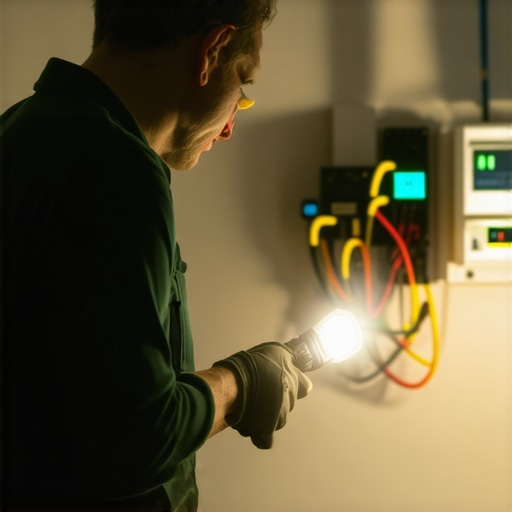
It was late on a quiet evening when I flipped the switch, expecting our living room to glow softly. Instead, a flicker danced across the wall, followed by a sudden pop. For a moment, I wondered if I’d just set off a small fireworks display in my own home. That’s when it hit me—lighting problems aren’t just an annoyance; they can be dangerous. If you’ve ever experienced a dimming fixture or a sudden spark, you know how unsettling it can be.
Why Proper Lighting Installation Matters More Than Ever
In today’s homes, lighting isn’t just about ambiance—it’s a critical safety feature. Faulty wiring, poor connections, or incorrectly installed fixtures can cause electrical shocks or even fires. I learned this the hard way early in my DIY adventures, rushing through an installation without proper safety checks. That mistake cost me time, money, and peace of mind. Luckily, I found reliable resources, like this comprehensive troubleshooting guide, which helped me understand the importance of following best practices.
Every homeowner should prioritize correct installation techniques, especially as homes become more electrified with smart lighting and energy-efficient fixtures. This isn’t just about avoiding minor inconveniences; it’s about protecting your loved ones and property from preventable hazards.
Is DIY Lighting Installation Truly Risk-Free?
I admit, I was once tempted to go the DIY route, thinking I could save a little and learn along the way. But my early attempt turned into a lesson in humility. A simple mistake—like misconnecting a switch—could have led to electrical shocks or short circuits. Early in my journey, I learned that even minor errors can have serious consequences. That’s why consulting professional electricians and trusted guides, such as this expert troubleshooting resource, is crucial for ensuring safety and efficiency.
If you’ve ever hesitated before flipping a breaker or wondered if your wiring is up to code, you’re not alone. Many homeowners share this concern, but the good news is that with the right knowledge and precautions, you can drastically improve your lighting safety.
In the upcoming sections, I’ll walk you through essential tips and common pitfalls in lighting installation. Whether you’re installing a new fixture or troubleshooting flickers, these insights will help you avoid hazards and enjoy a brighter, safer home. Ready to light up your space without risking a dark disaster? Let’s get started.
Preparing Your Workspace for Installation
Ensure your power is turned off at the main breaker before starting any wiring. I remember the first time I skipped this step; I received a mild shock because I assumed the circuit was dead. Always verify with a tester—it’s like checking for silent alarms before entering a secured area. Clear the area of any obstructions and gather all necessary tools, including screwdrivers, wire strippers, and voltage testers. This preparation prevents delays and accidental mishaps, making the process safer and more efficient.
Connecting Fixtures Correctly
Think of electrical wiring as a water system; hot, neutral, and ground wires are like the flow paths for current, water, and safety. I once mistakenly swapped the hot and neutral wires while installing a ceiling light, which caused flickering and potential shock hazards. To avoid this, follow the wiring diagram closely and double-check connections with a reliable troubleshooting guide like this comprehensive guide. Remember: tight, secure connections are vital to prevent arcing or loose contacts that can ignite fires.
Testing Your Setup Before Powering Up
Before restoring power, use a multimeter or voltage tester to confirm all connections are correct and live wires are properly insulated. I learned this the hard way when I turned the breaker back on prematurely and sparked a small arc. Testing is like doing a pre-flight check on an airplane—crucial for ensuring everything is safe and functional. This step can save you from costly repairs or safety hazards later.
Integrating Smart Lighting Safely
Smart lighting adds convenience but also complexity. Properly rated outlets and switches are essential; mismatched components can cause malfunction or damage. When I installed my first smart switch, I followed detailed instructions from this electrician-approved resource. Use dedicated circuits if possible and consult a professional for high-voltage or unfamiliar devices. Think of smart systems as delicate musical instruments—you need proper tuning and handling to prevent discord or damage.
Addressing Common Troubleshooting Challenges
Flickering lights and non-functional outlets are frequent issues. Start with inspecting connections—loose wires are like slack in a fishing line, causing erratic results. Use a multimeter to check voltage levels; inconsistent readings can point to faulty wiring or circuit overloads. For persistent problems, consult specialized troubleshooting guides like this electrician troubleshooting manual. Remember, safety gear such as insulated gloves and tools is essential when diagnosing electrical faults, turning a risky situation into a manageable task.
While many assume that installing lighting fixtures or EV chargers is a straightforward task, seasoned professionals know there’s more beneath the surface. A common misconception is that following a standard wiring diagram suffices, but in reality, each home’s electrical system has unique quirks demanding tailored solutions. For example, some homeowners believe that all circuit breakers are interchangeable and can handle any load, but neglecting the amperage ratings or the specifics of their systems can lead to dangerous overloads or failures. As detailed in expert resources like this comprehensive troubleshooting guide, understanding the nuances of circuit capacity is crucial to prevent costly and hazardous issues.
Another widespread myth is that smart lighting and EV chargers are universally compatible with existing wiring setups. In truth, integrating these modern devices often uncovers hidden issues—like insufficient dedicated circuits or outdated wiring—that can impair functionality or safety. Upgrading wiring or installing dedicated circuits may seem like an extra step, but it’s essential for ensuring reliable performance. The danger of neglecting these precautions is real; improper installations can cause frequent faults, damage devices, or even ignite fires. For an in-depth look at safe setup practices, consider consulting this expert guide.
Many technicians also overlook the importance of subtle wiring nuances that aren’t immediately visible. For instance, the quality of connections—tightness, insulation, and proper grounding—can significantly influence troubleshooting outcomes. A loose connection might cause intermittent flickering, which is often misdiagnosed as a fixture problem rather than a wiring fault. This highlights a critical point: the precision of connections impacts not just functionality but also safety. Even experienced electricians can fall prey to this trap if they overlook minor details during a quick fix. To avoid this, always refer to this troubleshooting manual and double-check every connection—sometimes, the smallest detail can prevent a disaster.
What about the frequent mishandling of EV charging stations? A prevalent mistake is assuming that standard outlets can handle the high current necessary for fast charging, but without proper circuit protection, this oversight risks overheating and damaging both the wiring and the vehicle’s charging system. Experts emphasize installing dedicated, appropriately rated circuits and ensuring correct grounding to maximize safety. For advanced users looking to prevent common pitfalls, this troubleshooting resource offers valuable insights.
Make no mistake: the hidden nuances in lighting and EV charging installation are real and often overlooked. Recognizing these subtleties can save you from unnecessary repairs, safety hazards, and costly mistakes. Have you ever fallen into this trap? Let me know in the comments and share your experiences. Mastering these details turns a good technician into a reliable expert—so stay vigilant, ask questions, and always prioritize safety over convenience.Maintaining your electrical systems, from lighting fixtures to EV chargers, requires precision, reliability, and the right tools. Over years of hands-on experience, I’ve learned that having the appropriate equipment not only speeds up the troubleshooting process but also ensures safety and long-term performance. One indispensable tool I keep in my kit is a high-quality digital multimeter. I personally favor the Fluke 115 for its accuracy, durability, and ease of use. It allows me to quickly measure voltage, current, and resistance, helping me identify faulty connections or shorts swiftly. Investing in a reliable multimeter is crucial because, as I discovered, cheap alternatives often provide misleading readings that can lead to unnecessary repairs or safety hazards.
Why Accurate Testing Equipment Matters
Beyond a multimeter, I rely on a non-contact voltage tester. I prefer the Sperry Instruments NCVT-2, which provides quick verification without the risk of accidental shock. It’s especially useful during initial assessments, saving time and enhancing safety. For more invasive troubleshooting, a wire stripper and crimping tool from Klein Tools ensure clean, secure connections, which are vital for avoiding arcing or loose contacts that could result in wiring failures or fires.
Keeping Your Tools in Top Shape
Regular maintenance of your equipment is often overlooked. For instance, I always clean my multimeter probes and check calibration annually to ensure consistent accuracy. Damaged or uncalibrated tools not only give false readings but can also compromise safety during repair work. Proper storage in a padded case prevents accidental damage and keeps your tools ready for the next challenge.
Embracing Software for Long-Term Monitoring
In addition to physical tools, software for system monitoring is becoming increasingly valuable. I recommend integrating systems like Home Assistant or SmartThings, which can alert you to anomalies—such as unexpected voltage fluctuations—before they escalate into major issues. Advanced users might explore using a power quality analyzer like the Dranetz PowerXplorer, which provides detailed reports over time, assisting in predictive maintenance and scaling efforts.
Predicting the Future of Electrical Maintenance
As smart technology advances, the trend toward AI-driven diagnostics and IoT-connected tools is set to revolutionize maintenance. These tools will allow homeowners and professionals to detect issues proactively, optimize energy use, and extend the lifespan of their systems. Staying ahead involves not only adopting these innovations but also understanding their integration, much like ensuring your EV charger setup remains safe and efficient over years.
How do I keep my electrical systems working smoothly over time?
Practicing regular inspections, calibration of testing instruments, and updating your monitoring systems can make a world of difference. For detail-oriented guidance, refer to this comprehensive troubleshooting guide. I encourage you to try calibrating your multimeter today—it’s a simple step that can prevent many headaches and keep your home wiring dependable for years to come.
Beyond the Manual: Secrets My Lighting Lessons Revealed
One of the most impactful lessons I’ve learned is that meticulous attention to detail can make—or break—your electrical safety. Even a tiny oversight, like neglecting a proper ground connection, can turn a routine upgrade into a hazardous situation. That light flicker I fixed last year taught me to double-check every wire, every connection, and never assume a diagram is foolproof. Sometimes, the real wisdom comes from experience and a willingness to learn from mistakes, not just following standard procedures.
Another insight was realizing that patience is a virtue, especially when dealing with complex wiring such as smart systems or EV chargers. Rushing through installs often leads to miswiring or overlooked safety checks. Spending extra time to verify each step—measured with a multimeter and guided by trusted resources—can save you from headaches and potential hazards down the line. Remember, safety isn’t just a checklist; it’s a mindset rooted in thoroughness and respect for the electrical currents we tame.
Lastly, I’ve discovered that continuous learning and staying updated on industry standards is crucial. The electrical field evolves rapidly, with new devices and codes emerging regularly. Investing time in training—whether through online guides, courses, or trusted blogs like this troubleshooting guide—keeps your skills sharp and your installations safer. To truly master lighting safety, embrace curiosity and never let complacency settle in.
My Toolbox for Electrical Confidence
Over the years, I’ve curated a set of tools that I trust implicitly. A high-quality digital multimeter, like the Fluke 115, provides precise readings that eliminate guesswork. A reliable non-contact voltage tester, such as Sperry’s NCVT-2, safeguards against accidental shocks and verifies live wires instantly. Klein Tools’ wire strippers and crimpers ensure clean, secure connections, preventing arcing or loose contacts during critical steps. For ongoing system health, I depend on software solutions like SmartThings to monitor voltage fluctuations and system health proactively. Each of these tools has earned its place through personal experience and proven reliability, making my work safer and more efficient. For those aiming to elevate their troubleshooting game, I recommend exploring this comprehensive troubleshooting guide, which complements a well-stocked toolkit perfectly.
Light the Path Forward
Your journey into electrical safety and proficient lighting installation doesn’t have to be daunting. Each step you take—armed with knowledge, patience, and the right tools—brings your home closer to safety and efficiency. Remember, every flicker or odd connection is an opportunity to learn and improve. Dare to experiment, ask questions, and seek trusted resources like this electrician’s troubleshooting manual to guide you. Your skills will grow, and with it, your confidence in handling your home’s electrical systems. Let’s light up your space—safely and smartly—because every home deserves the best we can give.
Reading this post resonated with my own experiences in troubleshooting lighting issues at home. I once underestimated the importance of proper safety checks, which led to a brief frightening shock when I accidentally re-energized a faulty circuit. Since then, I’ve prioritized turning off the main breaker and verifying with a multimeter to ensure safety, especially when dealing with aging wiring that might not meet current standards. I appreciate the emphasis on accurate testing tools like the Fluke multimeter, which I’ve found invaluable in diagnosing problems quickly.
One challenge I often face is identifying loose connections behind fixtures that cause flickering. Sometimes, it’s hard to access these securely without proper tools or experience. How do others here approach troubleshooting hidden wiring connections, especially in older homes with outdated electrical systems? Also, do you have recommendations for inspecting or upgrading old wiring to ensure it’s safe for smart devices and EV chargers? Would love to hear insights from seasoned electricians or DIY enthusiasts alike. Staying vigilant and well-equipped has definitely made my projects safer and more efficient.
This post hits home for me, especially since I recently replaced some older fixtures in my house. The importance of safety checks before powering up cannot be overstated—using proper tools like a multimeter really makes all the difference in avoiding surprises. I’ve found that in my older home, some wiring has deteriorated without me realizing, leading to flickering issues even after seemingly proper installation. Upgrading outdated wiring is a smart move, but it can be daunting without professional guidance. Has anyone here had experience with cost-effective but thorough rewiring solutions in older residences?
I also want to add that while smart lighting is fantastic, it introduces new challenges—like ensuring circuits are dedicated enough to handle the added load, especially for EV chargers. Do others recommend specific circuit upgrades or inspections before installing these modern devices? It seems that taking these proactive steps not only boosts safety but also improves reliability long term. I’d love to hear what approaches have worked well for people, especially in managing complex systems with safety and efficiency in mind.
This was a very timely and relevant post for me. I recently decided to upgrade some lighting fixtures in my older home, and I learned firsthand how crucial it is to double-check connections and ensure everything is insulated properly before turning the power back on. Using a multimeter and a non-contact tester gave me peace of mind when re-energizing the circuit. I’m curious, how do others here approach identifying hidden wiring issues in older houses, especially when fixtures are outdated or hard to access? Also, are there any specific signs or symptoms that indicate the wiring might need a full upgrade rather than just repair? I’ve found that scheduling a professional inspection periodically can save a lot of headaches long-term, especially as we add more smart devices and EV chargers which demand more robust wiring. It’s clear that paying attention to these details from the start keeps everyone safer. Would love to hear tips or experiences from seasoned DIYers or pros!