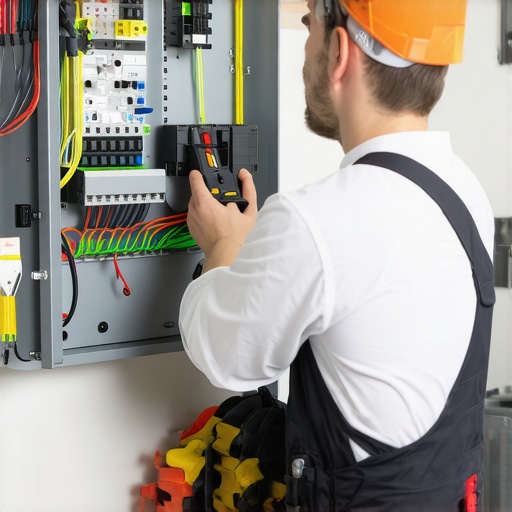
Picture this: I was midway through installing a new ceiling fixture, sweat dripping, when suddenly, the entire circuit tripped. No warning, no flickers, just a complete blackout while my family watched in disbelief. That frustrating moment was my lightbulb moment. It made me realize how easily a small mistake in lighting installation or troubleshooting can escalate into a safety hazard. And honestly? I almost ignored it.
What we often overlook is that proper lighting and electrical safety are not things to handle with a DIY attitude alone. They require knowledge, respect for the risks, and sometimes, professional intervention. But more importantly, understanding the common pitfalls can save us from dangerous accidents and costly repairs.
Today, I promise to share practical insights on how you can troubleshoot your home lighting safely and effectively, preventing small issues from turning into disasters. Whether you’re installing an EV charger or simply replacing a bulb, knowing the right steps is crucial.
Why Overconfidence in Electrical Work Can Be Dangerous
One of the biggest mistakes I made early on was assuming I could handle everything without proper training. I remember watching a YouTube video on lighting installation and thinking, “How hard can it be?” Well, that was before I faced a spark, a burnt wire, and a trip to the emergency room. It’s a stark reminder that electrical work can be unpredictable and unsafe if not approached with caution.
The truth is, electrical issues are a leading cause of home fires—accounting for nearly 45,000 fires annually in the United States alone, according to the National Fire Protection Association. That’s why professionals emphasize the importance of following safety protocols and doing a thorough job.
If you’ve ever faced the dilemma of a flickering light, a sudden outage, or an unresponsive switch, you’re not alone. These problems are common, and understanding their root causes can make a huge difference. For instance, many issues stem from faulty wiring, loose connections, or outdated fixtures—things that can be best addressed with expert guidance.
To get started on the right foot, I recommend reviewing comprehensive troubleshooting guides like the ones offered by trusted sources, which can be invaluable for DIY enthusiasts and homeowners alike. For example, [this resource](https://reliableelectricpro.com/lighting-installation-troubleshooting-safety-tips-from-professional-electricians) offers detailed safety tips and step-by-step instructions.
So, if you’ve ever been frustrated by inconsistent lighting or worried about electrical safety, I invite you to keep reading. Together, we’ll explore the key steps to safely troubleshoot and improve your home’s lighting setup—moving from uncertainty to confidence.
Turn Off Power Before You Begin
Always cut the power supply to the circuit you’re working on. Use the circuit breaker or fuse box to turn off the relevant breaker. This is like unplugging a device before repairing it—necessary to prevent electric shocks. I remember a time when I skipped this step and almost got a shock while handling a ceiling light. Always double-check that power is off using a voltage tester.
Verify Power Is Zero
Use a non-contact voltage tester or multimeter to confirm there’s no voltage. Insert the tester into the fixture socket or wires to ensure no current runs through. Think of this as testing the waters before diving in—you wouldn’t jump into cold water without checking the temperature. When I verified the voltage with my multimeter, I was relieved to find it was dead, preventing potential injury.
Identify and Label Wires Carefully
Document your wiring before disconnecting anything. Take photos or label wires with tape. This ensures correct reconnection later, avoiding confusion or miswiring. For instance, I labeled my wires with masking tape and took photos, which saved me hours figuring out the connections during reassembly. Proper labeling is crucial, especially when troubleshooting complex setups like EV chargers or multi-way lighting circuits.
Inspect for Damage and Loose Connections
Look for burnt, frayed wires, or loose connections. Tighten any loose terminal screws and replace damaged wires. Use a flashlight and magnifying glass if needed. During an upgrade, I discovered a loose wire that was causing flickering lights—a simple fix once identified. For more detailed inspection tips, visit this troubleshooting guide.
Test Continuity and Proper Wiring
Use a multimeter to check continuity across connections. Ensure hot, neutral, and ground wires are correctly assigned. Think of this as testing a closed circuit—if continuity exists where it shouldn’t, the circuit is faulty. I ran a continuity test on my new fixture wiring, confirming everything was correctly connected before restoring power.
Restore Power and Observe
Once all connections are verified, restore power at the breaker. Observe the circuit for any signs of issues—flickering lights, sparks, or unusual sounds. If problems arise, turn off power immediately and recheck your work. During my own troubleshooting, restoring power resulted in stable lighting, confirming my repairs. To prevent future issues with EV chargers, regularly inspect your connections, as recommended in maintenance tips.
Test Functionality and Safety
Finally, test the fixture or device to ensure it operates correctly. Use a voltage tester to confirm proper voltage levels and a ground tester to verify safety. For EV chargers, consult resources like this setup guide to ensure your installation is both safe and efficient. Remember, if you encounter persistent issues, consider consulting a professional to double-check your work.
Many homeowners believe that troubleshooting electrical issues or installing complex systems like EV chargers is straightforward, but the reality is far more nuanced. One widespread misconception is that any spark or flicker signals a major fault requiring immediate professional replacement, but often, these signs are minor and manageable with specific knowledge. As I’ve learned through years of experience, understanding the subtleties—such as differentiating between a loose terminal and a wiring overload—can prevent costly mistakes and safety hazards.
Another frequent trap is the overconfidence in DIY methods promoted online. While tutorials can be helpful, they sometimes oversimplify critical safety steps, leading to overlooked hazards like incomplete grounding or improper wire labeling. For instance, neglecting to verify circuit de-energization with a multimeter before starting work is a common mistake that can prove deadly. Always remember, safety protocols are not optional; they are essential. You can find detailed safety guidelines in this resource.
In fact, many assume that newer home wiring is inherently safer. However, outdated or improperly installed wiring can be just as dangerous as old systems. Misjudging your home’s electrical infrastructure often leads to troubleshooting dead-ends or worse, fire hazards. An advanced mistake involves misinterpreting voltage readings; a voltage tester might indicate power presence when there is a fault in the circuit, especially if the tester is not the right type or used improperly. Proper testing techniques, like using a multimeter for continuity checks, are critical skills—more on which can be learned from this guide.
Regarding EV chargers, many assume installation is a plug-and-play process. But, without understanding the nuances of dedicated circuits, proper grounding, and load management, the system can malfunction or pose safety risks. The subtlety here is in correctly sizing the circuit breaker and ensuring the wiring matches the manufacturer’s specifications. Regular maintenance and troubleshooting of EV chargers are essential, as highlighted in this detailed article.
So, what’s the hidden lesson? It’s that electrical work demands a blend of technical knowledge and cautious respect. Recognizing common myths prevents overconfidence, and understanding complex nuances ensures safety and efficiency. Instead of rushing into a fix, invest time in grasping the subtleties—perhaps by consulting with a professional electrician or deepening your knowledge through trusted resources. This approach reduces risks and extends the lifespan of your installations.
Have you ever fallen into this trap? Let me know in the comments.
Invest in the Right Tools for Long-Term Reliability
As an electrician and DIY enthusiast, I can’t emphasize enough how crucial selecting the right tools is for maintaining your home’s electrical systems. Personally, I rely heavily on a high-quality digital multimeter, such as the Fluke 117, because its precise readings help me quickly identify wiring faults and verify proper connections. A reliable multimeter allows you to measure voltage, current, and resistance safely, ensuring your troubleshooting is both accurate and safe.
Additionally, I use a non-contact voltage tester to instantly confirm whether circuits are live before starting work. These testers are invaluable—they deliver quick, visual results and help prevent accidental shocks. For example, I always check new fixtures and circuit breakers before handling any wires, which is a simple step that can save lives.
Tools That Make Troubleshooting Easier and Safer
Beyond basic testers, I recommend investing in a good wire stripper and crimping tools. Properly stripping wires ensures solid connections without damaging the conductors, which is essential for preventing future faults. I prefer models with adjustable stops because they control the wire length precisely, creating consistent, professional-grade connections.
For complex troubleshooting, a clamp meter is essential. It measures current without needing to disconnect wires, making it faster to diagnose issues like overloads or poor grounding. I personally use a clamp meter from Klein Tools, appreciated for its robustness and ease of use during EV charger installations, which often involve high current loads.
Maintaining Systems for Long-Term Success
Routine inspections and preventive maintenance are key. Setting a schedule—perhaps every six months—to check for loose connections, corrosion, or signs of overheating can catch issues early. During these inspections, I use my thermal imaging camera to spot hotspots that may indicate impending failures. Early detection through such tools allows for timely repairs, avoiding costly repairs or safety hazards down the line.
For electric vehicle (EV) chargers specifically, regular inspections are vital. Ensure connections are tight, and consider upgrading cables if they show wear. A good tip is to follow manufacturers’ maintenance recommendations, which often include cleaning contact points and checking for proper grounding. For detailed maintenance routines, check out these expert tips.
Growing Trends: Smart Tools and Automation
The future of electrical maintenance leans toward smart testing devices that can log data over time, send alerts for anomalies, and even assist with remote diagnostics. For instance, smart sensors integrated into home wiring systems can monitor load levels and warn homeowners before issues escalate. Staying updated with these innovations can dramatically improve how we manage long-term system health.
How do I maintain my lighting and EV systems over time?
Consistent checking with multimeters, thermal cameras, and connection integrity tests are the core. Remember, maintaining safety standards as outlined by experts like these guidelines will help ensure your systems stay reliable. Invest in a good set of tools—like a quality multimeter and thermal imaging camera—and develop a routine schedule. Practice these steps, and you’ll spot potential issues before they become emergencies.
Why not try my favorite advanced tip: integrate a thermal imaging camera into your maintenance routine. It can quickly identify overheating connections—hotspots—that you can’t see with the naked eye. These images provide actionable insights to prevent failures and extend your system’s lifespan. Ready to improve your troubleshooting approach? Start by testing your main circuit connections with an infrared camera or a high-quality multimeter and see the difference it makes!
What I Wish I Knew Before Playing With Sparks
One of the most eye-opening lessons I learned was how easily overconfidence can lead to costly mistakes in electrical work. Handling a wiring fix without proper tools or knowledge almost ended badly, reinforcing the importance of respecting electricity’s power and understanding my limits. This experience taught me that every spark has a story, and it’s up to us to read it safely.
Tools That Transformed My Approach to Lighting and EV Chargers
Investing in quality tools such as my Fluke multimeter and thermal imaging camera dramatically improved my troubleshooting accuracy. These devices allow me to detect hidden issues before they escalate, ensuring safety and longevity for my installations. Trust me, reliable equipment isn’t an expense—it’s an investment in peace of mind and professional quality.
Your Next Step in Safe, Smart Electrical Maintenance
Now, I encourage you to integrate routine inspections with advanced tools and continuous learning. Whether it’s a simple bulb swap or complex EV charger setup, developing a cautious, informed mindset will set you apart. Stay curious, stay safe, and remember—every electrical decision shapes the safety of your home and loved ones.