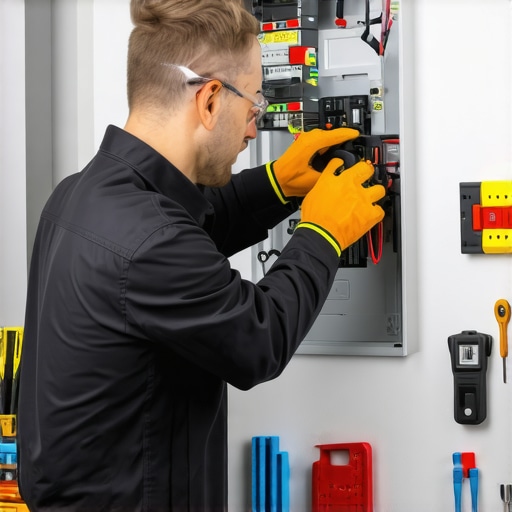
Ever been in the middle of a lighting upgrade or trying to troubleshoot your EV charger when suddenly everything flickers off? I know that feeling all too well. One time, I was replacing a ceiling fixture in my living room, and just as I connected the last wire, the entire circuit tripped. My heart sank. It wasn’t just a nuisance — it was a wake-up call about safety and proper troubleshooting. That moment made me realize how crucial it is to understand the pitfalls and best practices in electrical work.
Why Lighting and EV Charger Troubleshooting Matters More Than Ever
Today, more homeowners are investing in smart lighting systems and electric vehicles, making electrical safety and troubleshooting skills more essential than ever. The last thing you want is to cause a short circuit or damage your expensive equipment due to a simple mistake. According to the National Fire Protection Association, electrical failures account for nearly 50,000 fires annually, many of which could be prevented with proper safety measures and knowledge (source). So, whether you’re installing new lighting fixtures or setting up a home EV charging station, understanding the right safety tips can save your property and your life.
Have you ever faced a frustrating flickering light or a non-charging EV? You’re not alone. I’ve been there, and I learned the hard way that rushing into fixes without proper knowledge can turn small issues into big hazards. Early on, I ignored a loose wire in my garage, which caused sparks and a brief outage. That mistake taught me the importance of patience and following expert guidance.
In this post, I’ll guide you through the essential safety tips and troubleshooting techniques that real electricians swear by. From safe lighting installation to diagnosing EV charger problems, these tips will help you tackle issues confidently and safely. If you’ve been hesitant to get your hands dirty or worried about safety, don’t worry — I’ll show you step-by-step how to avoid common pitfalls and ensure your home stays protected while fixing or upgrading your electrical systems. Ready to become your own troubleshooting hero? Let’s dive in!
Understanding Your System Before You Touch a Wire
Before you start poking around, it’s vital to turn off the power at the main breaker. This simple step prevents accidental shocks and short circuits. Make sure to test the circuit with a voltage tester — a small but mighty tool that can save you from serious harm. Never rely solely on flipping the switch; always verify the absence of voltage.
Next, familiarize yourself with your wiring layout. Old homes might have outdated wiring that needs special attention. If you’re unsure, consulting a professional electrician or referring to trusted guides like Lighting Installation Made Easy can provide clarity. Remember, safety isn’t just a rule — it’s the foundation of any successful troubleshooting or installation.
Have you faced a tricky lighting or EV charging issue that left you scratching your head? Share your experience in the comments or reach out via our contact page. In the next sections, I’ll break down common problems and how to fix them without risking your safety or damaging your equipment. Stay tuned — becoming confident in electrical troubleshooting is easier than you think, especially with the right guidance.
Turn Off and Confirm Power Disconnection
Before starting any troubleshooting, flip the main breaker off and verify with a voltage tester that the circuit is dead. I remember a time I worked on a faulty outlet in my garage; I assumed it was safe after flipping the switch, but a quick check with a tester revealed live current, preventing a shock. Always double-check to ensure safety, like confirming your car is off before changing a tire.
Identify Your Wiring Layout Like a Map
Sketch out or review your wiring diagram, especially in older homes where outdated wiring might be tricky. I once inherited a house with confusing wiring behind the walls. Using a circuit tester, I mapped which wires led where, avoiding accidental shorts. For detailed guidance, check lighting installation tips to understand wiring diagrams better.
Inspect and Tighten Connections Carefully
Loose wires are a common cause of flickering lights and charging issues. I had a flickering living room light that was just a loose screw on the terminal. Tightening it fixed the problem instantly. Use a screwdriver to secure all terminal screws, and if you see corrosion, clean it with a wire brush. This prevents poor contact that can cause sparks or malfunctions.
Test Components Methodically
Check each component—bulbs, switches, connectors—one by one. I replaced a faulty relay in my EV charger, and testing it with a multimeter revealed it was shorted. For complex systems, consult EV charger troubleshooting tips for detailed component testing methods. Remember, replacing a bad part is sometimes the fastest fix.
Use Proper Tools to Diagnose Correctly
Invest in a reliable multimeter, voltage tester, and wire stripper. I once tried to diagnose a dimmer switch with a cheap tester, which gave false readings. Upgrading to a quality multimeter helped me catch the real issue—a faulty dimmer module. Proper tools make your diagnosis precise, saving time and preventing further damage.
Follow a Logical Troubleshooting Sequence
Don’t jump around randomly. Start from the source: main breaker, then move to switches, wiring, and fixtures. I learned this the hard way when I replaced a light bulb without checking the switch wiring first, only to find the switch was faulty. Systematic steps ensure no component is overlooked and reduce the risk of overlooking the real issue.
Consult Professional Resources When Needed
If the problem persists, don’t hesitate to visit trusted guides like electrician troubleshooting guides. I once faced a stubborn wiring fault that stumped me, and a quick consultation with professional advice saved the day. Never force a fix that feels beyond your skill; safety is paramount.
Document Your Work for Future Reference
Keep notes on what you tested and replaced. I found that recording my troubleshooting steps helped me diagnose future issues faster. Plus, it’s useful if you hire a professional later, ensuring they understand what has already been checked.
Many homeowners and even DIY enthusiasts believe they can master EV charger troubleshooting or lighting installation with just a quick read or a few YouTube videos. However, this misconception can lead to costly mistakes and safety hazards. Let’s dig deeper into what most people get wrong about these tasks and how understanding the nuances can save you time and prevent accidents.
Myth 1: You Can Fix Electrical Issues Without Proper Tools or Knowledge
One of the biggest errors is thinking that a simple screwdriver or a generic tester is enough to diagnose complex electrical problems. In reality, specialized tools like a multimeter, voltage tester, and knowledge of wiring diagrams are essential. Relying on guesswork or basic tools increases the risk of misdiagnosis, which can lead to fire or equipment damage. For instance, testing your EV charger with a cheap multimeter might not reveal subtle faults in wiring insulation or ground faults. Always use the right tools and follow expert guidelines, like those detailed in EV troubleshooting guides.
Myth 2: All Wiring and Components Are Interchangeable
Many assume that replacing a bulb or switch is straightforward and that any component will do. This falls apart when dealing with higher voltages or modern smart lighting systems. Outdated wiring or incompatible components can cause flickering, outages, or dangerous shorts. Modern systems often require specific ratings and connections—ignoring this can lead to worse problems. The subtlety here is recognizing the importance of matching specifications and understanding your wiring layout, which is why consulting professional guides is crucial.
Oops! The Hidden Trap You Should Avoid
One trap I see frequently is rushing to fix a problem without turning off power or verifying the circuit is de-energized. This mistake can lead to electric shocks or damage to your equipment. Always test circuits with a reliable voltage tester before proceeding. Remember, even if the switch is off, some wiring might still be live due to circuit faults or shared circuits. Safety first—always double-check.
How Can Advanced Troubleshooting Save Your Home?
For those who want to go beyond the basics, understanding how to identify subtle faults like ground leaks, neutral issues, or incorrect wiring configurations can make all the difference. These problems are often overlooked but can cause persistent flickering or charging failures. According to expert sources, advanced diagnostics involve measuring resistance, continuity, and phase relationships — skills that are best learned through comprehensive training or professional guidance. This knowledge can prevent recurring issues and extend the lifespan of your electrical systems.
Moreover, knowing the nuances of your electrical system helps you avoid common pitfalls that even some licensed electricians might overlook when rushing. For instance, improper grounding or insufficient circuit capacity can silently cause problems that mimic simple faults. Being equipped with this deeper understanding ensures safer and more reliable installations and repairs.
Have you ever fallen into this trap? Let me know in the comments. Remember, mastering these nuances is not just for electricians — with the right information and tools, you too can troubleshoot effectively and safely. For more detailed, expert-approved advice, don’t hesitate to check out electrician troubleshooting tips.
Maintaining your home’s electrical systems, especially when it involves EV chargers and lighting installations, is crucial for ensuring safety, efficiency, and longevity. Over time, even well-installed systems can develop issues that require regular attention and the right tools to troubleshoot effectively. As someone who has tackled everything from troubleshooting EV chargers to upgrading lighting, I can attest that having a set of reliable, specific tools makes all the difference in maintaining optimal performance and avoiding costly repairs.
Invest in a High-Quality Multimeter for Precise Diagnostics
A multimeter is your best friend when it comes to diagnosing electrical problems. I personally prefer a digital multimeter with auto-ranging capabilities like the Fluke 117. It’s durable, provides accurate readings, and is easy to use, even for complex circuits. I use it to verify voltage levels at outlets and check continuity in wiring, especially after troubleshooting EV chargers or lighting circuits. Having a reliable multimeter helps prevent misdiagnosis and ensures you’re working with safe, de-energized circuits.
Stick to Certified Voltage Testers to Confirm Power Disconnection
Before working on any electrical component, always double-check with a certified voltage tester such as the Klein Tools NCVT-3. This non-contact tester is sensitive enough to detect live circuits without risking contact with energized parts. I use it regularly when switching off breakers for lighting or EV chargers, especially in older homes with potentially outdated wiring. Confirming power is off is a simple step that can prevent shocks and injuries.
Use Wire Strippers Designed for Safety and Efficiency
Proper wire strippers like the Knipex 16 02 125 are essential for clean, safe wire connections. I prefer these because they cut and strip wires smoothly without damaging the insulation, which is vital when working on sensitive EV charger wiring or lighting fixtures. Properly stripped wires ensure a solid connection, reducing flickering or charging interruptions over time.
Leverage Specialized Software for System Monitoring
Beyond physical tools, software solutions are becoming increasingly valuable. I recommend using maintenance apps and diagnostic software that can monitor EV charger performance and alert you to potential issues before they escalate. These tools help track usage patterns, identify anomalies, and schedule preventive maintenance, extending the lifespan of your equipment.
Plan for Long-Term Maintenance with Scheduled Checks
Routine inspections—every 6 to 12 months—are vital. During these checks, I test all critical connections, inspect wiring for corrosion or wear, and verify grounding systems. Keeping a detailed log of maintenance activities, including tools used and issues found, helps me quickly address recurring problems and plan upgrades before failures occur.
Stay Ahead by Embracing Future Trends in Electrical Maintenance
Looking ahead, smart electrical systems integrated with IoT devices will revolutionize maintenance. Predictive analytics and remote diagnostics will allow homeowners and electricians to address issues proactively. Investing now in compatible tools and software positions you for a future where electrical safety and efficiency are maximized with minimal effort.
If you want to take your troubleshooting skills further, I highly recommend trying out advanced diagnostic techniques like measuring resistance in ground circuits or testing for neutral faults. These methods, detailed in expert electrician guides, can catch hidden issues that disrupt performance over time. Don’t hesitate to give them a try—you’ll be surprised how much simpler maintaining your systems becomes with the right tools and knowledge.
The Hardest Lessons I Learned About EV charger,troubleshooting,lighting install,electrician
One of my most enlightening experiences was realizing that rushing into repairs without proper preparation can turn a minor issue into a major safety hazard. I once attempted to fix a flickering light fixture without turning off the main breaker. A small spark reminded me that patience and thorough safety checks are invaluable lessons that every homeowner should embrace. This moment underscored the importance of respecting the power and understanding the risks involved.
Why Smart Troubleshooting Can Save Your Home
Investing in the right tools, like a high-quality multimeter and certified voltage testers, transformed my approach to electrical repairs. These tools not only help me diagnose issues accurately but also give me peace of mind knowing I’m working safely. For example, using a reliable multimeter prevented me from replacing a component unnecessarily, saving time and money. Trusted resources, such as expert electrician guides, have become my go-to for complex problems, ensuring I don’t overlook subtle faults that could cause recurring issues.
What I Wish I Knew About Electrical Safety from the Start
The biggest lesson I learned is that understanding your home’s wiring layout and systematically testing each component is crucial. I used to jump between troubleshooting steps without a plan, which often led to confusion and mistakes. Now, I follow a logical sequence—turn off power, verify de-energization, inspect connections, and test components. This methodical approach minimizes risks and improves troubleshooting efficiency. Remember, safety isn’t just about tools; it’s about strategy, patience, and respect for electricity.
Curated Recommendations for Every Homeowner
My Essential Toolkit for Electrical Troubleshooting
Investing in a durable digital multimeter like the Fluke 117 has been a game-changer for me. It’s accurate, easy to use, and built to last.
Reliable Voltage Testers
Tools like the Klein Tools NCVT-3 non-contact testers ensure I double-check circuits before working, preventing shocks.
Proper Wiring Tools
Quality wire strippers such as the Knipex 16 02 125 make my wiring connections clean and safe, reducing flickers and faults.
Your Next Step in Electrical Mastery
Don’t let fear hold you back from maintaining your home’s electrical systems. With the right knowledge, tools, and mindset, you can troubleshoot confidently and safely. Remember, every small fix is a step toward a safer, more reliable home. Ready to tackle that flickering light or slow-charging EV? Start today, and don’t be afraid to ask for professional advice when needed. Your home—and your peace of mind—depend on it.