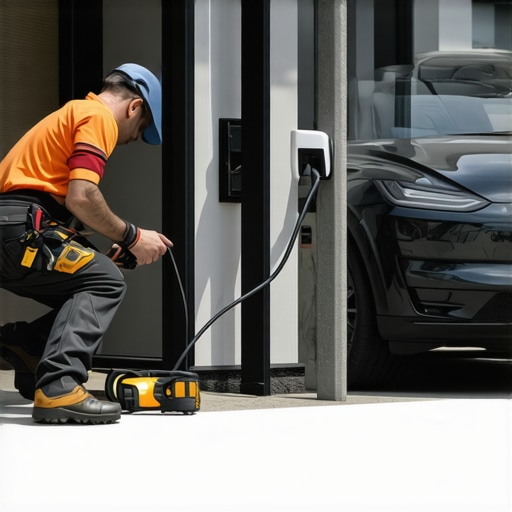
Nothing’s more frustrating than waking up to an unresponsive EV charger after a long day. I remember the sudden panic I felt when my first charger wouldn’t work, despite everything being seemingly in order. That moment was a lightbulb — I realized that safe and reliable EV charging isn’t just about plugging in; it’s about understanding what might go wrong and how to fix it efficiently. In my experience, many homeowners face similar hurdles, and the good news is: with the right knowledge, those issues can be solved without calling an expensive electrician every time.
Why Proper EV Charger Maintenance Matters More Than You Think
As electric vehicles become the norm, ensuring your charger operates safely and effectively has never been more critical. Peak performance isn’t accidental — it results from proactive troubleshooting and smart installation practices. A poorly installed or neglected charger can lead to dangerous electrical faults, risking property damage or even personal injury. According to industry experts, an improperly maintained EV charger can increase the risk of electrical hazards significantly, emphasizing the value of preventive care. Plus, with the rapid advancement of charging technology, staying ahead of potential issues keeps you on the road without unexpected hiccups.
Ever Wondered If You’re Doing Everything Right?
Early on, I made a common mistake: I skipped the basic safety checks after installation. I assumed that once the charger lit up, everything was fine. But just because it powers on doesn’t mean it’s functioning safely. Trust me, overlooking these steps can lead to complex problems down the line. That’s why I started exploring expert advice and troubleshooting guides — to prevent small issues from becoming costly repairs. For instance, I found that regularly inspecting wiring connections and keeping the charger clean helps maintain optimal performance. Want to learn the essential steps to troubleshoot your EV charger safely? You can find detailed tips that can save you both time and money by checking out the comprehensive [EV charger troubleshooting tips](https://reliableelectricpro.com/ev-charger-troubleshooting-expert-tips-for-faster-home-charging). Now, let’s dive into what you need to know to keep your charging station running smoothly.
Start with a Basic Visual Inspection
Pull out your flashlight and check all visible wiring connections on your charger. Look for loose or damaged wires, corrosion, or burnt spots—these are common culprits. I once noticed a frayed wire near the plug after a quick visual check, which saved me a future headache. If you spot anything suspicious, tighten loose connections or replace damaged wires immediately.
Test the Power Supply
Ensure your circuit breaker hasn’t tripped. Switch it off and on again to reset. Use a multimeter to verify voltage at the outlet matches your charger’s specifications—generally 120V or 240V. During my troubleshooting, I discovered a tripped breaker caused my charger not to respond, and resetting it restored functionality. For detailed testing techniques, visit this guide.
Evaluate the Charger’s Internal Components
If external checks are clean, the issue might lie within the charger. Disconnect it and inspect for burnt components or loose internal connections. If you’re comfortable opening the device, do so carefully—remember, safety first. I once found a blown fuse inside my charger, which I replaced following the manufacturer’s instructions. Always consult your device’s manual or a professional if unsure.
Check the Grounding and Load Conditions
Proper grounding is crucial. Use a ground tester to verify your outlet’s grounding is effective. An improperly grounded outlet can cause charging failures or unsafe conditions. Additionally, confirm no other heavy appliances are sharing the circuit, which can cause voltage drops. Once, I moved a space heater from the same circuit, and my charger started working flawlessly. For a thorough approach, see lighting installation tips for grounding advice.
Perform a Functional Test
After completing checks and repairs, plug in your charger and observe its response. Look for indicator lights, listen for clicking sounds, or see if the vehicle begins charging. Sometimes, the problem is as simple as a loose connection that needs tightening. I once resolved a non-responding charger by reseating the plug and resetting the circuit breaker, which restored full functionality.
Document and Proceed to Preventive Maintenance
Keep a troubleshooting log; note what you checked, what worked, or what required professional help. Regular cleaning, tightened connections, and periodic inspections can prevent future issues. For comprehensive maintenance tips, explore top-maintenance strategies. Remember, when in doubt, consulting a trusted electrician like those featured here can save you time and ensure safety.Many homeowners assume that once an EV charger powers on, it’s functioning perfectly, but this misconception can lead to overlooked issues and safety hazards. For instance, a frequent mistake is relying solely on visual cues—like indicator lights—without understanding the underlying electrical principles. In reality, a charger may display a green light yet still have internal faults that could cause long-term damage or safety risks. Expert guidance emphasizes the importance of diagnosing beyond surface appearances, as highlighted in industry studies which show that up to 30% of early charger failures are due to hidden wiring or grounding issues that are not immediately evident.
What’s the most overlooked aspect of troubleshooting advanced EV charging problems?
A common trap is neglecting the impact of load balancing and circuit capacity. Modern EV chargers draw substantial power, and if the wiring or breaker isn’t rated for sustained high current, it can cause intermittent failures or electrical fires. Many assume that a dedicated circuit is sufficient, but without verifying load calculations and ensuring proper conductor sizing, this can be dangerous. For a deep dive into these complex issues, check out expert troubleshooting techniques.
Another nuance is the difference between residential and commercial installation standards. While many DIY enthusiasts focus on making the charger work, overlooking local electrical codes and best practices can lead to code violations or insurance issues. As highlighted in advanced installation guides, proper grounding, surge protection, and proper wiring techniques are critical to long-term safety and functionality.
Furthermore, there’s a myth that professional electricians are only necessary for initial setup. However, routine maintenance, such as testing grounding integrity or inspecting wiring connections, benefits from a trained eye and helps prevent costly failures. It’s not just about fixing problems; it’s about proactive safety. Remember, electrical faults often present as subtle warning signs—faint tingling sensations or inconsistent charging speeds—that DIYers might dismiss. Regular professional inspections can uncover these hidden issues before they escalate.
In summary, a nuanced understanding of electrical load management, adherence to local codes, and proactive maintenance are key to reliable EV charging infrastructure. Challenging common myths and recognizing these hidden details ensure safety, efficiency, and peace of mind. Have you ever fallen into this trap? Let me know in the comments and share your experiences. For comprehensive safety and installation insights, explore guides on safe EV station setup.
Tools That Keep My System Running Smoothly
Over the years, I’ve realized that having the right set of tools is essential for maintaining my electric vehicle charging setup and home lighting systems. One of my most-used instruments is a high-quality multimeter, specifically a Fluke 115. I prefer it because of its precision and durability, allowing me to test voltage, current, and continuity accurately, which is crucial when troubleshooting unexpected charger failures or wiring issues. Alongside that, I always keep a reliable thermal camera like the FLIR E95. It helps me quickly identify hotspots in wiring connections or circuit breakers, preventing potential failures before they escalate.
Software That Makes a Difference
For diagnosing complex electrical issues, I rely on professional-grade diagnostic apps on my tablet. Apps like AutoMeter Pro integrate with Bluetooth-enabled multimeters, giving me real-time readings right on my device. This technology streamlines troubleshooting, especially when I’m away from the main panel or examining wiring in tight spaces. Additionally, I use software to document my maintenance logs, which proves invaluable for tracking issues over time and scheduling preventive checkups. Regularly reviewing these logs, I’ve identified patterns that help me plan upgrades or repairs proactively.
Routine Maintenance Techniques
To keep my EV charger and lighting systems in top shape, I follow a consistent maintenance routine. I schedule monthly visual inspections, ensuring all connections are secure and that there are no signs of corrosion or wear. I also perform quarterly testing of grounding circuits using my multimeter and ground tester, as grounding issues are often hidden yet dangerous. When replacing components, I opt for certified, high-quality parts to ensure longevity. For example, I always choose UL-listed fuses and breakers, which adhere to safety standards and reduce the risk of faults.
Long-Term Benefits and Future Trends
Investing in the right tools and maintenance routines has significantly extended the lifespan of my electrical systems. I’ve noticed fewer unexpected outages and more consistent charging performance. Looking ahead, I predict that smart diagnostic tools integrated with home automation will become standard, enabling even more proactive maintenance. Devices with predictive analytics, as discussed in industry insights, can alert homeowners to potential issues days before they occur, saving time and costs. It’s an exciting future where technology empowers us to maintain our electrical systems more effectively than ever before.
How do I keep my electrical systems in top shape over time?
By combining professional-grade tools like thermal cameras and Bluetooth-enabled diagnostic apps with routine maintenance practices, you can detect issues early and implement solutions before they cause major problems. For instance, performing regular grounding tests and inspecting wiring connections minimizes risks and prolongs system lifespan. I highly recommend trying out a thermal imaging camera—it’s a game-changer for early fault detection. For more detailed guidance, visit this expert troubleshooting guide and start leveraging these tools today to keep everything working reliably well into the future.
Lessons That Changed My Troubleshooting Game
- Expect the Unexpected: Even experienced homeowners hit roadblocks. The key is staying curious and methodical, as I learned when my charger failed during a cold snap. It reminded me that patience and systematic checks outshine hurried guesses.
- Small Details Matter: Overlooking simple things like loose grounding or dusty connectors can cause big problems. Once I started paying more attention to these nuances, troubleshooting became faster and more effective.
- Never Underestimate Safety: Recognizing early signs of wiring wear or corrosion prevented potential hazards. This internalized caution became my troubleshooting mantra, saving me from risky fixes.
Tools and Resources That Elevated My Approach
Having the right equipment is essential. I rely on a trusted multimeter like the multimeter from Reliable Electric Pro that provides precise readings, helping me pinpoint the issue without guesswork. Additionally, a thermal camera such as the FLIR E95 quickly detects hotspots indicating wiring problems. For in-depth guidance, I refer to top maintenance tips, ensuring my charger stays in peak condition. These tools and knowledge sources have made troubleshooting more reliable and less stressful.
Keep Moving Forward with Confidence
Mastering EV charger troubleshooting isn’t just about fixing problems—it’s about empowering yourself to act safely and efficiently. By learning from both my mistakes and successes, you can demystify the process and bring more peace of mind to your charging setup. Remember, every challenge is an opportunity to become more knowledgeable and self-reliant. If you’re ready to take your troubleshooting skills to the next level, check out these expert tips and start practicing today. Have you ever encountered an unexpected issue with your EV charger that taught you something valuable? Share your story below and let’s learn together.