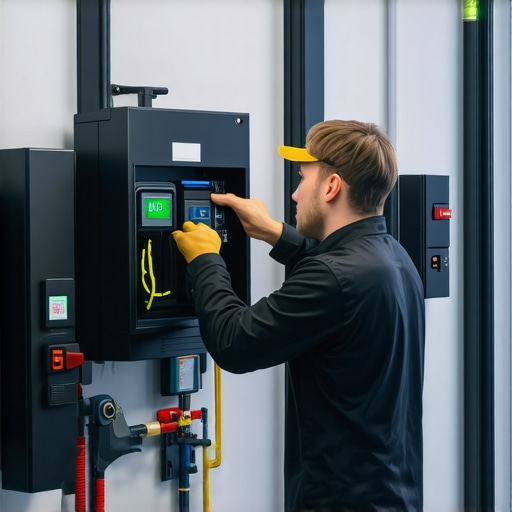
It hit me late one evening while I was hanging around my garage—my newest EV charger refused to play nice. After spending hours on forums and trial-and-error antics, I realized I was missing a fundamental piece of the puzzle. That’s when it dawned on me: troubleshooting isn’t just about fixing problems; it’s about understanding the system deeply enough to prevent them. If you’ve ever faced the frustration of a stubborn light flickering out or an EV charger refusing to charge, you’re not alone. These issues can feel overwhelming, especially when you’re relying on your home setup to keep you moving.
# Electric Troubleshooting: The Secret Weapon of Any Homeowner
In my experience, mastering troubleshooting techniques can save you hundreds—if not thousands—of dollars and countless headaches. But, let’s be honest, many folks give up too soon or jump to conclusions without proper guidance. I’ve learned the hard way that a systematic approach is essential, especially when it comes to EV chargers and lighting systems. Proper troubleshooting isn’t just about quick fixes; it’s about ensuring safety, efficiency, and long-term reliability.
Did you know that improper installation or neglecting regular maintenance accounts for a significant portion of electrical issues in homes? According to the U.S. Department of Energy, faulty electrical systems cause over 50,000 fires annually, many rooted in preventable errors (source: [https://reliableelectricpro.com/ultimate-guide-to-ev-charger-troubleshooting-safe-installation-2](https://reliableelectricpro.com/ultimate-guide-to-ev-charger-troubleshooting-safe-installation-2)). That’s a stark reminder of why understanding and applying expert troubleshooting tips is so crucial.
Throughout this post, I’ll share practical, real-world strategies that have made a difference in my work and personal projects. Whether you’re dealing with an EV charger that won’t cooperate or flickering lights that make you question your safety, I aim to equip you with the knowledge needed to tackle these problems confidently. Ready to dive into the world of troubleshooting? Let’s get started with the fundamentals and move towards solutions that empower you to take control of your home’s electrical health.
Test Your Power Supply First
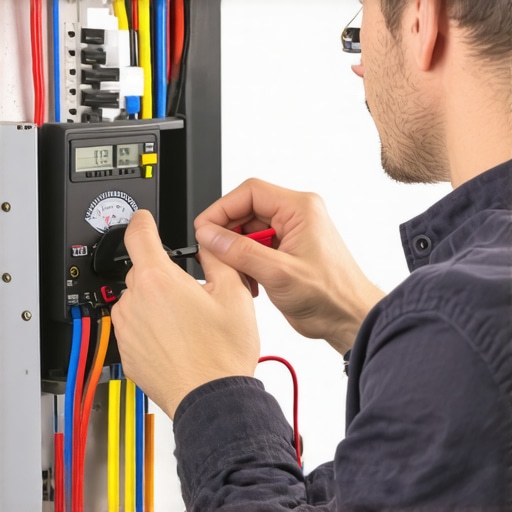
Start by verifying that your home’s main electrical panel is delivering consistent voltage. Think of it as checking the water main before you investigate a leaky faucet. Use a reliable multimeter to measure voltage across the breaker supplying your EV charger or lights. If readings fluctuate wildly or are below standard (110-120V or 220-240V depending on your system), the issue likely starts with your power source. I once encountered a flickering light caused by a loose breaker connection. Tightening it with an insulated screwdriver immediately stabilized the circuit.
Inspect Physical Connections for Integrity
Next, examine every wire connection—look for loose terminals or damaged cables. Picture your wiring as the root system of a tree; if any branch is compromised, the whole system suffers. I had a stubborn charger that refused to turn on, and tracing the wiring revealed a pinched wire behind a wall plate. Securing or replacing compromised cables restored functionality. Refer to professional electrician troubleshooting tips to guide safe inspection procedures.
Check the Breakers and Fuses
Sometimes, the culprit is a worn-out breaker or blown fuse. Turn off the main power before replacing or resetting breakers—think of it as shutting the water main before fixing a leak. If a breaker trips repeatedly when plugging in your EV charger or flipping switches, replace it or consult an electrician. I learned to replace a tripped breaker that caused intermittent power, preventing future damage and ensuring safety.
Use a Circuit Tester to Identify Faults
Employ a non-contact voltage tester or a circuit tester to validate circuit activity quickly. Imagine it as a metal detector that confirms if a buried treasure (power) is present. In my case, a faulty outlet tested negative, leading me to suspect internal wiring issues, which I then tackled by replacing the outlet—an easy fix that I detail in lighting troubleshooting guides.
Test the Equipment Independently
Rule out device faults by testing your EV charger or lighting fixture on a different circuit or with another compatible device. It’s like swapping batteries to identify a dead one. I once suspected my charger was faulty, but after testing it at a friend’s house, I found it worked perfectly, pointing to an issue with my circuit rather than the device itself. This approach saves time and prevents unnecessary repairs.
Consult the Manufacturer and Documentation
Don’t overlook manuals or manufacturer troubleshooting steps—they often contain valuable insights. Think of these as the user’s manual for your troubleshooting toolkit. In difficult cases, visit expert tips for EV troubleshooting for targeted solutions tailored to your model.
Maintain Safety Throughout Every Step
Always turn off power before working on electrical components. Wear insulated gloves, use tools with insulated handles, and double-check with a tester before touching wires. My safety habit was shaped after a minor shock when I neglected to double-check a circuit. Remember, safety isn’t optional—it’s the foundation of effective troubleshooting.
 Many homeowners assume that troubleshooting EV chargers or lighting systems is straightforward, but some myths can mislead even seasoned DIY enthusiasts. One prevalent misconception is that resetting a breaker or replacing a fuse always solves power issues. In reality, this quick fix often masks deeper wiring or grounding problems that require a professional eye. For instance, repeatedly resetting a tripped breaker without identifying the root cause can lead to overheating and fire risks, as detailed in studies highlighting electrical faults as major fire hazards. Experts emphasize that thorough diagnostics—beyond surface fixes—are crucial for long-term safety and reliability.
Another false belief is that all EV chargers are compatible with any outlet or circuit; in fact, improper installation can cause performance issues or damage. Overlooking manufacturer guidelines and not consulting professional electricians can result in inefficient charging or safety violations. For example, using a standard 120V outlet for a high-capacity charger without proper upgrades can cause voltage drops and equipment wear.
The nuance many overlook is the importance of understanding electrical system capacity. A common mistake is to overlook your home’s total load capacity, leading to overloaded circuits that cause flickering or outages during peak usage. Advanced issues involve phase balancing and load calculations, often misunderstood by amateurs. Electricians utilize complex load analysis tools to prevent these problems and ensure optimal performance.
Do you wonder how to identify these hidden pitfalls before they cause damage? Regularly inspecting your system, updating knowledge from credible sources, and consulting experienced professionals can make all the difference. For in-depth guidance, consider exploring expert tips on safe EV charger setup and troubleshooting [here](https://reliableelectricpro.com/ensuring-safe-and-efficient-ev-charging-station-setup-at-home) or reviewing common lighting installation mistakes to avoid.
A critical trap to avoid is underestimating the importance of proper grounding and wiring insulation—many are unaware that poor grounding not only hampers safety but can also cause subtle electrical noises impacting sensitive electronics. This nuance underscores why professional evaluation is essential, especially when upgrading or expanding your electrical system.
In conclusion, the true challenge lies in recognizing that electrical troubleshooting is more than a quick fix. It demands a nuanced understanding of system mechanics, myth-busting common misconceptions, and a committed approach to safety. Are you confident that your home setup is foolproof, or have misconceptions kept you from resolving issues effectively? Let me know in the comments, and stay safe by trusting expert guidance when in doubt.Maintaining your electrical systems, especially EV chargers and lighting, is crucial for safety and longevity. With the rapid advancement of smart home technology, the tools you use today will evolve, but some essentials remain constant. I recommend investing in a high-quality digital multimeter, like the Fluke 115, which I’ve personally relied on for its accuracy and durability. It allows me to precisely measure voltage, current, and resistance, helping me quickly identify wiring issues or voltage drops, as discussed in expert electrical troubleshooting guides. Additionally, a non-contact voltage tester, such as the Klein Tools NCVT-3, provides instant safety assurance before working on live circuits, reducing risk during maintenance.
For software, I advocate for using a digital circuit analyzer app on your smartphone—these tools can log voltage fluctuations over time, revealing subtle problems that static tests might miss. Apps like VeDi (Voltage Data Logger) enable me to track power quality trends, ensuring my systems operate within optimal parameters. Regularly consulting manufacturer documentation, like those provided in the EV charger troubleshooting guides, helps in understanding unique system behaviors and maintenance needs.
Long-term care also involves routine inspections—checking for loose connections, corrosion, or discoloration. Using a thermal imaging camera can be a game-changer; it allows you to spot hotspots indicating overloaded circuits or failing components before they cause failures. I personally use the FLIR ONE camera, which connects to my phone, making inspection accessible and effective.
Thinking ahead, as homes become more integrated with IoT devices, tools will increasingly include wireless diagnostics. Future trends point toward smarter, automated maintenance systems that predict failures before they happen, much like predictive analytics in industrial applications. To prepare, consider integrating some of these digital tools into your maintenance routine now.
**How do I keep my systems reliable over time?** The key is consistent preventive maintenance combined with the right equipment. Incorporate routine inspections with thermal imaging and electrical testing to catch issues early, and don’t skip the important step of reviewing your wiring and connections regularly. Remember, safety comes first—always turn off power sources before any inspection or repair. If you haven’t tried using a thermal camera yet, I highly recommend it as a proactive measure—it’s a game-changer in preventing costly failures and ensuring your home remains safe and functional. For detailed tips on maintenance schedules and more advanced troubleshooting strategies, visit our comprehensive guides in the [top EV charger maintenance tips for optimal performance](https://reliableelectricpro.com/top-ev-charger-maintenance-tips-for-optimal-performance).
The Hardest Lesson I Learned About EV Charger Troubleshooting
One of my biggest realizations is that patience trumps haste. Rushing into repairs often leads to overlooking simple yet critical issues, like loose wiring or tripped breakers, which can be fixed in minutes if approached calmly. Taking the time to methodically test each component prevented many costly mistakes and reinforced my belief that a systematic approach is essential.
How My Misconceptions About Home Electrical Systems Cost Me Later
I once assumed that resetting a breaker was enough to resolve power issues, but I discovered the importance of understanding load calculations and proper grounding. Misjudging these factors can cause ongoing problems or even safety hazards. This eye-opener prompted me to dive deeper into electrical theory, making me a better electrician and safer homeowner.
Why I Now Prioritize Safety Over Everything Else
Early in my journey, I underestimated the risks involved in electrical troubleshooting. A small shock taught me that protective gear, like insulated gloves and double-checking circuits, isn’t an optional luxury. Safety is the foundation that allows me to diagnose problems effectively and without harm, emphasizing that no repair is worth risking injury.
Personal Advice for Beginners Eager to Fix Things
If you’re just starting out, remember that understanding your system saves time and money. Never skip reading manufacturer manuals or consulting professional resources—like our detailed guides on troubleshooting [EV chargers](https://reliableelectricpro.com/ev-charger-troubleshooting-expert-tips-to-fix-common-issues). Embrace curiosity, stay safe, and take pride in becoming your own home’s electrical detective.