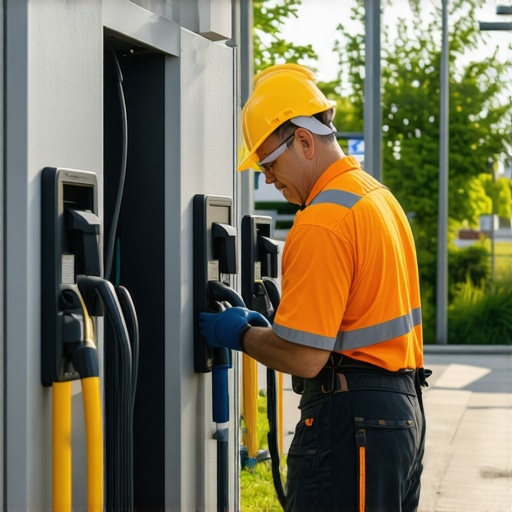
Ever had a flickering light bulb at just the wrong moment, or watched your EV charger refuse to work when you needed it most? I remember one evening, trying to charge my electric vehicle after a long day, only to find the charger blinking its error codes at me. Talk about frustrating! That was my lightbulb moment—realizing how crucial reliable troubleshooting tips are for keeping our home systems running smoothly.
Why Reliable Troubleshooting Matters More Than Ever
With the surge in electric vehicle adoption and smart lighting, our homes are becoming more complex electrically. A small fault can quickly spiral into a major inconvenience or, worse, a safety hazard. According to the U.S. Department of Energy, improper electrical setups and neglecting regular maintenance can increase the risk of electrical fires by up to 20%. That crushed my initial assumption that DIY fixes would suffice. It became clear: mastering a few top electrician tips can save you time, money, and peace of mind.
Is DIY Troubleshooting Actually Worth the Effort?
Early in my journey, I tried to fix a minor lighting flicker myself. I thought, “How hard can it be?” Turns out, I underestimated the potential dangers and complexity involved. A small mistake in wiring or testing can lead to dangerous short circuits. I learned the hard way that consulting expert guides—like professional troubleshooting tips—ensures safety and effectiveness. Have you ever tried fixing an electrical issue only to make it worse? If so, you’re not alone. Let’s explore how you can avoid common pitfalls and keep your systems reliable.
Start with a Clear Plan
When facing an electrical issue—like flickering lights or a non-responsive EV charger—it’s crucial to approach systematically. Think of your circuit as a river; knowing the flow helps identify blockages. Begin by listing symptoms and potential causes. For example, if your lights flicker when turning on a device, it points to possible wiring or load issues. Document observations to avoid missing details during troubleshooting.
Inspect Circuit Breakers and Fuses
First, check your main electrical panel. Circuit breakers trip for safety, cutting power when faults occur. Locate the breaker linked to the affected circuit; a tripped breaker appears in the off position or arcs. Resetting it might resolve minor issues, but if it trips again immediately, it indicates deeper problems, such as overloads or short circuits. In my experience, always turn off appliances before resetting to prevent damage. For safety and guidance, consider consulting professional electrician troubleshooting tips.
Test Your Connections and Wiring
Wiring faults are common culprits. Use a multimeter to verify voltage at outlets or fixtures. If voltage is inconsistent or absent, suspect loose connections, damaged wiring, or faulty switches. Carefully turn off power before inspecting connections—think of it as shutting off water before fixing a leak. Tighten any loose terminals and look for signs of burn marks or corrosion. Remember, if you’re uncertain, it’s safer to contact a professional.
Identify and Replace Faulty Components
Once wiring looks sound, focus on specific components. Switches, outlets, and lights can fail independently. For example, faulty switches may cause intermittent lighting; swapping them out is straightforward but requires turning off the power first. When replacing, match the amperage and type, ensuring compatibility. Similarly, if your EV charger isn’t charging, it might have internal faults. Review expert tips for EV charger troubleshooting for detailed guidance.
Test and Reset the System
After replacing components, restore power and conduct testing. Turn on fixtures or Chargers incrementally—observe for irregularities. Use a voltage tester to confirm proper power delivery. For complex setups, systematic testing akin to quality checks in manufacturing ensures reliability. Document any persistent issues; they may indicate deeper wiring or grounding problems. Remember, safety is paramount; if doubts arise, calling an electrician is the best step.
Document Your Troubleshooting Process
Keep a detailed log of what you checked, replaced, and tested. This record speeds up future troubleshooting and provides valuable information if professional help is needed. Think of it as a health journal for your home’s electrical system—detailed, organized, and accessible.
Applying these steps can turn a tangled mess into a manageable repair process. Though DIY fixes can be rewarding, understanding when to escalate to professionals ensures safety and long-term reliability. For comprehensive guidance on lighting or EV chargers, exploring dedicated resources or consulting experienced electricians makes all the difference.
” alt=”Electrician inspecting wiring and testing with multimeter” title=”Electrician troubleshooting home wiring with multimeter”/>Many homeowners harbor misconceptions about lighting installation, EV charger setup, and troubleshooting that can lead to costly mistakes. One prevalent myth is that all electrical issues can be solved with a quick reset or simple fix, but in reality, problems often have underlying causes that require professional diagnosis. For instance, assuming your EV charger is faulty when the issue stems from improper grounding or insufficient wiring can result in repeat failures. Understanding the nuanced mechanics behind these systems helps prevent superficial fixes that only mask deeper issues.
A frequently overlooked aspect is the importance of load calculations and wiring sizing. Underestimating your home’s power demands or using wires that aren’t rated for your system can cause overheating, tripping breakers, or even fires—risks clearly documented in electrical safety studies. A common mistake electricians and DIYers alike make is neglecting to verify the integrity of connections or to test circuits thoroughly with appropriate tools like multimeters, which are essential for accurate troubleshooting. For advanced users, recognizing the signs of voltage drops or surge issues can prevent damage to sensitive electronics.
One critical trap is overlooking the significance of proper grounding and bonding in EV charger installation. Many assume that following local codes suffices, but beyond compliance, a well-grounded system provides a safer environment and ensures the longevity of your equipment. Missteps here can lead to electrical shocks or equipment failure, especially as systems become more complex with smart home integrations. Consulting expert resources, such as professional guides, can highlight subtle but vital considerations.
For advanced technicians, the challenge often lies in identifying the root cause of intermittent faults, which may be due to hidden issues like damaged insulation, corroded contacts, or fluctuating supply voltage. Recognizing these subtleties requires a keen eye and experience—skills refined through training and continuous learning. As highlighted by industry experts, comprehensive testing protocols and a thorough understanding of electrical theory markedly improve troubleshooting success rates. If you’re interested in sharpening your skills, exploring detailed troubleshooting guides can be invaluable.
Have you ever fallen into this trap? Let me know in the comments. Remember, mastering these nuances not only ensures safety but also saves time and money by preventing recurring problems.
Stay Ahead with Reliable Tools
Maintaining your home’s electrical systems effectively hinges on having the right equipment at hand. A multimeter is indispensable; I personally prefer the Fluke 117 because of its accuracy and user-friendly interface. It allows me to quickly check voltage levels, identify wiring issues, and ensure connections are solid without risking safety. For testing larger circuits, a clamp meter like the Klein Tools CL800 helps assess current flow safely and efficiently, especially in complex EV charger installations. Investing in quality tools like these can truly streamline troubleshooting sessions and prevent small glitches from escalating into safety hazards.
Leverage Software for Long-Term Monitoring
Beyond physical tools, software solutions have begun transforming electrical maintenance. Smart home systems, such as the Philips Hue app or Lutron Caséta, enable remote monitoring of lighting circuits, providing real-time alerts about voltage irregularities or outages. For EV chargers, I recommend using dedicated diagnostic apps like the VE Commercial EV Charger App, which helps track usage patterns and flag potential issues early. Regularly reviewing these data insights allows for proactive maintenance, extending equipment lifespan, and minimizing downtime. As IoT integration advances, expect these tools to become even more sophisticated, offering predictive analytics that can preempt system failures before they happen.
How do I maintain lighting and charging systems over time?
The key is routine inspection combined with consistent cleaning of contacts and connectors. For example, dust and corrosion can interfere with circuit connections, so I recommend periodically unplugging devices and cleaning terminals with contact cleaner. Additionally, ensuring your wiring meets current standards and load calculations is crucial. Regularly scheduling professional inspections—at least annually—helps verify that everything complies with the latest electrical codes and safety guidelines. Implementing maintenance checklists and logging all inspections can serve as a reference, preventing overlooked wear and tear. This systematic approach not only preserves system integrity but also enhances safety for your household. For detailed, professional guidance on EV charger maintenance, I suggest exploring expert-recommended maintenance routines.
Predicting trends, the integration of AI-driven diagnostic tools combined with augmented reality apps will revolutionize home electrical maintenance. Imagine wearing AR glasses that overlay troubleshooting steps directly onto your equipment, guiding you through complex procedures with minimal effort. This blend of hardware and software will likely make DIY repairs safer and more accessible, pushing long-term reliability even further.
How do I troubleshoot EV chargers effectively?
If your EV charger isn’t performing optimally, start by checking the diagnostic codes using your app; for example, error code 15 may indicate grounding issues. Then, verify that your home’s electrical supply matches the manufacturer’s specifications, paying close attention to circuit breaker ratings and wiring size. Always use a multimeter to confirm voltage stability at the outlet before attempting more invasive checks. If problems persist, consulting professional troubleshooting guides can pinpoint specific faults, like internal component failures or grounding mishaps. Remember, safety first—if you’re uncertain, don’t hesitate to contact a licensed electrician.
Try implementing a monthly check of your main connections with your multimeter, focusing especially on critical points like your EV charger and lighting circuits. This small step can catch early signs of wear, saving you from costly repairs later.
” alt=”Electrician inspecting wiring and testing with multimeter” title=”Electrician troubleshooting home wiring with multimeter”/>
The Hardest Lesson I Learned About Lighting Installations, Electrician, EV Charger, Troubleshooting
One of my most impactful lessons was realizing that patience and attention to detail surpass haste when dealing with electrical issues. Jumping straight into fixes often led me down the wrong path, causing more harm than good. It taught me that taking a moment to observe, diagnose accurately, and plan my approach prevents costly mistakes and safety hazards.
My Secret Weapons for Safer Repairs Around the House
Over the years, I’ve grown to trust specific tools and resources. A top-quality multimeter, like the Fluke 117, offers precise readings essential for diagnosing tricky problems. I also rely heavily on expert guides such as professional electrician troubleshooting tips, which demystify complex issues in clear language. These resources are game-changers for anyone serious about home electrical safety and longevity.
Embracing the Journey of Electrical Mastery
Troubleshooting electrical systems requires courage and continuous learning. Every challenge is an opportunity to deepen your understanding and boost your confidence. Remember, no matter how experienced you become, safety must always come first. Keep exploring, stay curious, and don’t hesitate to seek professional help when needed. Your home’s safety depends on it, and your skillset will only grow with each experience.
Have you ever encountered an electrical problem that taught you a hard lesson? Share your story below and let’s learn together!