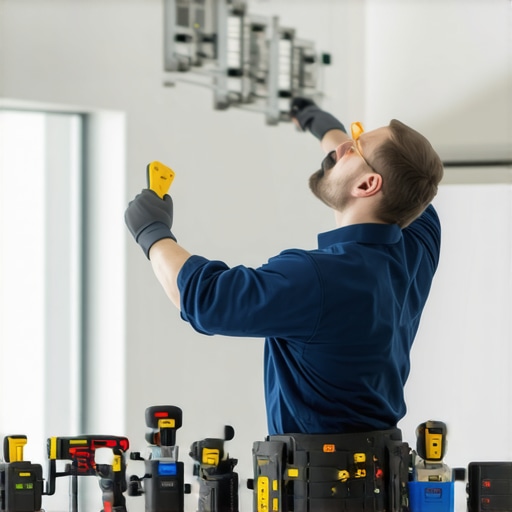
It was late one evening when I flicked the switch, expecting the warm glow of my living room lights, only to be met with complete darkness. My heart sank. Turns out, a simple bulb replacement turned into a full-blown troubleshooting ordeal that made me realize how crucial reliable lighting and EV charging setups are for our daily safety and convenience. That lightbulb moment drove me to dive deeper into expert tips and safe practices to avoid such frustrating surprises.
Why Proper Lighting and EV Charger Setup Matter More Than Ever
With the rise of smart homes and electric vehicles, ensuring our electrical systems are safe and efficient isn’t just a matter of convenience—it’s essential for safety. Faulty wiring or improper installation can lead to hazards that threaten your home and loved ones. Early mistakes, like ignoring the importance of proper grounding or overloading circuits, can escalate into dangerous electrical fires. I learned this firsthand when I overlooked a grounding issue during my initial lighting install, which almost caused a short circuit. That’s why thorough, professional guidance is key.
Knowing how to troubleshoot issues effectively can save you time and prevent accidents. From flickering lights to EV charger errors, mastering these skills helps keep your home a safe haven. Curious if your current setup is up to par? If you’ve experienced flickering bulbs, tripped breakers, or charging hiccups, you’re not alone—and fixing these problems is closer than you think.
To support this, a recent study from the Electrical Safety Foundation International states that nearly 50% of electrical fires are caused by electrical failures or malfunctions. Clearly, proper installation and troubleshooting are non-negotiable.
Let’s explore some practical, expert-approved tips to tackle common lighting and EV charging issues safely and confidently. Are you ready to become your home’s electrical hero? Dive in, and don’t forget to consult a certified electrician if uncertainties arise—safety always comes first.
Inspect Your Circuit Breaker Panel Carefully
Start by turning off the main power, then open your circuit breaker box. I once overlooked this step, and when I flipped the breaker back on, sparks flew due to a loose wire. Tighten all connections securely, especially those linked to lighting fixtures and your EV charger. Use a voltage tester to confirm power is off before handling wires. Remember, view your breaker panel as the home’s electrical gatekeeper—if it doesn’t open cleanly, troubleshoot for stuck or worn-out switches. For detailed tips, visit electrician troubleshooting techniques.
Test Your Wiring with a Multimeter Like a Pro
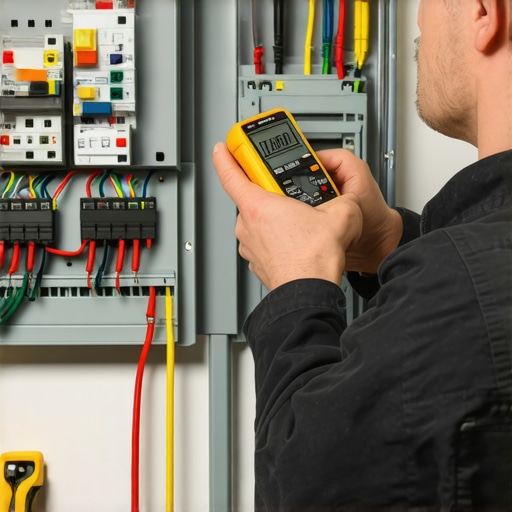
Next, grab a multimeter set to the AC voltage setting. Touch the probes to the wiring terminals—hot, neutral, and ground—making sure to wear insulated gloves. Once, I found a wire that showed no voltage, indicating a break. This step confirms whether current flows properly or if a wire is compromised. Think of your multimeter as a health scanner for your home’s wiring—if you see inconsistent readings, it’s time for repairs. If you’re unsure about readings, consult a professional at contact us.
Check Your Connections for Secure Fitting
Loose connections are often sneaky culprits. Ensure all screw terminals are tight, especially on switches, outlets, and your EV charger port. I once found a loose terminal on my outdoor lighting fixture after it flickered intermittently—tightening it fixed the issue. Use a screwdriver to gently secure each wire, making sure no copper is exposed outside the terminal. Think of a well-seated connection like a lock—if it’s loose, the system can malfunction. For guidance, see lighting troubleshooting tips.
Test Components Individually to Isolate Faults
If problems persist, disconnect the component in question—be it a bulb, fixture, or EV charger—and test it separately. For example, swapping out a flickering bulb with a new one revealed if the fixture or wiring was at fault. Similarly, unplug your EV charger and test it with a different outlet. Think of this like a medical checkup—isolating symptoms helps identify the true problem. For expert advice, visit EV troubleshooting tips.
Inspect Grounding and Safety Measures
Proper grounding prevents shocks and fires. Ensure your system’s grounding wire is securely attached to green or bare copper parts. I learned the hard way that a disconnected grounding wire causes intermittent flickering and electrical noise. Use your multimeter to verify the grounding continuity—if there’s no continuity, the ground connection is faulty. Think of grounding as the safety net beneath a trapeze artist—without it, danger looms. For compliance standards, see EV station setup guidance.
Confirm Proper Ground Fault Safety Devices Are Installed
Finally, check that your GFCI outlets or breaker trips quickly when there’s a fault. Press the test button—if it doesn’t cut power, replace the device promptly. I once ignored a GFCI failure, which nearly caused a short circuit during a storm. Think of GFCI devices as the home’s electrical watchdog—if they don’t bark loudly, your safety is compromised. For more detailed steps, visit fault troubleshooting guides.
Many homeowners assume that installing an EV charger or upgrading lighting is straightforward, but surfacing nuances often trip up even the most seasoned DIYers. A common misconception is believing that a standard circuit breaker can handle new high-demand devices without modifications. In reality, modern EV chargers demand dedicated circuits to prevent overloads, and neglecting this can lead to tripped breakers or, worse, electrical fires. According to a study by the National Fire Protection Association, improper wiring is responsible for nearly 60% of residential electrical fires, emphasizing the importance of precise installation and troubleshooting expertise. Another frequently overlooked detail is the significance of proper grounding. While many assume grounding is a simple task, inadequate grounding can cause electrical shocks or damage to sensitive electronics. Advanced troubleshooting involves using multimeters accurately, not just to test voltage, but to verify continuity and grounding effectiveness, as highlighted in professional electrician guides. Many believe that once wiring appears correct, the job is done. However, subtle issues like loose connections or corroded terminals can lead to intermittent faults that are hard to detect without expert troubleshooting. Always remember, shortcuts save time initially but can jeopardize safety. For those looking to deepen their understanding, exploring comprehensive guides on lighting installation troubleshooting and EV station setup ensures safer, more reliable results. Have you ever fallen into this trap? Let me know in the comments and check out expert resources to sharpen your skills. Proper knowledge and meticulous attention to detail transform installations from risky to reliable.Maintaining your home’s electrical system, especially for critical components like EV chargers and lighting installations, requires the right tools and techniques. Over time, wear and tear, dust, and environmental factors can cause issues that compromise safety and performance. Investing in reliable equipment and adopting proactive maintenance routines can extend the lifespan of your systems and prevent costly failures.
One tool I personally rely on is the Fluke 325 clamp meter. It allows me to quickly measure current without disconnecting wires—saving time and reducing risk. I prefer it because it provides accurate readings in tight spaces, which are common in residential wiring. Similarly, a good multimeter like the Klein过程中 MM7000 is indispensable for checking voltage, continuity, and grounding. It’s essential for diagnosing issues quickly, especially when troubleshooting mysterious power outages or flickering lights.
Beyond tools, software can enhance maintenance routines. For example, using a Wi-Fi-enabled diagnostic device like the Tractive Power IQ allows remote monitoring of EV chargers. It gives real-time data on usage and alerts me to potential faults before they become serious problems, aligning with future trends toward smart home integrations.
Regularly inspecting connections and grounding points is also crucial. Over time, connections can loosen or corrode, leading to intermittent faults. Applying dielectric grease during inspections helps prevent corrosion and ensures secure contact. For long-term results, documenting inspection timelines and outcomes helps track the health of your system.
Looking ahead, the trend is moving toward integrated maintenance platforms that combine hardware diagnostics with AI-powered analytics. This evolution aims to predict failures before they occur, reducing downtime and repair costs. Staying updated with industry standards, like those outlined in the NEC (National Electrical Code), is vital, and resources like this guide provide valuable insights.
To keep your electrical systems in top shape, I recommend trying the advanced troubleshooting steps with a multimeter and downloadable diagnostic app. These approaches can help you identify issues early and address them efficiently. Remember, when in doubt, consulting a licensed electrician ensures safety and compliance. Curious about integrating smart monitoring into your system? Visit our contact page and get professional advice today.
The Hardest Lesson I Learned About Home Electrical Safety
One of the biggest eye-openers was realizing that even simple upgrades like replacing a lightbulb can uncover underlying wiring issues. I learned the importance of always turning off the power at the breaker and using proper testing tools before handling wires, which prevents dangerous shocks and fires. Overlooking grounding and secure connections can lead to costly and hazardous problems later.
Why a Few Professional Tips Save Major Headaches
Engaging with expert guidance, like consulting professional electrician resources such as this troubleshooting guide, can dramatically reduce trial-and-error. I found that investing time in learning proper circuit testing and grounding verification gave me confidence and peace of mind, especially when handling high-demand devices like EV chargers.
How Neglecting Routine Checks Costs More Than You Think
Regular inspections of your electrical setup—tightening connections, testing grounding, and verifying GFCIs—are essential. I ignored this at first and faced flickering lights and trips that could’ve been prevented. Developing a maintenance routine with quality tools like a multimeter keeps your home safer and extends the lifespan of your equipment. Remember, proactive care beats reactive repairs.
The Real Power of Knowledge — Trust but Verify
It’s tempting to assume your home’s wiring is fine, but subtle issues like corroded terminals or loose wires often lurk behind the scenes. Using tools such as a multimeter (read my reviews of trusted models here) helps uncover hidden problems before they escalate. Always double-check your work or seek a professional if unsure—safety should never be compromised.
Where to Find More Wisdom and Keep Your Home Safe
Beyond personal experience, staying informed through trusted resources like expert electrician tips ensures you’re up to date with standards. Books such as Electrical Wiring Residential by Ray C. Mullin have been game-changers for me. Combining knowledge with proper tools creates a resilient, safe electrical environment for your EV charging needs and lighting upgrades.
Harness Your Inner Electrician and Make Safety Your Priority
Embracing the learning curve in electrical troubleshooting is empowering. Start with simple checks, invest in quality testing instruments, and don’t hesitate to consult professionals when necessary. Creating a safer home isn’t a one-time effort but a continuous journey of learning and maintenance. Your vigilance today protects your home tomorrow.
Reading this post really hit home for me, especially the part about thorough troubleshooting before handling electrical components. I had a similar experience where a seemingly simple bulb replacement led to unexpected issues. Since then, I’ve learned that using a multimeter to check wiring and grounding is irreplaceable for ensuring safety. What’s been a challenge for me is understanding when it’s truly safe to handle wiring on my own and when to call in the pros. I’ve found that investing in good tools and proper education on electrical safety can save a lot of headaches down the line. Has anyone else had a situation where DIY troubleshooting revealed more serious problems? I’d love to hear how you navigated that and what tools or resources you found most helpful in learning safe practices.
This post really resonates with my own experiences around home electrical safety. I remember when I tried replacing a simple outdoor porch light, only to find out that the wiring was frayed and grounding issues were present that I hadn’t detected initially. It made me realize how crucial thorough inspections are before even starting DIY projects. Using a multimeter to test wiring and grounding has become part of my routine now, and I always double-check GFCIs and circuit breakers. One thing I wish I’d known earlier is the importance of dedicated circuits for high-demand devices like EV chargers. Neglecting this can cause repeated breaker trips or, worse, potential fire hazards. Have other DIY homeowners found effective ways to identify hidden wiring issues before tackling upgrades? I believe that investing in proper tools and education, as well as knowing when to call a professional, is key to maintaining safety. What are some of the best resources or certifications that you’ve found helpful for gaining confidence in electrical troubleshooting? Would love to hear everyone’s insights on this.
This post really touches on some crucial points about electrical safety that often get overlooked by homeowners. I had a personal experience where I thought I could handle replacing an outdoor fixture myself, only to realize the wiring was significantly more complex than I anticipated, and I nearly caused a short circuit. It made me appreciate the importance of using proper tools like multimeters and understanding grounding and circuit load capacity. I’ve found that taking the time to learn about electrical codes and best practices can prevent many accidents, but there’s always a fine line between DIY and professional work. Do others here think there’s a safe gray area for homeowners willing to learn, or is it best to leave high-demand or complex electrical projects to certified electricians? I’d love to hear about your experiences or advice on when to confidently tackle issues yourself and when to call in a pro.