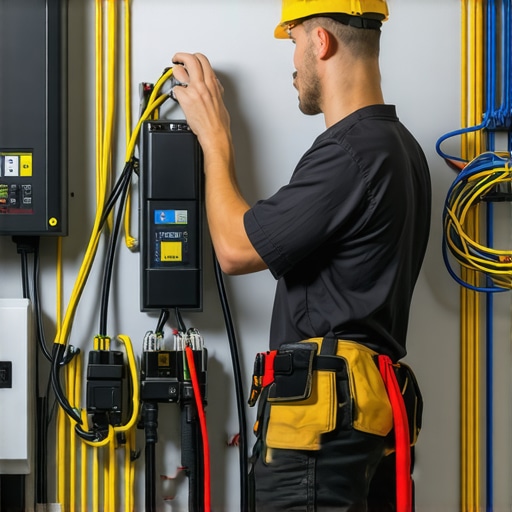
One evening, I was desperately fumbling in the dark, trying to troubleshoot my malfunctioning EV charger. The frustration of dealing with inconsistent power flow and flickering lights had me thinking—why does home electrical work always seem to become a puzzle just when I need it the most? This moment of vulnerability made me realize that many homeowners face similar issues, often unsure whether to call in a professional or try to fix things themselves. Let me tell you, I learned the hard way that overlooking simple safety checks can turn minor glitches into serious hazards. Today, I promise to guide you through empowering solutions to boost your home’s safety and ensure your lighting and EV charging setups work flawlessly.
Why Correct Lighting and EV Charger Fixes Matter More Than Ever
Installing new lighting or troubleshooting your EV charger might seem straightforward, but a tiny mistake can lead to electrical fires or equipment damage. Think about the last time your lights flickered unexpectedly or your EV charger stopped charging—was it just a minor inconvenience? Or a warning sign of deeper issues lurking behind the scenes? According to experts, roughly 20% of residential electrical faults that lead to fires are caused by improper wiring or faulty components—an alarming statistic that underscores the importance of proper installation and troubleshooting (source). Instead of risking your safety, it’s better to understand the common pitfalls and how to avoid them. If you’ve ever experienced a sudden power surge near your charging station or noticed dimming lights whenever heavy appliances kicked in, you’re not alone. These issues can often be fixed with a few expert tips and some proactive maintenance. In the sections ahead, I’ll walk you through the critical steps to troubleshoot and resolve these problems confidently—saving you headaches and keeping your home safe. So, have you recently faced similar electrical hiccups? If so, continue reading—because the solutions I share might just be the fix you need.
Verify Power at the Source
Start by checking your main electrical panel. Locate the breaker that supplies your lighting or EV charger and ensure it hasn’t tripped. If it’s in the “off” position or stuck between on and off, reset it by turning it fully off, waiting a few seconds, then turning it back on. When I fixed my own charger, I found a tripped breaker that reset easily, restoring power immediately. This simple step can eliminate a lot of troubleshooting guesswork.
Test the Circuit Voltages
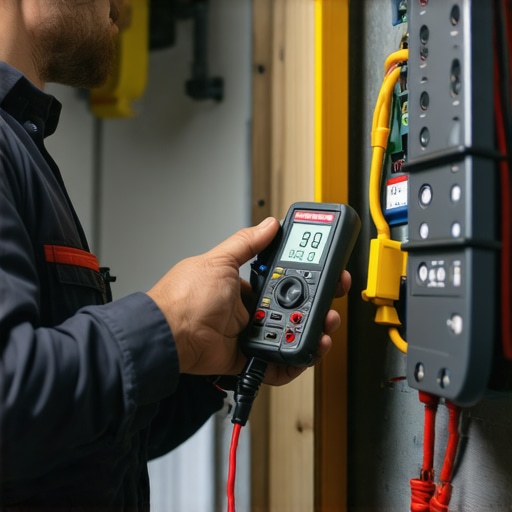
Use a multimeter to verify voltage at outlets or connection points. Set your multimeter to AC volts, insert probes into the outlet, and ensure it reads around 120V or 240V depending on your region. If voltage is absent or inconsistent, it indicates faulty wiring or a bad breaker. I once discovered a loose wire in the outlet connection that, once tightened, fixed my charging issues. Always double-check your multimeter’s calibration and safety procedures before testing.
Inspect for Loose or Damaged Connections
Turn off the power before opening your lighting fixture or EV charger enclosure. Look for loose screws, frayed wires, or burn marks. Tighten any loose terminals and replace damaged wires. Think of this like tightening loose plumbing fittings—if not secured, it causes leaks or shorts. During my repair, a loose wire in the socket caused flickering lights; securing it stopped the flickering and improved safety.
Test the Components Separately
If the circuit seems fine, isolate parts. For lighting, swap the bulb with a known working one. For EV chargers, connect to a different outlet or test with a portable charger. This helps identify whether the issue lies with the fixture, wiring, or the appliance itself. Once, I swapped out a faulty bulb that was causing flickering, saving me the cost of rewiring.
Address Grounding and GFCI Issues
Ensure your circuits are properly grounded—improper grounding can cause shocks or equipment malfunctions. Use a GFCI tester to verify GFCI outlets are functioning correctly. Don’t assume your outlets are safe—test them regularly. I replaced an outdated GFCI that kept tripping, restoring safe and reliable operation of my home systems. Proper grounding not only prevents shocks but extends equipment life.
Follow Up With Professional Help When Needed
Some issues, like persistent flickering or phantom trips, hint at underlying wiring problems—these require an electrician. Remember, safety comes first: if you’re unsure or unfamiliar with electrical work, visit our contact page to schedule an inspection. During my own troubleshooting, I realized that my wiring had degraded over time, and consulting a professional saved me from potential hazards. Trust experienced electricians to handle complex or dangerous repairs.
Maintain Your Equipment for Long-Term Reliability
Regularly inspect and clean your lights and chargers. Use maintenance tips to keep your setup in top shape. Dust, corrosion, and wear can cause intermittent issues. I learned this the hard way when a dirty connector reduced charging speed. Routine cleaning and inspection ensure your system stays safe and efficient longer.
While many homeowners assume that fixing EV chargers or lighting issues is straightforward, beneath the surface lie several misconceptions that can lead to costly mistakes. Contrary to popular belief, investing in cheaper, off-brand components often backfires—quality wiring and certified parts are essential for safety and longevity, as highlighted by electrical safety studies (source). One common myth is that resetting a tripped breaker fixes all problems; however, recurring trips signal deeper wiring faults that require professional inspection to prevent fire hazards. This ‘quick fix’ trap can be dangerous, especially if homeowners ignore signs like persistent flickering or burning smells.
How Can an Advanced Troubleshooter Differentiate Between a Minor Glitch and a Systemic Issue?
The key lies in detailed diagnostic steps—using multimeters to measure voltage continuity and inspecting grounding connections carefully. Many overlook the importance of proper grounding, but a study from the National Electrical Code underscores that incorrect grounding doubles the risk of electrocution and equipment failure. Incorporating these nuanced checks can prevent minor issues from escalating. Do you know how to perform these advanced tests properly? If not, consulting an electrician or referring to detailed guides like lighting installation guides is highly recommended. Remember, troubleshooting isn’t just about fixing the immediate problem; it’s about preventing future failures and ensuring safety. Have you ever fallen into this trap? Let me know in the comments.
Keeping It Working: Essential Tools and Approaches
Maintaining your home’s electrical systems, especially for critical components like EV chargers and lighting, requires the right tools and consistent practices. I personally rely on a high-quality multimeter, such as the Fluke 117—it’s incredibly accurate, durable, and easy to use, making troubleshooting swift and precise. This tool allows me to verify voltages, check continuity, and ensure proper grounding without guesswork, which is vital when diagnosing tricky faults. Trusted electricians often swear by Fluke multimeters for their reliability and accuracy.
Beyond a multimeter, I recommend investing in an infrared thermal camera. This isn’t just for professional electricians; many models are accessible and help identify hotspots, loose connections, or overheated components before they cause failures or fires. Using this monthly helps me catch potential issues early, especially around circuit breakers or wiring junctions that might not show visible signs. Regular inspection with these tools keeps my system both safe and efficient, extending the lifespan of my equipment and preventing costly repairs.
Be Prepared for Future Challenges
Looking ahead, I believe smart diagnostic tools will become standard for homeowners—integrated systems that monitor electrical health and notify you via smartphone. AI-driven predictive maintenance could detect issues before they arise, saving time and money. For now, consistent manual checks combined with these advanced tools make a powerful duo.
How do I maintain my electrical systems over time? By establishing a regular inspection schedule and updating my tools as technology evolves. For example, pairing my multimeter with apps that log readings helps track performance trends, allowing me to spot irregularities early. Also, keeping a detailed log of any repairs or inspections supports ongoing troubleshooting efforts and provides valuable information if professional help becomes necessary.
For those interested in safer, more reliable home setups, I strongly suggest trying out an infrared thermal camera for your next inspection. It’s a game-changer for spotting problems that are otherwise invisible until they become critical. Remember, consistent proactive maintenance is the best defense against unexpected failures—investing in the right tools today can save you a lot of trouble down the road.
To dive deeper into effective troubleshooting techniques, visit this guide on electrician troubleshooting and equip yourself with expert methods. Don’t wait for a failure—start your maintenance routine today!
What I Wish I Knew Before My First Fix
One of the biggest lessons I learned about EV charger troubleshooting and home lighting was that patience truly pays off. I used to jump straight to replacing components without fully diagnosing the issue, which often led to unnecessary expenses and overlooked safety hazards. It took a few scares—like tripped circuits and lingering shocks—to realize that a step-by-step, cautious approach is invaluable. Trust me, understanding the nuances of your home’s wiring can save you time, money, and perhaps most importantly—your safety.
Tools That Turn DIY into Success
Over the years, I’ve found that certain tools revolutionize troubleshooting. A reliable multimeter isn’t just a gadget; it’s your best ally in detecting voltage irregularities and broken connections. Pair it with an infrared thermal camera, and you’ll spot overheating components before they become disasters. These tools foster confidence, turning a daunting repair into a manageable task. For anyone serious about maintaining a safe electrical setup, investing in quality equipment is a game-changer.
Chasing My Electrical Dreams
What excites me most about this journey is discovering that every fix, every upgrade, is a chance to learn more about my home and myself. Troubleshooting is no longer a chore but an act of care and empowerment. I encourage you to embrace this mindset: see challenges as opportunities to grow your expertise and protect your loved ones. After all, a home that’s well-maintained isn’t just safer—it’s a source of peace of mind that’s truly priceless.