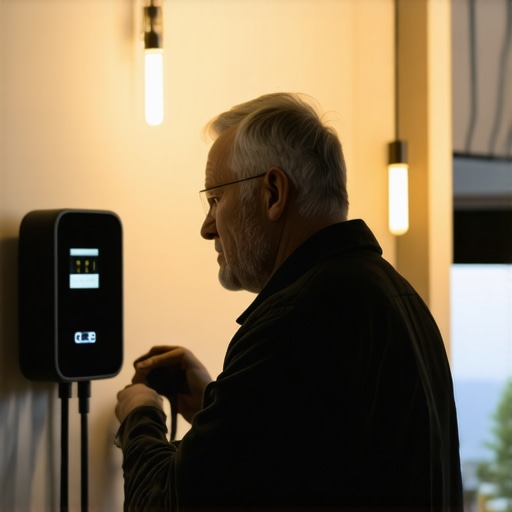
It was a cold, rainy evening when my worst nightmare came true—my new EV charger suddenly stopped working just as I was about to head out. Frustration bubbled up as I fumbled with wires and screens, feeling utterly lost. That moment was a lightbulb flashing in my mind: troubleshooting electrical issues isn’t just about flipping switches; it’s about understanding what’s really going on behind the scenes.
Why Proper Troubleshooting Matters More Than Ever
In today’s world, our homes and vehicles depend heavily on reliable electrical systems. A faulty light or a dead EV charger isn’t just an inconvenience; it can disrupt our daily routines and, worse, compromise safety. I’ve learned that a little knowledge about troubleshooting can save you a lot of time and money—and keep your household safe. Adoption of efficient troubleshooting practices can also prevent dangerous electrical hazards, as improper fixes have been linked to home fires, according to safety reports from the Electrical Safety Foundation International.
Ever Felt Overwhelmed by Electrical Glitches?
If you’re like I was early on, you might have made the mistake of rushing into repairs without understanding the root cause. For instance, I once replaced a faulty switch expecting the problem to be solved when, in fact, it was a loose connection behind the panel. That mistake set me back and taught me a vital lesson: diagnosing electrical issues requires patience and a systematic approach. To get started on the right foot, check out my guide on how electricians tackle troubleshooting for lighting installations and ensure you’re following safety protocols.
Now, let’s dig into the actionable steps that will help you troubleshoot your lighting and EV charging issues confidently and safely. Whether it’s flickering lights or an unresponsive charger, the solutions are within reach. Ready to become your household’s troubleshooting hero? Let’s dive in!
Start with a Visual Inspection
Before diving into complex tests, perform a thorough visual check of your wiring, connections, and devices. In my experience, a neglected loose wire caused my EV charger to malfunction. I found a frayed wire behind the charging station that was sparking intermittently. Tightening connections or replacing damaged components often resolves obvious issues and saves time.
Use a Multimeter Like a Detective
Think of a multimeter as your electrical detective badge. Set it to measure voltage or continuity, depending on the symptom. I once tested the outlet supplying my charger and discovered it wasn’t delivering power due to a tripped breaker. Correctly using a multimeter helps you pinpoint whether the problem originates from the outlet, wiring, or device itself. For comprehensive guidance on safe multimeter use, check out lighting installation troubleshooting tips.
Isolate the Problem Step-by-Step
Approach troubleshooting like peeling an onion—remove one layer at a time. Disconnect the EV charger and test it independently; if it works elsewhere, the issue might be with your home’s wiring. If the charger isn’t working, inspect and test the charging station. I once swapped out a faulty breaker that wasn’t supplying power to my charger, which was the root of my issue. This methodical process prevents unnecessary replacement of functioning parts and clarifies the root cause.
Test Circuits and Components Systematically
Use your multimeter to check individual components—thermostats, switches, fuses—in a sequence. For lighting fixtures, I replaced a flickering bulb and traced it back to a loose neutral wire. Systematic testing ensures you verify each potential fault source without guesswork. For more detailed testing procedures, explore expert troubleshooting tips.
Implement Safety Precautions at Every Step
Never underestimate electrical risks. Always switch off power at the breaker before working on circuits. Use insulated tools and test before touching wires. During my troubleshooting, I always turned off the main breaker before disassembling the wall plate, preventing shocks. Remember, safety isn’t optional—it’s the foundation of effective troubleshooting. Review lighting troubleshooting safety tips for a comprehensive safety checklist.
Document Your Findings and Next Steps
Keep a troubleshooting journal—note what you tested, results, and observations. This habit saved me when I had to recall exactly which wire had issues last week. It also helps if you need professional help later; detailed notes save time. When in doubt, contact a licensed electrician through our contact page for advanced diagnostics or repairs.
Many believe that troubleshooting your electrical issues is straightforward—plug in, test, fix. But in my experience, this oversimplifies a complex process laden with misconceptions. Let’s debunk some widespread myths and explore the nuanced pitfalls that even seasoned DIYers often overlook. First, the most pervasive misconception is that all electrical problems are immediately identifiable through visual inspection. While a loose wire or burnt fuse can be obvious, many faults—such as subtle wiring degradation or component aging—require advanced testing with tools like a multimeter and a methodical approach. Rushing to replace parts without testing can lead to unnecessary expenses and safety risks. Another trap is assuming that resetting a circuit breaker resets the entire problem. Sometimes, breakers trip due to underlying issues like overloads or faulty devices, which won’t be resolved by merely toggling the switch. Over-reliance on this shortcut can mask deeper faults, leading to fire hazards or equipment damage. This is why systematic isolation—testing each segment separately—is vital. Advanced troubleshooting also involves understanding the importance of proper grounding and bonding. Many overlook these aspects, leading to dangerous scenarios or inconsistent performance—especially relevant for EV charger installations, which demand careful attention to electrical codes. According to electrical safety experts, poor grounding significantly increases shock risks and equipment failure (source: electricalsafety.org). Additionally, misconceptions around voltage testing can be costly. For instance, believing that a steady voltage means a circuit is safe ignores the possibility of voltage fluctuations or current faults. Using tools like clamp meters or performing load testing can reveal issues that static voltage checks miss. Lastly, beware of the myth that professional electricians are only needed for installations, not troubleshooting. Having an electrician review complex or persistent issues can prevent dangerous misdiagnoses and ensure your system complies with safety standards. Knowing when to seek expert help is an advanced skill that protects your home and loved ones. Have you ever fallen into this trap? Let me know in the comments. For guidance on diagnosing and resolving your wiring and device issues, check out my comprehensive guides on lighting installations or EV charger troubleshooting tips. Remember, mastering these nuances can elevate your troubleshooting from guesswork to precise problem-solving, ensuring safety and long-term reliability.
How Do I Maintain My Electrical Setup Over Time?
Ensuring your electrical system, especially components like lighting installations and EV chargers, continues to operate reliably requires the right tools and a proactive maintenance routine. From versatile multimeters to software solutions, the right equipment empowers you to diagnose issues early and prevent costly repairs.
Personally, I rely heavily on a trusted multimeter set equipped with both voltage and continuity testers. This tool allows me to quickly verify circuits, identify faults, and confirm repairs without needing to call in an electrician for minor checks. I prefer models with automatic range detection and backlit displays because they streamline the troubleshooting process, even in poorly lit areas. For example, testing an EV charger’s power supply becomes straightforward when your multimeter has a hold function and auto-ranging capabilities.
Beyond basic tools, investing in a circuit tracer can save you hours when locating wiring faults behind walls or in conduit. I recommend the Fluke 2042 Fiber Locator cable tracker—it’s rugged, precise, and supports multiple testing modes, essential for complex wiring setups around lighting fixtures or EV stations.
Software solutions, like circuit management apps, are increasingly valuable. These tools help you document electrical layouts, set maintenance reminders, and track troubleshooting histories. For example, using a dedicated electrical inspection app enables you to monitor your EV charging station’s performance over time, ensuring it remains within optimal parameters. Integrating smart home systems can also provide real-time alerts if a fault occurs, reducing downtime and increasing safety.
Performing regular inspections is crucial. I follow a quarterly checklist that includes checking all connections, inspecting wiring insulation, and testing GFCI outlets—especially those near water or outdoor installations. Advanced testing methods include thermal imaging to detect overheating components before they fail. Incorporating these practices enhances safety and extends the lifespan of your electrical infrastructure.
Looking ahead, I predict that smart diagnostics and AI-driven maintenance analytics will become standard. These innovations will allow homeowners and professionals alike to anticipate issues and schedule repairs proactively, much like predictive engine maintenance in modern vehicles. To stay ahead, consider integrating IoT-enabled sensors that monitor voltage fluctuations or identify loose connections in real-time.
If you’re serious about keeping your electrical systems in top shape, start with the tool I personally trust: a high-quality multimeter with advanced features. Practice regular inspections and leverage modern software solutions to streamline monitoring. Not only will this approach help you troubleshoot efficiently, but it will also provide peace of mind knowing your home’s electrical safety is proactively managed. For detailed guidance on proper lighting installation maintenance, check out my comprehensive lighting guide. Try implementing a maintenance routine with these tools today and experience the difference it makes in long-term reliability.
How I Learned to Trust My Troubleshooting Instincts—Despite My First Failures
Early in my journey, I believed that electrical problems could be fixed with a simple flip of a switch—until I faced a stubborn lighting flicker that refused to go away. It was a humbling moment that taught me the importance of patience and detailed diagnostics. Now, I rely on my experience and systematic checks, which make troubleshooting less daunting and more rewarding.
Tools That Turn a Confusing Job Into a Manageable One
Over years of troubleshooting, I’ve discovered that possessing the right tools exponentially increases your confidence and effectiveness. A quality multimeter with auto-range and backlit display has been a game-changer, helping me quickly identify voltage inconsistencies. A trusted circuit tracer complements this, allowing me to follow elusive wiring behind walls without guesswork. Combining these prevents costly mistakes and keeps safety at the forefront.
The Power of Proactive Maintenance and Connection Checks
One lesson that truly transformed my approach was understanding that proactive inspections often catch issues before they escalate. Regularly testing GFCI outlets and inspecting wiring insulation help maintain safety and system longevity. I’ve also started documenting every fix, which not only sharpens my troubleshooting skills but also creates a knowledge base I trust. Think of this as giving your home an annual health check—preventative care that saves money and stress.
Embracing Complexity and Knowing When to Call in Reinforcements
While DIY troubleshooting is empowering, I’ve learned that complex problems, especially with EV chargers or intricate lighting setups, sometimes require expert eyes. Recognizing the limits of my skills—and knowing when to consult a licensed electrician—has prevented potential hazards. I now see professional help not as a sign of failure, but as a smart move to ensure safety and compliance, especially for specialized setups like EV charging stations—check out my guide to safe EV station setup.
Smart Planning Turns Troubles into Opportunities
The biggest takeaway from my troubleshooting adventures? Planning your electrical setup with future-proofing in mind turns troubleshooting from a reactive chore to a proactive strategy. Investing in quality components, understanding wiring layouts, and staying informed about safety standards—such as grounding practices—help create a resilient electrical environment. Remember, every problem you solve is a step toward greater confidence and safety in your home.