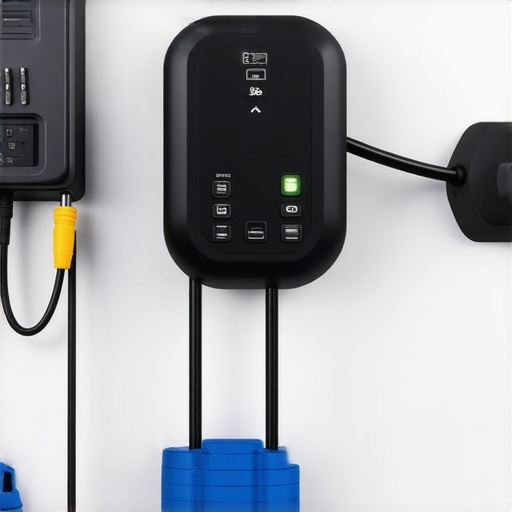
I remember the day I nearly threw up my hands in frustration. It was late evening, and I finally hitched my new electric vehicle to my charger after a long day. But instead of the smooth, quick charge I was promised, the display blinked ominously, and my charging port refused to cooperate. I felt that sinking feeling—am I doing something wrong? Does this mean I need a whole new setup? It was then that I realized I was missing some crucial tips that could save me from future headaches and keep my EV ready when I need it most.
Why Proper EV Charger Troubleshooting Is a Game Changer
Anyone with an EV knows the importance of having a reliable, hassle-free charging experience. When your charger acts up, it’s more than just an annoyance; it can throw off your entire schedule, cause anxiety about whether you’ll reach your destination, and even lead to costly repairs if ignored. Early on, I made the mistake of assuming that all issues meant replacing hardware—an expensive mistake that set me back and led to unnecessary panic. Trust me, a little knowledge can go a long way. Proper troubleshooting not only saves money but also extends the life of your equipment and ensures safety for everyone at home.
Is DIY Troubleshooting Worth the Risk or Should You Call in the Pros?
One common concern I hear is whether attempting repairs yourself might be dangerous or ineffective. Early in my journey, I thought I could handle most issues, but I learned that improper DIY fixes can escalate problems or compromise safety. For instance, I once tweaked a wiring connection without proper precautions, which could have become a serious hazard. That’s why I recommend knowing the right steps and recognizing when to escalate issues to certified electricians. If you’re unsure, professional guidance is always the best route. For quick and safe resolutions, experts have a wealth of experience—like those found in Electrician Troubleshooting Tips—which can help you swiftly identify and fix common issues with your EV charger.
Start with Basic Checks to Narrow Down Problems
My incident with a blinking display taught me to first verify simple issues before diving into complex diagnostics. Check if your EV is properly connected; sometimes, a loose plug causes charging failures. Inspect the charging port and cable for visible damage or debris, which can impede connections. When I experienced a sudden halt in charging at home, I first unplugged and reconnected the cable, observing if the display stabilized. This quick step resolved minor glitches and saved me from unnecessary repairs.
Verify Power Supply and Circuit Breakers
Think of your electrical system as the backbone of your charging station—if there’s no power, nothing works. Ensure your outlet is functioning by plugging in another device or using a multimeter. Check your home’s circuit breaker panel for tripped switches, especially the dedicated EV outlet breaker. During a troubleshooting session, I reset the breaker after a trip, which restored power and resumed charging. Always confirm the circuit is delivering adequate voltage, referencing your charger’s specifications.
Use Diagnostic Tools for Precise Identification
Just like a mechanic uses a scanner, electricians employ tools like multimeters and circuit testers to identify faults accurately. For my EV charger, I used a multimeter to test voltage at the outlet and continuity across wiring. If readings are inconsistent, it indicates wiring issues or faulty outlets. Remember, safety is paramount—disconnect power before testing. If you’re uncertain, professional electricians have advanced diagnostic equipment. For detailed insights and safe troubleshooting, consult expert troubleshooting tips.
Inspect and Test Communicative Components
Many chargers communicate with your vehicle via signals—malfunctions here can cause no-charge scenarios. Check indicator lights on the charger and vehicle, referring to the user manual to interpret codes. I once noticed a blinking error code; consulting the manual or online resources helped pinpoint the issue. If communication panels or buttons are unresponsive, they might need cleaning or replacing. For complex electronics, prioritizing professional repair avoids further damage.
Review and Reset Charging Settings
Sometimes, the problem isn’t hardware but configuration. Reset your charger to factory defaults, following the manufacturer’s instructions. This step can resolve software glitches that prevent charging. During my troubleshoot, resetting the charger cleared a persistent fault code, restoring normal operation. Check your vehicle’s software settings as well, since updates may affect compatibility. For more on optimal maintenance, visit ev charger maintenance tips.
Confirm Safety and Clear Obstacles
Safety protocols include checking for water exposure, damaged cords, or exposed wiring. Never attempt repairs if safety seems compromised—call a professional at reliableelectricpro.com/contact-us. Clear obstacles around the charger and ensure ventilation if overheating occurs. Using a circuit tester, verify the ground connection to prevent electrical shocks. Remember, regular inspections extend your equipment’s lifespan and ensure reliable future performance.
Know When to Get Professional Help
Certain issues require expert intervention—like internal component failures or complex wiring faults. If troubleshooting steps don’t resolve the problem or safety concerns arise, avoid DIY fixes. Professionals have specialized equipment and training in safe troubleshooting practices. I learned the hard way that neglecting expert help can lead to more significant, costly damage. Always prioritize safety, and don’t hesitate to contact qualified electricians for a thorough diagnosis.
Through consistent application of these troubleshooting strategies, you can minimize downtime, extend your charger’s lifespan, and ensure safe, reliable EV charging at home. Remember, patience and safety come first—never rush critical repairs.
When it comes to electrical work, many assume that following a checklist suffices—yet the truth is, there are subtle nuances that often trip up even seasoned DIY enthusiasts and professionals alike. For example, a common misconception is that standard circuit breakers always provide adequate protection for high-demand appliances like EV chargers. In reality, specialized breakers designed for EV loads can prevent overloads that might go unnoticed until damaging faults occur. According to recent studies, incorrect breaker selection correlates strongly with increased fire risks, highlighting the importance of expert advice in these scenarios. Another overlooked aspect is the importance of proper wiring termination—poor connections can cause voltage drops, leading to intermittent faults that frustrate troubleshooting efforts. This is why I recommend consulting trusted resources such as electrician strategies for lighting to understand the depth of proper wiring techniques. What’s more, many people neglect the environmental factors that influence electrical safety; high humidity or extreme temperatures can degrade components faster than expected, a detail electricians master during installation and troubleshooting. It’s crucial to recognize that the most sophisticated hardware won’t perform reliably if overlooked issues like improper grounding or inadequate ventilation aren’t addressed from the outset. When dealing with EV chargers, an added nuance involves communication protocols between the vehicle and charger—often misunderstood or mishandled. Many assume that a simple reset fixes communication errors, but advanced issues might involve firmware incompatibilities or signal interference. To navigate these complexities, consulting comprehensive guides like expert troubleshooting tips for EV chargers is invaluable. Do you know that the orientation of wiring or the placement of the charger itself can influence its longevity and safety? A misaligned or poorly secured unit can lead to connector damage or heat build-up—issues that are often dismissed as minor but can escalate significantly. Recognizing these nuanced factors separates the average installer from the truly proficient electrician. Are you making any of these overlooked mistakes? Always stay informed and consider consulting professionals for complex installations—it’s a small step towards ensuring your home’s electrical safety and efficiency. Let me know your thoughts or experiences in the comments below!
Maintaining your electric vehicle (EV) charging station over time requires more than just periodic inspections; it demands the right equipment and a methodical approach. I personally rely on a combination of advanced diagnostic tools and reliable safety gear to ensure my setup remains efficient and safe for long-term use. One indispensable device I use is a high-quality clamp multimeter, such as the Fluke 376 FC. This tool allows me to measure high-current loads quickly and accurately without disconnecting wires, saving time during troubleshooting sessions. Its Bluetooth capability streams data instantly to my smartphone, which I find invaluable for tracking patterns over time.
Another tool I swear by is a circuit inspector (or outlet tester with GFCI testing features). I use this regularly to verify that my outlets are wired correctly and functioning within safety standards, especially since improper wiring can cause subtle issues that are hard to detect with just a multimeter. Investing in a reliable tester like the Klein Tools ET300 provides peace of mind, knowing my power sources are secure and compliant.
For precise diagnostics, I turn to software solutions such as Schneider Electric’s EcoStruxure Power Monitoring Expert. While primarily designed for larger electrical systems, I utilize its compact version for home use to analyze energy consumption and identify irregularities in my charger’s power draw. These insights enable me to preempt potential issues before they affect my charging performance.
To keep my tools in top shape, I follow a regular maintenance routine: cleaning contacts with dielectric grease, calibrating devices annually, and storing everything in a dedicated toolkit organized for quick access. As the trend toward smarter homes evolves, I predict that integrated IoT diagnostics—allowing remote monitoring and alerting—will become standard, further simplifying long-term upkeep.
How do I maintain my EV charger setup over time? Consistent checks with reliable testing equipment form the backbone of my approach. For example, implementing a routine of monthly outlet testing and visual inspections can catch minor issues before they escalate. Additionally, periodically updating firmware on smart chargers ensures compatibility and security, which is crucial as software evolves.
If you’re serious about keeping your EV charging station running smoothly, I recommend trying out a professional-grade clamp multimeter combined with a GFCI outlet tester. These tools provide immediate feedback and help you understand your electrical system better. Need help selecting the right equipment? Check out expert tips on troubleshooting for guidance tailored to your setup.
Remember, regular maintenance and the right tools are your best defense against unexpected failures. Ready to enhance your troubleshooting routine? Grab a multimeter and outlet tester today—taking that step can save you hours of frustration and safeguard your investment in reliable home EV charging.
What I Still Wish I Knew Before Diving In
- One of the toughest lessons came when I overlooked the significance of proper grounding; a simple mistake in wiring can lead to delayed charging or safety hazards. Now, I always double-check grounding connections to prevent future issues.
- Adjusting my mindset from expecting quick fixes to embracing methodical troubleshooting has saved me countless hours and frustration. Patience truly pays off when dealing with complex electrical systems.
- Trusting professional guidance over DIY shortcuts in critical moments ensures safety and long-term reliability. Even experienced DIYers like myself need expert advice for tricky problems.
Tools and Resources That Elevated My Troubleshooting Game
- The Fluke 376 FC clamp multimeter is indispensable for measuring high currents safely and accurately. Its Bluetooth feature allows me to log data and spot patterns over time.
- Using a reliable GFCI outlet tester from Klein Tools helps me verify wiring correctness and safety compliance effortlessly. It’s a small investment with huge peace of mind.
- For deeper diagnostics, I rely on software like Schneider Electric’s EcoStruxure Power Monitoring, which provides insights into energy flow and potential faults, helping me keep my EV charger running optimally.
- Reading trusted guides on troubleshooting from sites like reliableelectricpro.com has expanded my knowledge and confidence to handle electrical projects safely.
Keep the Momentum: Your Home Deserves Safe, Reliable Power
Embarking on troubleshooting your EV charger might feel daunting at first, but remember—every expert started where you are now. Your commitment to understanding your electrical system not only enhances safety but also ensures your vehicle is always ready when you need it most. With the right tools, knowledge, and a cautious approach, you can master the art of reliable home EV charging. So, are you ready to take control and improve your electric vehicle experience today? Share your stories or questions below—I’d love to help you on your journey to smarter, safer troubleshooting.