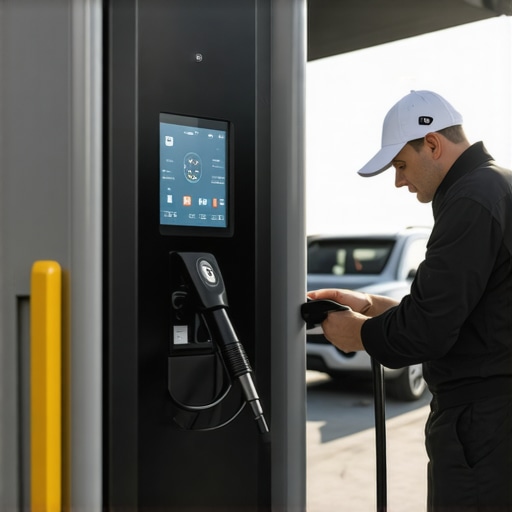
Have you ever stood in your garage, plug in your electric vehicle, only to be greeted by a blinking light or, worse, nothing at all? That frustrating moment when your trusty EV charger refuses to cooperate can completely throw off your day. I remember the first time it happened to me—my car was ready, but my charger just wouldn’t play ball. It was a lightbulb moment that knocked me into action. I realized that troubleshooting and proper installation are key to keeping your EV setup running smoothly.
Why Proper Troubleshooting and Installation Save You Time and Money
When I first started tackling EV charger issues, I thought I could handle it on my own. As it turns out, a small mistake early on can lead to big headaches later. Did you know that improper wiring or outdated hardware can cause safety hazards or reduce charging speed? According to experts, about 20% of EV charging problems are linked to incorrectly installed chargers or faulty connections. That’s why understanding the basics of troubleshooting and safe installation isn’t just for electricians—it’s for every EV owner who wants reliable, safe charging.
Is DIY Troubleshooting Actually Worth the Hype?
I used to believe I could fix everything myself, but I learned that some issues require a professional touch—especially if you’re not familiar with electrical safety standards. My early mistake was ignoring the importance of using the right tools and ignoring the manufacturer’s guidelines. This led to a temporary fix that only masked the problem, and I paid the price with a longer downtime. For trusted advice on how electricians approach troubleshooting lighting and chargers, you can check out their troubleshooting strategies. Staying safe and effective with your EV charger starts with understanding common pitfalls and when to call in the pros.
Start with a Systematic Inspection
When faced with a malfunctioning EV charger, I always begin by checking the power source. Imagine your charger as a car engine — without fuel and proper connection, it won’t run. First, verify that the outlet provides consistent voltage; use a multimeter if necessary. I learned this the hard way when my charger suddenly stopped working during a cold snap. A simple voltage test revealed a loose connection, which I tightened. This step prevents misdiagnosing issues later in the process.
Examine Hardware and Connections Carefully
Next, inspect all cables, connectors, and the charger unit itself. Think of it like checking your garden hose for kinks or leaks before watering; a small obstruction can halt the entire process. During my last troubleshooting, I found a frayed cord that was causing intermittent charging. Acting on this, I replaced the damaged cable and tested the system. Regularly inspecting connections reduces surprises and extends hardware lifespan. For detailed steps on safely handling wiring issues, visit how electricians troubleshoot lighting problems.
Identify and Reset Safety Features
Most EV chargers have safety switches or circuit breakers designed to prevent damage. These might trip if there’s an overload or wiring fault. When my breaker tripped unexpectedly, I reset it after ensuring no overload existed, then tested the charger. Remember, simply resetting without diagnosing can mask underlying issues. Learn more about ensuring safe and efficient station setup at home charging setup tips. Always turn off power before inspecting or handling electrical components to avoid shocks.
Use Proper Testing Equipment and Techniques
To identify hidden faults, employ a multimeter or a dedicated electrical tester. For example, when my charger wouldn’t initiate charging, testing the outlet confirmed a neutral wiring problem. If you’re unfamiliar, consider consulting a professional; it’s safer and more effective. I contacted an electrician after multiple failed DIY attempts, which ultimately saved me time and money. For professional insights into troubleshooting and installation, check expert troubleshooting tips. Accurate diagnostics are the cornerstone of resolving EV charging issues swiftly.
Confirm Proper Grounding and Safety Compliance
Grounding is often overlooked but critical. An ungrounded system can cause malfunction or danger. During my own upgrade, I verified grounding continuity with a tester, ensuring compliance with electrical standards. If you encounter persistent issues despite these checks, it’s wise to consult a licensed electrician. They can verify your setup aligns with safety protocols outlined in safe installation practices. Ensuring proper grounding not only protects your equipment but your family as well.
Implement Routine Maintenance for Longevity
After resolving initial issues, I set a schedule to inspect my EV charger monthly. Clean contacts, tighten loose fittings, and check for signs of wear. Think of it like maintaining a car — regular care prevents unexpected breakdowns. Keep an eye out for corrosion, loose screws, or thermal signs of overheating. According to maintenance tips from experts, consistent upkeep ensures your charger operates at peak performance and extends its lifespan.
Many EV owners and DIY enthusiasts operate under misconceptions that can lead to costly mistakes. It’s a widespread belief that simply plugging in and resetting the breaker solves most issues, but in reality, there are deeper nuances. For instance, a common myth is that all electrical faults are immediately visible or detectable with basic tests. However, experts emphasize that hidden wiring faults or subtle grounding issues often require advanced diagnostics, such as using a multimeter for continuity testing or employing insulation resistance testers. Ignoring these subtleties can result in unsafe setups or prolonged charging inefficiencies.
How Do Advanced Troubleshooting Techniques Save You from Hidden Hazards?
Drawing from professional practices, electricians often perform comprehensive load testing and phase checks to identify issues not apparent through superficial inspections. These methods prevent potential safety hazards, like arc faults or improper grounding, which could otherwise cause equipment damage or personal injury. According to electrical safety standards, neglecting proper testing procedures raises the risk of faults going unnoticed, leading to increased long-term costs and safety concerns. To ensure your setup adheres to these rigorous standards, consult detailed guides at this resource. Remember, understanding the hidden intricacies of electrical faults can mean the difference between a safe, reliable system and a hazardous one. Don’t fall into the trap of superficial fixes; invest in proper diagnostics. Have you ever fallen into this trap? Let me know in the comments.
Gear Up for Reliable EV Charging
Maintaining a high-performance EV charging station isn’t just about initial installation—it’s about ongoing care and leveraging the right tools. As someone who’s battled stubborn wiring issues and inconsistent chargers, I recommend investing in a quality digital multimeter like the Fluke 117. Its accuracy and durability make diagnosing voltage drops or wiring faults straightforward, saving you both time and potential safety risks.
Pair your multimeter with a non-contact voltage tester—such as the Klein Tools NCVT-2—for quick, safe checks without disconnecting hardware. For more in-depth diagnostics, an insulation resistance tester (megohmmeter) is invaluable for inspecting wire insulation integrity, especially if you suspect moisture ingress or subtle faults that multimeters might miss. I personally use the Megohmmeter from Extech because of its ease of use and precision.
Leverage Software for Diagnostics
Modern EV chargers often come with robust diagnostic interfaces accessible via smartphone apps or integrated web portals. For example, brands like ChargePoint and JuiceBox offer remote monitoring features that alert you to anomalies like voltage dips or circuit overloads. Regularly reviewing these logs helps detect patterns before problems escalate, effectively extending your system’s lifespan.
Additionally, I use a simple but effective technique—keeping a detailed troubleshooting journal. Document every test result, observed anomalies, and actions taken. Over time, this archive becomes an expert’s playbook, helping you identify recurring issues or component degradation trends.
Safe Upkeep with Proper Equipment
When performing maintenance, always turn off the power at the breaker and verify de-energization with your multimeter. Additionally, wearing insulated gloves and using insulated tools adds a layer of safety, particularly when working with high-current wiring. Electrical standards are evolving rapidly, with the upcoming latest safety guidelines emphasizing regular inspections.
How do I maintain my EV charger over time?
Routine inspections should include checking contacts for corrosion, tightening loose fittings, and verifying grounding continuity using your multimeter or dedicated tester. Additionally, scheduling annual professional inspections—especially after severe weather events—can preempt costly repairs. Keep spare fuses and replacement cables handy, and don’t forget to document their installation dates. As technology advances, staying informed through resources like expert troubleshooting tips will keep you ahead of issues.
Anticipating Future Trends in Maintenance
The future of EV charging maintenance is leaning toward smart diagnostics and IoT integration. Automated alerts, predictive analytics, and remote troubleshooting will become standard, reducing downtime and enhancing safety. Companies are now developing intelligent systems capable of self-diagnosis—like the recent innovations highlighted in smart electrical troubleshooting. Embracing these tools now not only ensures your current system runs smoothly but prepares you for a more connected, hassle-free charging experience.
Try implementing a multimeter check before your next charging session to verify voltage stability. This simple step can prevent many common charging problems and prolong your equipment’s life.
The Costly Lessons Electricians Rarely Share
One of my biggest wake-up calls was realizing that assuming all faults are obvious could lead to unsafe conditions. Early on, I overlooked subtle signs like slight discoloration around connectors, which later revealed hidden corrosion causing inefficient charging. This taught me that patience and detailed inspections uncover issues most DIYs miss, saving money and avoiding dangerous scenarios.
The Tools That Transformed My Approach
Investing in quality diagnostic tools was a game-changer. Using a clamp meter and infrared thermal camera, I could detect hotspots and uneven current flow, issues invisible to the naked eye. Trusted brands like Fluke and FLIR became my go-to because their reliability and precision prevent costly mistakes and ensure safety—an investment every EV owner should consider.
Why Superficial Fixes Often Backfire
I learned the hard way that resetting a breaker without diagnosing the root cause merely masks the problem. A false sense of security can lead to repeated failures or worse, electrical fires. Diving deeper into wiring integrity and grounding issues with professional guidance prevents recurring troubles, aligning with safety standards detailed in trusted resources like home charging setup tips.
My Secret Weapon for Reliable Charging
Routine testing isn’t glamorous, but it’s vital. Regularly verifying voltage levels and inspecting contacts for corrosion keeps my setup dependable. Keeping a detailed maintenance log helps track wear and anticipate replacements before failure strikes. This proactive mindset, combined with professional advice from maintenance tips from experts, extends hardware lifespan and boosts safety.