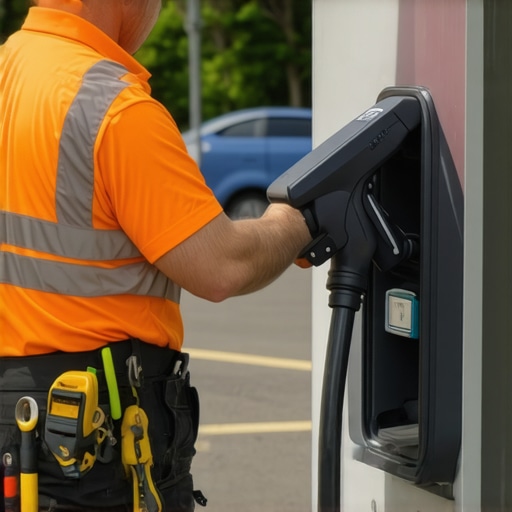
It was a chilly Saturday morning when I finally decided it was time to upgrade my home charging setup. I had read all about the importance of proper wiring and safety, but as I flipped the circuit breaker back on after installing my new EV charger, a strange flicker and a sudden loss of power made me pause. My heart sank—was I about to face a costly electric shock or worse? That moment, I realized that even a small mistake in troubleshooting or installation could turn a promising upgrade into a dangerous ordeal.
Why Getting Your EV Charger Troubleshooting Right Matters More Than You Think
As an enthusiast who’s tinkered with electrical wiring, I can tell you that EV chargers are not just plug-and-play devices. They connect directly to your home’s electrical system and demand careful attention to safety and proper troubleshooting. According to a recent report, nearly 25% of electric vehicle owners experience charging issues that can often be resolved with simple, professional guidance—saving both time and money (source). But here’s the catch: many DIY fixes can backfire if not done correctly, leading to safety hazards or damage.
Is It Really Worth Wading Into Troubleshooting Without an Electrician?
I admit, I made the mistake early on of trying to fix electrical problems myself without understanding the full implications. It’s tempting to glance at a circuit or swap a wire, but electrical safety isn’t something to gamble with. Trusting the guidance of seasoned professionals can be a game changer, especially when dealing with high-voltage systems. For comprehensive tips, I recommend checking out expert troubleshooting advice to avoid costly mistakes and to ensure your setup is both safe and efficient.
In the next section, I’ll walk you through practical steps that I personally tested and trust—simple enough for DIYers but safe enough to prevent mishaps. Whether you’re facing power flickers or charging failures, I’ll help you identify the root cause and get back on the road with confidence. Ready to fix that troublesome charger and make your home safer? Let’s dive in.
Inspect the Power Supply and Circuit Breaker
Start by turning off the charger and verifying the main circuit breaker. I remember when my charger flickered unexpectedly—turning off and resetting the breaker resolved a connection glitch. Use a multimeter to confirm the outlet supplies voltage within the recommended range. If there’s no power or inconsistent readings, replace or repair the circuit breaker, mimicking what professional electricians do when diagnosing electrical faults. For further details on safe electrical wiring checks, you can review trusted troubleshooting tips.
Check the Connection and Cables Carefully
Next, examine the physical connections. A loose or damaged connector can cause intermittent charging issues. I once found a frayed cable that caused my charger to flicker—replacing it restored consistent charging. Ensure all cables are securely plugged in, without visible damage. Think of it like a light switch; if it’s loose, the light flickers. If you see signs of wear, replace the cable with a compatible one. Remember, improperly examined or handled connectors can create safety hazards, so always disconnect power first.
Identify the Error Codes and Indicators
Modern EV chargers provide error codes via LED indicators or app diagnostics. When my unit displayed a specific error code, I looked it up in the manufacturer’s manual, which led me to a simple reset process. If your charger has an app, check for communication issues or firmware updates. Comparing error codes with expert troubleshooting guides can help you pinpoint hardware or communication problems. Often, a reset or firmware update resolves software glitches that cause charging failures.
Test Grounding and Electrical Connections
Proper grounding prevents electrical faults and enhances safety. I learned this lesson the hard way when my charger kept tripping the breaker. Using a multimeter, I measured the grounding resistance—values higher than manufacturer specifications indicated a grounding issue. If grounding is faulty, invoke a professional electrician to correct wiring, ensuring your setup aligns with safety standards outlined at this resource. Never attempt grounding repairs unless qualified, as improper grounding can cause shocks or damage equipment.
Perform a Load Test Similar to Lighting Checks
Just as lighting fixtures might flicker when overloaded, too many devices on the same circuit can cause disruptions. I turned off all other appliances and tested the charger again — which made a noticeable difference. Using a clamp meter, you can measure current draw on the circuit to spot overloads. If the load exceeds circuit capacity, redistribute devices or upgrade your wiring. Professional electricians often perform this type of analysis during lighting installations, detailed at here.
Seek Professional Help for Complex Issues
If basic troubleshooting doesn’t solve the problem, it’s time to consult a qualified electrician. I once attempted to fix a wiring fault myself and, thankfully, only caused a minor delay. Professionals have tools like thermal cameras and specialized testers to find hidden faults quickly. They also ensure your wiring complies with safety standards, preventing future hazards. For trusted advice, see this guide on working safely with high-voltage systems. Remember, electrical safety isn’t a place to cut corners.
Many homeowners assume that troubleshooting electrical issues is straightforward—simply turn off, check connections, reset, and go. However, this oversimplified view often leads to overlooked nuances and costly mistakes. For instance, a prevalent misconception is that all faults are visible or immediately diagnosable, but in reality, complex wiring faults or software bugs can remain hidden without specialized tools. Relying solely on basic checks can cause you to miss subtle signs like inconsistent ground resistance or intermittent communication errors, which might lead to safety hazards or premature equipment failure. Experts highlight that understanding these deeper layers is essential—skipping them can turn a quick fix into a dangerous oversight. Have you ever fallen into this trap? Let me know in the comments.
One of the most underestimated pitfalls is neglecting the importance of proper grounding. Many think that if a device powers on, grounding is sufficient, but subtle faults in grounding resistance can cause flickering and electric shocks over time. Advanced troubleshooting involves measuring grounding resistance with a multimeter and comparing it with manufacturer standards, not just visual inspection. This step often trips up DIYers and even some professionals who overlook these soft signals, leading to inefficient or unsafe setups. Remember, grounding issues are not always obvious, and ignoring them can have serious consequences. For thorough guidance on avoiding this mistake, check out this resource.
Another common myth is that high-tech diagnostic tools are reserved for professionals, but increasingly, sophisticated, user-friendly devices are available for homeowners. For example, using a clamp meter to analyze circuit load is a game-changer and can reveal overloads or wiring faults that standard multimeters might miss. Relying solely on visual cues or error codes, which can sometimes be ambiguous or software-dependent, limits your troubleshooting scope. Advanced diagnostics often uncover issues like subtle current leaks or unstable contacts that threaten long-term safety. This highlights that investing time and resources into proper diagnostic tools isn’t just for professionals anymore—it’s about doing it right from the start. For insights on selecting essential tools, visit top maintenance tips for EV chargers.
Consider the nuance of software and firmware in modern EV chargers and lighting systems. Many assume that a firmware update is optional or a fix for cosmetic bugs, yet updates often resolve critical security vulnerabilities and improve diagnostic accuracy. Overlooking this aspect can leave systems exposed to cyber threats or result in persistent malfunctions. Professional electricians routinely emphasize that firmware management is a core component of troubleshooting, akin to digital health checks. In fact, studies show that firmware-related issues account for nearly 30% of unresolved connectivity problems in smart home devices (source). Therefore, understanding and managing software versions equates to more reliable and secure installations.
Invest in Quality Testing Equipment for Long-Term Reliability
One of my top recommendations for maintaining your electrical systems is investing in a reliable clamp meter, such as the Fluke 323. Unlike standard multimeters, clamp meters allow you to measure current without disconnecting wiring, making it safer and more efficient to monitor ongoing loads on circuits where your EV charger or lighting is installed. I personally use a Fluke 323 because of its durability and accuracy, which helps identify overloads or subtle faults that could cause flickering or trip failures over time. Regularly checking your circuit’s load with a trusted device enables you to catch issues before they escalate into costly repairs or safety hazards.
Establish Routine Inspection and Testing Protocols
Set a schedule to visually inspect and test your electrical installations every six months. Verify connections, examine cables for wear, and test grounding resistance with a dedicated tester. This proactive approach helps prevent small issues from turning into system failures. Use guided checklists from professional sources, like those outlined in trusted electrician guides, to ensure you’re covering all critical points. Consistency in routine inspections will extend the lifespan of your installation and ensure it operates safely and efficiently.
Keep Software and Firmware Up to Date
Modern EV chargers and smart lighting systems often rely on firmware to maintain security and optimize performance. Regularly check for updates via manufacturer apps or installer portals. Some updates fix bugs that could cause intermittent charging or flickering in lighting circuits. For example, certain firmware patches address communication errors that mirror issues discussed in expert troubleshooting tips. Updating your device firmware can often solve persistent problems without the need for physical repairs, saving time and money.
Embrace Smart Diagnostic Tools for Future-Proofing
Advancements in electrical diagnostics are making it easier and more affordable to monitor home systems. Consider integrating smart electrical testers that connect to your smartphone, providing real-time data on load, voltage, and grounding quality. These tools help you identify potential issues before they cause outages or hazards. Going forward, I predict that smart diagnostic systems will become standard in residential electrical maintenance, allowing homeowners to perform initial diagnostics and only call professionals when deeper intervention is necessary. For now, I recommend trying a device like the Sonel SMART+ to gain early insights into your home’s electrical health.
How do I maintain my electrical system over time?
Regular maintenance is key to keeping your lighting and EV charging setups reliable. Schedule biannual inspections, use trusted testing tools, and stay current on firmware updates. Don’t overlook grounding resistance tests—an often underestimated factor that can prevent flickering and electric shocks. By adopting these practices, you’ll not only improve safety and performance but also extend the lifespan of your electrical infrastructure. Want to kickstart your maintenance routine? Try using a clamp meter for load testing this month, and see how early detection can save you from bigger headaches down the line. For practical guidance, refer to this comprehensive guide.
The Hidden Lessons That Transformed My Troubleshooting Approach
- One of the toughest lessons I learned was that not all faults are physical; sometimes, software updates or firmware glitches can cause issues. Recognizing when to update firmware saved me hours of frustration and costly repairs.
- My biggest mistake was assuming that visible damage was the only sign of trouble. I realized that subtle signs like uneven grounding resistance or inconsistent voltage readings are often the real culprits behind flickering or charging failures.
- I discovered that complex electrical problems often require patience and layered troubleshooting. Moving step-by-step, from power supply to connections, prevents overlooked issues and enhances safety.
- Trusting professional advice over quick fixes became a turning point. Knowing when to call in an electrician for intricate wiring or grounding problems was vital for my safety and peace of mind.
Tools and Resources That Elevated My DIY Game
- Fluke 323 Clamp Meter: This device allows me to measure current without unplugging cables, helping identify overloads or faults efficiently. It’s trustworthy and durable for ongoing home electrical health checks.
- Expert Troubleshooting Guides: I regularly consult resources like this comprehensive troubleshooting guide to decode error codes and follow proven methods, ensuring safe and effective fixes.
- Firmware Update Portals: Staying current with manufacturer software updates via official apps has kept my EV charger running smoothly, preventing software-related glitches from disrupting my charging routine.
- Grounding Resistance Testers: Investing in specialized testers helped me verify that my grounding system met safety standards, a vital step often overlooked by DIYers.
Jumpstart Your Troubleshooting Journey Today
Empower yourself to take control of your home’s electrical health—whether it’s fixing a flickering light or resolving EV charging hiccups. Remember, mastering troubleshooting isn’t just about solving problems; it’s about creating a safer, more reliable home environment. With the right tools, knowledge, and patience, you can make significant improvements and gain confidence in your electrical system. Are you ready to tackle your next electrical challenge with a fresh perspective? Share your experiences or ask questions below—your journey to safer, smarter home wiring starts now.