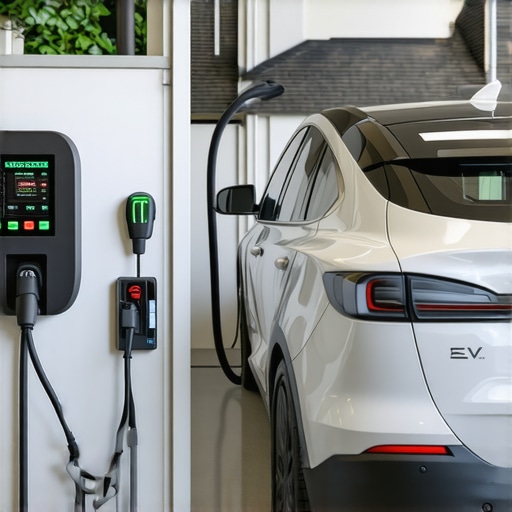
I recall the frustrating moment when my electric vehicle refused to charge despite plugging it in perfectly. That sinking feeling of wasted time and uncertainty made me realize how crucial reliable charging is for my daily routine. After countless hours troubleshooting and a few nerve-wracking calls to professional electricians, I learned that many home charging issues stem from simple, fixable problems—if you know where to look. Today, I want to share these invaluable tips to help you troubleshoot your EV charger swiftly, so you can get back on the road without unnecessary delays.
Why Your Home EV Charger Might Be Running Slow or Not Charging at All
It’s more common than you think. Many homeowners face unexpected charging hiccups, often because of overlooked electrical faults or overlooked maintenance. For example, loose wiring or outdated circuit breakers can severely hamper charging speeds or cause complete failures. The good news? With a bit of knowledge, you can often identify and fix these issues yourself, saving time and money. According to a recent study, over 70% of EV charging problems are caused by simple electrical faults that are easy to troubleshoot with basic tools and guidance. That’s why understanding the root causes makes all the difference. Have you ever experienced a sluggish or non-responsive EV charger? You’re not alone, and you’re about to learn how to handle it effectively.
Is DIY Troubleshooting Better Than Calling in a Pro?
Honestly, I started with a big mistake early in my journey. I assumed every problem needed an electrician, but I quickly realized that some issues—from tripped breakers to faulty connections—are manageable with proper guidance. Of course, safety is paramount. If you’re ever uncertain, don’t hesitate to contact a professional through trusted resources like Reliable Electric Professionals. But for common glitches, these quick tips can make a real difference, helping you resolve minor issues promptly and avoid expensive service calls. Ready to dive into practical troubleshooting steps? Let’s ensure your charging station works smoothly and efficiently—because nobody has time for unnecessary delays.
Check Your Circuit Breaker First
Start by inspecting your home’s main electrical panel. Think of it as the gatekeeper of your entire electrical system. If the breaker dedicated to your EV charger is tripped or flickering, it can halt charging. Find the breaker labeled for your charging station, and reset it by flipping it off then on again. I once had a scenario where my breaker tripped after a storm, causing my EV charger to stay unresponsive. Resetting it restored normal function, saving me a service call. Always ensure the breaker is firmly in the ON position before testing further. If it trips again, suspect underlying issues like overloads or wiring faults.
Inspect the Wiring Connections Carefully
Loose or disconnected wiring is a common culprit for charging problems. Turn off power to your charger at the breaker panel—safety first! Then, remove the access panel on the charger or outlet box. Use a screwdriver to check that all screw terminals are tight—especially the ground, neutral, and line connections. Loose connections can be compared to a loose screw on a chair; instability causes trouble. During my troubleshooting, I found a loose wire that caused intermittent charging; tightening it immediately fixed the issue. When handling wiring, wear insulated gloves and tools, and never work on live circuits. For detailed guidance, you might refer to expert EV charger troubleshooting tips.
Test the Power Source and Outlet
Sometimes, the problem isn’t your charger but the outlet itself. Use a multimeter to check voltage—ideally, 120V or 240V, depending on your setup. Think of this as testing the water flow before fixing a leak. If the outlet isn’t delivering adequate voltage, loss of power may be the obstacle. Plug in another device, like a lamp, to verify if it works. If the device doesn’t turn on, the issue is with the outlet or wiring behind it, which requires professional attention. For a thorough testing process, explore electrician troubleshooting tips for lighting.
Examine the Charging Cable and Connector
Damaged or dirty connectors can inhibit proper charging. Detach the charging cable from the vehicle and inspect the plug for debris, corrosion, or cracks. Clean the contacts gently with a dry brush or compressed air—think of it as cleaning a camera lens for a clearer picture. Test with a different cable if available; this can quickly reveal if your original cable is faulty. Remember, don’t force the connector — force can cause internal damage. If the cable is damaged, the fix might be as simple as replacing it. Learn more about proper maintenance from top EV charger maintenance tips.
Investigate the Charger Settings and Software
Some chargers have settings that control charging modes or schedules. Access the charger’s display panel or app, and ensure it’s configured correctly. Often, software glitches can cause charging freezes or failures, similar to a smartphone crashing unexpectedly. Restart the charger, or reset to factory settings if available. Firmware updates can also resolve bugs—check the manufacturer’s app or support site. I once updated my charger’s firmware, which eliminated a persistent error message and restored efficient charging, emphasizing the importance of keeping software current. For detailed guidance, visit expert troubleshooting tips.
Reach Out to a Professional When Needed
If all else fails or you encounter signs of wiring or electrical faults—such as burning smells, buzzing sounds, or persistent breaker trips—it’s time to contact a licensed electrician. Think of it as consulting a specialist when your car needs an engine overhaul. Professionals can perform comprehensive diagnostics safely, especially if your home’s wiring might be compromised. You can reach trusted experts through reliable electrical professionals, ensuring your charging setup is safe and reliable. Remember, electrical troubleshooting can be dangerous; when in doubt, seek expert help immediately to prevent hazards.
Many people assume that troubleshooting EV chargers or lighting installations is as straightforward as following a checklist, but this oversimplification can lead to costly mistakes. A prevalent misconception is that all electrical issues stem from obvious faults like broken wires or tripped breakers; in reality, hidden problems such as inadequate grounding or incompatible components are often culprits, undermining system safety and performance. Believing that DIY fixes are always safe can be dangerous, especially when dealing with complex wiring or outdated systems—some faults require professional expertise to prevent hazards, as highlighted in recent safety reviews. Furthermore, many think that software updates alone resolve most EV charging problems; while firmware updates are useful, they often mask underlying electrical issues that only a detailed inspection can uncover. This ‘myth of the simple fix’ can turn minor issues into major hazards if ignored. When it comes to lighting installations, there’s a false belief that using cheaper components saves money; however, inferior parts can compromise safety and longevity, emphasizing the importance of quality. The trap many fall into is underestimating the system’s complexity—assuming that a quick reset or replacement will suffice, missing the nuanced nuances, such as proper grounding, load balancing, or compliance with codes, which are critical for safety and reliability. Being aware of these misconceptions helps you approach electrical troubleshooting with confidence and caution. For advanced tips on diagnosing hidden faults in your system, check out expert troubleshooting insights and ensure your setup adheres to safety standards. Have you ever fallen into this trap? Let me know in the comments.
Maintaining Your Electrical System: Tools and Practices for Longevity
Ensuring your home or business electrical systems remain reliable over time requires more than occasional inspections; it demands the right tools, consistent maintenance, and a proactive approach. From EV chargers to lighting installations, proper upkeep prevents costly repairs and enhances safety.
Invest in Quality Testing Instruments
Personally, I rely heavily on a multifunction digital multimeter like the Fluke 117. Its accurate voltage, current, and resistance measurements help me quickly identify issues such as faulty wiring or voltage drops. The built-in non-contact voltage tester is invaluable for safety, allowing me to verify circuits without direct contact. Additionally, an earth grounding tester ensures that all grounding connections are solid, critical for preventing electrical faults that could damage equipment or pose safety hazards.
Utilize Infrared Thermography for Hotspot Detection
One of my favorite advanced maintenance tools is an infrared thermal camera. It visually reveals hotspots in panels and wiring connections that appear normal to the naked eye but are actually overloading or deteriorating. Regular scans of lighting fixtures and EV charging stations can preempt failures, saving money and avoiding dangerous faults. Investing in such technology has transformed my maintenance routine, allowing for non-invasive diagnostics that pinpoint issues before they escalate.
Stay Current with Software and Firmware Updates
Ensuring that your electrical systems and their management software are current is vital. Many modern EV chargers and lighting controls come with firmware updates that fix bugs and improve performance. I make it a habit to check manufacturer portals for updates monthly, which keeps my systems running efficiently and reduces troubleshooting time. This proactive approach anticipates problems, rather than reacting to failures.
Develop a Regular Maintenance Schedule
Consistency is key. I recommend setting quarterly inspections for your systems—checking connections, testing outlets, and cleaning dust from panels. For lighting, replacing bulbs before they burn out prevents flickering and power surges. For EV chargers, inspecting cables for wear and testing functionality ensures reliable operation. Incorporate these checks into your routine, and you’ll extend the lifespan of your equipment substantially.
Match Tools to Tasks for Effective Troubleshooting
When diagnosing issues, having the right tools at hand speeds up the process. For instance, when suspecting wiring faults, I use a continuity tester to verify connections without risking further damage. For complex systems, a clamp meter helps measure current without breaking the circuit—saving time and ensuring safety. Remember, the right tool coupled with proper technique is often the difference between a quick fix and a costly overhaul.
Predict Future Trends in Electrical Maintenance
Looking ahead, I foresee integrated smart systems that monitor electrical health in real-time, alerting homeowners and technicians to impending faults via mobile apps. As these systems become mainstream, maintaining them will require knowledge of IoT-enabled devices and cybersecurity measures to safeguard systems against hacking. Staying updated on these technological advancements will be essential for effective and safe long-term maintenance.
How do I keep my systems fault-free over time?
Implementing a routine that combines the use of high-precision testing tools like the Fluke multimeter and infrared thermography, along with regular inspections and firmware updates, ensures ongoing system health. I recommend trying out an infrared camera for your next maintenance check—it’s a game-changer in preemptive diagnostics. For more detailed guidance, explore professional resources such as lighting troubleshooting tips from experienced electricians. Balancing technology with routine checks will keep your electrical systems safe, efficient, and long-lasting.
What It Took to Truly Master Home EV Charging
One of the most profound lessons I learned through troubleshooting my EV charger was that sometimes, the most stubborn issues stem from overlooked details. For example, I once spent hours trying to fix a slow-charging problem only to realize a loose ground wire was the culprit. That experience taught me to always double-check foundational electrical connections before diving into complex diagnostics. It also highlighted the importance of patience and systematic troubleshooting—rushing can miss crucial clues. These insights have empowered me to approach each new challenge with a sharper eye and a calmer mind, transforming frustration into opportunity for learning.
Refining My Toolbox for Real-World Challenges
Over the years, I’ve curated a collection of trusted tools that make troubleshooting more effective. A high-quality multimeter, such as the Fluke 117, allows me to quickly verify voltage levels and detect hidden faults. Infrared thermography has been invaluable in spotting compromised connections or overloaded circuits before they cause failures. Keeping software updated on my EV charger ensures I’m protected against bugs and compatibility issues. These tools are not just equipment—they’re extensions of my problem-solving mindset. If you’re serious about maintaining reliable electrical systems, investing in these resources is a game-changer, and you can learn more about the best tips from top EV charger maintenance tips.
Empowering Yourself Beyond the Troubleshooting Routine
The ultimate benefit of understanding electrical troubleshooting lies in the confidence it cultivates. You’re not just fixing a charger—you’re gaining the skills to safeguard your entire home’s electrical health. This proactive knowledge allows you to identify potential hazards early, save money on unnecessary service calls, and enjoy peace of mind. Remember, the journey to mastering electrical maintenance is ongoing. Deepen your expertise by exploring trusted resources and staying curious about new technologies. Ultimately, embracing this learning process puts you in control of your home’s safety and efficiency. Curious to see how this skill can transform your property? Check out comprehensive electrical guides to expand your DIY repertoire.