It was late at night when I first experienced it—a flickering light that refused to stay steady, and my new electric vehicle charger that suddenly stopped working without warning. I remember feeling that sinking frustration, the kind that makes you question if you’ve missed a crucial wiring detail or skimped on safety. That moment wasn’t just inconvenient; it was a wake-up call that even the simplest electrical issues can escalate into big safety concerns if not properly addressed. Over time, I realized that many homeowners, myself included early on, overlook basic troubleshooting steps, risking more than just a bathroom dimming or a stalled charge—it’s about protecting your loved ones and your property.
Why Electrical Safety and Proper Lighting Matter More Than Ever in 2025
With the surge in home upgrades, especially around lighting and EV chargers, understanding fundamental troubleshooting is crucial. Why? Because faulty wiring or neglected maintenance isn’t just an inconvenience; it’s a real safety hazard. According to the Electrical Safety Foundation International, electrical malfunctions cause over 45,000 fires annually in the U.S. alone—yet many of these could be prevented with simple checks and preventive measures. Ensuring your home’s electrical system is reliable isn’t just smart; it’s necessary for peace of mind.
Is DIY Troubleshooting Dangerous or Doable?
I’ve been there, making early mistakes—like trying to fix a lighting flicker without turning off the power or throwing in a new socket without double-checking the wiring. Trust me, a small oversight can lead to shocks or worse. That’s why I advocate for knowing your limits and consulting trusted sources, like electrician guides that walk you through safe troubleshooting steps. But for many issues, a bit of knowledge and patience can go a long way in preventing emergencies.
Have you ever encountered an electrical problem that seemed impossible to fix? If so, you’re not alone. The good news is, many of these problems have straightforward solutions when approached correctly. To get started, it’s essential to understand what common issues look like and how to address them safely. This way, you can avoid unnecessary callouts and prevent minor issues from turning into major safety risks.
Ready to learn some proven, simple steps to troubleshoot your lighting and EV charger issues? Let’s dive into what works, what doesn’t, and how to keep your home safer in 2025 and beyond. For more detailed insights, check out our expert electrician troubleshooting tips. Starting with the basics today can save you a lot of trouble tomorrow!
Check Your Circuit Breaker First
When an electrical issue arises, the first step is to verify if the circuit breaker has tripped. I remember the time I experienced my living room lights flickering unexpectedly; I immediately went to the breaker panel and noticed a switch in the off position. Flipping it back on restored the lights, saving me a costly call. Think of the circuit breaker as a vigilant gatekeeper; if it detects overloads or faults, it shuts to prevent damage. Always start here before delving deeper.
Ensure Power is Off Safely
Before touching any wiring or components, turn off the main power supply. Use a non-contact voltage tester to confirm that no current flows through the fixture or wire you’re inspecting. My own mistake was attempting to replace a faulty switch without verifying power; I received a minor shock, reminding me of the importance of double-checking. This safety measure shields you from accidental shocks and is a simple, yet critical step.
Identify and Isolate the Issue
Locate the problem area—be it a flickering light, an unresponsive EV charger, or blinking fixtures. For lighting issues, observe if all connected devices are affected or just specific fixtures. When troubleshooting my EV charger that stopped working, I disconnected it and tested it on a different outlet, which pointed me toward a faulty supply rather than the charger itself. Isolating problem sources saves time and prevents unnecessary replacements.
Inspect Connections and Components
Visually examine wiring, plugs, sockets, and switches for signs of damage, corrosion, or loose connections. I once found a loose wire behind a switch that caused intermittent operation. Tightening it resolved the flicker. Remember, loose or corroded contacts can act like clogged arteries—blocking proper electrical flow. When unsure, consult trusted electrician guides to confirm safety procedures.
Test with Proper Tools
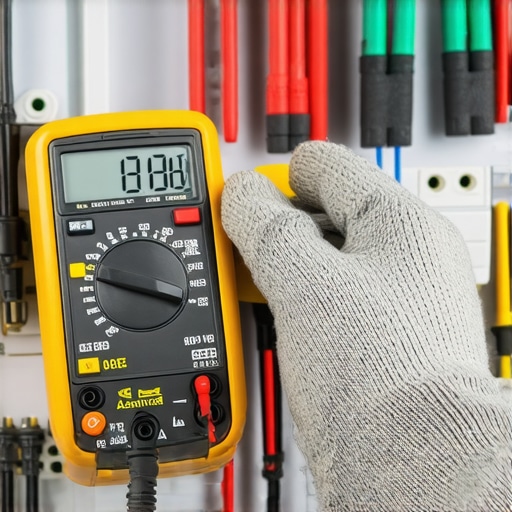
Use a multimeter to check voltage levels. For example, when my EV charger wouldn’t power up, testing the outlet revealed lower than expected voltage, indicating an wiring fault or compromised breaker. Multimeters are invaluable and easy to learn; they help distinguish between live and dead circuits with a simple reading. For detailed testing strategies, refer to expert troubleshooting tips.
Evaluate Circuit Load
Overloading circuits can cause breakers to trip and devices to malfunction. I once overloaded a dedicated circuit for my home office, leading to frequent outages. By redistributing devices or installing dedicated circuits, you prevent unnecessary stress on your wiring. An electrician can help determine safe load levels—it’s better to be cautious than risk fire hazards.
Address Faulty Components
If testing reveals a defective switch, socket, or fixture, replace it following safety protocols. For my kitchen lights flickering due to a damaged socket, replacing it with a new one fixed the problem immediately. Use UL-listed components and ensure power is off before replacement. For complex issues involving wiring or EV station installation, consider consulting professional electricians.
Document and Seek Help When Needed
Keep notes of what you’ve checked and replaced. If issues persist, contact a licensed electrician. I once faced an elusive wiring problem in my garage; describing my troubleshooting steps helped the technician diagnose and fix the issue swiftly. Remember, safety is paramount—don’t attempt complex repairs beyond your expertise. You can always reach out via contact page for expert assistance.
Perform Final Safety Checks
Once repairs are made, restore power and verify proper operation. Test each fixture or device thoroughly. This is similar to how I tested my EV charger after repositioning the outlet; confirming it charged my vehicle without issues provided peace of mind. Don’t skip this step—proper testing ensures integrity and safety.
Document Your Work
Take notes or photos of your fixes for future reference. Good documentation simplifies future troubleshooting and helps if professional help becomes necessary. Remember, consistent preventive checks and proper troubleshooting techniques keep your home safer and more reliable.
Many homeowners believe that troubleshooting electrical issues, especially with EV chargers or lighting installations, is straightforward—simply follow basic steps and if it doesn’t work, call an electrician. However, this misconception can be costly. The reality is, most people overlook the subtle nuances that can make a significant difference in diagnosing and resolving electrical problems effectively.
One prevalent myth is that if a breaker hasn’t tripped, the circuit is safe and functioning correctly. But in truth, breakers can sometimes fail to trip under certain faults, especially in older panels or faulty breakers themselves. This can give a false sense of security and delay crucial diagnostics. Advanced troubleshooting requires understanding how to test these components properly, perhaps with a multimeter, to detect issues that a simple visual check might miss. For detailed testing strategies, consult trusted guides like electrician troubleshooting guides.
Another nuance often missed is the importance of evaluating the entire electrical load. Many homeowners focus on localized issues, like a flickering light or a non-charging station, without considering the overall demand on their home’s electrical system. Overloading circuits, or having outdated wiring that can’t handle modern loads, leads to subtle problems that manifest as intermittent faults. Recognizing these patterns and performing load analysis can prevent future hazards. For example, redistributing devices or upgrading wiring can dramatically improve safety and performance.
A common trap is assuming that replacing a faulty component—like a switch or socket—solves the root problem. Sometimes, these issues are symptoms of deeper electrical faults, such as degraded wiring connections or hidden damage within the circuit. Attempting quick fixes without comprehensive diagnostics can reintroduce problems or lead to safety hazards. For advanced insights on diagnosing deep-seated issues, explore expert troubleshooting tips.
From a professional perspective, the key benefit of understanding these nuances is safer, more reliable electrical systems. Homeowners often neglect to perform routine checks like inspecting wiring behind switches or testing outlet voltages, which can reveal early-stage faults. Incorporating preventive diagnostics not only extends the lifespan of your fixtures and chargers but also mitigates the risk of fire or electric shock. The importance of regular, in-depth inspections cannot be overstated.
For instance, advanced troubleshooting involves verifying proper grounding, testing for neutral issues, and assessing circuit impedance—all steps that most DIY guides don’t cover comprehensively. Recognizing the signs of these hidden problems and acting accordingly is a hallmark of an informed homeowner, preventing minor nuisances from escalating.
Have you ever fallen into this trap? Let me know in the comments. Remember, mastering the subtleties of electrical troubleshooting transforms you from a homeowner in the dark into a confident and safe maintainer of your home’s electric health.
Keep Things Running Smoothly with the Right Equipment
Maintaining your home’s electrical systems, especially for critical components like lighting fixtures and EV chargers, requires the right set of tools that offer precision, safety, and durability. I personally rely on a high-quality digital multimeter, such as the Fluke 117, because it provides accurate readings of voltage, current, and resistance, which are essential for diagnosing issues safely and effectively. This device’s auto-ranging feature saves time and reduces errors, and its ergonomic design makes prolonged inspections more comfortable.
For physical inspections, a non-contact AC voltage tester comes in handy—my favorite is the Klein Tools NCVT-1—allowing quick checks of energized wires without risking shocks. Coupled with an illumination work light, I can easily see behind panels or inside junction boxes, especially those tough-to-reach spots. Additionally, a set of insulated screwdrivers rated for electrical work is non-negotiable; they prevent accidental short circuits during component replacements.
Beyond handheld tools, digital wiring testers that verify proper grounding and circuit integrity are critical. I recommend investing in a GFCI tester as well—these compact devices help confirm whether Ground Fault Circuit Interrupters are functioning correctly, which is vital for bathroom and outdoor outlets.
Leveraging Software for Better Maintenance Scheduling
On the software side, I use electrical system management apps like CircuitLab, which allows me to map out circuits and keep records of inspections, repairs, and upgrades. This digital approach helps prevent overlooked maintenance tasks and ensures compliance with safety standards. As technology advances, integrating smart monitoring systems into your electrical network will become the norm, alerting you instantly to issues before they escalate.
How do I maintain electrical systems over time?
Regular inspections are key—schedule seasonal reviews of your wiring, lighting, and charging stations, and use your tools to verify that everything operates within safe parameters. Keeping a detailed log of your maintenance activities, perhaps utilizing an app to set reminders, can simplify this process and alert you to potential problems early. Remember, staying proactive about electrical health not only prolongs the lifespan of your components but also safeguards your family from hazards. For advanced guidance on setting up a dependable EV charging station, see this comprehensive guide.
As the trend toward smarter homes continues, embracing digital diagnostics and smart tools will help homeowners stay ahead of potential issues, making maintenance more efficient and less disruptive. I encourage you to try out a multimeter with auto-range and see how it transforms your troubleshooting process—it’s a small investment that pays big dividends in safety and reliability.