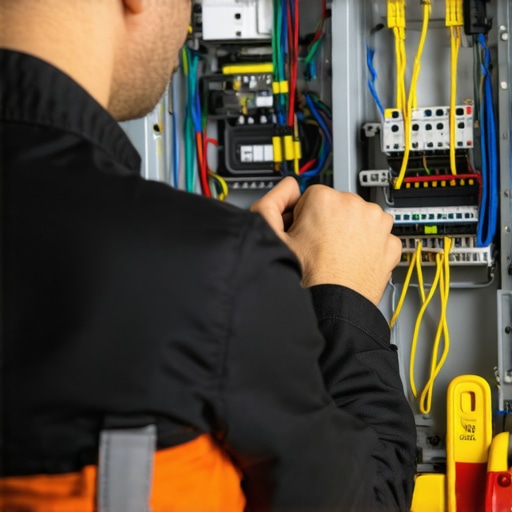
It was a hot summer evening when I first realized my home’s lighting flickered just as I was about to unwind. A sudden power fluctuation startled me, and I knew right then—there had to be a better way to handle these surprises. That light flicker wasn’t just an annoyance; it was a warning sign of underlying wiring issues that could pose safety risks. As someone passionate about safe electrical practices, I learned the hard way that understanding troubleshooting isn’t just for professionals—it’s essential for every homeowner.
Why Electrical Troubleshooting Will Save You Time, Money, and Peace of Mind
When I started delving into home electrical troubleshooting, I was astonished at how many common issues could be fixed with simple, informed steps. Whether it’s a faulty switch, a dimmly functioning outlet, or problems with an EV charger, knowing the basics of safe wiring and troubleshooting can prevent small problems from escalating into costly repairs or dangerous situations. Plus, by familiarizing yourself with reliable tips and methods, you won’t have to rely solely on electricians for minor fixes—saving both time and money.
But here’s the thing—I also made a crucial mistake early on. I rushed into fixing a flickering light by replacing a bulb, assuming that was the culprit. Turns out, the issue was bad wiring connections behind the switch. That oversight could have been dangerous. It reminded me how easy it is to get tripped up by assumptions and why proper troubleshooting—grounded in safety and knowledge—is so vital.
Are you tired of unexpected electrical issues disrupting your daily life? Do you worry about the safety of your home’s wiring or the efficiency of your EV charger? You’re not alone, and the good news is, with a few expert tips, you can handle many problems yourself before calling in a professional. To get started, let’s explore some of the most common causes of electrical troubles and how to address them safely. If you’re interested in advanced troubleshooting guides, I recommend checking out this helpful resource on [EV charger troubleshooting](https://reliableelectricpro.com/ev-charger-troubleshooting-expert-tips-to-fix-common-issues), which has saved me more than once.
With that in mind, let’s move into practical steps you can take today to improve your home’s electrical safety and become more confident in troubleshooting those annoying issues.
Turn Off Power Before You Begin
Always cut the power at the main breaker before starting any troubleshooting to ensure safety. I learned this lesson the hard way when fixing a faulty light switch—an accident nearly happened because I missed this crucial step. Flip the breaker and double-check with a voltage tester to confirm the circuit’s dead.
Identify the Common Issue
Start by observing what’s wrong. Is the light flickering, an outlet not working, or is your EV charger acting up? For example, when my EV charger suddenly stopped charging, I checked for obvious signs like frayed cords or loose connections. Recognize patterns to narrow down potential causes quickly.
Inspect Wiring Connections Carefully
Loose or corroded wiring is often the culprit. Remove the switch or outlet cover using a screwdriver, and inspect the wiring connections. Make sure all screws are tight and wires are secure. While doing this on my own, I found a loose wire behind a dimmer switch, which caused flickering. Tightening it resolved the issue instantly.
Test Circuits and Components
Use a multimeter or voltage tester to check for proper voltage. For example, I tested an outlet suspected of failure, and when I saw readings of zero volts, I knew the breaker or wiring was at fault. If you’re unsure how to use these tools, professional guides like this resource can help you learn the proper techniques.
Assess Lighting Fixtures and Switches
If only one fixture is affected, remove it and test the socket for voltage. For switches, toggle multiple times and listen for any buzzing or unusual sounds. During my troubleshooting, replacing a faulty switch fixed lighting issues that had persisted for weeks.
Check Circuit Breakers and Fuses
Sometimes, the solution is as simple as resetting a tripped breaker. If the breaker trips again immediately, that indicates a problem in the wiring or connected device. Don’t ignore repeated trips—consult a professional if needed, and consider reviewing detailed steps at this troubleshooting guide.
Evaluate Your EV Charger Setup
For EV chargers, ensure the charging station is properly installed and the circuit can handle its power load. I used the installation tips from experienced electricians to double-check my setup, preventing future issues. Replace damaged cords or connectors promptly.
Identify and Fix Common Faults
Common problems like a tripped GFCI outlet can cause multiple issues. Reset it by pressing the reset button. If it trips again, investigate possible ground faults or moisture. Replacing a faulty outlet or switch, following safety procedures, often restores normalcy efficiently.
Document Your Troubleshooting Steps
Keep a record of what you’ve checked and replaced. This habit prevents redundant efforts and provides a troubleshooting history for any future issues. During my fixes, documenting these steps helped me identify recurring problems, leading to a more thorough inspection with professional help when needed.
When to Call a Professional
If after these steps the issue persists, or if you notice signs like burning smells or overheating, it’s time to consult a licensed electrician. Electrical problems can be complex and dangerous—err on the side of caution. For expert assistance, visit this contact page.
Many believe that installing an EV charger or troubleshooting electrical issues is straightforward, but beneath the surface lie subtle complexities that can catch even experienced homeowners off guard. One common misconception is that standard wiring practices are always sufficient; however, as electrical codes evolve, paying attention to specific nuances becomes critical to ensure safety and efficiency. For instance, overestimating the capacity of home circuits without considering future load demands can lead to premature failures or hazards. An advanced mistake I often see is neglecting proper grounding in EV charger installations, which can compromise safety and lead to costly repairs.
What advanced pitfalls trip up even seasoned DIYers and pros alike?
According to electrical safety experts, ignoring the importance of proper circuit capacity planning and grounding not only violates codes but also increases risk significantly. Deliberately bypassing certain safety procedures—thinking they’re unnecessary—can result in dangerous electrical faults or fires. It’s vital to recognize that troubleshooting is less about quick fixes and more about understanding system intricacies and respecting electrical nuances.
Furthermore, a frequent trap is relying solely on diagnostic tools without considering environmental factors such as moisture, temperature, or nearby conductive materials. These factors can affect both the performance of your EV charger and the accuracy of tests. Be wary of assuming a fault is purely technical; sometimes, external conditions play a crucial role. For comprehensive insights, I highly recommend exploring this expert guide on troubleshooting to deepen your understanding of hidden pitfalls.
Another nuanced aspect is the misinterpretation of circuit breaker trips. While many see this as a simple nuisance, it often masks underlying issues like wiring degradation or overload conditions that require advanced diagnosis. Simply resetting the breaker repeatedly without investigating root causes can be dangerous. It’s akin to treating the symptom while ignoring the disease. Always assess the broader electrical system and consider consulting a professional if trips become frequent. This approach not only preserves safety but also extends the lifespan of your electrical infrastructure.
For homeowners eager to elevate their electrical safety and troubleshooting skills, acknowledging these hidden nuances is key. Progressing beyond beginner-level fixes involves a mindset shift—paying attention to system capacity, environmental influences, and code compliance. This proactive stance, backed by expert resources, will save you both time and money in the long run. If you’re interested in a deeper dive, I suggest reviewing this comprehensive troubleshooting guide for practical tips tailored to advanced users. Remember, the goal is to empower yourself with knowledge that keeps your home safe and your electrics reliable. Don’t let hidden pitfalls compromise your efforts—be proactive and informed. Have you ever fallen into this trap? Let me know in the comments.
Keeping it Working: Essential Tools and Maintenance Strategies
Maintaining your electrical systems, especially EV chargers and lighting setups, requires precision, the right equipment, and a proactive mindset. From multimeters to specialized software, having the right tools ensures you can diagnose and fix issues swiftly, minimizing downtime and safety risks.
The Power of a High-Quality Multimeter
I personally rely on a digital multimeter with auto-ranging capabilities, like the Fluke 115. Its accuracy allows me to measure voltage, current, and resistance efficiently, which is critical when troubleshooting EV chargers or lighting circuits. The durability and clear display make it indispensable in my toolkit—saving time and preventing mistakes.
Use Infrared Thermometers to Detect Hidden Problems
Sometimes, wiring issues or overloaded components become evident only when overheating. An infrared thermometer helps me spot hot spots in panels or connectors before they escalate. For example, during routine maintenance, I found a bank of dimmer switches running hotter than normal, prompting a necessary repair that avoided potential fire hazards.
Employ Diagnostic Software for EV Chargers
Modern EV chargers come with built-in diagnostic modes or require dedicated apps. I use the manufacturer’s app linked to a Bluetooth-enabled diagnostic tool to monitor real-time data and identify patterns that point to internal faults. This approach is especially useful when physical inspection doesn’t reveal obvious issues, and it allows for proactive maintenance.
Leverage Circuit Analyzers for Long-Term Monitoring
Having a circuit analyzer connected over time helps track power quality and load balance. I recommend a model like the Sense Energy Monitor—it integrates with smart home systems and provides analytics, helping catch emerging issues early. Such tools are invaluable in avoiding overloading circuits used by EV chargers or lighting systems, extending their lifespan.
Future Trends: Smart Tools for Smarter Maintenance
Looking ahead, I believe the integration of IoT-enabled sensors will revolutionize electrical maintenance. Devices that continuously monitor wiring health, temperature fluctuations, and power draw can alert homeowners in real time. Companies are investing heavily in smart electrical systems that can self-diagnose and even autonomously schedule repairs, paving the way for safer, more reliable homes.
How do I maintain electrical systems over time?
Regular inspections and scheduled testing are key. I recommend setting monthly checks with your multimeter and cleaning connections to prevent corrosion. Additionally, updating your diagnostic software and firmware ensures your tools stay effective. Remember, addressing minor issues early saves you significant costs later and keeps your systems operating at peak efficiency.
If you want to deepen your understanding, I suggest reviewing expert insights like this troubleshooting guide. Try implementing a comprehensive inspection routine with your multimeter and see how early detection can save you from bigger problems. Staying proactive now will pay dividends in performance and safety long-term!
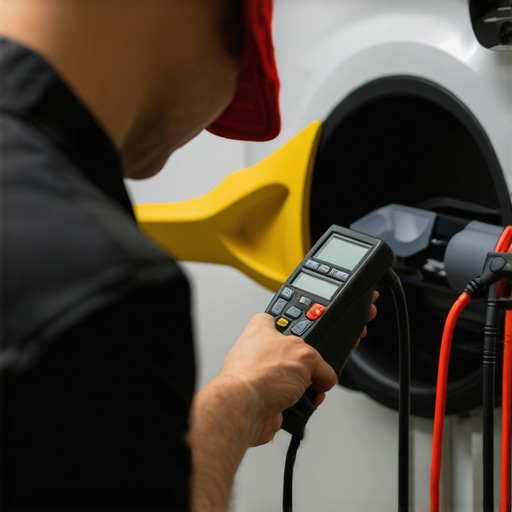
What I Wish I Knew Before My First DIY Fixes
My most profound lesson was realizing that assumptions about electrical issues can be dangerous. Jumping straight to replacing a component without proper testing almost led to a shock. Patience, testing, and safety procedures are invaluable—never skip turning off the power or verifying the circuit is dead. This experience taught me that understanding system nuances prevents accidents and saves money.
Another lesson was that environmental factors often masquerade as electrical faults. Moisture, temperature fluctuations, or nearby conductive materials can cause symptoms similar to wiring faults. Recognizing this has helped me distinguish between technical problems and external influences, avoiding unnecessary repairs.
Lastly, I discovered that investing in quality troubleshooting tools transforms a daunting task into a manageable process. A reliable multimeter and infrared thermometer are game-changers, allowing me to diagnose issues precisely. These tools, combined with ongoing education, enable a homeowner to actively maintain and troubleshoot their home’s electrical system confidently.