
The Autopsy of a Kitchen Circuit: Why Your ‘Smart’ Home is Buzzing
I walked into a kitchen last Tuesday that smelled like a cross between burnt hair and a chemistry set. The homeowner was complaining that her new ‘smart’ kitchen lights were flickering like a strobe light at a cheap disco. She’d spent three hundred bucks on high-end smart bulbs, thinking she was the next tech genius. I pulled out my Wiggy and saw the voltage jumping like a cornered cat. The problem wasn’t the bulbs; it was the 1974-era infrastructure screaming under the pressure of modern ‘convenience.’ When I opened the switch box, I found a nightmare of crowded Romex and a neutral wire that had been ‘backstabbed’ into a cheap terminal until it was blacker than a coal mine. This is what happens when you treat your kitchen’s electrical system like a USB toy instead of a high-load power grid.
The Old Timer’s Lesson: The Sin of the Nicked Copper
My first journeyman, a man who had more scars than a lumberjack, used to carry a heavy brass level just to smack my hand if I stripped a wire with a pocket knife. ‘You nick that copper, kid, and you’ve just built a heater inside the wall,’ he’d bark. He was right. In the world of smart tech, this lesson is more vital than ever. Smart switches require a precise, clean connection because they contain delicate micro-circuitry that doesn’t tolerate the ‘hot spots’ created by sloppy rough-in work. If you’re planning office lighting upgrades or a kitchen overhaul, you have to realize that certified journeyman services aren’t just about making the light turn on; they are about managing the physics of resistance and thermal expansion.
“Aluminum wire connections can overheat and cause a fire without tripping the circuit breaker.” – CPSC Safety Alert 516
The Anatomy of the Kitchen Grid: Switches vs. Bulbs
Let’s talk about the ‘Smart Bulb’ trap. To a forensic inspector, a smart bulb is often just a glorified heat-trap. In a kitchen, where ambient temperatures rise from the oven and range, a smart bulb’s internal driver is under constant thermal stress. Because a smart bulb requires the wall switch to remain ‘ON’ at all times to stay connected to the network, you are effectively keeping the circuit energized 24/7. This constant ‘phantom load’ can accelerate the degradation of aging insulation in 1960s-1980s homes. If you haven’t had an electrical panel upgrade, you’re pushing a continuous load through breakers that might be ‘jammed’ or fatigued. I’ve seen overhead service drop connections fail because the constant draw of a fully ‘smart’ house finally pushed a corroded lug over the edge.
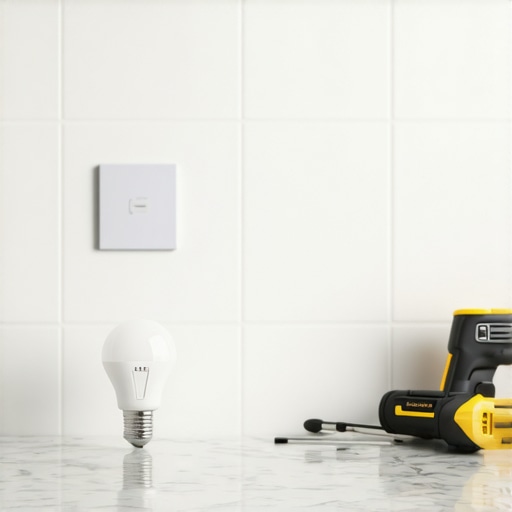
On the flip side, a smart switch is the structural solution. By replacing the control point at the wall, you keep the ‘brains’ in a fixed location designed for heat dissipation. However, this is where the mid-century nightmare begins. Most homes built between 1960 and 1980 used shallow plastic or metal boxes. When you try to cram a bulky smart switch—which is twice the size of a standard toggle—into a box filled with three-way home run wires, you risk ‘cold creep.’ This is where the physical pressure on the wire causes the metal to slowly deform over time, loosening the connection and inviting an arc. This is why I always recommend a lifetime workmanship guarantee for any smart device installation; you need to know that the guy who tucked those wires in didn’t use a screwdriver to ram them into place like monkey shit into a crack.
The Neutral Wire: The Unsung Hero of Safety
Most smart switches require a dedicated neutral wire to power their internal radio. In older homes, the switch box often only contains a ‘switch leg’ (no neutral). I’ve caught DIYers trying to use the bare ground wire as a neutral—a move we call a ‘widow maker.’ It puts current on the grounding system, turning every metal faceplate and appliance chassis in your kitchen into a potential shock hazard. If your kitchen lacks neutrals, don’t fake it. This is where weekend electrician services can be a gamble; you need someone who understands the National Electrical Code (NEC) requirements for grounded conductors. For those building out a high-tech hub, proper network cable installation should be paired with a dedicated battery backup wiring system to ensure your smart kitchen doesn’t go dark during a brownout.
“All equipment grounding conductors shall be bonded together and connected to the electrical system’s grounding electrode.” – NFPA 70E / NEC 250.8
The Verdict: Why the Switch Wins the Kitchen War
For a kitchen that won’t burn your house down while you sleep, the smart switch is the professional’s choice. It allows for high-wattage loads—essential for kitchen lighting—without the flickering common in smart bulbs. Furthermore, it ensures that your hot tub wiring services or other heavy-draw appliances aren’t competing with ‘dirty’ signals from cheap bulb drivers. If you’re having trouble with your current setup, checking out how electricians tackle troubleshooting for lighting installations can give you an idea of the forensic process we use. We don’t just look at the light; we look at the electrical panel upgrade needs and the integrity of the overhead service drop.
Don’t let a ‘handyman special’ turn your kitchen into a forensic crime scene. Whether you are doing lighting installations or setting up EV charging station setup at home, the rules of physics don’t change. You need warranty backed repairs and a certified journeyman who knows how to use a tick tracer to find a buried junction box before it finds you. If you’re smelling ozone or seeing a flicker, contact us immediately. It’s better to torque a lug today than to call the fire department tomorrow. You can also review our privacy policy regarding how we handle your home data. Remember, electricity isn’t a hobby—it’s a force of nature that’s looking for the easiest way to get to the ground, and you don’t want to be in its path.