The Scent of a Dust-Covered Time Bomb
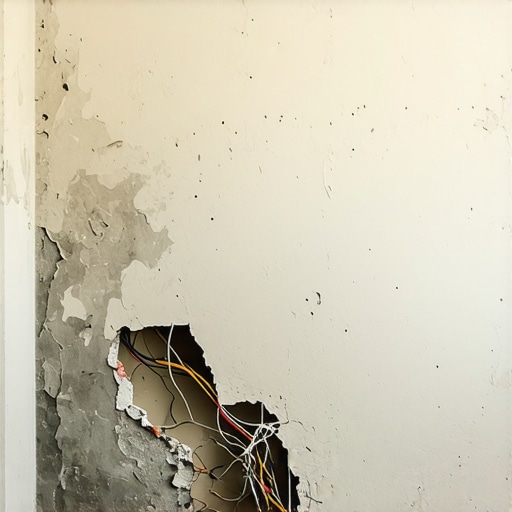
You probably don’t think about the miles of copper threaded through your wall cavities until a light switch starts to hiss or that one outlet behind the couch starts smelling like a burnt fish dinner. In my 35 years as a forensic inspector, I’ve seen more ‘pristine’ vintage homes than I can count, but behind that 1940s lath and plaster, there is often a thermal disaster waiting for a catalyst. We are talking about cloth-jacketed wiring—the grandfather of the modern Romex we use today. It wasn’t built for a world of 4K televisions, high-draw space heaters, and the constant digital hum of a modern household. It was built for a couple of 60-watt bulbs and a radio. When you push modern amperage through these antique conductors, you aren’t just using electricity; you are stress-testing a relic.
The Old Timer’s Lesson: The Sin of the Nicked Copper
My journeyman used to smack my hand if I stripped a wire with a knife back when I was a green apprentice. ‘You nick the copper, you create a hot spot,’ he’d scream over the roar of a generator. He wasn’t just being a mean old man; he was teaching me the physics of failure. That single nick reduces the cross-sectional area of the conductor, increasing resistance at that specific point. In the world of cloth wiring, these nicks are everywhere. Over decades, the rubber insulation under the cloth becomes brittle. If a previous ‘handyman’ messed with a junction box, they likely cracked that insulation, leaving the copper exposed. This creates a high-resistance connection that generates heat—and heat in a wall cavity filled with dry cedar studs and 80-year-old dust is a recipe for a 2:00 AM visit from the fire department.
The Forensic Breakdown: The Physics of Decay
To understand why cloth wiring fails, we have to look at Component Zooming. The insulation on these wires typically consists of a rubber layer wrapped in a cotton braid, which was then dipped in an asphaltic saturant. Over time, the plasticizers in the rubber leach out, a process accelerated by the heat of the current. This leads to ‘dry rot.’ Once the rubber is brittle, any movement—thermal expansion, vibrations from the street, or even a heavy door slamming—causes the insulation to flake off like old bark.
“The insulation on older wiring can become brittle and crack with age, particularly where it has been subjected to high temperatures over long periods.” – CPSC Safety Alert on Older Home Wiring
When the insulation fails, the cotton braid is all that’s left. While cotton is a great wick for oil, it is a terrible dielectric. Eventually, you get a ‘tracking’ fault where electricity begins to crawl across the charred remains of the braid, looking for a path to ground or the other phase. This isn’t a dead short that trips a 1950s-era breaker instantly. It’s a slow, smoldering arc that can reach temperatures exceeding 1,000 degrees Fahrenheit before the overcurrent protection even notices a problem.
Modern Loads and the 100-Amp Struggle
Most of these old systems were never intended for an electrical panel upgrade that handles modern life. If you’ve thought about ensuring safe and efficient EV charging station setup at home, you need to realize that cloth wiring and EV chargers are mortal enemies. A Level 2 charger pulls 32 to 48 amps continuously for hours. That kind of sustained load causes the copper to expand and contract significantly. This thermal cycling loosens the terminal screws on old devices. Once a screw is loose, you get arcing. I’ve pulled out my Wiggy to test circuits and watched the voltage jump 20 volts just because I wiggled the wire. That is a sign of a failing connection that is actively generating heat.
The Hidden Danger of the ‘Bootleg Ground’
One of the biggest scams I see in old home ‘renovations’ is the bootleg ground. Since cloth wiring rarely includes an equipment grounding conductor, flippers will often jump the neutral screw to the ground screw on a new three-prong outlet. To your Tick Tracer or a cheap plug-tester, it looks grounded. But in reality, you’ve just energized the metal chassis of every appliance in that room if the neutral ever fails. This is a Widow Maker setup. If you are doing lighting installations made easy, you must ensure that your architectural lighting is actually grounded. If it’s not, that beautiful metal chandelier could become a live cage if the cloth insulation inside the stem frays.
Why Thermal Imaging and Analysis Matter
We don’t just guess where the problems are anymore. A thermal imaging inspection is the best way to find a ‘hot’ junction box buried behind a wall. We can see the heat signature of a failing splice before it breaks out into a flame. Furthermore, a power quality analysis can tell us if your system is suffering from harmonic distortion or voltage drops that indicate the old wiring is simply choked. If you’re running a business out of an older building, commercial electrical services are vital to ensure your fiber optic cabling and servers aren’t being fried by ‘dirty’ power from ancient conductors.
The Comprehensive Fix: Beyond the Band-Aid
You can’t just put a piece of tape on it. The only real solution for cloth wiring is a full rough-in and trim-out of new copper. This often involves running new home runs back to the panel. During this process, we also recommend an attic fan installation to keep the temperatures down, as excessive heat is the number one killer of wire longevity. For those who live the nomadic life, we even see these issues in old trailers—an RV hookup installation on an old garage circuit is a common fire starter.
“Wiring shall be installed in a neat and workmanlike manner, ensuring all connections are secure and insulation is intact.” – NFPA 70: National Electrical Code
We always suggest a priority service membership to our clients so they get annual inspections. We check the smoke detector installation, verify the torque on your lugs, and make sure no one has used monkey shit to hide a bad penetration. Whether it’s a simple repair or a massive project, how electricians tackle troubleshooting for lighting installations often begins with verifying that the wire itself isn’t the enemy. Sleep at night knowing your house isn’t just standing—it’s safe. Use your dikes to cut the old stuff out and start fresh.
Comments
One response to “The hidden fire risk of keeping original cloth wiring in your walls”
This article highlights some critical issues that many homeowners overlook, especially with vintage wiring systems. I lived in an old house for years before recognizing the danger, and I wish I had gone for a thermal imaging inspection sooner. The fact that cloth wiring can develop tracking faults over decades really emphasizes the importance of regular maintenance and upgrades, particularly if you’re planning to add high-power devices like EV chargers. I find it interesting how the cotton braid acts as a wick for oil, potentially leading to dangerous arcs—something I’d never considered before. Has anyone here experienced a situation where a simple inspection or upgrade prevented a potential fire? I think annual checkups should be more widely promoted for older homes—I’d love to hear about others’ experiences or tips on ensuring safety with vintage electrical systems.