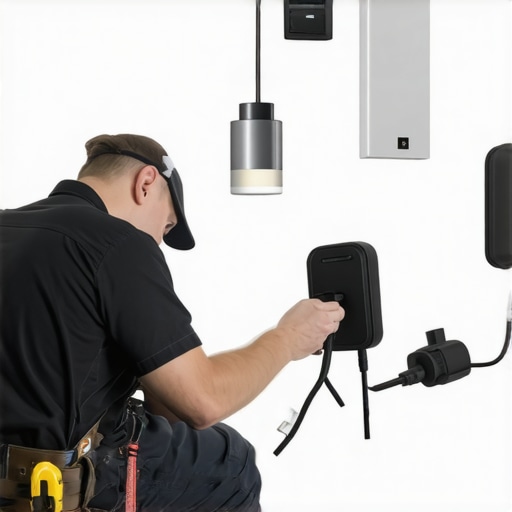
It was late one evening when I reached for my garage light switch—nothing happened. That familiar flick of the switch, and usually a warm glow, felt like a slap in the face. Turns out, I had overlooked some basic but crucial troubleshooting tips, and my frustration grew as I realized how many homeowners face the same puzzling issues with their lighting and EV chargers. Have you ever been in that moment where your charger refuses to start, or your lights flicker unpredictably? If so, you’re not alone. Today, I want to share with you some expert-backed top electrician tips that have turned my and my clients’ troubleshooting nightmares into straightforward repairs.
Why Proper Troubleshooting Is Your Best Home Improvement Ally
Troubleshooting electrical problems isn’t just about quick fixes; it’s about ensuring safety, saving money, and avoiding potential hazards. In fact, the National Fire Protection Association reports that faulty wiring and electrical issues are responsible for thousands of home fires annually. That’s a staggering reason to master the essentials of troubleshooting your lighting and EV charging setups. When I first started, I made a costly mistake—ignoring the power source and jumping straight to replacing parts. It was a waste of time and almost dangerous. From that experience, I learned that a methodical approach, grounded in understanding common issues, makes all the difference.
Is Relying on DIY Troubleshooting Actually Safe?
Many homeowners feel tempted to tinker with their electrical systems, thinking it a simple matter of replacing a fuse or tightening a loose wire. But I’ve seen firsthand how a small mistake, like misidentifying a circuit breaker or not turning off power before inspecting, can lead to serious accidents. The key is knowing when to troubleshoot yourself and when to call in a licensed professional. For detailed guidance, you can check out [this trusted electrician’s advice](https://reliableelectricpro.com/expert-home-electrician-advice-resolve-ev-charger-lighting-issues-fast). Now, with that in mind, let’s explore the practical steps to start diagnosing your lighting and EV charging issues safely and effectively.
Check Your Power Source Before Anything Else
Whenever I faced lighting flickers or EV charger issues, my first move was to verify the main power supply. Imagine your home’s electrical system as a water pipeline—if there’s no flow upstream, downstream appliances won’t function. I advise turning off the main breaker, then inspecting whether the switch is properly engaged and the circuit breaker hasn’t tripped. Use a voltage tester or multimeter to confirm power availability at outlets and charger stations. I once discovered a tripped breaker that had gone unnoticed for days, causing persistent charging failures. Regularly testing your power source helps prevent wasted time on unnecessary repairs and ensures safety. For detailed methods, visit this guide.
Inspect Connections and Components Carefully
Next, examine the wiring connections at the fixture or charging station. Think of wiring like the veins supplying vital blood; loose or corroded connections cut off the flow, leading to flickering lights or charging errors. Turn off power before inspecting to avoid risks. Look for signs of wear, burnt marks, or loose terminal screws. I once fixed a flickering chandelier by tightening a loose wire nut—what a relief! Use a multimeter to check continuity and confirm secure connections. Remember, improper handling can be dangerous; if unsure, consult a trusted electrician.
Test and Replace Faulty Components
If the wiring looks solid but issues persist, the components themselves might be at fault. Switch out bulbs or replace faulty switches to see if that restores function. For EV chargers, inspect the charging cable and ports for damage or dirt. I once replaced a worn-out contactor in a light fixture, which resolved flickering immediately. Always follow manufacturer guidelines for replacement parts, and verify that new components are compatible with your system. This proactive approach prevents future failures and extends the lifespan of your equipment. For tips on maintaining your EV charger, visit this resource.
Use Testing Devices to Isolate the Issue
To diagnose elusive problems, employ testing devices like multimeters or circuit analyzers. Think of these tools as medical scanners—they reveal hidden issues. For example, I used a multimeter to identify voltage drops caused by undersized wiring. Proper testing helps pinpoint whether the problem lies with the breaker, wiring, or appliances. If testing shows irregular readings, upgrade wiring or switch to higher capacity breakers. Be cautious—misinterpretation can lead to dangerous mistakes. If you’re uncomfortable with testing, consider consulting a professional; safety comes first. For comprehensive troubleshooting techniques, refer to this guide.
Prioritize Safety to Prevent Risks
Always remember, electrical troubleshooting carries risks. Before starting, shut off the main power, wear insulated gloves, and use tools with proper ratings. I once worked on a faulty outdoor outlet where water intrusion caused corrosion; turning off power saved me from shocks. Confirm that all systems are de-energized before proceeding. If repairs seem complicated or involve major wiring, don’t hesitate to contact a licensed electrician. A small mistake can lead to fires or electric shocks. For safety tips during DIY troubleshooting, check this expert advice.
Know When to Call a Professional
Despite your best efforts, some issues require expert intervention. If troubleshooting reveals persistent faults, signs of wiring damage, or if you’re unsure about handling high voltage, reach out to trusted electricians. Their experience can identify hidden problems invisible to the untrained eye. Remember, safety isn’t worth risking over amateur repairs. For trusted professionals in your area, visit this contact page. Mastering these steps transforms troubleshooting from guesswork to effective action, ensuring your home remains safe, efficient, and reliable.Many homeowners believe that installing or troubleshooting lighting fixtures and EV chargers is straightforward, but in my experience, several misconceptions can lead to costly mistakes. A prevalent myth is that once the initial installation is done professionally, no further attention is needed—yet, hidden nuances often emerge over time, especially related to electrical loads and compatibility issues. For instance, many assume that a higher wattage bulb will simply increase brightness without considering the wiring capacity, which can cause overheating or fire hazards. To avoid these pitfalls, understanding the subtle interplay between electrical components is crucial. For example, using a multimeter to check voltage consistency across outlets can reveal hidden wiring problems that a simple visual inspection might miss. Additionally, there’s a misconception that EV chargers are fully compatible with any electrical system, but in reality, many homes require upgrades to circuits or breakers to handle the increased load safely—something many overlook. Learning to distinguish between superficial fixes and underlying issues is vital; for deeper insights, check this expert guide.
A common trap is rushing into repairs without isolating the problem thoroughly, which can lead to recurring failures or safety risks. For example, replacing a faulty switch without testing the circuit’s integrity may only provide a temporary fix. Advanced troubleshooting techniques, such as inspecting wiring continuity and verifying breaker ratings, can save time and ensure safety. Remember, electrical problems often mimic simple issues but stem from complex causes like incompatible components or degraded wiring. As I always emphasize, consulting trusted electrical resources and professionals can prevent many mishaps—learn more about safe installation practices here.
So, what most people get wrong about lighting and EV chargers is the assumption that superficial fixes suffice, neglecting the nuanced understanding of electrical systems. Recognizing these hidden layers and addressing them proactively can spell the difference between a safe, reliable setup and a dangerous oversight.
How Can You Future-Proof Your Electrical System Against Evolving Technology
Investing in adaptable wiring and circuit elements that accommodate future upgrades is often overlooked. As EV technology advances, charging stations demand higher power levels, and lighting systems become smarter, your existing infrastructure may become inadequate if not designed with foresight. According to electrical safety standards, planning for future loads and load balancing is essential to avoid costly reworks later. For example, installing dedicated circuits for high-demand devices ensures seamless operation without overloading existing wiring. This proactive approach involves more than just immediate compliance; it entails understanding emerging trends and ensuring your electrical system retains flexibility. To explore this concept further, see this resource on future-proof electrical planning.
Have you ever fallen into this trap of ignoring future needs? Share your experiences below, and let’s discuss how to stay ahead in electrical safety and efficiency.
Keep It Working: Tools I Recommend for Long-Term Electrical Reliability
Maintaining your lighting fixtures and EV chargers over time requires more than just understanding wiring; it demands the right tools that enable precise diagnostics and safe repairs. In my own experience, investing in quality equipment not only saves time but also ensures safety and maximizes the lifespan of your electrical systems. One tool I always recommend is a digital clamp meter, especially models like the Fluke 323. This device allows me to measure current without disconnecting wires, making it invaluable for quick assessments of whether circuits are overloaded or if the charger is drawing abnormal current, which could signal underlying issues.
Another game-changer is a non-contact voltage tester. I rely on the Klein Tools NCVT-3, which lets me verify the presence of power rapidly before I start working, eliminating the risk of accidental shock. When working with EV chargers, a multimeter with high accuracy becomes essential; I prefer the Fluke 115 for its dependable readings and durability. These devices help me troubleshoot problems efficiently and prevent potentially dangerous mistakes.
Beyond hardware, software diagnostics have gained prominence. For smart lighting systems, I use proprietary app-based tools that interface with the fixtures directly, providing real-time data on connectivity issues or firmware outdatedness. Keeping firmware up to date, as recommended by trusted electrical guides, is vital for system stability.
Long-term results depend on regular maintenance and correct calibration of tools. For example, periodically verifying that my multimeter is calibrated ensures measurement accuracy over time. Scheduled checks, much like preventive health in medicine, can catch problems early before they escalate into costly repairs or safety hazards.
Looking ahead, I predict that the integration of smart diagnostic tools will become standard, allowing homeowners to run basic tests remotely via dedicated apps. While the future holds many exciting innovations, mastering current essential tools remains the foundation for reliable electrical maintenance. I encourage you to try incorporating a high-quality clamp meter and non-contact tester into your toolbox; these simple additions can dramatically improve your troubleshooting efficiency and safety. For comprehensive maintenance insights, check this resource.
The Hardest Lesson I Learned About Lighting and EV Charger Troubleshooting
Early in my career, I assumed that replacing faulty components would solve most problems. But I quickly realized that rushing into repairs without a thorough diagnosis often led to recurring issues and safety risks. Taking the time to understand the root cause — from checking the power source to testing each connection — made all the difference.
How Overconfidence Can Cloud Safe Troubleshooting
Many homeowners believe that a simple fix, like tightening a loose wire or swapping a bulb, will resolve the issue. I used to fall into this trap, dismissing the importance of proper testing. It wasn’t until I learned to trust my diagnostic tools and follow a methodical process that I gained confidence and avoided dangerous mistakes.
The Power of Regular Maintenance and Staying Informed
I’ve come to see troubleshooting as an ongoing practice rather than a one-time fix. Regularly testing circuits, updating firmware on smart lighting, and understanding the capacity of your electrical system can prevent emergencies. Staying informed through trusted guides, like this expert advice, keeps me ahead of potential issues.
Curated Recommendations for Long-Term Reliability
To maintain robust electrical systems, I rely on certain tools and resources. A high-quality multimeter, like the Fluke 115, is essential for accurate diagnostics. Non-contact voltage testers from Klein Tools offer quick safety checks. For troubleshooting smart lighting and EV chargers, I recommend exploring comprehensive guides at this trusted resource. These have saved me countless hours and ensured safe repairs.
Remember, You’ve Got the Power to Make Electrical Troubleshooting Safer and Simpler
When approached with patience and the right knowledge, troubleshooting lighting and EV chargers becomes a manageable task. Embrace continuous learning, invest in quality tools, and never hesitate to consult professionals when in doubt. Your efforts now will lead to a safer, more efficient home in the long run. Focus on mastering the basics, and you’ll build confidence that lasts.
What’s Your Biggest Lighting or EV Charging Challenge? Share Below!
Have you ever struggled with identifying a wiring issue or safely upgrading your system? Let me know your experiences and questions — let’s learn from each other to make electrical troubleshooting a less daunting task.
,