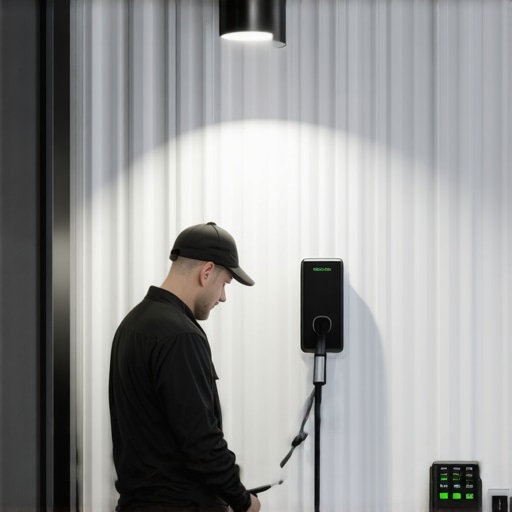
Ever been in the middle of a cozy evening, only to have your lights flicker or your electric vehicle charger suddenly stop working? I’ve been there. One moment, everything’s fine, and the next, I’m scrambling to figure out what’s gone wrong. That light flicker? Turns out, it was a loose connection. The EV charger issue? A simple circuit overload. It’s frustrating because these problems seem to pop up out of nowhere, and before you know it, your entire evening is disrupted. I remember the first time I faced these issues — I felt completely lost, unsure whether to call an electrician or just try to fix it myself. Now, after years of troubleshooting and learning from my mistakes, I want to share some proven tips that will help you identify and resolve common lighting and EV charging problems yourself, safely and efficiently.
Why Troubleshooting Electrical Problems Matters More Than Ever
In today’s world, reliable lighting and EV charging stations aren’t just conveniences — they’re essentials. With the rise of electric vehicles, a malfunctioning charger can throw a big wrench in your plans. And faulty lighting can compromise your home’s safety, especially at night. According to a study by the National Electrical Code, improper installation or maintenance can increase the risk of electrical fires by up to 40%. That’s a number I take seriously because I’ve seen how small mistakes can turn into big hazards. The good news? Many of these issues are fixable with a bit of know-how and the right safety precautions. But here’s the catch — making a mistake early on can lead to bigger, more expensive problems later. I’ll share some of the most common pitfalls I encountered and how you can avoid them, setting you up for a safer home and a smoother charging experience.
Is DIY Troubleshooting Actually Safe and Worth It?
When I first started tinkering with my home’s electrical system, I made the mistake of ignoring the importance of turning off the power at the breaker. That nearly led to a shocking accident — literally. Since then, I’ve learned that safety always comes first. If you’re unsure or uncomfortable, it’s best to consult a professional. But for many minor issues, a little knowledge and the right tools can go a long way. Want to learn how to troubleshoot your lighting or EV charger without risking your safety? I’ll walk you through the essential steps and tips that I wish I knew from the start. Ready to become a troubleshooting pro? Let’s dive into the basics so you can fix common issues confidently and keep your home safe.
Switch Off Power Before You Start
Always turn off the circuit breaker that supplies power to the affected area. I learned this the hard way when I accidentally touched a live wire while inspecting my faulty EV charger. Turning off the power is like putting a safety lock on your tools — it prevents shocks and makes troubleshooting safer. Confirm the power is off by testing with a voltage tester before proceeding.
Inspect Connections Carefully
Loose or corroded connections are common culprits. I once found a loose wire in my lighting fixture that caused flickering. Use a screwdriver to tighten all terminal screws and check for signs of corrosion or burn marks. If you notice any, clean or replace the damaged parts. Remember, a firm connection is like a strong handshake — it ensures stability and proper function.
Test the Circuit Components
Identify faulty parts by testing with a multimeter. For lights, check the switch, bulb socket, and wiring continuity. For EV chargers, test the outlet and internal fuses. I replaced a blown fuse in my EV charger, which immediately restored reliable charging. Think of this step as a health check-up — it reveals whether parts are still fit for duty.
Check for Overloads and Tripped Breakers
Overloading circuits is a frequent issue. I once overloaded my garage circuit with multiple devices, causing frequent trips. Breakers trip to protect your wiring. Reset the breaker after ensuring you aren’t exceeding the load capacity. Distribute devices across different circuits if needed.
Verify Voltage and Power Supply
Use a voltage tester or multimeter to confirm your supply voltage matches the standard (usually around 120V or 240V). Low or fluctuating voltage can cause flickering or charging issues. I had to call an electrician when I found inconsistent voltage levels, which indicated a broader supply problem.
Consult the User Manuals and Troubleshooting Guides
Refer to manufacturer instructions for specific troubleshooting steps. Many issues are common and well-documented. For EV chargers, check out this guide for detailed tips. Manuals often include troubleshooting flowcharts that help you pinpoint problems quickly.
When to Call a Professional
If you encounter persistent issues, sparks, burning smells, or if you’re uncomfortable, stop troubleshooting immediately. Electrical work can be dangerous. Contact a licensed electrician through our contact page. Remember, safety is always more important than a quick fix.
< >
>
Many homeowners approach electrical troubleshooting with good intentions but often fall into misconceptions that can hinder their effectiveness or compromise safety. Let’s dig deeper into some of these myths and explore the nuances that even seasoned DIYers might overlook. Understanding these details can save you time, money, and potentially dangerous mistakes.
Why Most People Overlook the Importance of Proper Circuit Assessment
A widespread misconception is that simply resetting a breaker or replacing a fuse will solve persistent issues. However, this approach can mask underlying problems such as wiring faults, overloaded circuits, or deteriorated components. For example, repeatedly resetting a breaker that trips due to an overload can cause heat buildup and increase fire risk. Advanced troubleshooting involves analyzing the entire circuit load and identifying the root cause rather than just treating symptoms. For instance, using a multimeter to verify consistent voltage levels across outlets and understanding the load capacity of your circuits helps prevent future failures. You can find detailed guidance on this process in top electrician tips.
Common Myths That Could Cost You
One prevalent myth is that all electrical problems require complex, professional intervention. While many issues do require licensed electricians, many minor problems like loose wiring or corroded connections can be safely handled with proper precautions. The key is recognizing when a problem exceeds your skill level. For example, assuming that a flickering light bulb is simply a bad bulb ignores potential wiring issues behind the fixture. In fact, many advanced faults stem from improper grounding or damaged conductors, which can be hazardous if not correctly diagnosed. Always verify connections and test components thoroughly before replacing parts or calling in the pros. Remember, safety should always come first, and consulting a reputable resource like expert electrician tips helps you distinguish minor fixes from serious hazards.
Make the Most of Your Troubleshooting Skills
For those seeking to elevate their troubleshooting game, understanding the hidden nuances is crucial. For example, voltage fluctuations can be caused by issues outside your home, such as utility supply problems, which are often overlooked. Testing voltage stability over time can reveal patterns that point to broader supply issues, rather than wiring faults. Additionally, understanding the difference between series and parallel circuits can help diagnose why certain outlets or fixtures behave inconsistently. This insight is especially useful when dealing with complex lighting arrangements or multiple EV chargers on a single circuit. To master these subtleties, I recommend reviewing troubleshooting electrician tips that delve into circuit complexities beyond basic checks.
Have you ever fallen into this trap or overlooked a crucial detail? Let me know in the comments, and share your experiences. Remember, a nuanced understanding of electrical systems isn’t just for professionals — it’s a vital skill for any homeowner aiming for safety and reliability.
How Do I Keep My Electrical System Running Smoothly Over Time
Maintaining your home’s electrical system is like caring for a high-performance engine; regular checkups and the right tools can prevent costly breakdowns. One of my go-to tools is a high-quality digital multimeter. I prefer the Fluke 117 because of its precision and durability. It allows me to quickly verify voltage levels, check continuity, and diagnose issues without guesswork. For example, when troubleshooting a flickering light, I use the multimeter to confirm if voltage drops are happening, which often points to wiring issues or overloads that need addressing.
Another vital piece of equipment I rely on is a circuit breaker tester. This device helps me ensure that breakers trip at the correct current threshold, which is critical for safety and preventing electrical fires. I recommend the Klein Tools Breaker Tester because of its reliability and ease of use. Regular testing of breakers—say, every six months—can reveal aging components that might fail unexpectedly.
Keeping your system clean and free from dust and debris is surprisingly effective. I use a compressed air canister to blow out junction boxes and panel interiors, preventing dust buildup that can cause overheating or corrosion. Additionally, I keep a set of insulated screwdrivers and wire strippers. Using insulated tools minimizes the risk of shocks when working on live circuits, even if you’ve turned off the main panel for safety.
Looking ahead, I believe the trend in electrical maintenance will lean heavily toward smart diagnostics. Smart circuit breakers that communicate with your smartphone are already emerging, allowing real-time monitoring and early warning of potential issues. Investing in these systems now can save you headaches and money down the line.
Best Practices to Keep Your System in Top Shape
How do I maintain my electrical system over time? First, schedule regular inspections—ideally once every year—either by a licensed electrician or using professional-grade tools if you’re qualified. During these inspections, check all outlets, switches, and visible wiring for signs of wear, corrosion, or overheating. If you notice any discoloration or melting, address it immediately.
Next, keep an eye on your circuit breakers and fuses. If a breaker trips frequently or if fuses blow repeatedly, it indicates an underlying problem that needs professional attention. Also, avoid overloading circuits by spreading out high-power devices across multiple outlets or circuits, which can be verified with a load tester.
For long-term reliability, consider upgrading older wiring to modern standards, especially in homes built before the 1980s. Modern wiring not only improves safety but also supports the demands of smart appliances and EV chargers. For detailed advice on this, check out top electrician tips.
Finally, document any repairs or upgrades. Keeping a maintenance log helps identify recurring issues and plan proactive interventions. Remember, the key to a reliable electrical system is consistent vigilance and using the right tools. Try implementing a routine check with your multimeter and breaker tester this month—it’s a small step that makes a big difference in the long run.
The Hardest Lesson I Learned About Home Electrical Troubleshooting
One of my biggest lightbulb moments was realizing that many electrical issues stem from simple causes like loose connections or overloaded circuits. I used to think every problem required a professional, but I learned that with patience and the right tools, I could handle many minor repairs myself. This not only saved me money but also boosted my confidence in maintaining my home’s safety.
Three Myths About Electrical Troubleshooting That Held Me Back
First, I believed all flickering lights meant a bulb that needed replacing—turns out, wiring issues are often the culprit. Second, I thought resetting a tripped breaker was a fix-all; in reality, it’s a sign of underlying problems that need attention. Third, I assumed upgrading my wiring was unnecessary unless I saw visible damage—older wiring can cause serious hazards even when it looks fine. Busting these myths helped me troubleshoot more effectively and keep my home safer.
What Experts Won’t Tell You About Troubleshooting Electric Problems
One thing I discovered from professional electricians is that systematic testing with a multimeter is essential. Guesswork can lead to overlooking critical faults, especially with complex circuits like EV chargers. Also, understanding the difference between series and parallel wiring helped me diagnose inconsistent lighting behavior. These insights make troubleshooting not just easier, but safer and more accurate.
Curated Resources for Confident Troubleshooting
My essential toolkit includes a high-quality multimeter like the Fluke 117, which provides precise readings and durability. I trust the Klein Tools Breaker Tester for verifying circuit breaker performance—it’s simple and reliable. For learning more, I recommend the comprehensive guides on troubleshooting EV chargers and lighting installation tips from experts. These resources have helped me build confidence and improve my troubleshooting skills significantly.
Take Action and Keep Your Electrical System Running Smoothly
Your home’s electrical health depends on regular checkups and a proactive approach. I encourage you to invest in a good multimeter and breaker tester—these tools are game changers. Schedule annual inspections, keep your wiring clean, and spread out high-power devices to prevent overloads. Remember, caring for your electrical system isn’t just about fixing problems; it’s about ensuring safety and peace of mind for the future. Start today, and you’ll be surprised at how much control you can gain over your home’s electrical safety!