
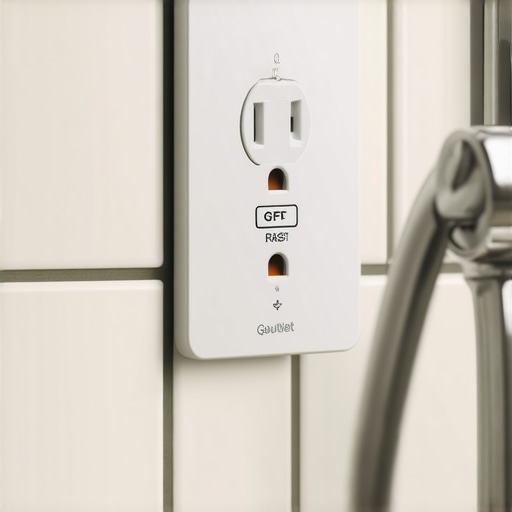
The Old Timer’s Lesson: Why Copper Never Forgives
My first journeyman used to say, ‘The moment you treat a circuit with anything less than terror, you’re already a dead man walking.’ I remember him swatting my hand away from a 20-amp circuit when I was still green. He didn’t use a Wiggy to check it first; he just knew by the smell of the dust burning on the insulators. ‘You see that nick in the insulation?’ he asked, pointing to a piece of old Romex. ‘That’s a leak waiting to happen. Electricity is a lazy dog; it’s always looking for the easiest way home, and if you’re standing in a puddle, that home is your heart.’ He was right. That lesson is the foundation of why the National Electrical Code (NEC) keeps getting stricter. It isn’t about making life hard for contractors; it’s about the forensic reality of how many people have been cooked because of a 5-milliamp imbalance.
The Anatomy of a Ground Fault: Why the Code Had to Change
For decades, we only worried about GFCI (Ground Fault Circuit Interrupter) protection in the obvious spots: bathrooms and kitchen counters. But the physics of electrical failure don’t stop at the sink’s edge. A ground fault occurs when the current leaking out of the hot wire finds an unintended path—like through a human or a damp concrete floor—instead of returning through the neutral. We’re talking about ‘Carbon Tracking’ and ‘Inductive Coupling.’ Over time, moisture and dust create a semi-conductive bridge across insulators. The latest NEC updates recognize that modern appliances, including high-draw devices like a level 2 EV charger or a basement sump pump, are prone to these invisible leaks. When we talk about troubleshooting EV chargers, we often find that the surge of current reveals weaknesses in the existing infrastructure that a standard breaker would ignore until it’s too late.
“Ground-fault circuit-interrupters shall be installed in a readily accessible location… for all 125-volt through 250-volt receptacles supplied by single-phase branch circuits.” – NEC 210.8(A)
The Expanding Perimeter: 250-Volt Receptacles and Outdoor Equipment
The biggest shift in recent code cycles is the expansion to 250-volt circuits. In the old days, your dryer or your range didn’t need a GFCI because they were ‘hardwired’ or ‘stationary.’ But forensic investigations showed that people were getting shocked while moving appliances or during maintenance. Now, if you’re installing a 400 amp service entrance to accommodate a massive workshop or a home expansion, every outdoor outlet and even your HVAC disconnect needs to be scrutinized. This includes the high-amperage feeds for spa grounding services. When you’re sitting in a tub of water, you are essentially a giant capacitor. If the bonding isn’t perfect and there’s a micro-leak from the pump motor, a standard breaker won’t trip. You need a GFCI to sense that tiny 4-6 milliamp difference and kill the power in less than 25 milliseconds.
The Danger of the ‘Handyman Special’ and Bootleg Grounds
In my 35 years, I’ve seen some horrors. I’ve walked into commercial electrical services jobs where a ‘maintenance guy’ used a ‘bootleg ground’—tying the neutral to the ground screw on a receptacle to fool a Tick Tracer. This is a death trap. It makes the metal casing of every tool plugged into that circuit ‘live’ if the neutral fails. This is why certified journeyman services are non-negotiable. Whether it’s a simple chandelier installation in a high-ceiling foyer or a complex main disconnect services overhaul, the torque on the lugs matters. If you don’t use a calibrated torque screwdriver, you invite ‘Cold Creep.’ Aluminum and copper expand at different rates; a loose lug creates resistance, resistance creates heat, and heat creates a fire that doesn’t care about your insurance policy.
“Aluminum wire connections can overheat and cause a fire without tripping the circuit breaker.” – CPSC Safety Alert 516
Modern Demands: EV Chargers, Christmas Lights, and Heavy Loads
We are living in an era of unprecedented electrical demand. Between Christmas light services that pull thousands of watts across exterior gutters and homeowners wanting financing electrical upgrades for a smarter home, the old 100-amp panel is a relic. If you’re planning an EV charging station setup, you’re adding a continuous load that runs for hours. That kind of heat will find every loose connection in your Rough-in. The NEC now requires GFCI protection for these chargers in many jurisdictions because the risk of a cable being nicked or a connector getting wet is too high. It’s the same logic for bonded insured electrical work on outdoor lighting; water is the ultimate conductor, and it will eventually find its way into the junction box. If you’re struggling with flickering or tripped breakers, you should look into lighting installation troubleshooting to see if a ground fault is the hidden culprit. If your home still relies on a ‘Widow Maker’ panel from the 70s, it’s time to contact a professional for a safety audit.