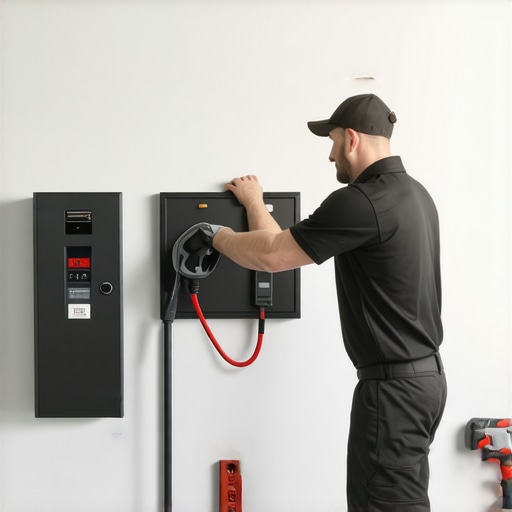
Getting Started: My Journey into Electrical Troubleshooting
Ever since I decided to upgrade my home’s lighting and install an electric vehicle (EV) charger, I realized the importance of having reliable electrician tips. My first attempt at installing new lighting fixtures was a bit daunting, but with some guidance from seasoned electricians, I learned how crucial proper troubleshooting is for safety and efficiency. Sharing my personal journey, I hope to shed light on the practical steps I took and the lessons I learned along the way.
Why Lighting Installations Can Be Tricky
Lighting installation may seem straightforward, but I quickly discovered that even minor mistakes could lead to safety hazards or faulty wiring. I turned to expert resources like this comprehensive electrician guide to understand best practices. From choosing the right fixtures to ensuring secure connections, having professional tips made my process smoother and safer.
Facing EV Charger Troubles? Here’s What I Learned
Installing an EV charger at home was a game-changer for me, but troubleshooting issues was a new challenge. I found that common problems like power outages or charging failures often stem from simple wiring issues or incompatible outlets. Consulting expert EV troubleshooting tips helped me identify the root causes and fix problems efficiently. It’s reassuring to know that some troubleshooting steps are manageable even for homeowners with basic electrical knowledge.
What Are the Most Common Lighting and EV Charging Problems?
Through my experience, I realized that many issues boil down to loose connections, faulty switches, or outdated wiring. Regular maintenance and inspections can prevent most problems. I also learned the importance of adhering to safety standards, which you can read more about in this safety-focused article.
If you’re considering installing or troubleshooting your lighting or EV charger, I highly recommend consulting professional electricians. They can ensure your system is safe and compliant with regulations. And if you run into issues, remember that many troubleshooting steps are documented and accessible online—saving time and expense.
If you have your own experiences or tips, I invite you to share your insights in the comments below. Connecting with others who are navigating similar electrical projects can be invaluable!
Unlocking the Secrets to Efficient Electrical Troubleshooting
As an experienced electrician, I know that troubleshooting electrical problems isn’t just about fixing symptoms—it’s about understanding the underlying causes to ensure safety and long-term reliability. Whether you’re dealing with flickering lights or charging disruptions in your EV setup, a methodical approach can make all the difference. One of the first steps is to verify your power supply, ensuring your circuit breakers haven’t tripped or fuses blown. Sometimes, simple resets restore proper function, but persistent issues require deeper inspection.
How Can I Systematically Diagnose Lighting and EV Charger Problems?
Start by checking connections—loose wires are a common culprit. Use a multimeter to test voltage levels at outlets and switches, ensuring they match standard requirements. If you find irregular readings, it might indicate faulty wiring or damaged components. For EV chargers, it’s crucial to confirm compatible outlets and proper grounding, as incompatible or ungrounded circuits can cause charging failures. Consulting trusted resources like professional troubleshooting guides can help identify specific issues related to your model and setup.
In my experience, regular inspections and maintenance prevent many issues before they escalate. Tightening loose connections, replacing worn switches, and updating outdated wiring can significantly improve system stability. When in doubt, professional electricians can perform comprehensive diagnostic tests, ensuring your home’s electrical system remains safe and compliant with current standards.
Why Do Some Electrical Faults Persist Despite Basic Fixes?
Electrical faults often have complex roots, such as hidden corrosion, damaged insulation, or overloaded circuits. For instance, a flickering light may be caused by a loose connection in the fixture or switch, but it could also stem from a deteriorated wire splice behind the wall. Similarly, EV charging issues might be due to a faulty circuit breaker or incompatible electrical components. Recognizing these nuances requires experience and a keen eye for detail.
To delve deeper into these challenges, I recommend exploring this comprehensive troubleshooting guide. It provides step-by-step procedures tailored for homeowners and professionals alike, emphasizing safety and precision. Remember, safety always comes first—if you’re unsure about working with high-voltage systems, it’s best to consult licensed electricians.
How Can I Prevent Future Electrical Troubles in My Home?
Proactive maintenance is essential. Regularly inspecting your electrical panels, testing GFCI outlets, and updating outdated wiring can save you from unexpected failures. Consider implementing surge protectors and installing smart circuit monitors to detect anomalies early. These measures not only enhance safety but also extend the lifespan of your electrical systems.
Additionally, educating yourself about your home’s electrical layout and the specific requirements of your appliances and EV chargers is invaluable. For instance, knowing the difference between dedicated circuits and shared ones helps prevent overloads. If you’re planning significant upgrades or new installations, consulting with qualified electricians ensures all work adheres to the latest safety standards—more details can be found in this expert guide.
In my professional opinion, the key to effective troubleshooting is a combination of systematic diagnosis, ongoing maintenance, and seeking expert advice when necessary. Sharing your own experiences or asking questions in online communities can also provide practical insights and support.
Are you curious about the latest tools and techniques used by electricians for troubleshooting? Feel free to explore more at this resource or share your insights in the comments below. Connecting with others on similar electrical journeys can foster knowledge and confidence in maintaining a safe, efficient home electrical system.
Reflections on the Hidden Nuances of Electrical Troubleshooting
Over the years, as I’ve immersed myself in the world of electrical systems, I’ve come to appreciate that troubleshooting is much more than just fixing visible issues. It’s about understanding the subtle clues that systems give us—like faint flickers, unexplained noises, or inconsistent voltage readings—that often point to deeper, more complex root causes. In my experience, these nuances can be the difference between a quick fix and a recurring problem that undermines safety and efficiency.
Why Advanced Diagnostics Are Essential for Long-Term Reliability
One lesson I’ve learned is that relying solely on basic checks can sometimes lead to overlooked issues. For example, using a multimeter to verify voltage is a good start, but advanced diagnostics—like thermal imaging or circuit analyzers—can reveal hidden hotspots or overload points that are not immediately apparent. I recall a time when a seemingly simple flickering light was traced back to a deteriorated connection behind a wall, which was only detected after employing an infrared camera. This experience underscored how investing in sophisticated diagnostic tools can save time and prevent future failures.
How Do I Approach Complex Troubleshooting Scenarios?
My approach involves a systematic process: first, I isolate the problem area, then verify each component’s integrity step-by-step, and finally, consider external factors such as wiring age, load distribution, and environmental influences. It’s akin to detective work—each clue leads to the next step. For instance, when troubleshooting EV charging issues, I don’t just check the outlet; I confirm proper grounding, inspect circuit breakers, and verify compatibility with the vehicle’s specifications. Consulting authoritative resources like this comprehensive troubleshooting guide has been invaluable for tackling such complex cases.
What Are the Most Overlooked Factors That Lead to Persistent Electrical Faults?
From my perspective, one common overlooked factor is the quality of installation itself. Poor wiring practices, such as inadequate grounding or loose splices, often cause intermittent faults that can be elusive. Additionally, environmental conditions—like moisture or temperature fluctuations—can accelerate deterioration of components, leading to failures long after installation. Recognizing these subtleties requires an experienced eye and a willingness to look beyond the obvious. My advice is to always prioritize thorough inspections and consider long-term factors rather than quick fixes.
For those interested in expanding their understanding, I highly recommend exploring this expert article, which delves into the latest safety standards and troubleshooting techniques that can make your electrical systems more resilient.
How Can I Cultivate a Mindset for Proactive Electrical Maintenance?
Building a proactive mindset involves viewing your electrical system as a living organism that needs regular checkups. I schedule periodic inspections, keep records of any repairs or upgrades, and stay informed about new safety standards and technological advancements. For example, integrating smart monitoring devices that alert you to anomalies can help catch issues before they escalate. This approach not only enhances safety but also extends the lifespan of your electrical infrastructure. Sharing my experiences, I’ve found that consistent vigilance pays off in peace of mind and long-term savings.
If you’re eager to learn more about the latest tools and techniques for proactive maintenance, explore this resource which offers practical tips from seasoned electricians.
Encouraging Community and Personal Growth in Electrical Troubleshooting
Finally, I believe that the journey of mastering electrical troubleshooting is ongoing. Engaging with online communities, sharing your challenges, and learning from others’ experiences can accelerate your growth. I’ve personally benefited from forums and expert blogs, where detailed case studies often reveal insights that textbooks can’t. If you’ve faced a tricky problem or discovered a clever workaround, I invite you to share your story in the comments or reach out via contact page. Together, we can build a more knowledgeable and safety-conscious community.
Unveiling Hidden Faults: The Power of Infrared and Circuit Analysis
In my journey through intricate electrical issues, I have come to rely heavily on advanced diagnostic tools like thermal imaging cameras and circuit analyzers. These devices have transformed my approach, enabling me to detect subtle hotspots and overloads that traditional multimeters might miss. For example, I recall a case where flickering lighting was traced back to deteriorated connections behind the wall, identified only after employing infrared imaging. Such precision tools are indispensable for diagnosing hidden faults, ensuring safety, and prolonging the lifespan of electrical systems.
Integrating Comprehensive Diagnostic Protocols for Long-Term Reliability
Developing a systematic diagnostic protocol has been crucial. I start with verifying power supply stability, then proceed to scrutinize connections, switches, and components with specialized equipment. External factors like environmental conditions and load distribution are also assessed. Adhering to standards outlined in authoritative guides such as this safety-focused resource helps maintain high diagnostic accuracy. Regular maintenance schedules incorporating these advanced techniques significantly reduce recurring faults and enhance overall system resilience.
Addressing Overlooked Factors Contributing to Persistent Faults
Through my extensive experience, I’ve identified that overlooked factors like environmental degradation and subpar installation practices often underpin persistent issues. Moisture ingress, temperature fluctuations, and poor grounding techniques can accelerate wear and tear, leading to elusive faults. Recognizing these requires a seasoned eye and a comprehensive inspection approach. For example, inspecting for corrosion or loose splices behind panels can prevent future failures. Exploring this detailed troubleshooting guide provides valuable insights into diagnosing such complex scenarios.
Fostering a Culture of Proactive Electrical Maintenance and Learning
To cultivate a proactive mindset, I advocate for continuous education and routine inspections. Integrating smart monitoring devices that alert to anomalies can preempt catastrophic failures. Documenting repairs and upgrades creates a knowledge base that informs future troubleshooting, fostering a culture of ongoing learning. Sharing experiences, especially from complex cases, encourages community growth and collective expertise. I invite you to explore and share your insights or ask questions on my contact page. Engaging with a community of knowledgeable enthusiasts accelerates mastery and safety in electrical systems.
Harnessing the Power of Expert Guidance for Complex Troubleshooting
When facing particularly stubborn issues, consulting authoritative resources and seasoned professionals is invaluable. For instance, this expert guide offers step-by-step procedures tailored for complex EV charger problems. Additionally, collaborating with licensed electricians ensures that diagnostic findings translate into safe, lasting solutions. Remember, advanced diagnostics and professional collaboration are the cornerstones of achieving long-term reliability and safety in electrical systems.
How Can I Incorporate Emerging Technologies to Elevate Troubleshooting Precision?
Integrating emerging technologies like AI-powered diagnostic tools and IoT sensors presents exciting opportunities. These innovations can analyze data trends, predict potential failures, and provide real-time alerts, dramatically reducing downtime. For example, AI algorithms can identify patterns in voltage fluctuations that precede faults, enabling preemptive action. Staying updated on these advancements, as discussed in latest industry reports, empowers electricians and homeowners alike to elevate their troubleshooting capabilities. I encourage you to explore these cutting-edge tools and consider how they might fit into your maintenance strategy.
If you’re eager to deepen your understanding of advanced troubleshooting techniques or share your own experiences, I welcome you to engage with me. Together, we can push the boundaries of electrical safety and efficiency, ensuring your systems operate flawlessly and securely for years to come.
Things I Wish I Knew Earlier (or You Might Find Surprising)
Hidden Clues Are Your Best Friends
Early on, I underestimated the power of subtle signs like flickering lights or slight buzzing. These are often the first hints of underlying issues, and paying attention to them can save you from bigger problems down the line.
The Value of Regular Maintenance
Scheduling routine inspections might seem tedious, but I’ve found that proactive checkups can catch issues before they become costly repairs. A small investment in time saves a lot of headaches later.
Tools Are More Than Just Multimeters
While multimeters are essential, exploring advanced diagnostic tools like thermal cameras can reveal hidden hotspots and wiring problems that are impossible to detect with basic checks.
Complex Faults Often Have Simple Roots
Many persistent issues stem from loose connections or outdated wiring. Digging deeper and understanding common causes can streamline troubleshooting and prevent recurring faults.
Don’t Hesitate to Consult Professionals
Even as an enthusiast, I learned that some problems are best left to licensed electricians. Their expertise ensures safety and compliance, especially for critical systems like EV chargers.
Resources I’ve Come to Trust Over Time
- Electrical Safety Foundation International (ESFI): Their guidelines and safety tips are comprehensive and easy to understand, making them a go-to resource for safe electrical practices.
- IEEE Xplore Digital Library: For in-depth research and standards, this platform offers authoritative papers and standards that have expanded my understanding of electrical systems.
- Electrical Code Manuals (NEC): The National Electrical Code provides essential safety standards and installation practices that every homeowner should familiarize themselves with.
- Professional Electrician Forums: Online communities like Electrician Talk offer real-world advice, troubleshooting stories, and support from experienced electricians—highly recommended for practical insights.
Parting Thoughts from My Perspective
Reflecting on my journey into electrical troubleshooting, I realize that patience, continuous learning, and attention to detail are key. Whether you’re dealing with lighting issues or EV charger problems, understanding the underlying causes is crucial for long-term reliability and safety. Don’t forget—regular maintenance and knowing when to seek professional help can make all the difference. If this resonates with you, I’d love to hear your thoughts or experiences. Feel free to share and connect, as learning from each other makes the process more manageable and safer for everyone.
Reading through this detailed post really resonated with my own journey into home electrical projects. I remember my initial attempt at installing fancy lighting fixtures, which felt overwhelming at first. Thankfully, I found that breaking down the troubleshooting process into manageable steps, like checking connections with a multimeter, made a big difference. What struck me most was the emphasis on regular inspections and understanding the root causes of common issues like loose wiring or faulty switches. I’ve noticed that even small efforts like tightening connections or updating outdated wiring can prevent bigger headaches later on. My experience aligns with the importance of proactive maintenance and using advanced tools like thermal cameras to spot hidden hotspots. Have others used infrared imaging in their troubleshooting routines? I’d love to hear how it has helped! Overall, this piece underscores the value of patience, continuous learning, and knowing when to call in professionals—elements I’ve found essential for long-term electrical safety and reliability.
This post really hits home for me, especially the importance of systematic troubleshooting and regular inspections. In my experience, I’ve found that keeping a detailed maintenance log has been invaluable for catching issues early before they escalate. Also, I discovered that upgrading older wiring not only improves safety but often resolves intermittent faults that were tricky to diagnose. I’m curious, has anyone tried integrating smart diagnostic tools like IoT sensors to monitor their systems remotely? I’ve seen these emerging technologies help catch problems proactively, especially in harder-to-access areas. It makes me wonder, how do other DIY enthusiasts balance investing in high-tech diagnostics versus traditional approaches? I believe combining both could be the key to achieving long-term reliability, especially for complex setups like EV chargers and home lighting. Would love to hear more about your experiences—any particular tools or methods that you’ve found especially effective in your troubleshooting routines.
Reading through this post really made me reflect on my own experiences with troubleshooting electrical issues at home. I particularly resonate with the importance of systematic diagnostics and the value of using advanced tools like thermal imaging cameras to uncover hidden faults. I’ve encountered situations where seemingly simple flickering lights were caused by deteriorated connections behind the walls, which only became apparent after employing infrared technology. It’s fascinating how much more effective troubleshooting becomes when we combine traditional methods like multimeters with high-tech solutions. Additionally, I’ve found that keeping a detailed service log helps track recurring problems and plan maintenance proactively.
My question is, how do others manage the cost and learning curve associated with adopting these advanced diagnostic tools? Do you think investing in such equipment is practical for the average homeowner, or is it better left to professionals? I’d love to hear your thoughts or tips on integrating new tech into regular home electrical maintenance routines.