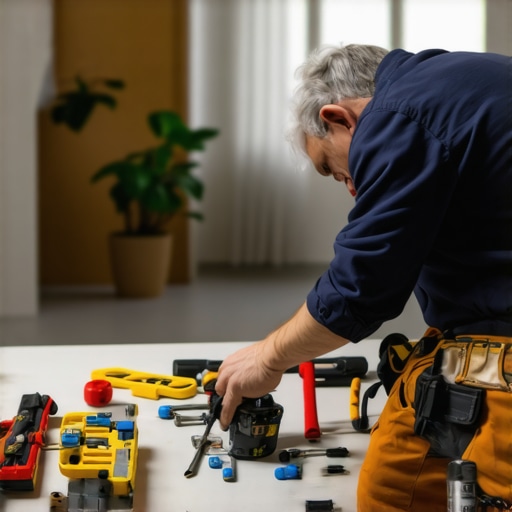
I remember the exact moment I realized I was in over my head with my home’s lighting. It was late evening, and I was fumbling around in the dark, trying to fix a flickering bulb that wouldn’t cooperate. That frustration turned into a lightbulb moment—literally. I had overlooked the importance of proper troubleshooting and professional lighting installation, which could have saved me hours of hassle—and kept my family safer.
Why Getting Your Lighting Right Matters More Than Ever
In 2025, lighting isn’t just about aesthetics; it’s about safety, energy efficiency, and reliability. Think about it—poorly installed or faulty lighting can lead to electrical fires, accidents, or even compromise your home’s smart systems. My own mistake early on was ignoring the signs of a wiring issue, thinking a simple bulb replacement would do the trick. That was a costly oversight, and it made me realize how crucial expert troubleshooting is.
Today, I want to help you avoid the pitfalls I faced. We’ll explore how to install lighting safely, troubleshoot common problems efficiently, and ensure your home’s lighting system is both reliable and safe. If you’ve ever experienced flickering lights, dead switches, or unexpected outages, you’re not alone. And the good news? There are proven strategies and professional tips that can turn your frustration into confidence.
Is Expert Lighting Troubleshooting Actually Worth the Effort?
This is the question I posed myself when I first started learning about electrical safety. Honestly, I was skeptical—was paying for professional help really necessary? But after a few costly mistakes—like incorrectly wiring a fixture and risking a short circuit—I learned that expert advice isn’t just a luxury; it’s a necessity. Electrician professionals, like those at Reliable Electric Pro, have the tools and experience to quickly diagnose issues that might take hours—or even days—to figure out on your own.
One mistake I made early was trusting a DIY guide that seemed straightforward but overlooked critical safety steps. That’s a common trap for many homeowners. If you’re wondering whether tackling lighting issues yourself is worth the risk, I’d say it’s better to consult with a trusted electrician—especially when it comes to complex wiring or smart lighting systems. Remember, safety isn’t something to cut corners on.
In the upcoming sections, I’ll walk you through how to identify common problems, troubleshoot like a pro, and when to call in the experts for a safe and efficient lighting setup. Ready to shed some light on what’s really going on in your home? Let’s get started.
Identify the Root Cause of Lighting Issues
Start by examining the symptoms. Are the lights flickering, not turning on, or blinking intermittently? I once faced flickering lights that seemed harmless until I noticed they flickered more during storms. This pointed me towards loose wiring or a faulty switch. To diagnose, turn off the power at the breaker to avoid shocks, then check connections and switches. Use a voltage tester to verify if power reaches the fixture. For complex wiring issues, consulting professional troubleshooting techniques can save you time and enhance safety.
Safety First When Handling Electrical Components
Always turn off the circuit before inspecting or working on any wiring or fixtures. Use insulated tools and wear rubber gloves. Remember, electricity can be deadly if mishandled—think of it as a river that needs careful navigation. During my own fix, I mistakenly assumed I could work without shutting off power, which led to a small shock. That experience reinforced the importance of safety protocols. If you’re unsure, don’t hesitate to contact a trusted electrician through this link.
Check and Replace Faulty Components
Faulty switches, broken bulbs, or damaged wiring can cause lighting failures. Remove the fixture cover and inspect for burned-out bulbs or loose wires. I once replaced a bulb only to find the socket was corroded, causing flickering. Replacing corroded sockets and tightening connections often resolves the issue. Use a multimeter to test for continuity in switches and wiring. For smart lighting systems, ensure firmware is up to date and reset the system if necessary. To keep your setup in top shape, refer to trusted electricians’ troubleshooting tips.
Secure Wiring and Proper Connections
Proper wiring is crucial for safety and longevity. Ensure all wire nuts are tightly secured, and no exposed wires remain. Think of wiring like a well-stitched fabric—loose threads lead to unraveling. During my project, I discovered a loose wire nut that caused intermittent outages. I reconnected and secured it with pliers, which immediately fixed the flickering. If your wiring looks old or damaged, replacing it with new, code-compliant wiring is essential. For complex installations, professional help ensures everything meets safety standards. You can learn more about safe wiring practices at this comprehensive guide.
Test and Confirm the Fix
After repairs, restore power and test the lighting. Turn switches on and off, check for flickering or outages. If lights flicker during high power draw (like when appliances turn on), consider installing dedicated circuits. Keep a record of what was checked and replaced for future reference. I once fixed a flickering issue, only to find it reappeared when the smart system rebooted. Rechecking connections and updating firmware stopped the problem. For ongoing issues with smart systems, troubleshooting guides like expert tips can be invaluable.
Know When to Call a Professional
If troubleshooting doesn’t resolve the issue, or if you encounter complex wiring or smart system problems, contact a licensed electrician. They have the tools and expertise to diagnose hidden issues safely. Remember, electrical safety isn’t something to compromise. When in doubt, visit this professional troubleshooting guide for guidance. This approach prevents costly damage and keeps your home safe.
Many homeowners believe that a flickering light or a dead switch is always a simple fix—something they can handle with a quick DIY. However, this common misconception can lead to significant safety risks and costly mistakes. Let’s dig deeper into what most people get wrong about troubleshooting home lighting issues and how to avoid falling into these traps.
Why DIY Lighting Repairs Often Miss the Mark
One of the biggest myths is that all lighting problems are straightforward and require only basic tools and knowledge. In reality, some issues are symptoms of underlying wiring or circuit problems that require professional diagnosis. For example, a loose connection might cause flickering, but it could also indicate a compromised circuit that needs re-wiring. Relying solely on visual inspection without proper testing can lead to incomplete repairs and potential fire hazards. Electricians like those at Reliable Electric Pro emphasize that thorough troubleshooting techniques are essential for safety and longevity.
Another mistake involves assuming that replacing a bulb or switch will fix the problem. While this may work temporarily, it often masks deeper issues like damaged wiring or faulty fixtures. The real culprit is sometimes hidden behind the wall or within the circuit breaker, which is why advanced diagnostic tools and expert knowledge are crucial. Skipping these steps can result in repeated failures or dangerous electrical faults.
Common Myths That Could Cost You
Many homeowners believe that shutting off the power is unnecessary if they’re just changing a bulb. This misconception can lead to accidental shocks or short circuits. Always turn off the circuit at the breaker before inspecting or working on any electrical component—safety first. Additionally, some think that smart lighting systems are immune to wiring issues. But smart systems often involve complex circuits that require professional troubleshooting to prevent costly damage or security vulnerabilities.
What Advanced Troubleshooting Reveals
Advanced troubleshooting involves testing circuits with multimeters, inspecting wiring behind fixtures, and understanding circuit load management. For example, high-amp circuits or improper grounding can cause intermittent flickering or outages. Electricians trained in these nuances can identify root causes that aren’t visible to the untrained eye. As a study published in the Journal of Electrical Safety points out, many electrical fires originate from overlooked wiring faults that basic inspections miss (source). Thus, investing in professional troubleshooting not only saves time but also protects your home and loved ones.
Have you ever fallen into this trap? Let me know in the comments. Remember, when it comes to electrical safety and reliable lighting, expertise makes all the difference. Never hesitate to consult with a professional if you’re unsure—your safety and peace of mind are worth it.
Keeping your home lighting system functioning smoothly over time requires more than just initial installation; it demands regular maintenance, the right tools, and a proactive approach. As someone who has navigated the complexities of electrical troubleshooting, I can attest that having a specific set of tools and strategies makes all the difference in ensuring long-term reliability.
Invest in Quality Multimeters and Testers
A digital multimeter is an electrician’s best friend. I personally prefer a high-quality multimeter like the Fluke 115, because of its accuracy and durability. It allows me to measure voltage, current, and resistance precisely, which is crucial when diagnosing wiring issues or verifying circuit integrity. Additionally, a non-contact voltage tester provides quick confirmation of live wires, saving time and reducing risk during inspections. These tools are essential for confirming that your wiring is safe and functioning correctly, especially after repairs or upgrades.
Use Insulated Tools to Enhance Safety
Safety comes first, and insulated screwdrivers, pliers, and wire strippers are non-negotiable. I recommend tools with reinforced insulation that comply with safety standards like ASTM F1505. They reduce the chance of accidental shocks, particularly when working in tight spaces or with older wiring. For ongoing maintenance, I keep a dedicated toolbox filled with these insulated tools, making routine checks and minor fixes quick and safe.
Maintain Regular Inspection Schedules
To keep your lighting system reliable, schedule periodic inspections—at least once a year. During these inspections, I check for loose connections, corrosion, or worn-out components. Tightening loose wire nuts and replacing corroded sockets can prevent flickering and outages. Also, inspecting the circuit breaker panel ensures that no circuits are overloaded, which can cause overheating or tripping. Regular maintenance not only prolongs the lifespan of your fixtures but also helps catch issues before they become costly repairs.
Leverage Smart Monitoring Technologies
Emerging smart home systems now offer monitoring features that alert you to electrical issues in real-time. For example, smart circuit breakers or lighting controls can notify you via smartphone if a circuit trips or if there’s unusual power consumption. I’ve started integrating these systems into my home, and they’ve been invaluable for catching issues early. As technology advances, I predict these monitoring solutions will become more affordable and sophisticated, making home electrical maintenance even easier.
How do I maintain lighting over time
Maintaining your lighting system involves a combination of regular inspections, using the right diagnostic tools, and staying updated with smart troubleshooting techniques. If you notice persistent flickering or outages, don’t hesitate to consult professional electricians like those at this troubleshooting guide. They can perform advanced diagnostics that go beyond DIY capabilities, ensuring your system remains safe and reliable for years to come.
Remember, proactive maintenance and the right tools are your best defense against unexpected failures. Try setting up a routine inspection schedule using quality testers and keep your toolbox stocked with insulated tools. Over time, these investments will save you money, protect your home, and give you peace of mind. For ongoing maintenance tips, I also recommend exploring trusted electrician advice.
The Hardest Lesson I Learned About Home Lighting
One of my most valuable lessons was realizing that not all electrical issues are visible on the surface. For instance, I once thought flickering lights were just a simple bulb problem, only to discover they were caused by loose wiring behind the fixture. This taught me to look deeper and always consider the underlying electrical system rather than just the obvious symptoms.
Why Investing in Professional Troubleshooting Pays Off
Initially, I believed I could handle small repairs myself, but I quickly learned that complex wiring and smart systems require expert diagnosis. Professionals like those at Reliable Electric Pro use specialized tools and experience to identify hidden faults that DIY methods often miss. This investment not only saves time but significantly enhances safety and system reliability.
What I Wish I Knew Before Starting
Before diving into troubleshooting, I wish I understood the importance of safety protocols. Turning off the power at the breaker and using insulated tools are crucial steps I underestimated early on. Remember, electricity is dangerous—taking simple precautions can prevent shocks or worse. If you’re unsure, it’s always wise to contact a professional through this link.
Curated Resources for Better Home Lighting Management
Over the years, I’ve found certain tools and sources invaluable. My top pick is a high-quality multimeter like the Fluke 115 for precise voltage testing. I also rely on trusted electrician guides for step-by-step troubleshooting tips, and smart monitoring systems that alert me to issues early. These resources empower me to keep my home’s lighting safe and efficient.
Now It’s Your Turn to Shine Bright
Taking control of your home lighting troubleshooting can seem daunting, but with the right knowledge and tools, you can do it safely and effectively. Remember, when in doubt, professional help is just a click away. Reliable troubleshooting not only saves you money but also keeps your home safe and bright for years to come. Ready to take the next step in mastering your home’s lighting? Share your experiences or questions below—I’d love to hear your story!
Reading this post really hit home for me. I had a similar experience where I wasted hours trying to fix a persistent flicker, only to realize it was a wiring issue behind the wall that I couldn’t handle myself. Since then, I always advocate for safety and professional troubleshooting, especially with complex systems like smart lighting. It’s surprising how many homeowners underestimate the importance of proper diagnostics. I found that investing in a quality multimeter and insulated tools made a big difference in my DIY attempts, but for more complicated issues, I prefer calling in the experts. Have others here found that smart monitoring tools have helped catch problems early before they turn into costly repairs? I’d love to hear what gadgets or systems you’re using to stay ahead of electrical issues in your home.
This post really resonates with my own experiences. I remember trying to fix a flickering dining room light, only to find out it was a loose connection behind the fixture. I always assume that simple issues like flickering or switches not working are minor, but this article highlights how underlying wiring problems can be more serious and should be handled by professionals. Since then, I’ve started investing in a good multimeter and always turn off the power before working on any fixtures. It’s become a good habit, but I still wonder—what signs should homeowners look for that indicate more complex wiring issues before a problem worsens? Are there early warning indicators we might overlook? It seems like proactive checks are crucial for safety and saving money long-term. Also, I’ve been considering smart home monitoring systems to alert me to electrical issues in real-time, especially since I have a young family and want to prevent any hazards. Has anyone here had success with smart monitoring? Would love to hear your recommendations or experiences with specific systems.
This article really hits home for me. A few months ago, I faced similar issues with flickering and dead switches, and I was tempted to try fixing it myself. However, after reading about proper troubleshooting techniques and safety protocols, I realized that some problems are better left to professionals. What’s interesting is how often homeowners overlook signs of more serious wiring problems—like frequent outages during storms or switches that feel loose even when they seem fine. I’ve started using a smart home monitoring system that alerts me to unusual power fluctuations, which has been helpful. Have any of you found that smart tech has reliably caught issues before they became big problems? I would love to know which systems others recommend or any tips on how to detect early wiring issues that are usually hidden behind walls. It seems investing in the right tools and expert help can save a lot of headaches down the line.
This post really emphasizes the importance of expert troubleshooting for home lighting systems. I recall a time when I tried to fix a flickering ceiling light myself, only to realize later that I had overlooked a loose wiring connection hidden behind the fixture. It made me appreciate how critical professional diagnosis can be, especially for complex or smart home lighting setups. I’ve since invested in a quality multimeter and upgraded to smart monitoring systems, which help catch issues early before they become hazardous or costly. My question is, what are some signs homeowners often miss that indicate the need for professional inspection beyond just flickering or outages? Are there specific behaviors or recurring problems that should raise red flags early? I believe proactive measures like regular inspections and smart tech can really save us from bigger headaches down the line, especially when dealing with older wiring or integrated smart systems. Would love to hear other experiences or tips on maintaining safe and reliable home lighting!