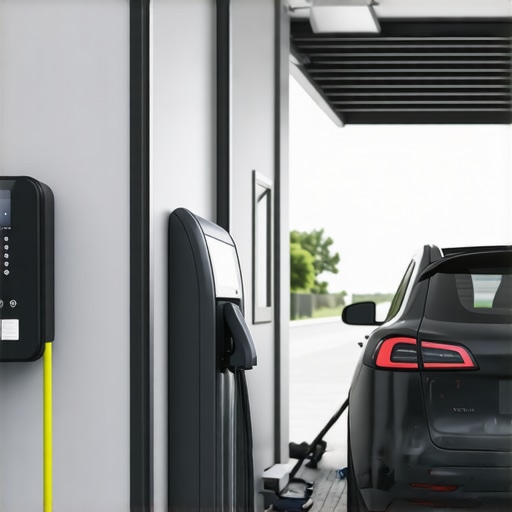
Ever been all set to hit the road, only to find your EV charger refuses to cooperate? I remember the frustration vividly. One chilly morning, I was ready for a long drive, but my charger kept blinking its lights in a confusing pattern. I felt helpless—like I was back to square one in my electric vehicle journey. That moment was a lightbulb for me: troubleshooting your home EV charger isn’t just about fixing problems; it’s about saving time, money, and the stress of unexpected delays.
Why Fixing Your EV Charger Quickly Matters More Than Ever
As more people switch to electric vehicles, the importance of reliable home charging grows. It’s easy to take for granted how seamlessly a charger works until it suddenly doesn’t. A malfunction can mean a missed appointment, stranded vehicle, or worse—damage to your charging setup. According to the U.S. Department of Energy, nearly 80% of EV owners experience charging issues at some point, often due to simple electrical hiccups that could be solved with a little know-how. That’s why understanding basic troubleshooting can turn a frustrating day into a minor bump in the road.
If you’ve faced this problem—your charger blinking, not charging, or showing error messages—you’re not alone. I’ve been there, and I learned that most issues stem from common, fixable causes. Early on, I made a mistake—assuming I needed a new charger right away. Turns out, many problems are simple electrical glitches that I could have fixed myself, if I only knew where to look. That’s what I want to share with you: practical, straightforward tips to get your home charging back on track without waiting for an electrician every time.
Is It Worth the Trouble? My Honest Take
Let me be real—some issues require professional help. But many are minor and can be resolved with a little patience and some basic electrical knowledge. My biggest mistake was overlooking small connections and circuit breaker resets, which caused unnecessary delays. You can avoid that by following trusted advice from experts, like those found in this troubleshooting guide. It’s surprising how often a simple reset or checking your outlet can solve the problem.
So, if your EV charger is giving you trouble, don’t panic. I’ll walk you through the most effective troubleshooting steps, so you can get back to enjoying those scenic drives without worry. Ready to become your own troubleshooting hero? Let’s dive in and make your home charging worry-free again.
Check Your Circuit Breaker First
When my charger suddenly stopped working, the first thing I did was head to my electrical panel. I found the circuit breaker for my garage had tripped, which is a common issue. Resetting it restored power, and my charger started working again. Think of your circuit breaker like a safety valve; if it trips, it cuts off power to prevent damage. Always ensure it’s in the ON position before testing your charger further. If it trips again immediately, that indicates a likely overload or short circuit that needs professional attention.
Inspect the Outlet and Plug Connections
Next, I examined the outlet and plug connections. Loose or corroded connections can cause charging issues. I unplugged the charger and checked for signs of damage or corrosion. Cleaning contacts with a dry cloth and ensuring the plug fits snugly can fix many connection glitches. Imagine your EV charger like a garden hose—if the connection isn’t tight, water (or electricity) can’t flow smoothly. If the outlet looks worn or damaged, replacing it could prevent future problems. For detailed guidance, see this troubleshooting guide.
Verify the Charging Station Settings
Sometimes, the issue isn’t electrical but software-related. I accessed my charger’s app or control panel to check for error messages or incorrect settings. A simple restart or factory reset often resolves minor glitches. Think of it like rebooting your computer—sometimes, that’s all it takes. Consult your charger’s manual for specific reset instructions. Ensuring your firmware is up to date can also prevent compatibility issues that cause charging failures.
Test with a Different Power Source
If your charger still won’t cooperate, I tried plugging it into a different outlet. This step helps rule out outlet-specific problems. I looked for GFCI outlets that might have tripped; resetting these can restore power. Using a different circuit or outlet also isolates the issue. If the new outlet works, the original might be faulty or overloaded. If not, the problem could be with the charger itself, and it’s time to consider professional help.
Use a Multimeter to Check Voltage
For a deeper dive, I used a multimeter to measure the outlet’s voltage. Proper voltage should be around 120V or 240V depending on your system. If the voltage is inconsistent or absent, the outlet or wiring could be faulty. Handling electrical testing tools like a multimeter can be dangerous if you’re inexperienced; in such cases, consult a trusted electrician. To ensure your setup is safe and efficient, review this guide.
Address Common Electrical Faults
If all else fails, inspect the wiring connections inside the charger and the outlet box. Loose or damaged wiring can cause intermittent charging problems. If you notice burnt smell, discoloration, or frayed wires, it’s a sign to call a professional. Remember, dealing with electrical wiring is complex and potentially dangerous; don’t attempt repairs beyond your skill level. Trust a licensed electrician to handle wiring faults, ensuring safety and compliance. Learn more about troubleshooting electrical wiring from this detailed guide.
Schedule a Professional Inspection
Finally, if troubleshooting doesn’t resolve the issue, I contacted a trusted electrician. They performed a thorough inspection and identified a hidden wiring fault that I couldn’t detect myself. Professional diagnostics can save you time and prevent future damage. Remember, some problems are best left to experts, especially when dealing with high-voltage systems or complex wiring. For peace of mind, see this professional advice.
Many homeowners and even some electricians fall into common traps when dealing with EV charging systems or lighting setups, often based on misconceptions or oversimplified advice. Let’s dig deeper into what most people get wrong and the subtle nuances that can make a real difference in ensuring safety, efficiency, and longevity of your electrical investments.
Why the Myth That Resetting the Circuit Breaker Solves All Problems Is Dangerous
It’s a widespread belief that flipping the circuit breaker off and on will fix most issues. While this can resolve certain temporary faults, relying solely on resets masks underlying problems like wiring faults, overloads, or faulty outlets. Repeated resets without proper diagnosis can lead to overheating or electrical fires. Professional electricians often perform comprehensive inspections, including testing wiring integrity, to prevent such risks. For an in-depth approach, see expert troubleshooting tips.
Beware the Oops of Overlooking Grounding and Bonding
A common advanced mistake is neglecting proper grounding and bonding in lighting and EV stations. Improper grounding not only causes malfunction but significantly increases shock hazard. Modern electrical codes emphasize the importance of correct grounding techniques, and many issues arise from overlooked or incorrectly installed grounding paths. Skimping on this step is a trap that can lead to severe safety consequences. Consult lighting installation troubleshooting guides for best practices.
How to Handle Advanced Electrical Faults Without Falling into the Trap
Some faults, like intermittent power loss or inconsistent lighting, are caused by hidden wiring issues, loose connections, or faulty switches. These problems are often misdiagnosed as simple bulb or device failures. The nuance lies in using tools like multimeters correctly and understanding wiring color codes, circuit loads, and voltage stability. A common trap is misinterpreting voltage fluctuations as a sign of normal operation when they could indicate deteriorating wiring or overloaded circuits. Experts recommend regular diagnostics and preventive maintenance, such as detailed maintenance tips.
What About Lighting and EV Installations at Different Voltage Levels
Many assume that standard household voltage (120V) is always sufficient for lighting or EV chargers. But high-power devices often require 240V, and using the wrong voltage can cause equipment failure or safety hazards. It’s a common mistake to install a 120V outlet where 240V is needed, or vice versa. Advanced electricians carefully verify circuit specifications and use specialized tools to test voltage levels before installation. This nuanced understanding can prevent costly rework or dangerous conditions. For detailed insights, check this guide.
Have you ever fallen into this trap? Let me know in the comments. Remember, electrical work is complex, and knowing these hidden nuances can save you time, money, and safety concerns. When in doubt, consulting a trusted electrician is always the safest approach.
Keeping Your Electrical Systems Running Smoothly with the Right Tools
Maintaining your home’s EV charger and lighting installations isn’t just about troubleshooting problems; it’s about ensuring long-term reliability and safety. Over the years, I’ve refined my toolkit to include specific, high-quality instruments that help me diagnose and resolve issues efficiently. The key is to invest in tools that are precise, durable, and user-friendly, allowing you to perform regular maintenance and catch potential faults early.
My Go-To Multimeter for Accurate Voltage Checks
When it comes to electrical troubleshooting, a reliable multimeter is non-negotiable. I personally use the Fluke 115 True RMS Multimeter because it provides highly accurate readings, even on complex circuits. Its ability to measure AC/DC voltage, current, and resistance with precision helps me identify wiring issues or voltage fluctuations that could affect my EV charger or lighting system. Regularly testing your outlets and circuits with a quality multimeter prevents small issues from escalating into costly repairs.
Using Infrared Thermometers to Detect Overheating
Overheating wiring or connections can be silent killers, leading to fire hazards or equipment failure. An infrared thermometer like the Etekcity Lasergrip 774 allows me to scan connections and outlets for hotspots without physical contact. Spotting elevated temperatures early can indicate loose connections or overloaded circuits, prompting me to take action before serious damage occurs. Incorporating this simple check into your routine can dramatically improve safety and longevity.
Smart Monitoring Devices for Long-Term System Health
Today’s smart electrical monitors, such as Sense or Emporia, offer real-time insights into your home’s electrical consumption. I’ve integrated a Sense monitor, which connects directly to my electrical panel and provides detailed data on circuit activity. This helps me spot unusual spikes that might indicate wiring faults or inefficient lighting. Over time, these insights allow me to optimize my system, schedule preventive maintenance, and avoid unexpected outages.
How do I maintain my electrical systems over time?
The future of electrical maintenance is leaning heavily towards automation and smart diagnostics. Regularly scheduled inspections, combined with monitoring tools, ensure your systems stay reliable. Additionally, keeping your firmware and software updated on smart devices helps prevent compatibility issues. To stay ahead, I recommend subscribing to updates from trusted sources like this troubleshooting guide and scheduling annual professional inspections. Don’t forget, safety always comes first—if any readings or signs seem off, consult a licensed electrician for a thorough check.
Try integrating a multimeter and a smart monitoring device into your maintenance routine today. These tools aren’t just for troubleshooting—they’re an investment in the safety, efficiency, and longevity of your home’s electrical systems. Keep your systems reliable, and enjoy peace of mind knowing you’re prepared for the long haul.
The Hardest Lesson I Learned About EV Charger Troubleshooting
One of my biggest surprises was realizing how often simple issues like a tripped circuit breaker or loose connection are the root cause of charging problems. I used to think I needed expensive replacements, but a little patience and basic checks often saved me a lot of money and hassle. This experience taught me to always start with the fundamentals before calling in a professional.
Why Proper Grounding Can Save Your Life and Your Equipment
Early in my journey, I overlooked the importance of correct grounding during lighting and EV charger installs. It’s not just about passing inspection; improper grounding can lead to dangerous shock hazards and frequent malfunctions. Once I prioritized proper grounding techniques, my system became not only safer but more reliable, proving that good practices make a big difference.
What I Wish I Knew About Voltage Levels Before Installing
Assuming household voltage is always enough is a common mistake. I learned the hard way that high-power EV chargers and lighting fixtures often require specific voltage levels. Using the wrong voltage can damage equipment or cause safety issues. Consulting trusted resources and verifying your setup beforehand can prevent costly rework and ensure safety.
Curated Resources to Boost Your Electrical Know-How
For anyone serious about maintaining their EV charger and lighting systems, I recommend this comprehensive lighting installation guide. It provides step-by-step instructions that demystify complex wiring and safety protocols. Additionally, this troubleshooting guide is invaluable for quick fixes and long-term maintenance. Tools like the Fluke 115 multimeter and smart home monitors have also transformed how I keep my system safe and efficient, making diagnostics faster and more accurate.
Your Next Step: Take Control and Stay Safe
Troubleshooting your EV charger and lighting may seem daunting at first, but with the right knowledge and tools, you can become your own electrical hero. Regular checks, proper maintenance, and understanding common pitfalls will extend the lifespan of your systems and keep your home safe. Don’t wait for a problem to become urgent—start implementing these tips today and enjoy worry-free power at home.
What’s the most surprising thing you’ve learned about electrical troubleshooting? Share your story below and let’s learn from each other’s experiences!
,