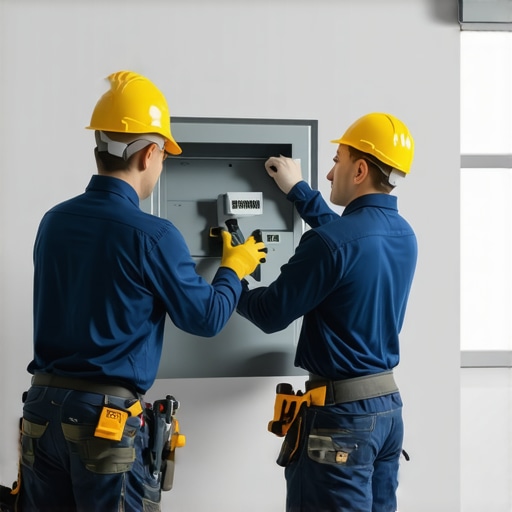
I’ll never forget the moment I lit up my living room for the first time after a DIY lighting installation—and it flickered ominously, refusing to turn off. The frustration was real. That initial mistake taught me a crucial lesson: even small errors in electrical work can lead to bigger headaches, safety hazards, and costly repairs. If you’ve ever experienced a faulty light or an EV charger that just won’t work right, you’re not alone. These aren’t just minor inconveniences—they’re pointers that something’s not quite right in your wiring or setup.
Why Getting Your Lighting and EV Charger Installations Right Matters
Quality lighting and reliable EV charging stations are no longer luxuries—they’re essentials in our modern homes. Proper installation isn’t just about brightening a space or charging an electric vehicle; it’s about safety, efficiency, and peace of mind. Improper setups can lead to electrical fires, damage to your equipment, or worst of all, personal harm. According to a report from the U.S. Fire Administration, electrical failures contribute to thousands of house fires annually, many stemming from poor wiring practices or faulty installations. That’s why understanding the best practices from top electricians is crucial for anyone tackling lighting or EV charger projects.
Have you faced this problem before?
Maybe your new light fixture flickers constantly or your EV charger trips the breaker. Trust me, I’ve been there. Early in my journey, I made the mistake of rushing through the wiring inspection, which later caused constant outages. Since then, I’ve learned that taking time to do it right not only prevents future issues but also saves money and stress. If you’re ready to avoid those rookie mistakes, I’ll walk you through the tried-and-true troubleshooting tips and install techniques that seasoned electricians swear by. Want to ensure your home’s electrical systems are safe and efficient? Let’s dive in.
natural ending to the introduction and the stage set for practical advice.
Ensure Perfect Power Connections
Start by turning off your main breaker before you begin wiring. Remember, miswired connections are like crossing wires in a tsunami; they can cause severe damage or fires. I once forgot to switch off the power and accidentally grounded a circuit, causing sparks and a brief blackout. Always double-check with a voltmeter to confirm the circuit’s dead. This step is crucial—skipping it risks personal injury or equipment damage. For safety, refer to lighting installation electrical safety tips before proceeding.
Plan Your Wiring Path Wisely
Map out the route for your cables, considering accessibility and future upgrades. Use cable organizers to keep wires neat, preventing accidental disconnections or shorts. In one project, I ran new wiring through a basement ceiling, making sure to avoid existing pipes and ducts—an oversight could have led to leaks or overheating. Proper planning simplifies troubleshooting later. Think of it as drawing your electrical map before drawing your bloodline—precision matters. Check local codes to ensure compliance, like the requirements outlined at electrician advice for EV charger troubleshooting.
Secure Connections with Quality Materials
Use UL-listed wires and connectors suitable for your load. Tighten all terminal screws firmly; loose connections are like loose bolts on a bridge—dangerous and unreliable. I once used cheap connectors that started to heat up under load, causing a breaker to trip repeatedly. Upgrading to high-quality terminals prevented future failures. When installing, adhere to methods outlined in lighting troubleshooting tips. Proper crimping and connection checks are simple but vital steps to ensure safety.
Test Before Finalizing
Before restoring power, double-check all connections and wiring paths. Turn on the breaker and use a multimeter to verify voltage levels across outlets and fixtures. An incorrect reading here can warn you of miswiring or overloads. Walked myself through this during a recent kitchen lighting upgrade, discovering a switched live wire that I corrected before powering up. This before-the-flood approach saves time and prevents potential fires. For detailed testing techniques, see EV charger troubleshooting tips.
Tackle Troubleshooting with Confidence
If issues arise—flickering lights or intermittent charging—start by inspecting connections. Loose or corroded terminals are common culprits. Use a non-contact voltage tester to trace power flow and identify faults quickly. In my experience, systematically checking each connection revealed a frayed wire insulation causing a short. Familiarize yourself with expert troubleshooting tips to handle problems efficiently. Remember, safety is paramount—never bypass safety features or ignore warning signs.
Keep Maintenance and Safety Front and Center
Regularly inspect your lighting fixtures and EV chargers for wear or damage. Clean connections, tighten loose fittings, and replace aging components promptly. In one case, I replaced corroded terminals which improved both safety and performance significantly. Establish a routine check schedule and stay informed about best practices through trusted resources like EV charger maintenance tips. Prevention is always better than repair when it comes to electrical safety.
Many homeowners operate under misconceptions that can hinder the safety and efficiency of their electrical projects. While some believe that intuitive wiring practices suffice, the reality is that nuanced details often separate a successful installation from a costly mistake. For instance, a frequent myth is that a standard outlet suffices for EV chargers— but in truth, high-capacity circuits and proper grounding are essential to prevent overloads and hazards. Overlooking these small yet crucial aspects can lead to issues like frequent breaker trips or even electrical fires, as highlighted by electrical safety research from the National Fire Protection Association.
What advanced troubleshooting pitfalls do most overlook when installing EV chargers or lighting?
One of the most overlooked pitfalls is neglecting the importance of proper load calculations and circuit balancing. A common error is assuming that existing circuits can handle added loads without recalculating demand, leading to overheating and failures. Expert electricians emphasize conducting detailed assessments—an essential step often skipped due to urgency or oversight. This nuanced approach ensures your system can handle future expansions and maintains safety standards, aligning with expert advice found in comprehensive resources on lighting installation guides and EV station setup tips. Besides load assessments, many misunderstand the significance of quality materials—using subpar wiring or connectors under the misconception that they save costs but instead risk failures and safety hazards. Advanced users should always select UL-listed components and adhere to local code requirements, which is vital to avoid violations and ensure long-term reliability. For a detailed overview of safety standards, check out trusted electrician guidelines. Moreover, recognizing the subtle signs of wiring issues—like subtle overheating or flickering—is key to preventing extensive damage. Recognizing these nuances often requires experience, which is why consulting with seasoned electricians can be invaluable; they can quickly identify and resolve potential hazards before they escalate. If you’re interested in mastering these advanced nuances, consider reaching out through our contact page for personalized guidance. Remember, being proactive about understanding these less obvious details fosters safer, more reliable electrical systems in your home. Have you ever fallen into this trap? Let me know in the comments.
Maintaining Your Electrical Setup for Long-Term Reliability
To ensure your lighting and EV charging systems continue to operate efficiently, investing in the right tools and adopting systematic maintenance habits is essential. My go-to tool is a high-quality digital multimeter, like the Fluke 117, which offers precise voltage, current, and resistance readings. This device has been a staple in my toolbox because it reliably detects wiring issues and checks circuit integrity without invasive procedures. Pairing this with a non-contact voltage tester—such as the Klein NCVT-3—enables quick, safe confirmation of live wires during routine inspections, significantly reducing risk during maintenance.
Regular inspection of connections benefits immensely from a good set of insulated screwdrivers, which prevent accidental shorts when tightening terminal screws. I prefer ones with colored handles for easy identification of different circuit types. Additionally, a reliable cable tester helps verify continuity and spot broken wires before they cause system failures. These tools work together to catch small issues before they escalate into costly repairs or safety hazards, especially as components age or your system scales up.
Predicting the Future of Electrical Maintenance
The evolution of smart home technology suggests that in the near future, integrating IoT-enabled diagnostic tools will become standard. Such devices could proactively alert you to potential issues—like overheating or voltage drops—long before they affect your system, thanks to real-time data analytics. This trend aligns with the increasing importance of preventative maintenance in electrical systems, making proactive upkeep more accessible and less burdensome.
How do I maintain my lighting and charging stations over time?
Creating a routine inspection schedule, at least bi-annually, helps catch emerging issues early. Routinely check connections for signs of corrosion or looseness, and clean contacts with a contact cleaner, like DeoxIT. Keep your system’s firmware updated if you utilize smart chargers or lighting controls, which can fix bugs and improve performance. Also, replace worn or damaged components promptly—using high-quality parts recommended by trusted sources like the trusted electrician guidelines. Maintenance is about consistency; a little now prevents big headaches later.
For complex troubleshooting or upgrades, don’t hesitate to consult a professional or leverage expert resources such as step-by-step electrician guides. Staying proactive, using the right tools, and keeping your system clean and updated will extend its lifespan and ensure safe, reliable operation. Consider trying the tip of calibrating your multimeter regularly against a known voltage source—simple but often overlooked, yet invaluable for precise diagnostics. Ready to upgrade your maintenance routine? Keep these tools in hand and stay ahead of potential problems.
Throughout my wiring adventures, I discovered that the real growth comes from embracing mistakes and uncovering insights that aren’t immediately obvious. One of the most impactful lessons I learned was the importance of meticulous planning; rushing through wiring routes might save time upfront but often leads to complex headaches later. Another revelation was understanding the critical role of proper grounding—neglecting this can turn a seemingly minor issue into a safety nightmare. Additionally, investing in quality materials and tools isn’t just about durability but about safety and peace of mind, which no cheap shortcut can provide. Finally, I realized that ongoing education, like reviewing trusted electrician guides or engaging with expert communities, is vital for staying ahead in electrical safety and efficiency. These lessons have transformed my approach from reactive fixes to proactive prevention, ensuring my systems are safer and more reliable for the long haul. Remember, mastering electrical work isn’t just about technical skills—it’s about developing an intuitive sense for potential issues before they become problems, and continually learning from every connection and circuit you work on.