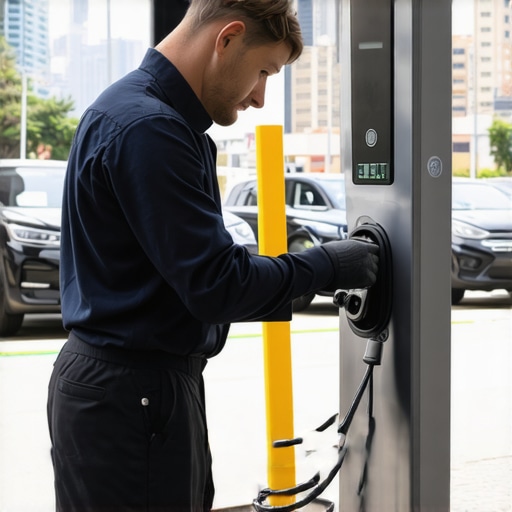
I remember the moment vividly: I reached for my charging cable after a long day, only to feel a jolt run through my hand. It wasn’t the adrenaline rush I expected—more like a stark reminder that home EV charging isn’t always as safe as we think. That little shock was my lightbulb moment, pushing me to dig deeper into the ins and outs of safe EV charger installation and troubleshooting for 2025. If you’ve ever experienced a similar jolt or just worry about the safety of your home charging setup, you’re not alone. Many EV owners underestimate the importance of proper electrical wiring and routine maintenance, risking not just equipment damage but potential hazards to their families.
Why Safe EV Charging Matters More Than Ever in 2025
As electric vehicles become the norm rather than the exception, the demand for reliable and secure home charging stations skyrockets. But here’s the thing—many homeowners skip proper installation or overlook routine checks, assuming everything will work perfectly. The truth? Faulty wiring or subpar components can lead to dangerous situations, including electrical fires or electric shocks. According to the U.S. Fire Administration, electrical failures are a leading cause of home fires, with improper wiring being a significant factor. That statistic kind of jolted me—pun intended—and made me realize that knowledge isn’t just power; it’s safety.
Are you questioning whether your current setup is safe enough? Have you faced flickering lights or inconsistent charging performance? If so, you’re exactly where I was a few months ago. Cutting corners or relying on DIY fixes without expert guidance can be risky. That’s why understanding the essentials of reliable installation and troubleshooting can save you headaches—and more importantly, keep your home safe.
In the following sections, we’ll explore practical, expert-backed tips that demystify the process. From wiring the right way to troubleshooting common issues, you’ll learn how to ensure your EV charging station is not just functional but also safe and compliant with 2025 standards. Ready to get this right from the start? Let’s dive into what makes a safe and efficient home EV charging setup.
Start with a Clear Electrical Plan
Before any installation, map out your home’s electrical capacity. Think of your wiring system as the backbone of a bridge—if it’s weak or overloaded, everything risks collapse. I once attempted to bypass an overloaded circuit to save time, but it resulted in flickering lights and a tripped breaker. That experience taught me to always verify the load capacity and plan a dedicated circuit for your EV charger, similar to how a specialty lane ensures smooth traffic flow. Refer to this guide for detailed planning steps.
Choose the Right Components for Safety and Reliability
Select a high-quality, UL-listed charger suited for your vehicle and compatible with your home’s electrical system. Think of this like selecting the right tool for a precise job—using a generic wrench might strip the bolt, but the right torque wrench ensures safety. During my installation, I opted for a Level 2 charger with built-in surge protection and a proper grounding wire, which prevented potential shocks. Always ensure your wiring uses appropriately rated cables; thin or damaged wires are like frayed ropes that could snap under tension. For more on component selection, review this resource.
Follow Proper Wiring Procedures
Wiring is the foundation of a safe EV charging station. Imagine it as plumbing—correct connections prevent leaks that can cause damage or hazards. I once tried to install wiring without proper color coding, which made troubleshooting after a small fault more complicated. Instead, designate separate high-amperage circuits for your charger, use color-coded wires (black for hot, white for neutral, green or bare for ground), and ensure tight, corrosion-free connections. Use a multimeter to test each connection thoroughly—think of this as a proofread before publishing. For step-by-step wiring techniques, see this guide.
Secure Proper Grounding and Load Balancing
Grounding acts as a safety valve—preventing electric shocks if faults occur. In my setup, I overlooked the grounding wire initially, which caused minor shocks whenever I touched the charger. Proper grounding involves connecting the system to a dedicated grounding rod or grounding bus bar, following local codes. Load balancing ensures your home’s circuits aren’t overloaded—think of it as equally distributing weight on a scale to prevent tipping. Bringing all these elements together involves professional inspection, but you can also use maintenance tips to keep your system in check.
Implement Routine Inspection and Troubleshooting
Regular checks are your best defense against hidden faults. I set monthly reminders to inspect connections, clean dust from components, and test grounding circuits. When troubleshooting, get hands-on with tools like multimeters and circuit testers—imagine them as digital stethoscopes for your wiring system. Common issues like flickering lights or inconsistent charging can stem from loose connections or faulty components. For detailed troubleshooting steps, consult this troubleshooting guide. Always switch off power before inspecting or adjusting wiring—safety first.
Call in Professional Electricians When in Doubt
While DIY can save money, some problems demand expert attention. Think of electricians as experienced surgeons—they can identify issues hidden beneath the surface, like faulty wiring or improper grounding, that might not be visible. I once attempted a repair myself, which led to a short circuit; calling a licensed electrician prevented further damage. Regular inspections by professionals not only ensure compliance with local codes but also protect your home investments. Check here to find qualified electricians near you.
Many homeowners believe that installing or troubleshooting EV chargers and lighting is straightforward, but the reality is far more nuanced. One widespread myth I often encounter is the idea that DIY installation is safe for standard home setups. While some basic tasks might seem simple, overlooking key details like proper grounding or load balancing can lead to serious safety hazards. For instance, I once saw a DIY project where improper wiring caused intermittent power surges, risking both equipment damage and personal harm. These mistakes are often invisible until a fault occurs, making professional guidance crucial.
Are DIY Fixes Actually Saving You Money or Creating Risks?
Contrary to popular belief, attempting to troubleshoot electrical issues without expertise can be more costly in the long run. Professionals follow precise protocols to diagnose faults accurately, minimizing the risk of recurring problems or electrical fires. A study from the Electrical Safety Foundation International highlights that over 60% of electrical fires originate from improperly installed or maintained wiring—don’t fall into this trap. Also, many assume that once a fix appears to work, the problem is resolved; however, underlying issues like poor connections or degraded cables can resurface, risking safety and efficiency. So, always consider the benefits of expert inspection—think of it as preventive medicine for your home’s electrical health—see expert tips on this resource.
Another common misconception is that advanced technology or higher amperage chargers automatically mean safer or more reliable setups. In reality, without proper wiring and load calculations, high-power chargers can overload circuits or cause nuisance tripping. Overlooking this nuance is a frequent mistake. Make sure your system’s capacity aligns with your EV’s requirements and your home’s electrical load—an area where professional advice is invaluable. For comprehensive guidance, explore this guide.
Understanding these subtleties can prevent costly errors and enhance safety. Have you ever fallen into this trap? Let me know in the comments.Maintaining your home electrical systems, especially your EV chargers and lighting setups, is essential for long-term safety and performance. Investing in the right tools ensures that troubleshooting and routine inspections are effective and efficient, saving you time and potential costs. One tool I personally rely on is a high-quality digital multimeter, such as the Fluke 115. Its precision allows me to verify voltage levels, identify wiring faults, and ensure proper grounding—critical steps in maintaining safe and reliable installations. Additionally, a non-contact voltage tester enhances safety by quickly confirming energized circuits before I start any work, preventing accidental shocks. For more complex diagnostics, I recommend using an insulation resistance tester like the Megger MIT520, which helps monitor cable integrity over time, detecting insulation degradation before it results in failure or hazards.
Regular visual inspections are also vital. I keep a detailed checklist based on professional electrician guidelines, like those found in this comprehensive resource. This ensures I don’t overlook loose connections, corrosion, or frayed cables. As technology advances, smart diagnostic tools are emerging—such as wireless circuit analyzers that connect to your phone—making ongoing maintenance more accessible and less intrusive.
Predicting where the future of electrical maintenance is heading, I believe connected devices and IoT integration will become standard. Smart systems will continuously monitor your wiring and charging station, alerting you to issues via apps before they become critical problems. This proactive approach minimizes downtime and enhances safety.
One practical tip I suggest trying is setting up regular remote monitoring if your system supports it. For example, connecting your charger to a smart home hub can provide real-time alerts for voltage fluctuations or faults, enabling prompt action. This kind of proactive maintenance can significantly extend your equipment’s lifespan.
So, if you haven’t already, invest in some reliable diagnostic tools like a high-quality multimeter and explore smart monitoring solutions. These investments will make your routine checks quicker and more accurate, keeping your EV charging and lighting systems functioning safely over time. To dive deeper into proper troubleshooting techniques, consider reviewing this expert troubleshooting guide for practical insights. Start incorporating these tools today, and you’ll see how they can improve your maintenance routine and peace of mind.
What Nobody Tells You About Going Electric
One of the most surprising lessons I learned was the importance of detailed planning—underestimating your home’s electrical capacity can lead to more than just inconvenience, risking safety and compliance. I once skipped a professional load calculation, only to face frequent breaker trips, which reminded me that thorough preparation is key to avoiding costly mistakes.
Why Cutting Corners Can Cost You Big
Attempting DIY fixes without proper tools or knowledge might seem to save money initially, but it often results in recurring issues or dangerous faults. Investing in high-quality diagnostic tools, like a trusted multimeter, has transformed my maintenance routine, making troubleshooting faster and safer. It’s the small investments that pay off in long-term safety, so choose your tools wisely and trust expert guidance.
Embracing Smart Solutions for Peace of Mind
Looking ahead, I see the future of EV charger safety tied to smart technology—connected monitoring systems will notify you of issues before they become hazards. I’ve started exploring smart home integrations that alert me to voltage irregularities, turning routine inspections into proactive safeguards. Incorporating these innovations helps ensure your home stays safe as your electric fleet grows.
My Final Spark of Advice
Don’t wait for that shocking moment—literally or figuratively—to reassess your setup. Continuously educate yourself, use trusted resources, and don’t hesitate to bring in experienced electricians for inspections. Ensuring your EV charging and lighting remain safe isn’t a one-time fix but an ongoing commitment. Remember, safety is an investment, not an expense.
Reading this post really hit home for me, especially the part about routine inspections and proper grounding. Last year, I experienced a minor shock when unplugging my charger, which was a wake-up call regarding the importance of safety protocols. Since then, I’ve invested in a good multimeter and now schedule monthly checks to ensure all connections are tight and corrosion-free. The emphasis on professional inspections resonates deeply because, despite my efforts, I realize some issues are beyond DIY scope. What I found particularly insightful was the future of smart monitoring systems—I’ve been exploring smart home integrations that could alert me to voltage fluctuations or faults automatically. It seems these innovations could really transform maintenance routines, making it easier and safer to manage home charging setups. For anyone still hesitant about routine checks or professional help, I’d say don’t underestimate the risks—investing in proper tools and expert guidance is worth every penny for peace of mind. How are others here balancing cost and safety when it comes to regular maintenance? I’d love to hear different approaches.
This post really highlights some crucial safety points that often get overlooked when setting up home EV chargers. I experienced a similar incident where I felt a mild shock while unplugging my charger; it was a stark reminder that DIY fixes can sometimes be risky without proper knowledge. Since then, I’ve invested in a decent multimeter and started scheduling regular inspections, which has improved my confidence and safety. I’m curious, does anyone here use smart monitoring systems for their chargers? I’ve been thinking about it because technology is advancing so rapidly, and having real-time alerts could prevent some of these issues before they become serious. Also, I’d emphasize the importance of professional inspections, especially when it comes to load balancing and grounding—these are areas where a small mistake could have big consequences. What methods do others find most effective for ongoing maintenance on a budget while still ensuring safety? Would love to hear practical tips from this community.