It was late at night when I first realized something was seriously wrong with my smart lighting setup. The glow from my living room flickered unpredictably, flickering like a faulty candle. Frustration crept in as I fumbled with switches and apps, feeling like I was losing control of my own home. That moment was a real eye-opener—if I, someone with a decent tech background, was struggling, what about the everyday DIY enthusiast?
Why DIY Lighting Troubleshooting Can Feel Like Navigating a Minefield
Troubleshooting electrical issues might seem daunting, but I’ve learned that with the right knowledge, it’s manageable—and even empowering. Many underestimate the complexities involved in smart lighting installations, often thinking that flipping a breaker or replacing a bulb is all it takes. Yet, as I discovered early on, rushing into fixes without proper understanding can lead to bigger problems, safety risks, and even damage to your home’s electrical system.
Fascinating fact: According to the National Fire Protection Association, electrical failures or malfunctions are a leading cause of home fires, highlighting how crucial correct troubleshooting is for safety.
If you’ve ever faced flickering lights, constant outages, or unexpected switches happening on their own, you’re not alone. Troubleshooting smart lighting isn’t just about replacing parts; it’s about diagnosing the root cause—be it faulty wiring, compatibility issues, or outdated components. In my experience, a systematic approach makes all the difference and prevents amateur mistakes that could compromise safety.
Today, I’ll guide you through proven strategies that I’ve developed, backed by industry experts and electricians, to help you troubleshoot smarter and install lighting more safely. If you’re tired of guesswork and want to resolve your lighting issues confidently, keep reading—your brighter, safer home awaits.
Identify and Isolate the Issue Quickly
Start by observing when and how your smart lighting system fails. Is it flickering only at certain times or with specific switches? For instance, I once noticed my living room bulbs flickered only during overcast days, hinting at a potential voltage issue. Use a process of elimination—change one component at a time to see if the problem persists, much like testing different switches or bulbs in a circuit. This helps narrow down the root cause without risking unnecessary replacements.
Check Your Wiring Connections
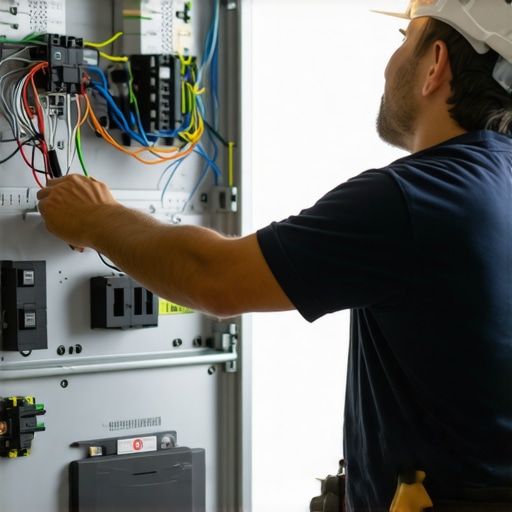
Loose or faulty wiring is often behind flickering lights or outages. Turn off the power at the breaker first—this is crucial for your safety. Then, carefully inspect the wiring connections behind switches and fixtures, ensuring they are tight and not corroded. Think of wiring as the veins of your home’s electrical system; if blocked or weak, the whole system is affected. In my case, tightening a loose connector resolved the flickering issue immediately. If you’re unsure about handling wiring, consult an electrician or review detailed guides like Lighting Installations Made Easy.
Validate Compatibility of Components
Mixed brands or outdated bulbs can cause system conflicts. Verify that your smart bulbs, switches, and hubs are compatible. For example, I once used a non-compatible smartphone app with my smart hub, leading to delayed responses and flickering. Cross-check specifications or consult the manufacturer’s compatibility list. Upgrading outdated components not only stabilizes performance but also enhances safety—always opt for recognized brands. More on ensuring safety during installations is available in Lighting Troubleshooting Safety Tips.
Test Power Supply Stability
Voltage fluctuations may cause flickering or dimming. Use a multimeter to measure voltage at the fixture—normal home voltage is around 120V in the US or 230V elsewhere. Significant deviations indicate the need to consult an electrician. In my experience, persistent fluctuations often mean underlying wiring or breaker issues, which require professional attention. For EV charging setups, ensuring a consistent power supply is equally critical—review dedicated resources like EV Charging Safety and Efficiency.
Evaluate the Safety of Your System
Always prioritize safety when troubleshooting. Turn off power before inspecting or replacing parts to avoid shocks. Use insulated tools and verify your work visually—loose or damaged wiring can be a fire hazard. Remember, if anything feels beyond your expertise, it’s safer and smarter to contact a qualified electrician. Professional troubleshooting ensures your system meets safety standards and functions reliably, as discussed in Electrical Fault Troubleshooting.
Document and Monitor Changes
Keep notes of what you tested and replaced to prevent repeating unsuccessful steps. After each fix, restore power and observe system behavior over a period—sometimes issues are intermittent. For ongoing improvements, consider upgrading LEDs or smart components based on the latest tech, which can be more resilient and energy-efficient. This systematic approach was vital in my past troubleshooting, leading me to identify a faulty switch that caused flickering only at night, saving me from unnecessary replacements. To streamline future troubleshooting, explore comprehensive guides such as Expert Lighting Troubleshooting.
Many DIY enthusiasts and even some electricians sometimes fall for misconceptions that can lead to costly mistakes. One widespread myth is that wiring issues are always visible or obvious. In reality, subtle problems like loose connections or voltage fluctuations can be invisible yet cause significant malfunctions. Relying solely on visual inspection without proper measurement tools, such as a multimeter, may lead you to overlook critical issues—an oversight that can compromise safety and system performance.
Another misconception pertains to compatibility; many believe that any smart bulbs or switches will work interchangeably. As I have encountered firsthand, incompatible components can cause unpredictable flickering or failure, and troubleshooting becomes a complex puzzle. Always verify compatibility before installation—this is a step often underestimated by beginners. For example, mismatched smart hubs and bulbs frequently result in delayed responses or system resets, which experts know can be avoided by detailed compatibility checks.
A common mistake people make in electrical troubleshooting involves ignoring safety protocols. Some attempt to diagnose wiring problems with the power still connected, risking severe shocks or fires. Remember, turning off the power at the breaker and using insulated tools are non-negotiable steps. I’ve seen instances where neglecting this advice caused injuries or equipment damage. Always follow safety guidelines meticulously, as outlined in trusted resources like Electrical Fault Troubleshooting.
For advanced practitioners, understanding the nuances of load balancing and voltage regulation is crucial. Even if wiring appears correct, fluctuations in supply voltage can cause flickering or dimming in lighting or interfere with EV chargers. Studies by electrical safety experts suggest that poor load distribution often underlies these issues—something experienced electricians routinely monitor through sophisticated diagnostics. To ensure your system’s stability, consider professional assessment or using tools to measure voltage consistency over time.
Make no mistake—failing to address these hidden nuances can lead to inefficient energy use, increased wear on components, or safety hazards. For instance, inadequate understanding of load balancing has caused accelerated wear in EV chargers, shortening their lifespan. Ensuring your system is updated and properly configured is vital for longevity and safety; details such as proper grounding and ensuring components are rated for your home’s voltage and current are frequently overlooked, yet essential.
Have you ever fallen into this trap? Let me know in the comments. Staying informed about these subtle but impactful issues allows you to troubleshoot more effectively and avoid common pitfalls. For comprehensive guidance, I recommend reviewing the Lighting Troubleshooting Best Practices and related expert resources. Remember, understanding the hidden complexities saves you time, money, and potential safety hazards in the long run.
Tools I Trust for Reliable Lighting and EV Charging Maintenance
Maintaining your home’s lighting and EV charging stations requires precision and the right equipment. One tool I always keep in my toolkit is a high-quality multimeter, like the Fluke 115. It’s essential for measuring voltage stability and verifying wiring integrity accurately — I’ve found that cheap testers often give false readings, which can lead to unsafe fixes. Regularly checking voltage helps prevent flickering issues and ensures your system operates within safety margins. Additionally, I rely on a digital circuit tracer, such as the Klein Tools ET920, for locating wiring faults concealed behind walls. This device saves time and reduces unnecessary drywall damage, making troubleshooting more efficient.
Make Maintenance a Routine
Set a schedule to inspect your electrical connections semiannually. Tighten loose switches and connectors and clear any dust or corrosion from connections. For EV chargers, routine checks of cables and connectors for wear can prolong lifespan. A detailed maintenance routine not only prevents unexpected failures but also enhances safety — especially important given the increasing complexity of smart home systems. Incorporating these tools and habits minimizes downtime and keeps your lighting and charging setups operating at peak performance.
Predicting the Future of Lighting and Charging Support
Looking ahead, advancements in IoT and smart diagnostics will revolutionize maintenance. Imagine homes equipped with self-monitoring systems that alert you to issues before they disrupt your daily routine. For example, integrated sensors can predict and notify you of voltage irregularities or component wear, leveraging the Internet of Things (IoT) for proactive care. Staying updated with these technologies means you’ll be ahead in ensuring your home remains safe and efficient. To prepare, I recommend exploring smart home integration platforms and future-proofing your installations accordingly.
How do I keep my system working long-term?
Consistent inspection and calibration are key. Invest in a reliable multimeter like the Fluke 115 for ongoing voltage checks, and periodically verify that all connections are tight and corrosion-free. One advanced tip: schedule annual professional inspections to catch issues that DIY might miss. Qualified electricians can perform detailed diagnostics, including load testing and system updates, to prevent major failures. For example, professional troubleshooting has helped me identify subtle voltage fluctuations that DIY tools missed. Regular maintenance and monitoring extend the lifespan of your lighting fixtures and EV chargers, providing peace of mind and safety for years to come. For specific guidance on EV charger upkeep, check out top EV charger maintenance tips. Ready to take your maintenance game up a notch? Try calibrating your multimeter monthly and cross-reference readings with a professional—it’s a simple step that makes a big difference.
What the Hardest Lessons Taught Me About Lighting and EV Setup
One of the biggest revelations in my troubleshooting journey was realizing that safety always trumps quick fixes. Rushing to resolve a flickering light or charging issue without proper inspection can escalate small problems into costly safety hazards. It took a few close calls and a lot of research to understand that meticulous testing and patience are essential, especially when dealing with home electrical systems. These experiences underscored the importance of respecting electrical safety protocols and learning from every hiccup to prevent future setbacks.
Top Tools That Changed How I Maintain Reliable Home Systems
Investing in a quality multimeter like the Fluke 115 has been transformative. It gives precise voltage readings that save hours of guesswork, confirming whether voltage fluctuations are at play. For locating hidden wiring faults, a digital circuit tracer from Klein Tools proved invaluable—saving me from unnecessary drywall damage. Pairing these tools with trusted resources like smart lighting installation guides and EV charger maintenance tips has made routine checks easier and more reliable, ensuring safety and efficiency at home.
Fostering Confidence for a Brighter, Safer Future
Remember, troubleshooting smarter isn’t just about fixing problems—it’s about building a safer environment for you and your loved ones. With the right knowledge and tools, you can tackle electrical issues confidently and prevent hazards before they happen. My advice is to stay curious, keep learning, and don’t hesitate to seek professional help when needed. Embracing a proactive maintenance mindset will give you peace of mind and extend the lifespan of your lighting and EV charging systems. Are you ready to take the next step toward a safer, smarter home? Share your experiences or ask questions below—your journey starts now.
Reading this post really resonated with me, especially the emphasis on safety first when troubleshooting smart home systems. I’ve had my fair share of flickering lights due to loose wiring connections that I initially overlooked because I thought they were minor. Using a multimeter to check voltage and inspecting connections carefully made a huge difference. It’s surprising how many DIY enthusiasts jump into fixes without proper tools or safety measures, risking more damage or even injury. The idea of regular inspections and documenting changes is something I’ve since adopted, which has helped me catch issues early. I’m curious, has anyone here experimented with smart diagnostics or IoT-enabled safety sensors for proactive maintenance? I’d love to hear about experiences or recommendations—especially for integrating these technologies seamlessly into existing setups. It seems like the future of home electrical safety is heading toward smarter, self-monitoring systems, which could be a game-changer for safety and peace of mind.